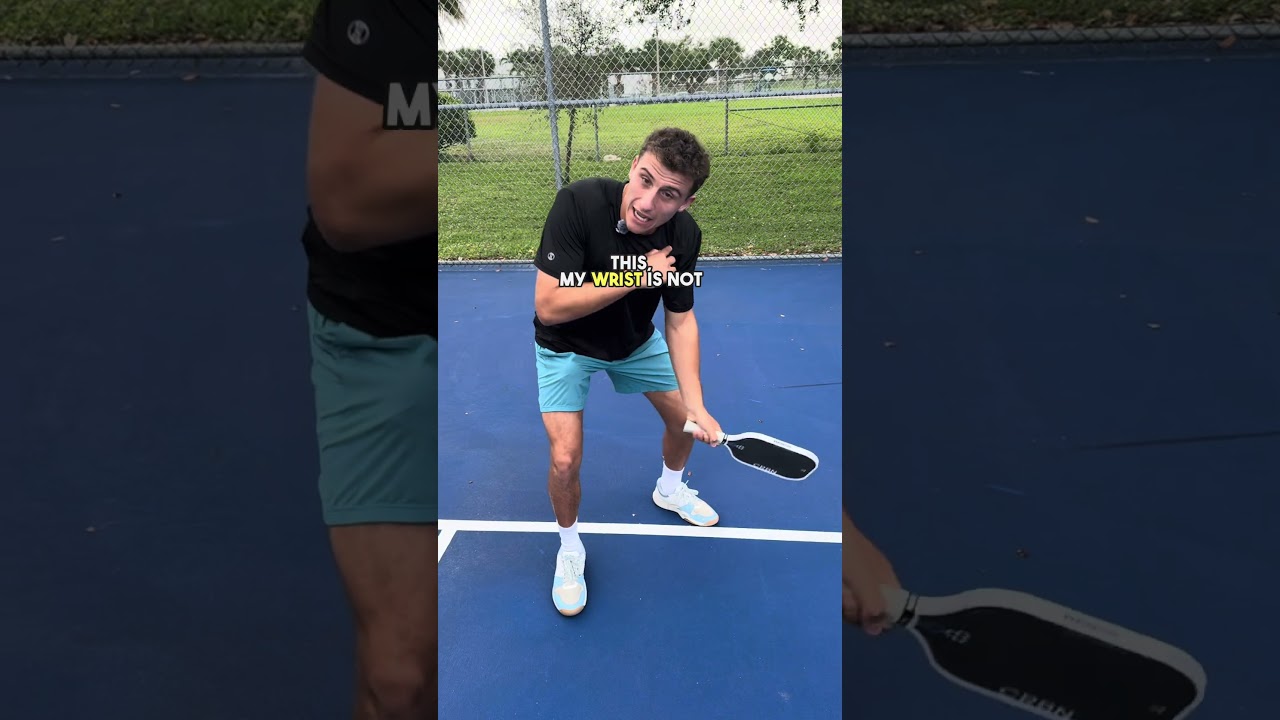
Why Your Kitchen Game Determines Your Pickleball Success
The kitchen, or non-volley zone, is where pickleball points are won and lost. If you're plateaued between 3.5 and 4.0, mastering your kitchen attack strategy is the key to breakthrough performance. Elite players understand that controlling this 14-foot zone requires precision, timing, and strategic thinking.
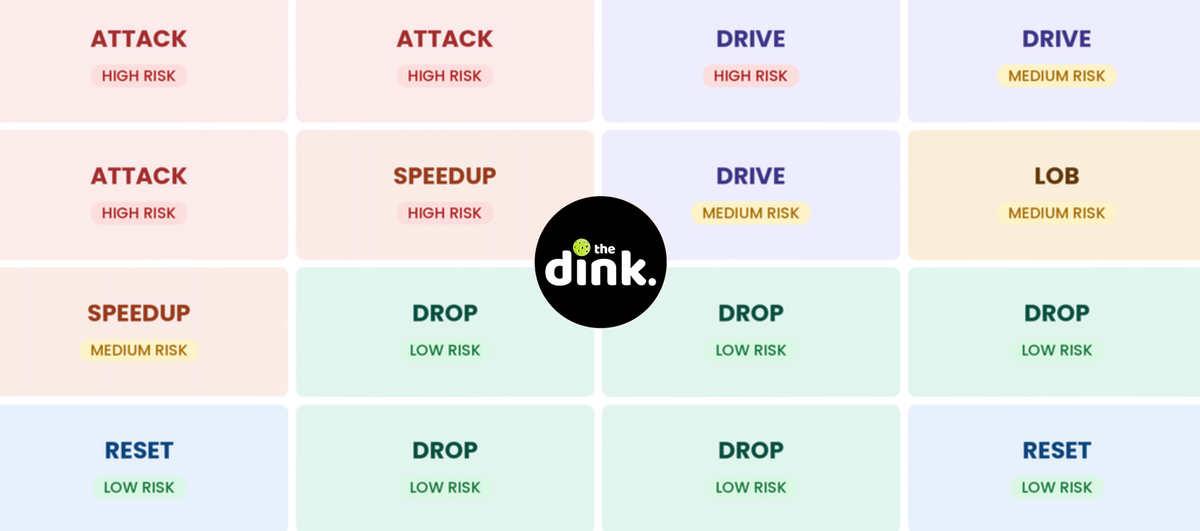
Essential Elements of Kitchen Attack Strategy
Timing Your Speed-Up Shots
The most critical aspect of kitchen attack is knowing when to accelerate the pace. Look for these optimal opportunities:

- When your opponent hits a ball above net height
- During transition moments when opponents are moving to the kitchen line
- After forcing a weak return with consistent pressure
- When you notice defensive positioning or poor court coverage
Patience is crucial—premature attacks often result in unforced errors. Wait for the right ball rather than forcing low-percentage shots.
Strategic Shot Placement
Where you place your attack is as important as when you execute it. Target these high-percentage zones:
- Between opponents: Creates confusion about who should take the shot
- At the feet: Forces difficult defensive positioning
- Sharp cross-court angles: Pulls opponents out of position
- Body shots: Reduces reaction time and limits shot options
Advanced Disguise Techniques
Mastering Shot Deception
Top players excel at hiding their intentions until the last moment. Develop these disguise skills:
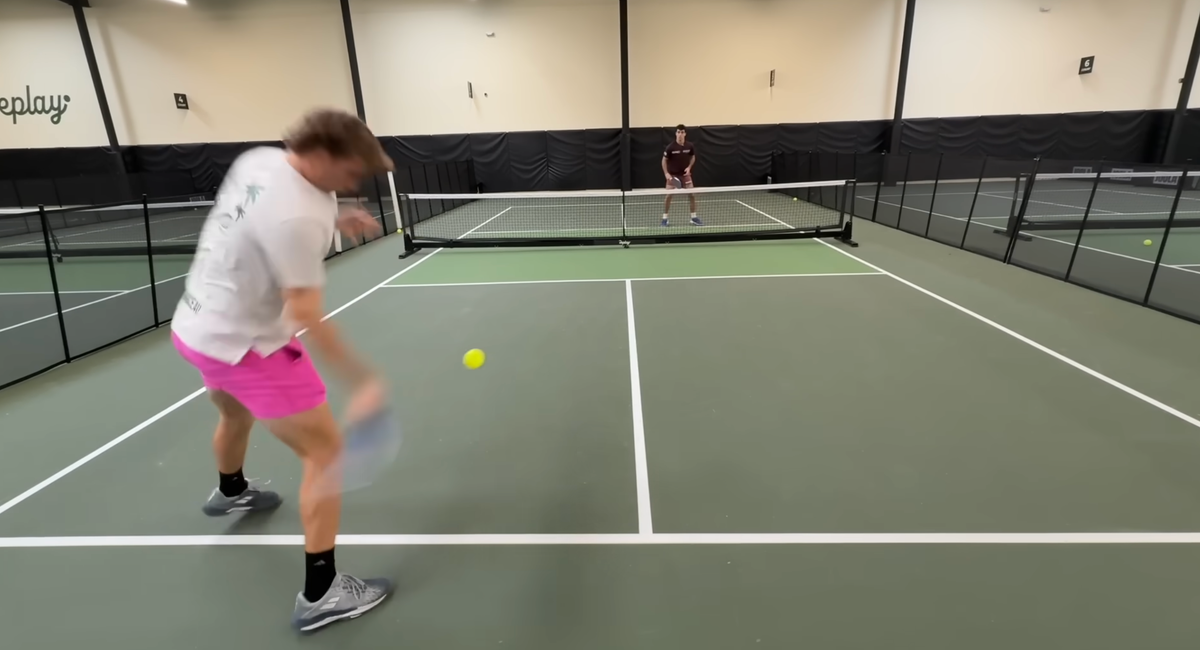
Consistent setup: Use identical paddle preparation for both soft dinks and aggressive attacks. Your body language and paddle position should remain neutral until contact.

Late decision-making: Keep your options open by reading the ball flight and opponent positioning before committing to your shot selection.
Varied pace: Mix speeds strategically rather than always going for maximum power. Sometimes a medium-pace shot catches opponents off-guard more effectively than a hard drive.
Common Kitchen Attack Mistakes to Avoid
Over-Attacking Syndrome
Many intermediate players fall into the trap of attacking every ball. This aggressive approach leads to:
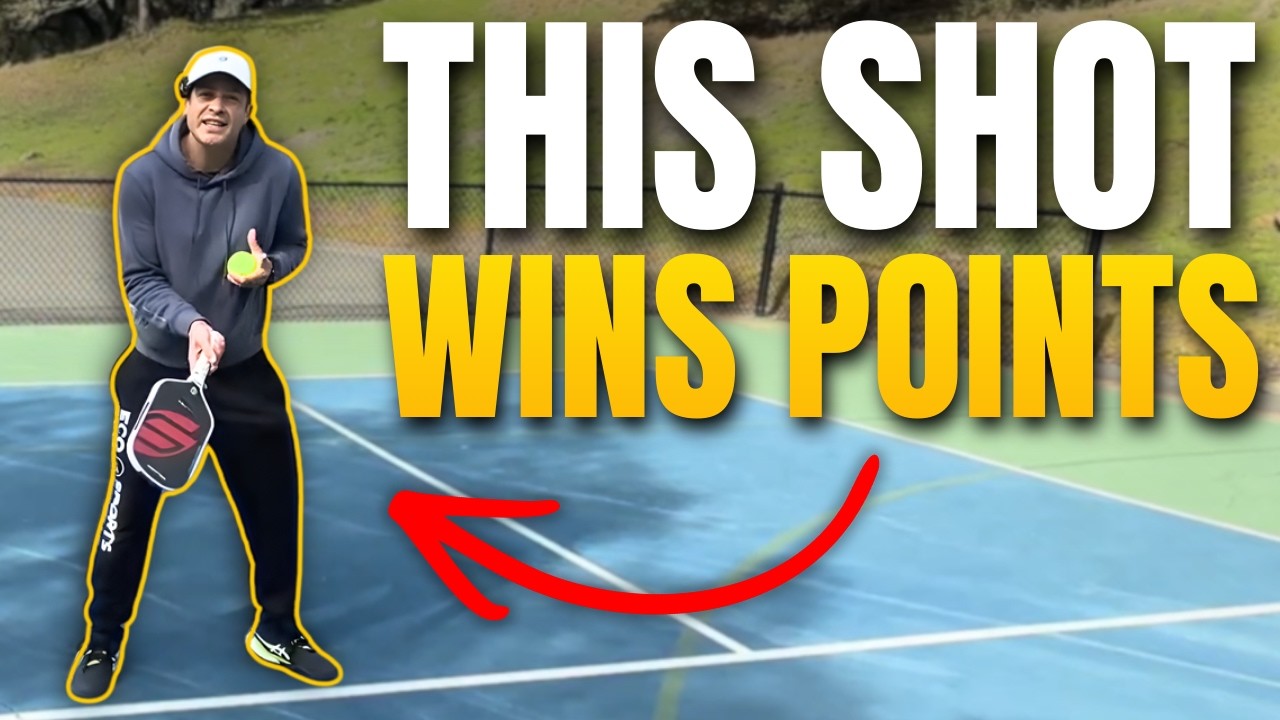
- Higher unforced error rates
- Predictable shot patterns
- Poor shot selection under pressure
- Reduced point construction skills
Instead, focus on building points through strategic dinking before unleashing your attack.
Poor Recovery Positioning
After executing an attack shot, immediately prepare for the counter-attack. Maintain:

- Balanced stance with weight slightly forward
- Paddle up in ready position
- Eyes focused on opponent's paddle
- Quick lateral movement capability
Practice Drills for Kitchen Mastery
The Progressive Attack Drill
Start with cooperative dinking, then gradually introduce speed-up opportunities. This drill develops:
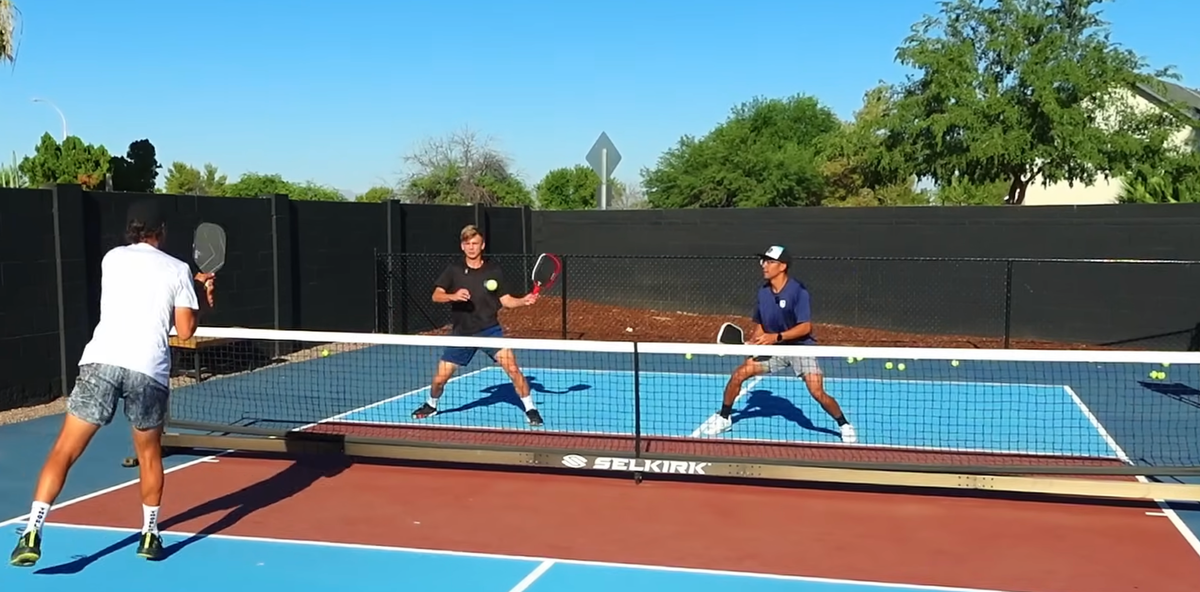
- Pattern recognition for attack opportunities
- Smooth transition from defense to offense
- Improved shot selection under pressure
Target Practice Sessions
Set up targets in the kitchen area and practice hitting specific zones consistently. Focus on:
- Accuracy over power initially
- Consistent contact point
- Follow-through control
- Recovery positioning after each shot
Mental Approach to Kitchen Attacks
Successful kitchen strategy requires strong mental discipline. Develop these psychological skills:
Patience under pressure: Resist the urge to attack marginal opportunities, especially in crucial points.
Confidence in execution: Once you identify the right moment, commit fully to your shot without hesitation.
Adaptability: Adjust your strategy based on opponent weaknesses and match situations.
Taking Your Kitchen Game to the Next Level
Mastering kitchen attacks isn't just about hitting harder—it's about playing smarter. Focus on developing a complete offensive system that combines patience, precision, and power. Remember that the best attackers are also excellent defenders who understand court positioning and shot selection.
By implementing these strategies consistently, you'll see immediate improvements in your ability to finish points and control the pace of play from the kitchen line.
Frequently Asked Questions
How often should I attack from the kitchen during a typical rally?
Quality over quantity is key. Look for 1-2 genuine attack opportunities per rally rather than forcing shots. Most successful players attack approximately 20-30% of kitchen balls, focusing on high-percentage opportunities when opponents are out of position or the ball is above net height.
What's the biggest mistake players make when learning kitchen attacks?
The most common error is attacking balls that are too low or too wide. Players often try to hit winners from defensive positions, leading to unforced errors. Focus on creating better attacking opportunities through patient point construction rather than forcing low-percentage shots.
Should I always aim for maximum power on my kitchen attacks?
No, shot placement and timing are more important than raw power. A well-placed medium-pace shot often produces better results than a hard shot hit directly at opponents. Vary your attack speeds and focus on moving the ball to open court areas or at opponents' feet.