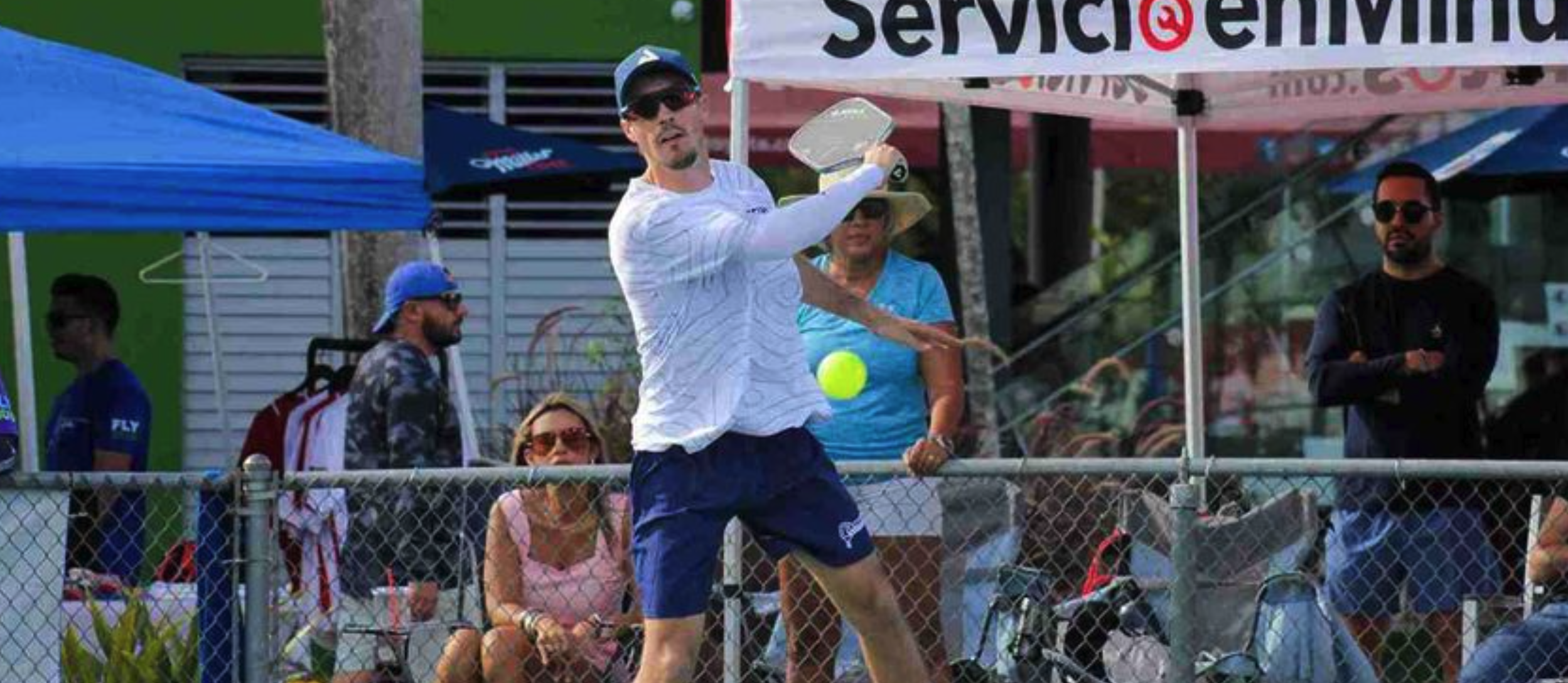
The official pickleball net height isn't just a random measurement—it's a strategic element that directly impacts every shot you make. At 36 inches on the posts and 34 inches at center court, this 2-inch variation creates opportunities and challenges that separate recreational players from competitive athletes.
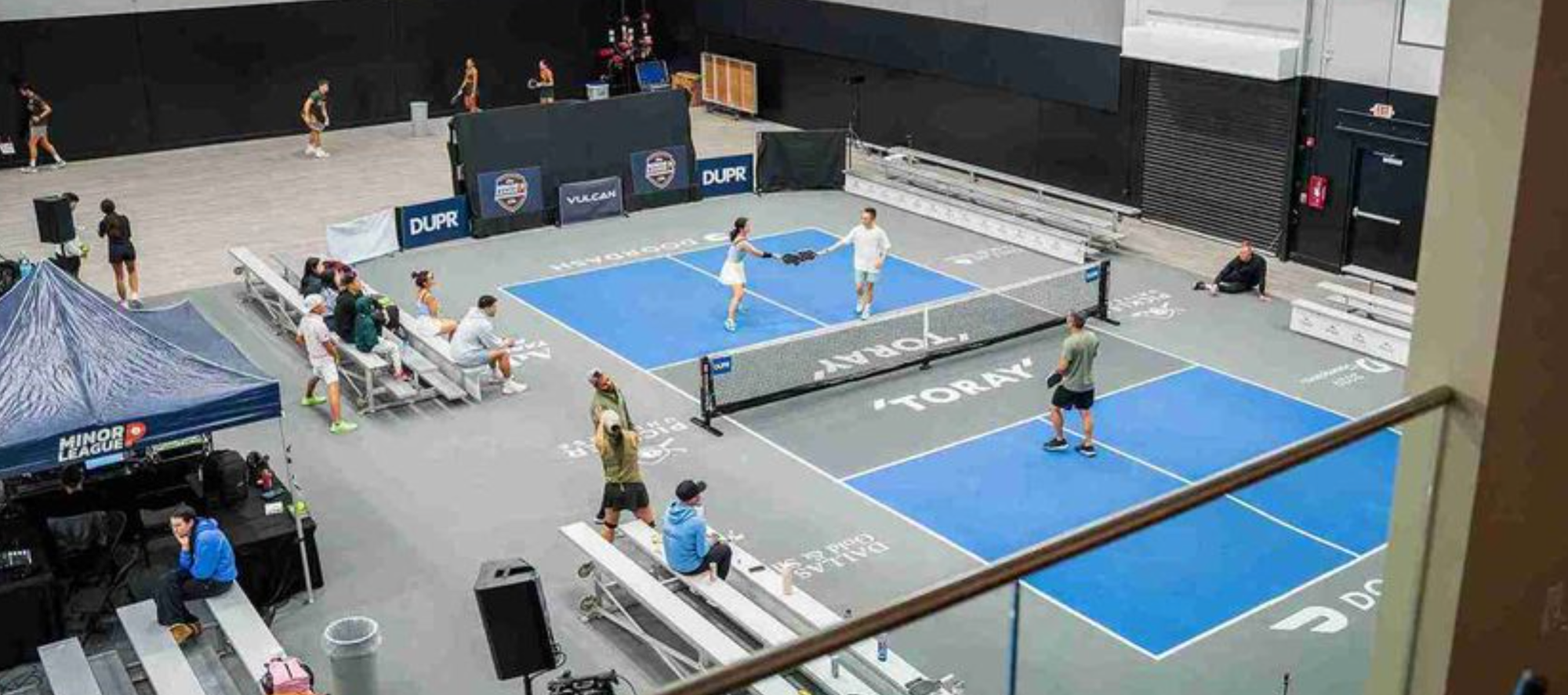
Official Pickleball Net Height Specifications
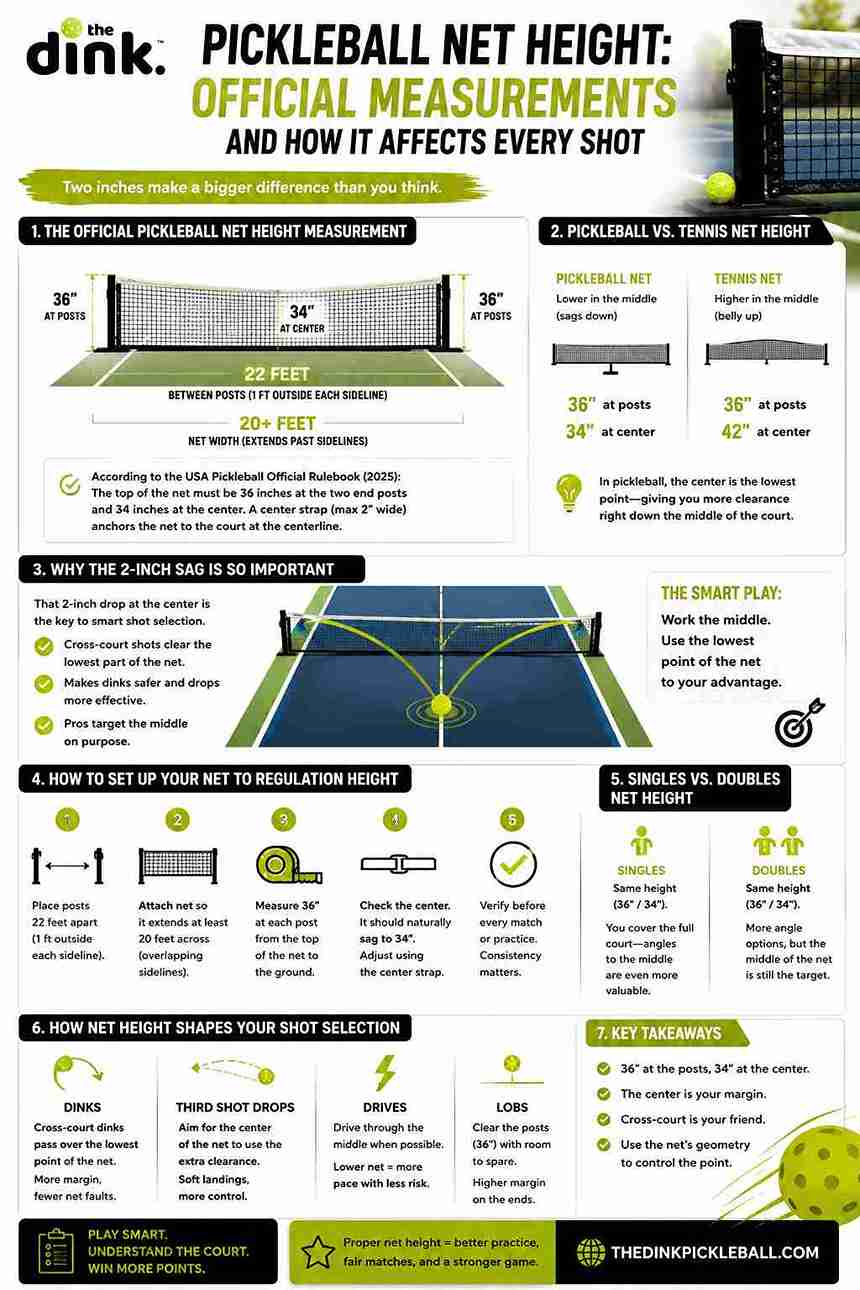
According to USA Pickleball regulations, nets must measure exactly 36 inches (91.44 cm) at the sideline posts and 34 inches (86.36 cm) at the center. This isn't negotiable—tournament play requires precise measurements, and recreational players benefit from matching these standards during practice.
The net spans 22 feet in width, extending 12 inches beyond each sideline. Posts must be positioned 22 feet apart, creating the proper tension for the net to naturally sag to the correct center height.
Why the 2-Inch Drop Matters for Your Game
That seemingly small 2-inch difference between the posts and center creates a significant tactical advantage. Smart players exploit this lower center section for:
- Cross-court dinks: The reduced height provides more clearance for soft shots
- Passing shots: Down-the-middle drives have better net clearance
- Third shot drops: Center court targeting increases success rates
Players who consistently aim for the sidelines face a higher net and tighter margins for error. The geometry works against aggressive sideline shots, especially from the baseline.
How Net Height Affects Different Shot Types
Serving Strategy
The net height impacts serve placement significantly. Deep serves to the center of the service box clear the net more easily than wide serves targeting the corners. This explains why many professionals favor center-targeted serves over risky wide placements.

Dinking Precision
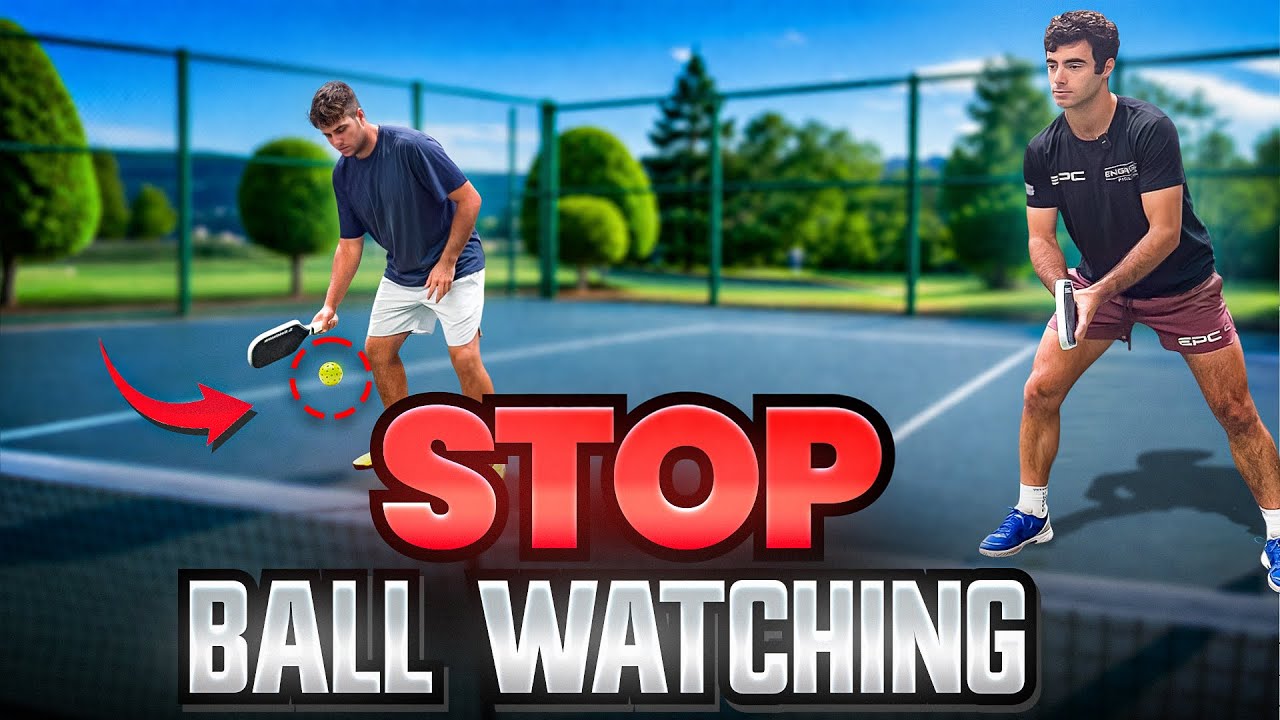
During kitchen exchanges, the net height becomes crucial for shot selection. Cross-court dinks benefit from the lower center height, while straight-ahead dinks must clear the full 36-inch measurement at your position.
Overhead Attacks
The net height creates natural angles for overhead shots. Aggressive players learn to position themselves to take advantage of the height differential, using sharp downward angles that clear the net with minimal risk.
Court Positioning and Net Height Awareness
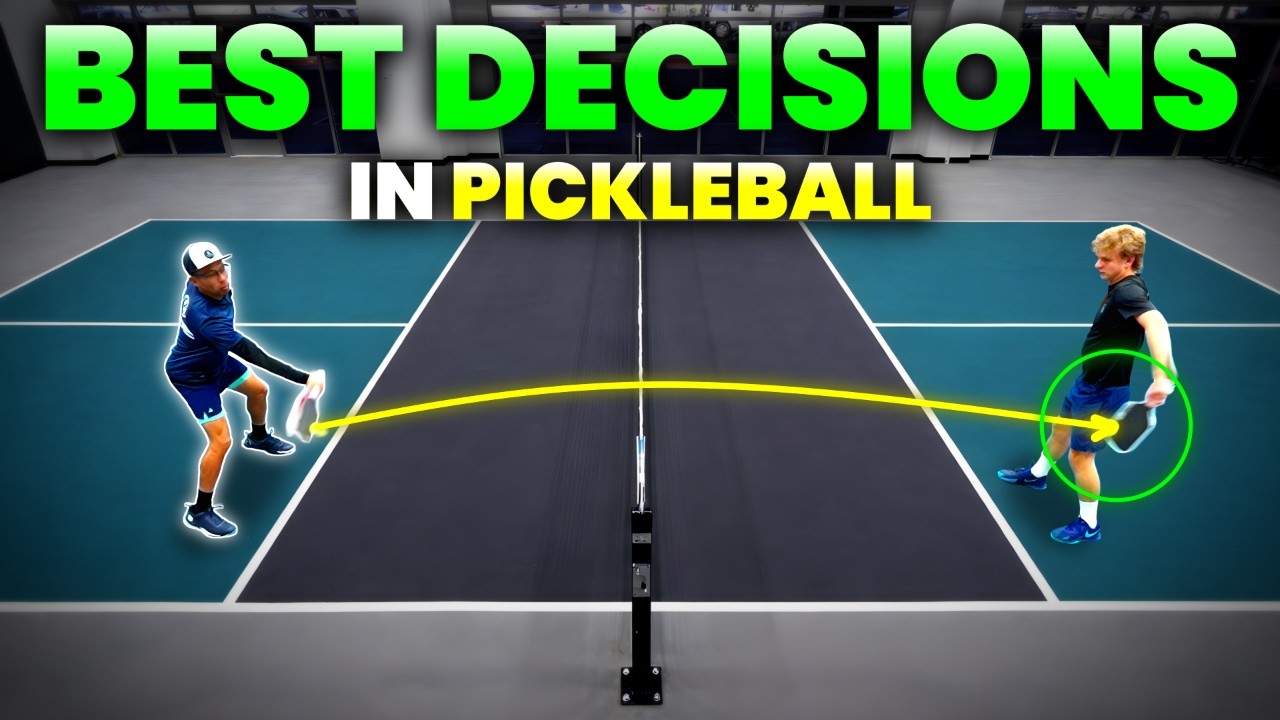
Understanding net height helps with court positioning. Players near the sidelines face a higher effective net height for cross-court shots, while center court positioning provides optimal angles for most offensive plays.
This knowledge influences:
- Where to stand during rallies
- Which shots to attempt from different positions
- How to move opponents to disadvantageous positions
Common Net Height Mistakes
Many recreational facilities set nets incorrectly, creating inconsistent playing conditions. Common errors include:
- Uniform 36-inch height across the entire net
- Excessive sagging below 34 inches at center
- Improper post positioning affecting net tension
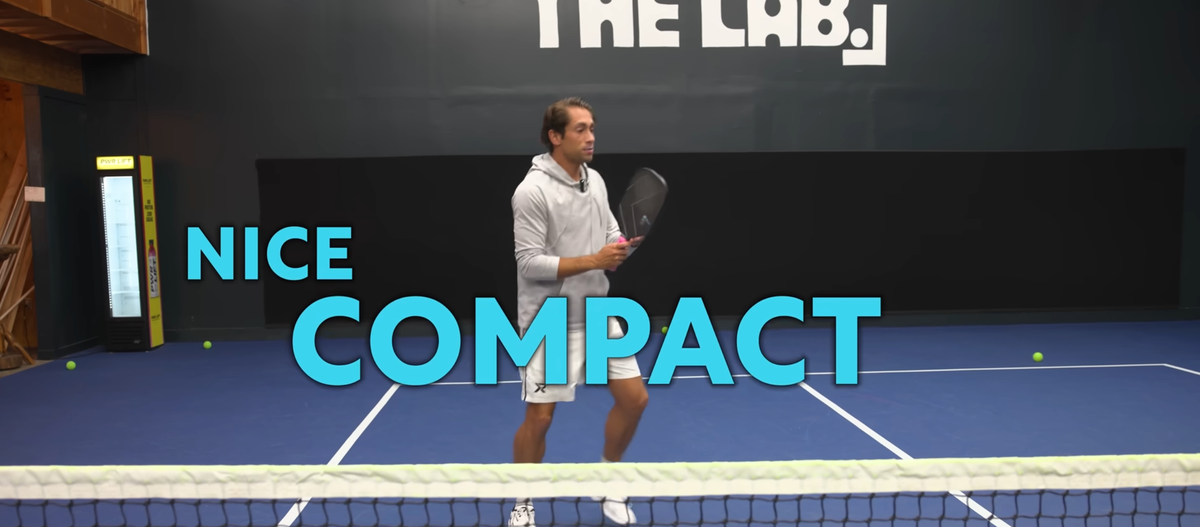
Always check net height before important matches. Carry a measuring tape or use the paddle measurement technique—a standard paddle is approximately 16 inches long, so two paddle lengths plus 2 inches equals proper post height.
Training with Proper Net Height
Practicing with correctly set nets builds muscle memory for tournament play. If you train on improperly adjusted nets, your shot selection and timing will suffer during official matches.
Home court setups should mirror tournament standards. Portable nets often lack proper tensioning systems, but investing in quality equipment pays dividends in skill development.
Frequently Asked Questions
Can I use a tennis net for pickleball?
Tennis nets are 42 inches high at the posts and 36 inches at center—6 inches too high for pickleball. While some recreational play uses modified tennis courts, proper pickleball nets are essential for developing correct shot mechanics and strategies.
How do I measure net height accurately?
Use a measuring tape from the court surface to the top of the net tape at both posts (36 inches) and center court (34 inches). Many players use paddle measurements as a quick check—two standard paddles stacked lengthwise approximate the post height.
Does net height vary between indoor and outdoor play?
Official net height remains constant regardless of venue. However, outdoor conditions like wind can affect net tension and apparent height. Tournament officials regularly check and adjust nets to maintain proper specifications throughout competition.