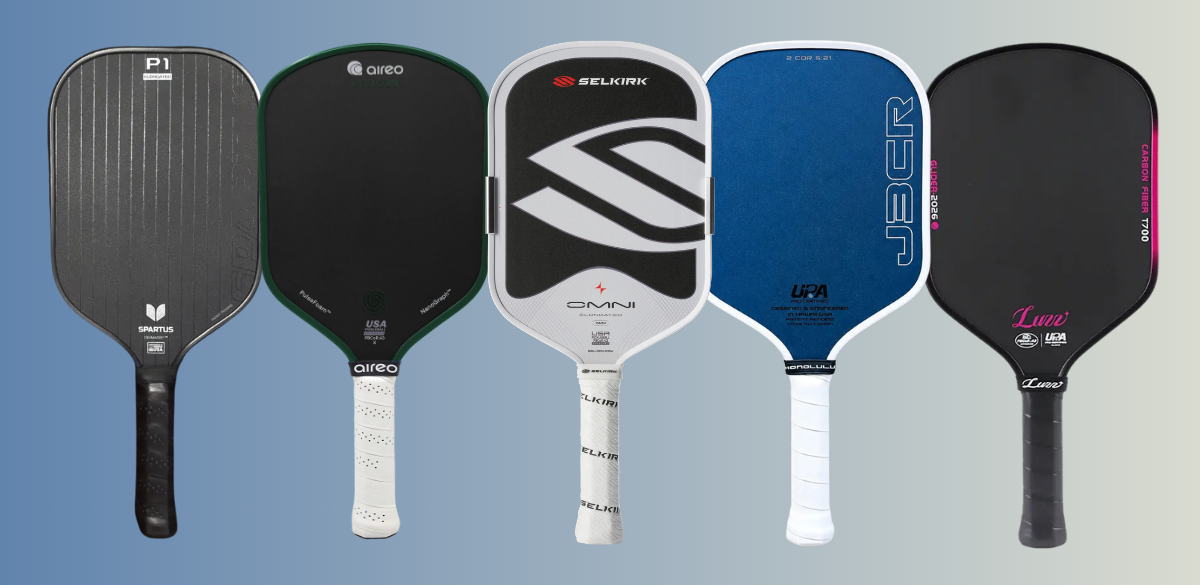
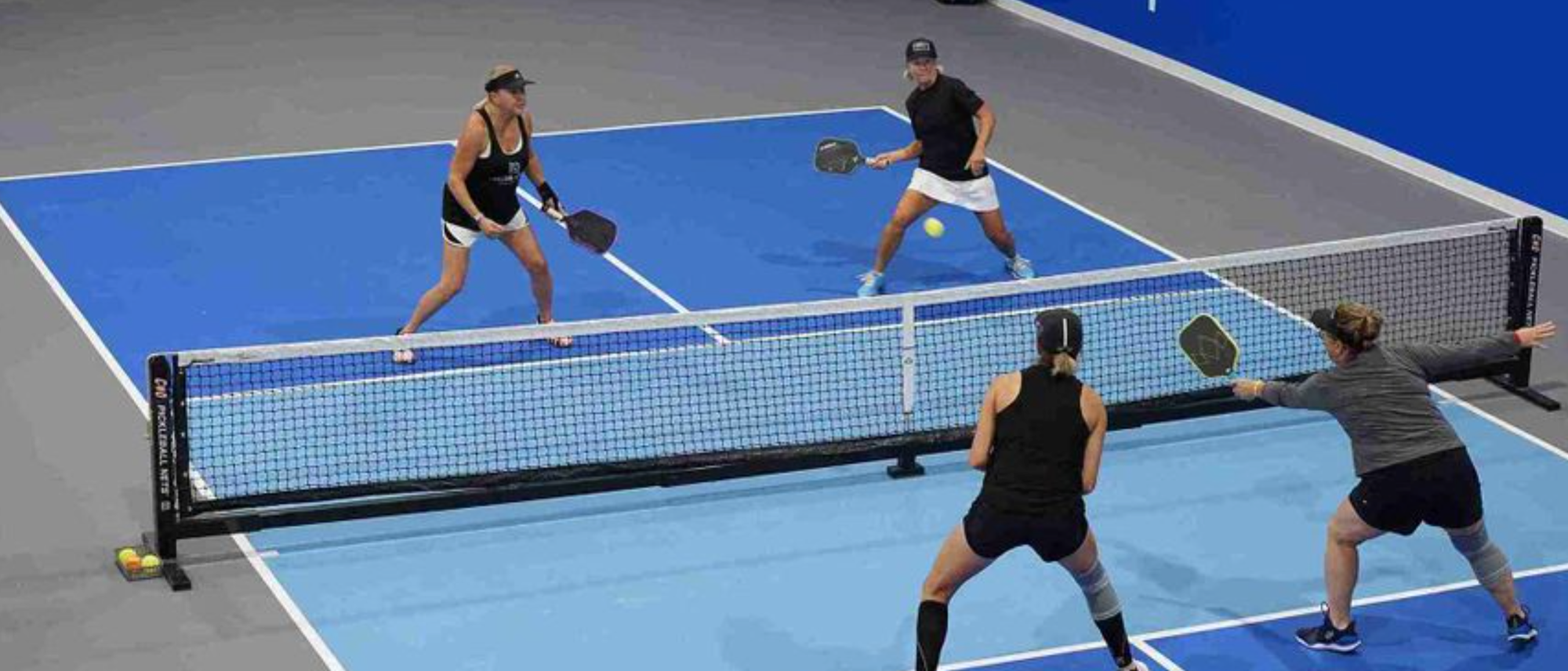
Choosing the right pickleball paddle core types can dramatically impact your game performance. Whether you're considering honeycomb vs foam cores, understanding the fundamental differences helps you select a paddle that matches your playing style. Each core type offers unique benefits in power, control, and feel, making this decision crucial for players at every level.
Understanding Pickleball Paddle Core Construction
The core serves as the heart of your pickleball paddle, directly influencing how the ball responds when it contacts the paddle face. Modern paddles primarily use two core technologies: honeycomb (polymer) and foam cores.
Core thickness typically ranges from 11mm to 20mm, with thicker cores generally providing more power and thinner cores offering better control. The core material works in conjunction with the paddle face materials to create the overall playing characteristics.
Key factors affected by core type include:
- Ball response and feel
- Power generation
- Control and precision
- Vibration dampening
- Paddle weight distribution
Honeycomb Core Technology: Power and Precision
Honeycomb cores, also called polymer cores, feature a cellular structure resembling a bee's honeycomb. This design creates excellent strength-to-weight ratios while maintaining consistent ball response across the paddle face.
Honeycomb Core Advantages
- Superior power generation: The rigid structure transfers energy efficiently from your swing to the ball
- Consistent response: Uniform cell structure provides predictable ball behavior
- Durability: Honeycomb construction resists compression and maintains performance over time
- Precise control: Firmer feel allows for better shot placement
Players who prefer aggressive baseline play and powerful drives often gravitate toward honeycomb cores. The Sypik Triton 5 Pro review highlights how honeycomb cores excel in competitive play scenarios.
Honeycomb Core Considerations
The firmer feel may transmit more vibration to your arm, potentially causing fatigue during extended play sessions. Some players find the response too rigid for delicate touch shots around the net.
Foam Core Technology: Comfort and Control
Foam cores utilize various foam densities and compositions to create a softer, more forgiving paddle feel. This technology prioritizes comfort and touch over raw power generation.
Foam Core Benefits
- Enhanced comfort: Superior vibration dampening reduces arm fatigue
- Excellent touch: Softer response improves feel for delicate shots
- Forgiving sweet spot: More consistent performance across the paddle face
- Reduced shock: Better for players with arm or shoulder sensitivities
Foam cores excel for players who prioritize finesse over power. They're particularly effective for net play, drop shots, and placement-focused strategies that require subtle ball control.
Foam Core Limitations
The softer construction may limit maximum power potential compared to honeycomb alternatives. Some foam cores can compress over time, potentially affecting long-term performance consistency.
Choosing the Right Core for Your Playing Style
Your ideal core type depends on several personal factors and playing preferences. Consider these key elements when making your decision:
Power vs Control Preference
Choose honeycomb cores if you:
- Prefer aggressive, power-based playing styles
- Need maximum ball speed on drives and serves
- Value precise shot placement and consistent response
- Play primarily from the baseline
Choose foam cores if you:
- Prioritize touch and finesse over raw power
- Experience arm or shoulder discomfort with firmer paddles
- Focus on net play and soft game tactics
- Prefer a more forgiving paddle feel
Physical Considerations
Players with previous arm injuries or those prone to tennis elbow often benefit from foam cores' superior vibration dampening. Conversely, players seeking maximum feedback and ball sensation typically prefer honeycomb construction.
Check our paddle reviews and rankings to see how different core types perform in real-world testing scenarios.
Performance Optimization and Core Selection
Advanced players often consider core selection alongside their overall game development strategy. The right core type can enhance your natural strengths while compensating for areas needing improvement.
Training Considerations
Your paddle choice should complement your practice routine and skill development goals. Use our drill planner to identify which skills you're prioritizing, then select a core type that supports those areas.
For power development: Honeycomb cores provide immediate feedback on swing mechanics and force transfer, helping you develop more efficient stroke techniques.
For touch refinement: Foam cores allow you to practice delicate shots without worrying about over-hitting, building confidence in soft game situations.
Skill Level Matching
- Beginners: Foam cores offer forgiving performance while learning fundamentals
- Intermediate players: Either core type works, depending on style preferences
- Advanced players: Often prefer honeycomb for competitive advantages and consistent performance
What's the main difference between honeycomb and foam paddle cores?
Honeycomb cores provide firmer, more powerful response with excellent precision, while foam cores offer softer feel with superior comfort and vibration dampening. Honeycomb cores excel for power players, while foam cores benefit finesse-focused players and those with arm sensitivities.
Which core type is better for beginners?
Foam cores typically work better for beginners due to their forgiving nature and comfortable feel. The softer response helps new players develop touch and control without overwhelming power that can lead to unforced errors. However, some beginners who prefer immediate feedback may benefit from honeycomb cores.
Do honeycomb cores last longer than foam cores?
Generally, yes. Honeycomb cores maintain their structural integrity and performance characteristics longer than foam cores. The rigid cellular construction resists compression and deformation over time, while some foam cores may soften or lose responsiveness with extensive use. However, quality foam cores from reputable manufacturers can still provide years of consistent performance.