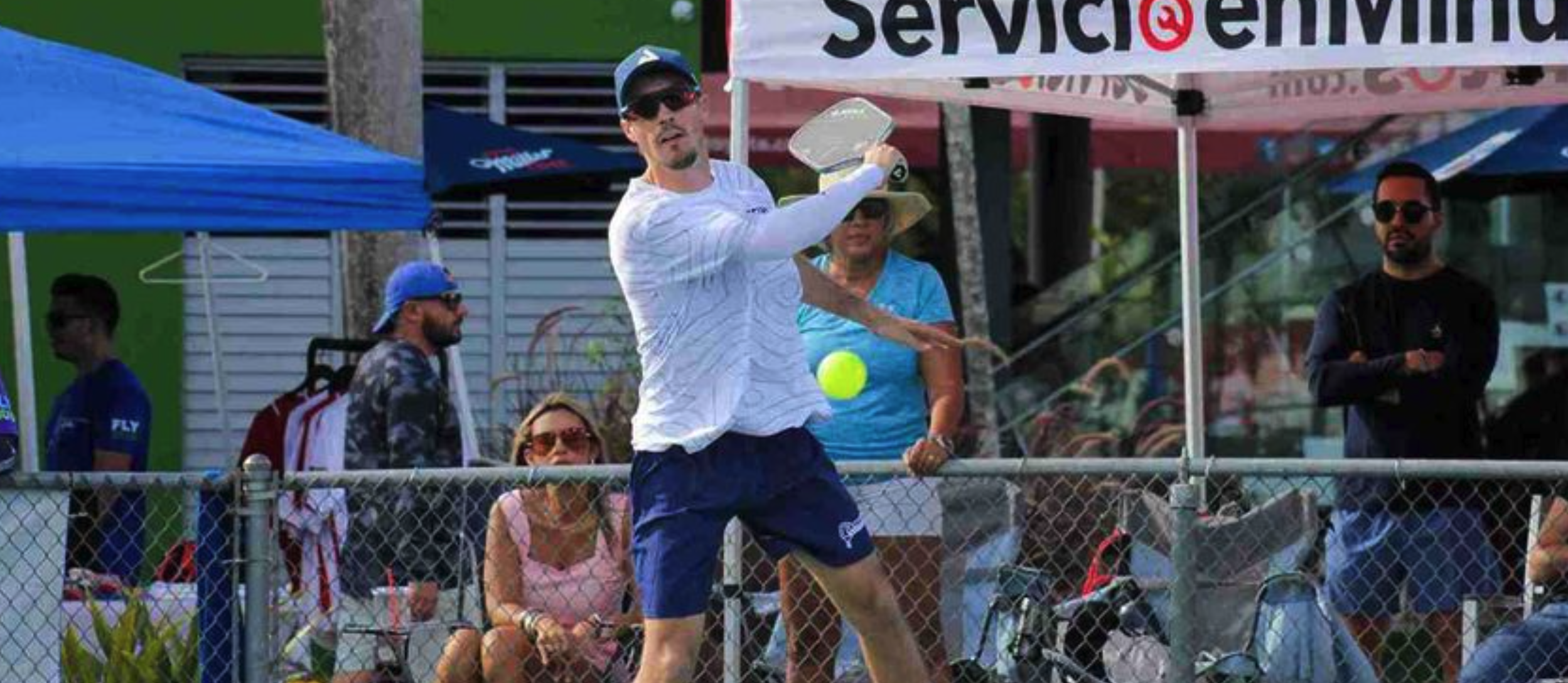
Pickleball paddle delamination is one of the most frustrating issues players face, often striking without warning and rendering expensive paddles unusable. This separation of paddle layers can occur in any paddle construction, but understanding the causes and prevention methods can save you hundreds of dollars in replacement costs. Whether you're a recreational player or tournament competitor, knowing how to protect your equipment investment is essential for consistent performance on the court.
What Is Pickleball Paddle Delamination?
Delamination occurs when the layers of a pickleball paddle begin to separate, creating air pockets or visible gaps between the face material and the core. This structural failure fundamentally changes how the paddle performs, affecting power, control, and spin generation.
The most common signs of delamination include:
- Hollow or different sound when tapping the paddle face
- Visible bubbling or raised areas on the surface
- Dead spots where the ball doesn't respond normally
- Increased power in certain areas (illegal in tournament play)
- Crackling sounds during play
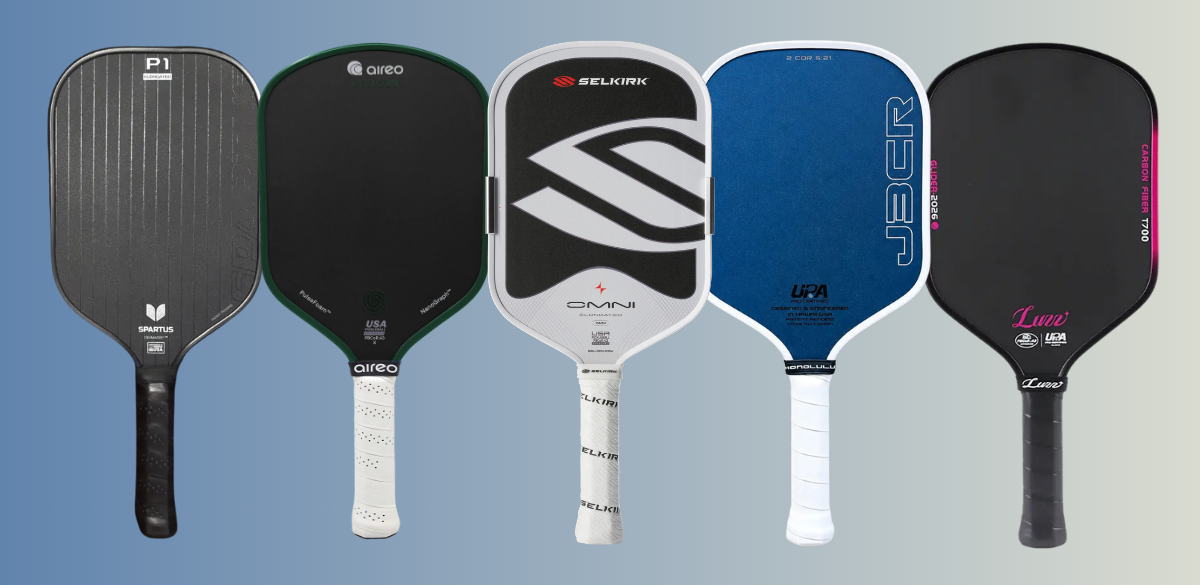
Modern paddles use various construction methods, from thermoformed edges to traditional glued assemblies. Each type has specific vulnerabilities to delamination, making prevention strategies crucial regardless of your paddle choice.
Primary Causes of Paddle Delamination
Temperature and Humidity Extremes
Extreme temperature changes represent the biggest threat to paddle integrity. Leaving paddles in hot cars, freezing garages, or humid environments causes materials to expand and contract at different rates, weakening the adhesive bonds between layers.
The adhesives used in paddle construction typically fail when exposed to temperatures above 140°F (60°C) or rapid temperature swings exceeding 50°F (28°C).
Impact Damage and Overuse
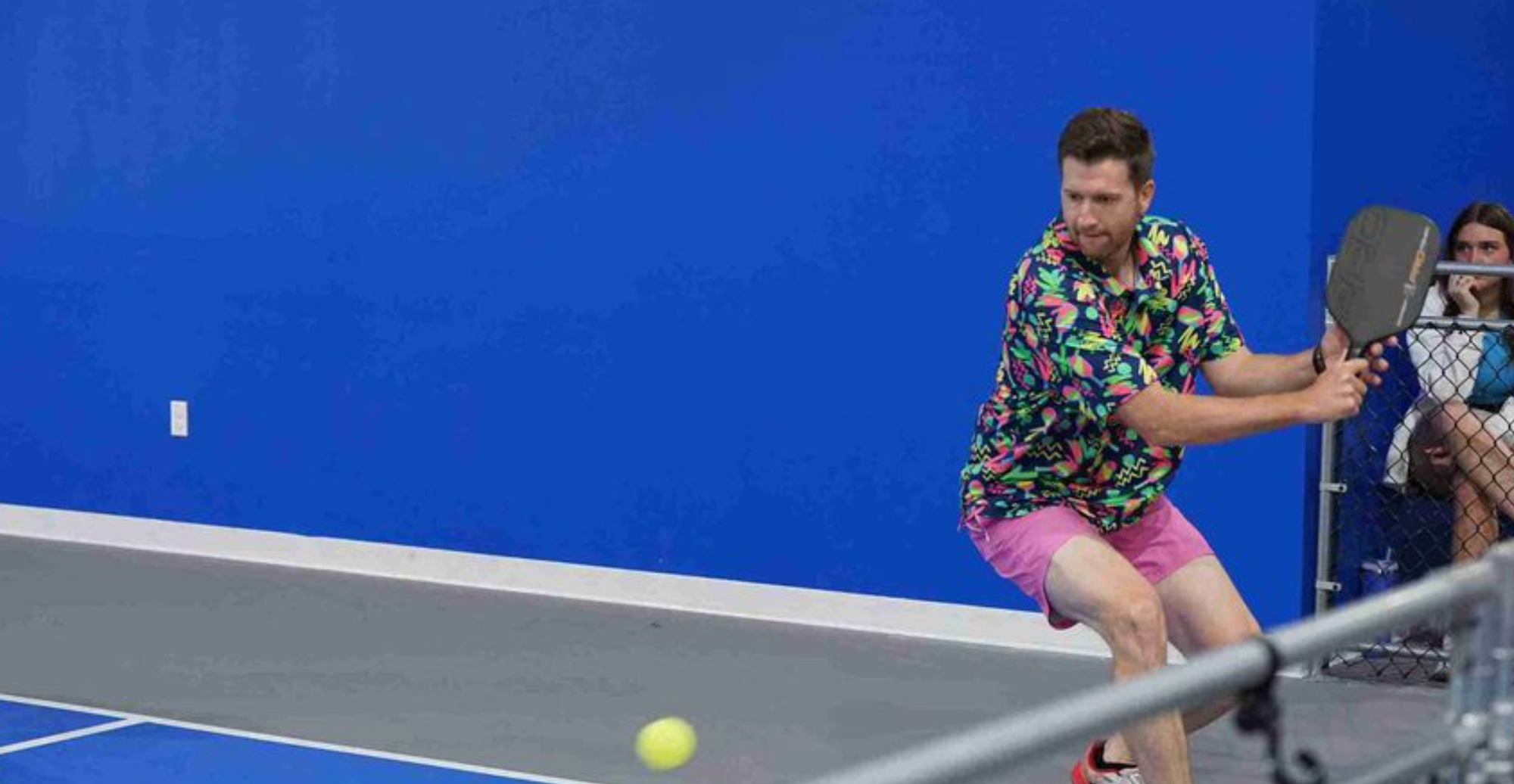
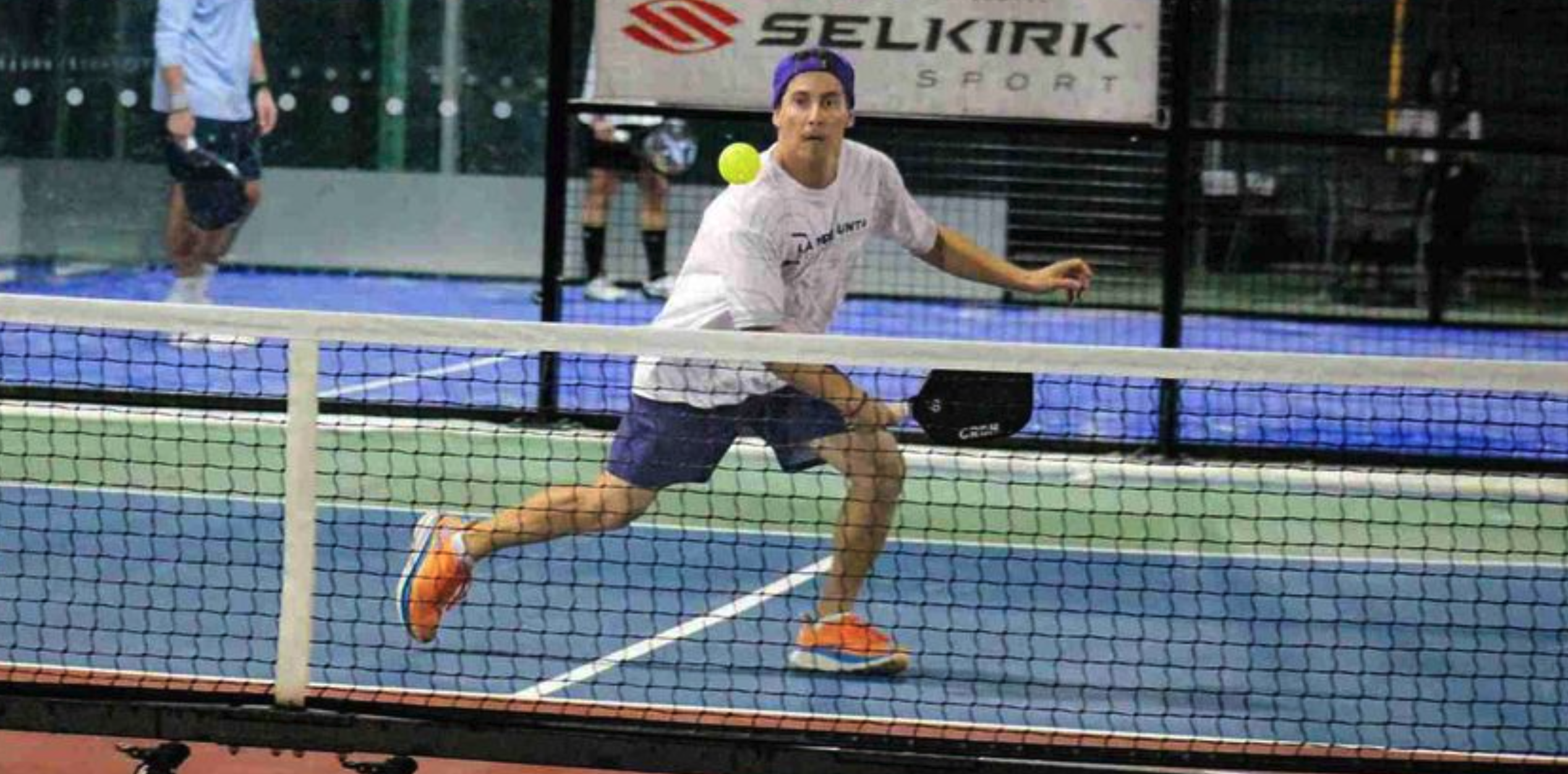
Repeated high-impact shots, especially off-center hits, gradually weaken the structural bonds. Edge shots, mishits, and aggressive play styles accelerate this process significantly.
- Overhead smashes with poor technique
- Hitting balls that bounce off the court surface
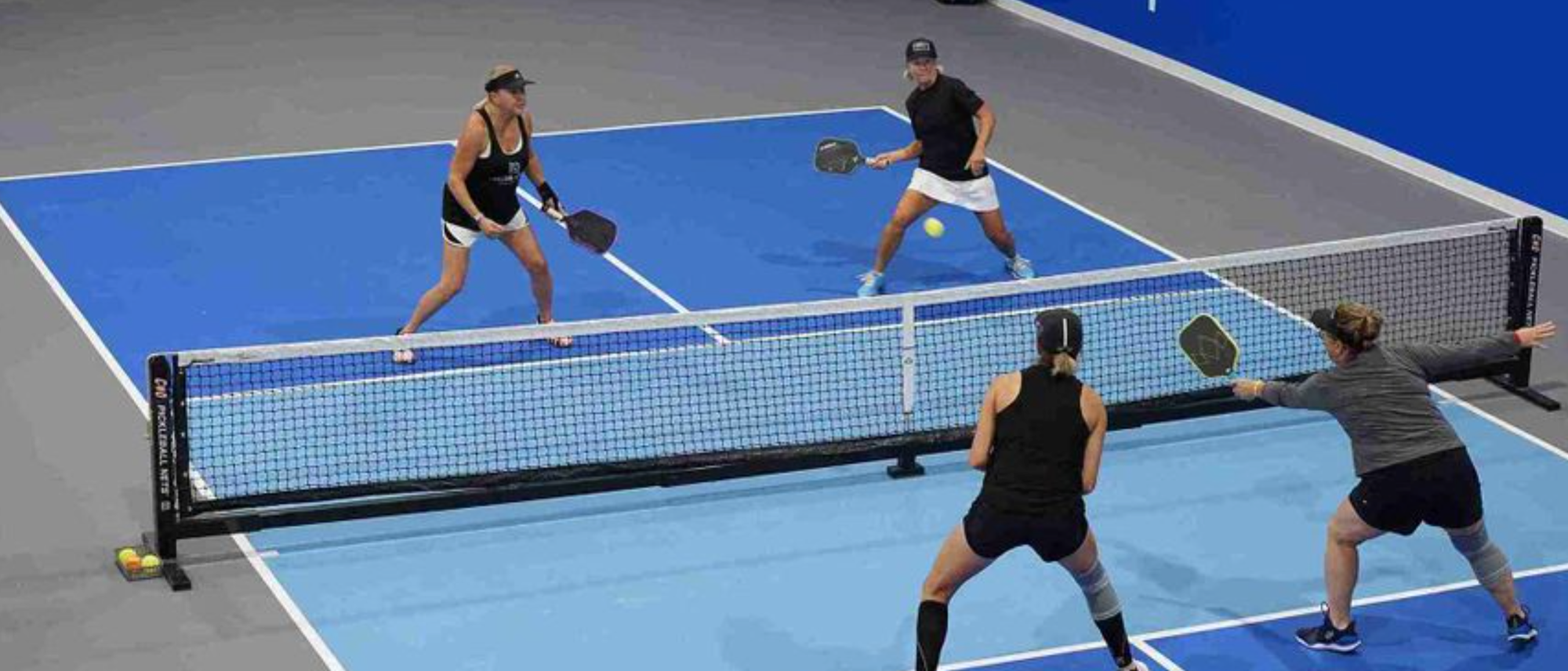
- Paddle-to-paddle contact during doubles play
- Dropping paddles on hard surfaces
Manufacturing Defects
Some paddles develop delamination due to poor quality control during manufacturing. Inadequate adhesive application, contaminated bonding surfaces, or rushed curing processes can create weak points that fail prematurely.
Proven Delamination Prevention Strategies
Proper Storage Techniques
Temperature-controlled storage is your first line of defense against delamination. Keep paddles in consistent environments between 60-75°F (15-24°C) whenever possible.
- Use insulated paddle bags during transport
- Never leave paddles in vehicles overnight
- Store in climate-controlled areas, not garages or sheds
- Allow paddles to acclimate gradually to temperature changes
- Keep paddles away from direct sunlight and heating vents
Consider investing in a quality paddle case with thermal protection. This small investment can extend paddle life by years, especially in extreme climates.
Smart Playing Habits
Developing proper technique not only improves your game but also protects your equipment. Focus on clean contact in the paddle's sweet spot to minimize stress on the construction.
Work with our drill planner to develop consistent stroke mechanics that reduce mishits and off-center impacts. Proper footwork and positioning are key elements in paddle preservation.
Regular Maintenance and Inspection
Implement a monthly paddle inspection routine to catch early signs of delamination. Tap the paddle face systematically, listening for changes in sound that might indicate developing separation.
Clean your paddle regularly with appropriate materials - harsh chemicals can weaken adhesive bonds over time. Use mild soap, warm water, and soft cloths for routine cleaning.
Choosing Delamination-Resistant Paddles
Some paddle constructions are inherently more resistant to delamination than others. Thermoformed paddles, which use heat and pressure to fuse edges, typically show better long-term durability than traditionally glued models.
When researching options, the Sypik Triton 5 Pro stands out for its robust construction and proven resistance to delamination issues. Its advanced bonding process and quality materials make it an excellent choice for players concerned about longevity.
Check our comprehensive rankings to compare durability ratings across different paddle models and price points.
What to Do If Delamination Occurs
If you discover delamination in your paddle, stop using it immediately in tournament play - delaminated paddles are illegal and can result in penalties or disqualification.
For recreational play, minor delamination might not immediately affect performance, but the condition will typically worsen over time. Contact the manufacturer if the paddle is still under warranty, as many companies honor defect claims even after significant use.
Document the damage with photos and keep purchase receipts - quality manufacturers often replace defective paddles even beyond standard warranty periods.
Can delaminated paddles be repaired?
Unfortunately, paddle delamination cannot be effectively repaired. Attempting to inject adhesives or apply pressure typically creates uneven surfaces and changes the paddle's playing characteristics, making it illegal for tournament use and unpredictable for recreational play.
How long should a quality paddle last without delaminating?
With proper care and moderate use, a well-constructed paddle should last 2-4 years without delamination issues. Heavy players or those who play daily might see shorter lifespans, while recreational players often get 5+ years from quality paddles when stored and maintained properly.
Are expensive paddles more resistant to delamination?
Generally yes, but price alone doesn't guarantee durability. Premium paddles typically use better adhesives, advanced construction methods, and undergo more rigorous quality control. However, proper care and storage matter more than price - a well-maintained budget paddle often outlasts an abused premium model.