Your pickleball paddle grip determines the success of every shot you'll ever hit. Whether you're attempting a delicate dink at the net or powering through a baseline drive, everything starts with how you hold that paddle.
Most beginners instinctively grab their paddle like they're greeting an old friend - a natural handshake motion that feels comfortable but creates problems down the line. While this intuition isn't completely off-base, the nuances of proper grip technique separate players who struggle with consistency from those who see rapid improvement.
The Continental Grip: Your Foundation
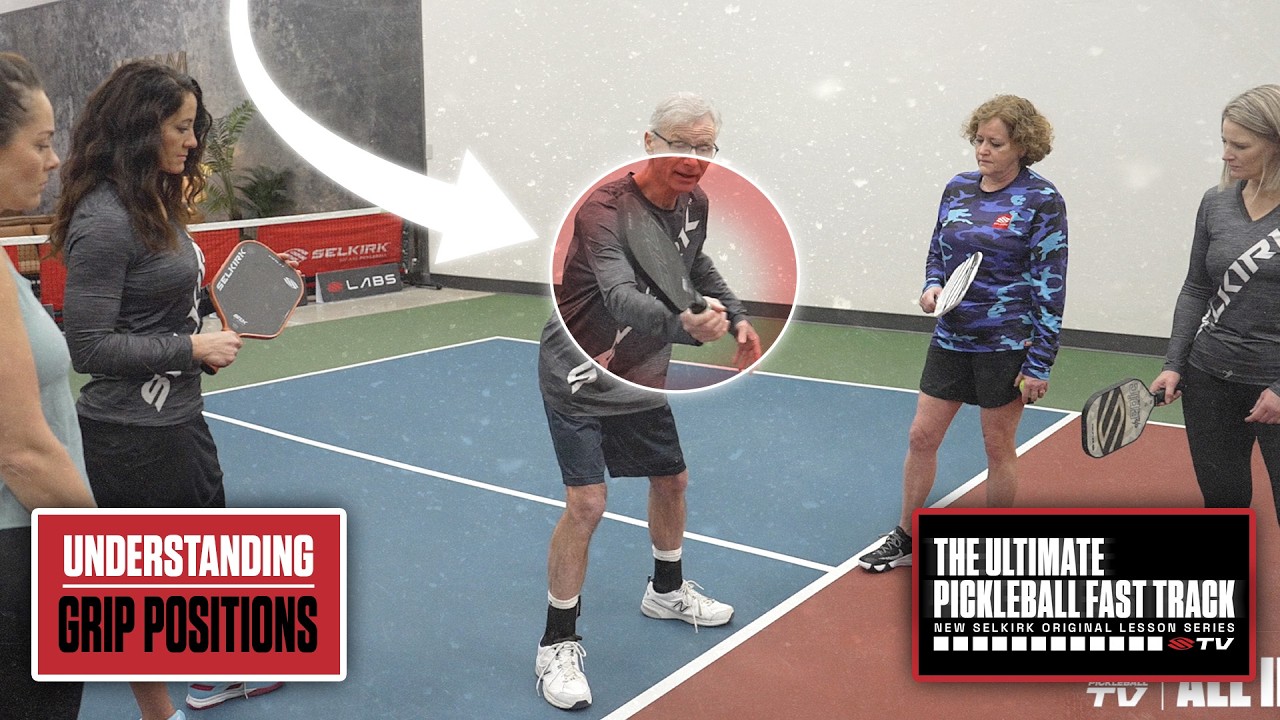
The continental grip serves as the gold standard for pickleball paddle holding technique. Think of it as positioning your hand as if you're holding a hammer - your index finger's knuckle should align with the top-right edge of the paddle handle (for right-handed players).
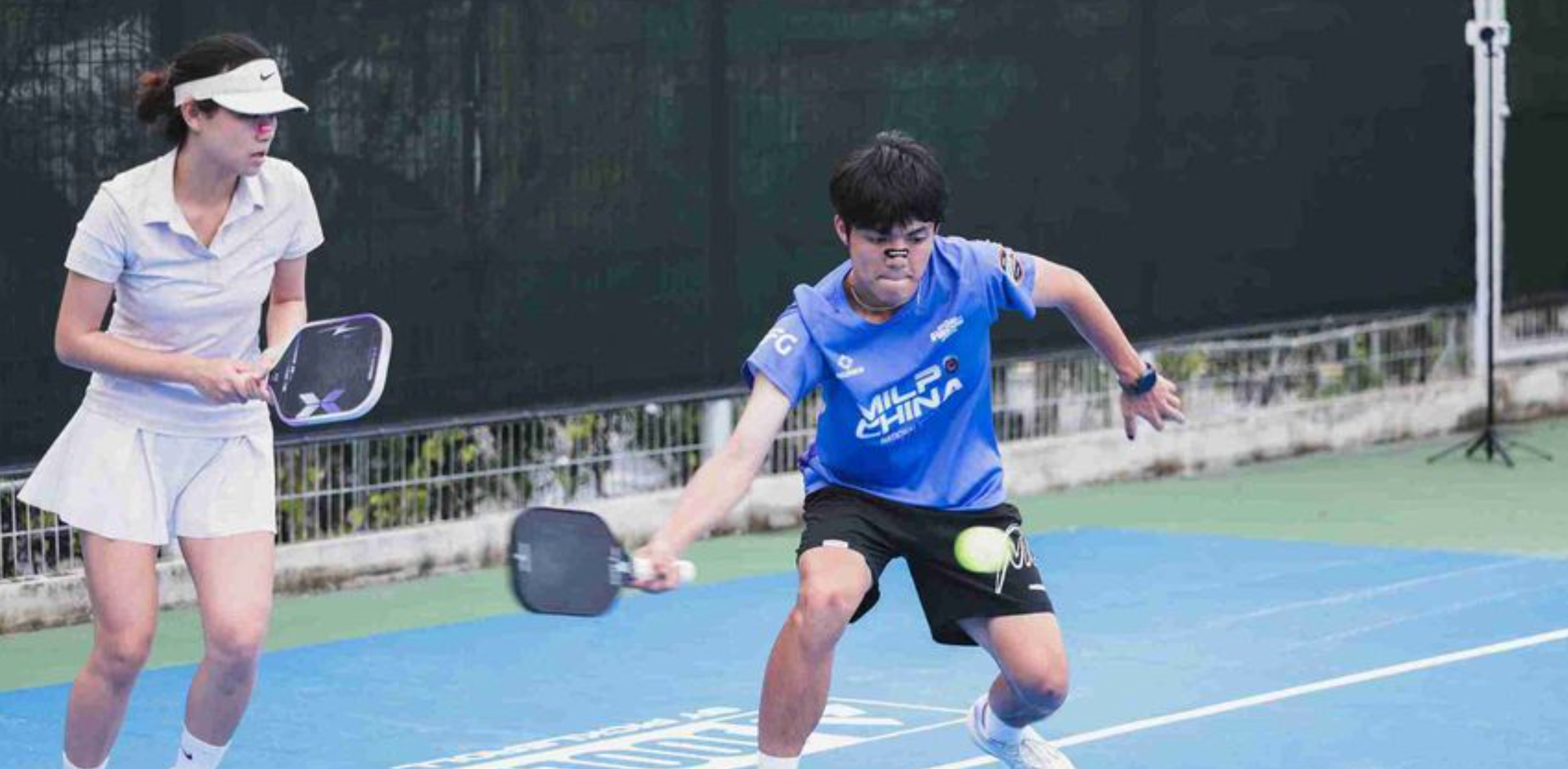
To find this position, place the paddle flat on a table and pick it up naturally. Your thumb should rest on the back face of the handle, creating a V-shape between your thumb and index finger that points toward your non-dominant shoulder.
Hand Placement Details
Your fingers should wrap around the handle with moderate pressure - firm enough for control but relaxed enough to allow wrist movement. The paddle becomes an extension of your forearm, not a separate tool you're wrestling with.
Common Grip Mistakes That Kill Your Game
The "frying pan" grip remains the most frequent error among new players. This involves holding the paddle with your palm directly behind the face, similar to gripping a pan handle. While it feels stable, this position severely limits your shot variety and power generation.
Another problematic approach is the "death grip" - squeezing the handle so tightly that your forearm muscles tense up. This tension travels up your arm and restricts the fluid motion necessary for consistent shots.
The Tennis Carry-Over Problem
Tennis players often struggle with grip adaptation because pickleball requires less grip variation between shots. The continental grip works for nearly every pickleball situation, unlike tennis where players frequently switch between forehand and backhand grips.
Fine-Tuning Your Grip Pressure
Grip pressure should fluctuate based on the shot you're executing. For soft shots like dinks and drops, maintain a lighter touch - about 4 out of 10 on the pressure scale. This allows for better touch and feel around the net.
Power shots require slightly firmer grip pressure, around 6-7 out of 10, but never squeeze so hard that you create muscle tension. The goal is controlled firmness, not white-knuckle intensity.
Practice Drills for Grip Mastery
Start with wall practice using your new grip. Stand three feet from a wall and hit gentle shots, focusing entirely on grip consistency rather than power or placement. This builds muscle memory without the pressure of actual gameplay.
Try the "grip check" drill during practice sessions. Between every few shots, consciously examine your hand position and make adjustments if needed. This awareness translates into automatic correct positioning over time.

Shadow Swing Sessions
Spend 5-10 minutes daily doing shadow swings with proper grip form. Move through different shot motions - forehand drives, backhand volleys, overhead smashes - while maintaining consistent hand positioning.
When to Adjust Your Grip
Certain specialized shots may require minor grip modifications. For extreme angle shots or defensive scrambling, slight adjustments can help, but these variations should build upon your solid continental foundation rather than replace it entirely.
Most recreational players benefit from sticking with the continental grip for 95% of their shots. Consistency in grip leads to consistency in results.
Frequently Asked Questions
How long does it take to feel comfortable with proper grip technique?
Most players need 2-3 weeks of consistent practice to make proper grip positioning feel natural. The key is conscious practice during every session until the correct hand position becomes automatic.
Should I use different grips for forehand and backhand shots?
No, the continental grip works effectively for both forehand and backhand shots in pickleball. Unlike tennis, pickleball's shorter court and different ball characteristics make grip changes unnecessary for most recreational players.
What if my hands are too small or large for standard grip techniques?
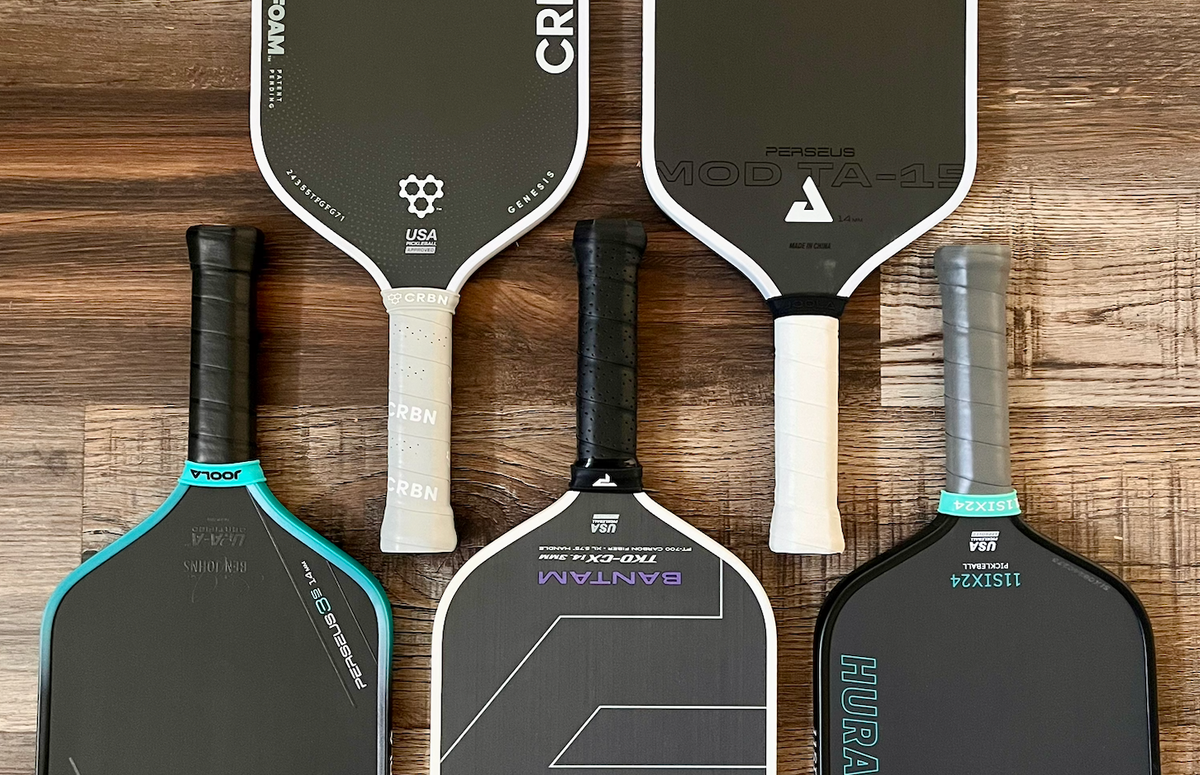
Hand size variations are normal and manageable. Smaller hands may need slightly thicker grip tape on the paddle handle, while larger hands might prefer thinner handles or minimal grip tape. The fundamental positioning principles remain the same regardless of hand size.