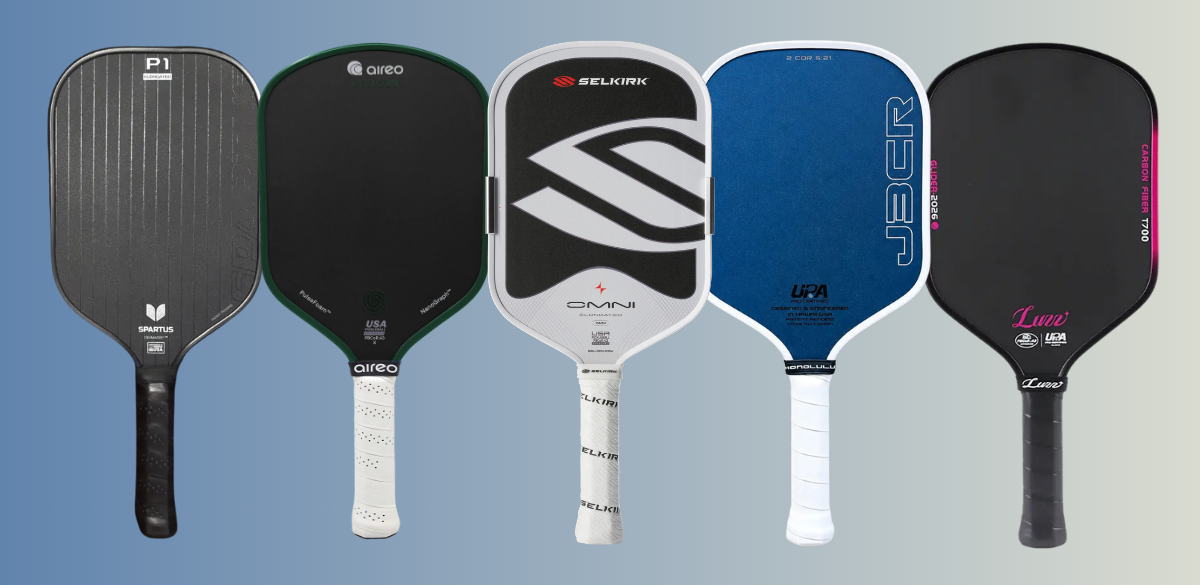
The year 2026 marked a pivotal moment in pickleball history, with paddle technology advancing at an unprecedented pace. From revolutionary materials to smart integration features, pickleball paddle technology changed dramatically in 2026, offering players enhanced performance, sustainability, and data-driven insights. These innovations have fundamentally altered how we approach the game, making paddles more responsive, durable, and environmentally conscious than ever before.
Smart Materials Revolution: The New Core Technology
The biggest breakthrough in 2026 was the introduction of adaptive polymer cores that respond to playing conditions in real-time. These materials automatically adjust their density based on temperature and humidity, ensuring consistent performance regardless of weather.
Key innovations include:
- Thermodynamic cores - Maintain optimal stiffness across temperature ranges
- Moisture-responsive surfaces - Automatically adjust grip texture based on humidity
- Memory foam integration - Reduces vibration while maintaining power transfer
- Nano-particle infusion - Enhances durability without adding weight
These materials have made paddles like the Sypik Triton 5 Pro review showcase how traditional craftsmanship combines with cutting-edge technology. The result is equipment that adapts to your playing style while maintaining the authentic feel that pickleball purists demand.
AI-Powered Design and Performance Analytics
Artificial intelligence transformed paddle design in 2026, with manufacturers using machine learning to optimize face patterns, weight distribution, and sweet spot placement based on millions of gameplay data points.
Embedded Sensor Technology
The most exciting development was the integration of micro-sensors within paddle handles. These nearly weightless components track:
- Swing speed and acceleration
- Impact location and force
- Spin rate and direction
- Shot accuracy patterns
Players can now sync their paddles with mobile apps to analyze performance metrics, similar to how our drill planner helps structure practice sessions. This data-driven approach has revolutionized training methods and helped players identify improvement areas with unprecedented precision.
Personalized Paddle Optimization
AI algorithms now analyze individual playing styles to recommend specific paddle configurations. This technology considers factors like swing mechanics, preferred shot types, and physical attributes to suggest optimal weight distribution and surface textures.
Sustainability Breakthrough: Eco-Friendly Manufacturing
Environmental consciousness reached new heights in 2026, with manufacturers introducing fully recyclable paddle materials and carbon-neutral production processes.
Major sustainability innovations included:
- Bio-based carbon fiber - Derived from renewable plant sources
- Recyclable honeycomb cores - Made from post-consumer materials
- Water-based adhesives - Eliminate harmful chemical emissions
- Solar-powered manufacturing - Reduces production carbon footprint by 80%
These developments addressed growing environmental concerns while maintaining performance standards. Many top-rated paddles in our rankings now feature eco-friendly construction without compromising quality or playability.
Enhanced Customization and Modularity
2026 introduced modular paddle systems allowing players to customize their equipment for specific playing conditions or opponents. This revolutionary approach made single paddles more versatile than entire collections from previous years.
Interchangeable Components
Advanced magnetic attachment systems enabled quick swapping of:
- Face materials for different spin characteristics
- Handle grips optimized for various weather conditions
- Weight cartridges for balance adjustments
- Edge guards designed for specific court surfaces
This modularity proved especially valuable for tournament players who needed to adapt quickly between matches. The technology also made high-quality paddles more accessible, as players could upgrade components gradually rather than purchasing entirely new equipment.
3D-Printed Custom Components
On-demand 3D printing became mainstream in 2026, allowing players to create custom handles, weights, and even specialized face textures. This technology democratized paddle customization and enabled rapid prototyping of new designs.
Improved Durability and Longevity
Advanced manufacturing techniques in 2026 significantly extended paddle lifespan while maintaining consistent performance throughout their usage cycle.
Durability improvements included:
- Self-healing surfaces - Minor scratches automatically repair over time
- Reinforced edge construction - Reduces chipping and cracking
- UV-resistant coatings - Prevents degradation from sun exposure
- Impact-dispersal technology - Distributes force to prevent localized damage
These advances addressed common durability issues while reducing long-term costs for players. Enhanced longevity also supported sustainability goals by reducing equipment replacement frequency.
For detailed analysis of how these technologies perform in real-world conditions, check out our comprehensive paddle reviews section, where we test the latest innovations against traditional designs.
FAQ: What Changed in Pickleball Paddle Technology in 2026?
Q: Are smart paddles with sensors legal for tournament play?
A: Most tournament organizations approved sensor-equipped paddles in late 2026, provided the sensors don't actively alter gameplay. The sensors must be passive monitoring devices that don't provide real-time feedback during matches. Always check current regulations with your specific tournament organizer.
FAQ: How Much Do Advanced 2026 Paddles Cost?
Q: Do the new technology features significantly increase paddle prices?
A: While cutting-edge models with full AI integration and modular systems range from $300-500, many 2026 innovations filtered down to mid-range paddles ($150-250). Basic models incorporating new materials and improved durability remained accessible at traditional price points ($80-150).
FAQ: Should I Upgrade to 2026 Technology?
Q: Is it worth upgrading from older paddle technology?
A: If your current paddle serves you well, gradual upgrading makes sense. However, players seeking improved consistency, durability, or data-driven performance insights will find significant benefits in 2026 technology. The modular systems offer excellent value for players wanting flexibility without multiple paddle purchases.