Ever wonder how professional pickleball players position themselves perfectly for shots that haven't even been hit yet? The answer lies in developing exceptional court anticipation skills that transform good players into great ones.
Professional anticipation isn't about guessing—it's about reading subtle visual cues that reveal your opponent's intentions before they execute their shot. This skill separates recreational players from competitive athletes.
The Science Behind Shot Prediction
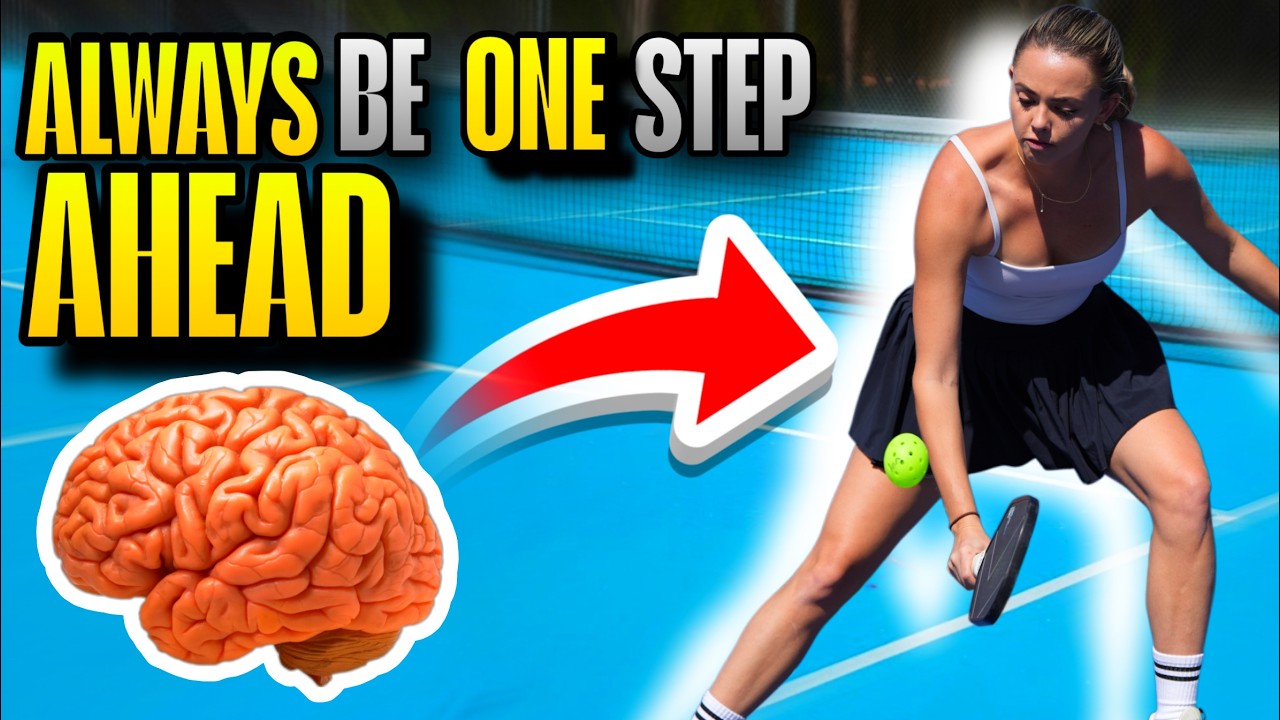
Court anticipation combines three critical elements: body language interpretation, paddle positioning awareness, and pattern recognition. Top players unconsciously process hundreds of micro-signals during each point.
Your opponent's shoulder angle, hip rotation, and paddle preparation all telegraph their shot selection. Professional players train their eyes to catch these tells, giving them a crucial split-second advantage.
Reading Body Language Cues
Start by observing your opponent's torso positioning. Players naturally rotate toward their intended target, creating subtle body angles that reveal shot direction.
Key Physical Indicators
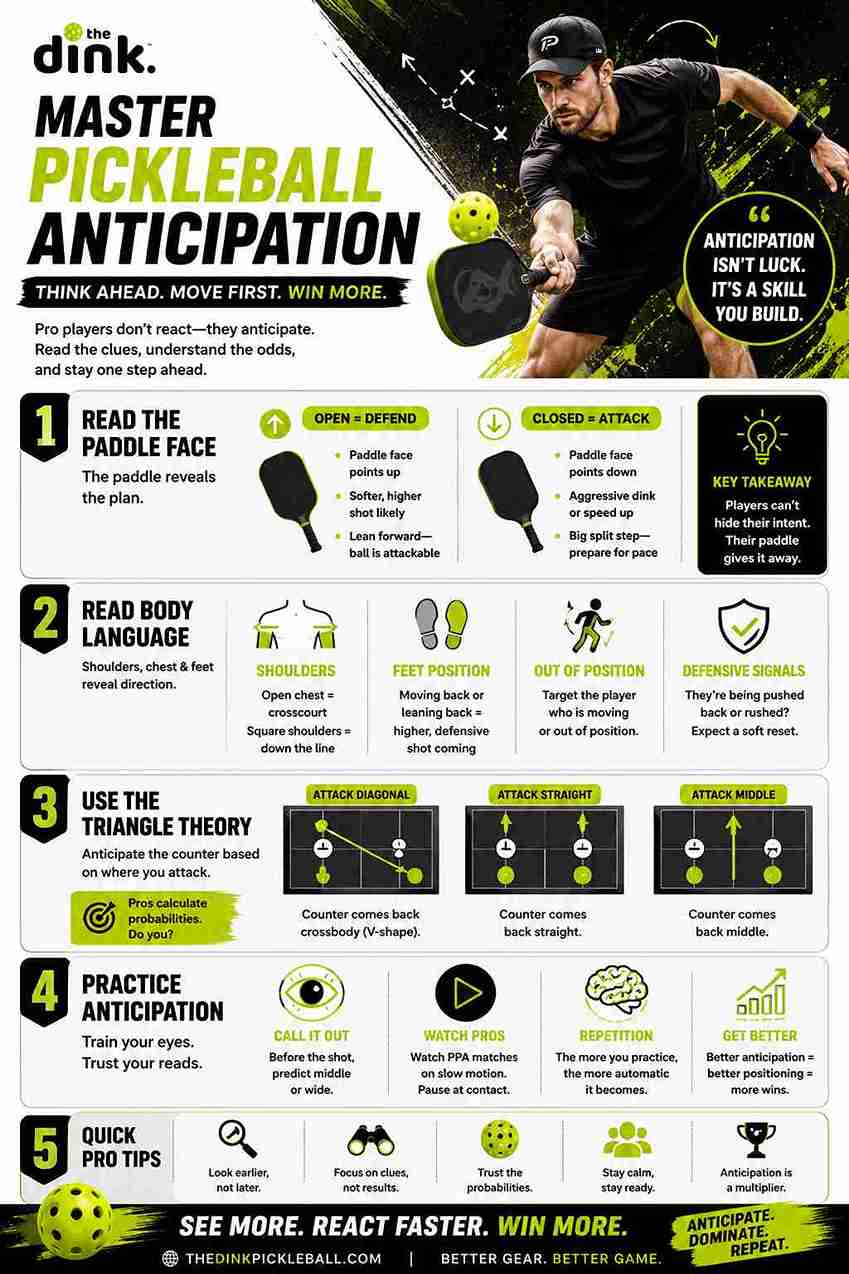
- Shoulder positioning: Open shoulders indicate cross-court shots, while closed shoulders suggest down-the-line attempts
- Weight distribution: Forward weight typically means aggressive shots, backward weight suggests defensive plays
- Eye movement: Many players inadvertently glance toward their target before striking
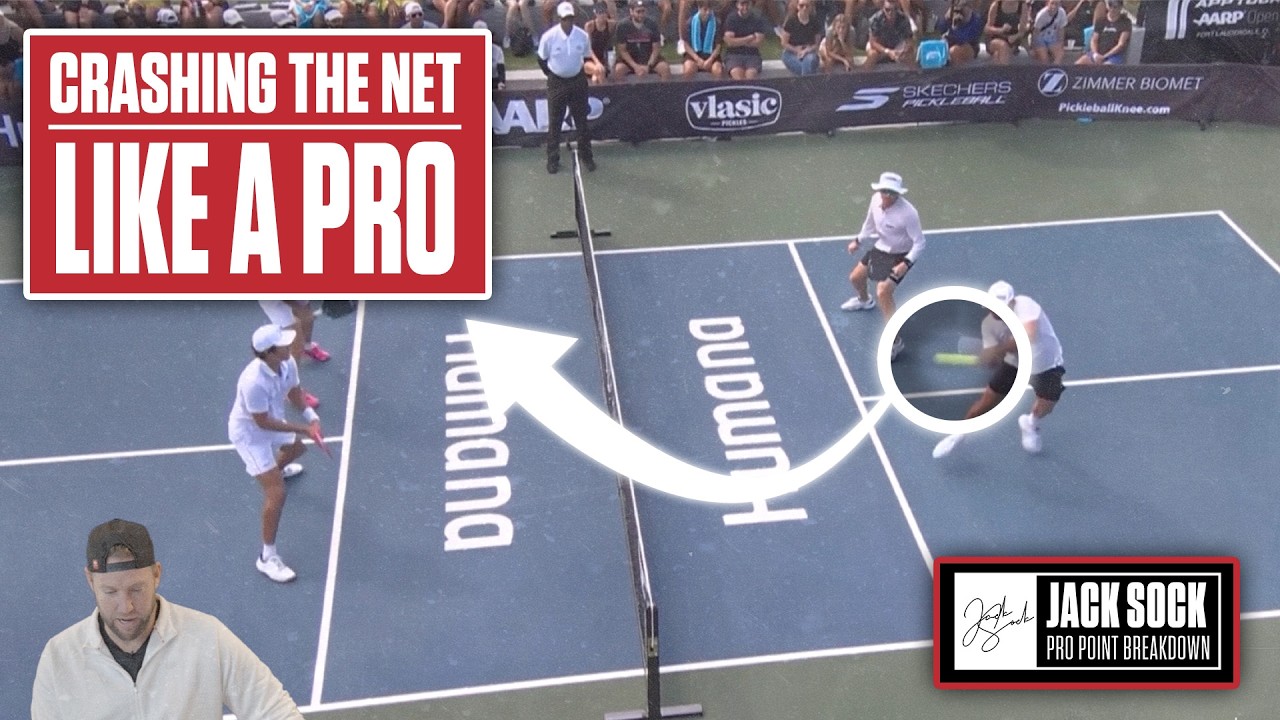
Practice focusing on one body part at a time during recreational games. Start with shoulders, then gradually incorporate other visual cues as your observation skills improve.
Decoding Paddle Positioning
Paddle angle and height provide the most reliable shot prediction information. High paddle positions typically indicate power shots, while low positions suggest drops or dinks.
Watch for paddle face orientation during the backswing. Open faces create lift for defensive lobs, while closed faces generate topspin for aggressive drives.
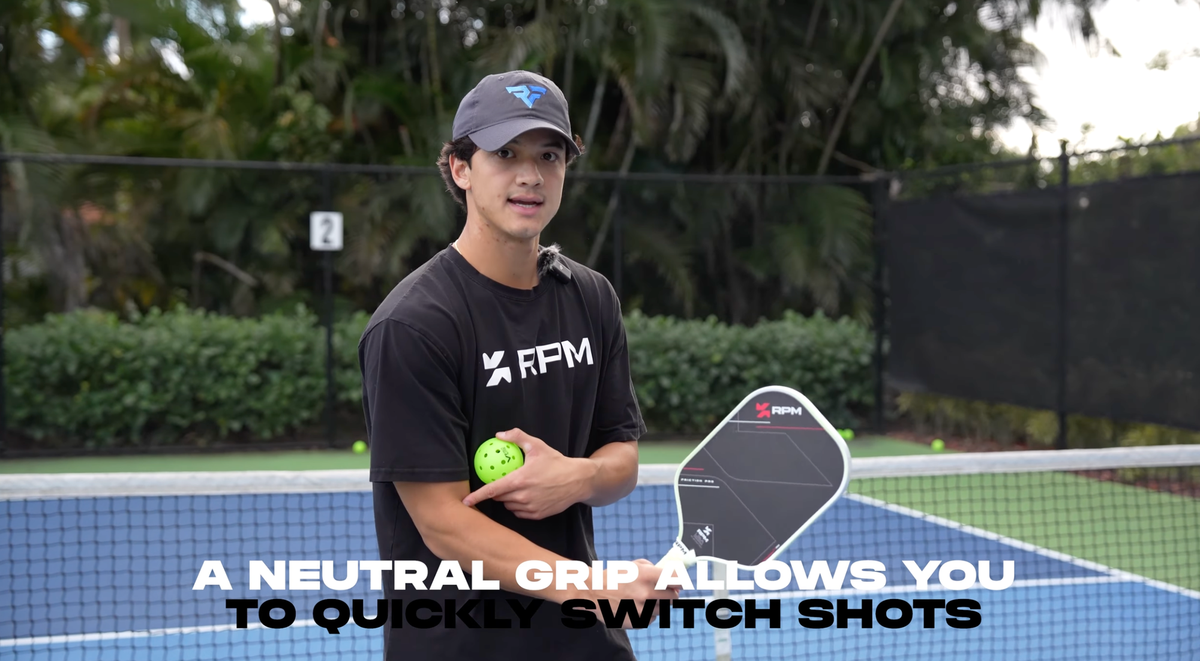
Common Paddle Tells
- Early paddle preparation: Signals planned aggression
- Late preparation: Often results in defensive returns
- Paddle behind the body: Usually produces cross-court shots
Recognizing Shot Patterns
Most players develop predictable tendencies under pressure. Document your regular opponents' preferences in different court positions and game situations.
Common patterns include favoring forehands during defensive situations, targeting the middle during fast exchanges, and reverting to comfortable shots when trailing in points.
Developing Court Awareness Drills
Improve anticipation through targeted practice exercises that sharpen your observational skills and reaction timing.
Mirror Drill
Stand across from a partner who performs various shot motions without hitting balls. Try predicting their intended shot direction based solely on body positioning and paddle angle.
Pattern Recognition Exercise
During practice games, call out your opponent's next shot before they hit it. Track your accuracy percentage and identify which visual cues provide the most reliable information.

Mental Game Integration
Anticipation skills require calm mental processing under competitive pressure. Develop pre-point routines that center your focus on reading opponents rather than worrying about your own technique.
Stay relaxed between points to maintain sharp observational awareness. Tension reduces peripheral vision and slows cognitive processing of visual cues.
Advanced Positioning Strategies
Use anticipation skills to gain optimal court positioning before your opponent strikes the ball. Small positional advantages compound into significant tactical benefits throughout matches.
Practice subtle weight shifts and split-steps that allow quick movement in multiple directions based on your shot predictions.
Frequently Asked Questions
How long does it take to develop good anticipation skills?
Most players notice improvement within 2-3 weeks of focused practice, but mastering advanced anticipation typically requires 6-12 months of consistent training and match experience.
Should I focus on one opponent or try to read both during doubles?
Start by reading the player most likely to hit the next shot, then gradually expand awareness to include both opponents as your skills develop. Beginners should focus on one player initially.
What's the biggest mistake players make when learning anticipation?
Over-committing to predicted shots too early. Maintain balanced positioning until you're certain of the shot direction, then react decisively based on your read.