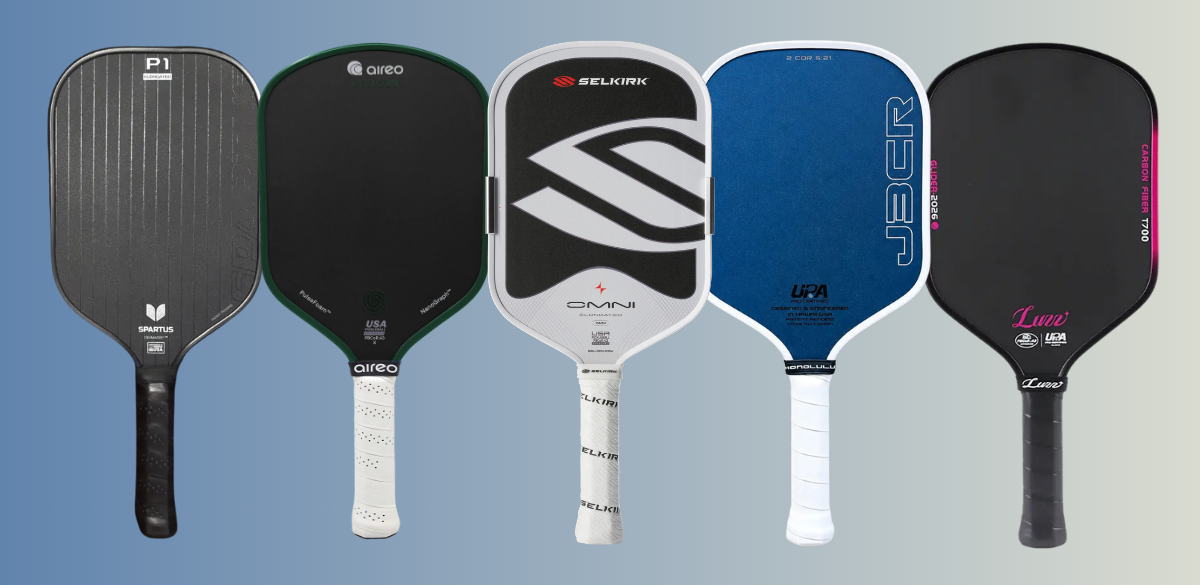
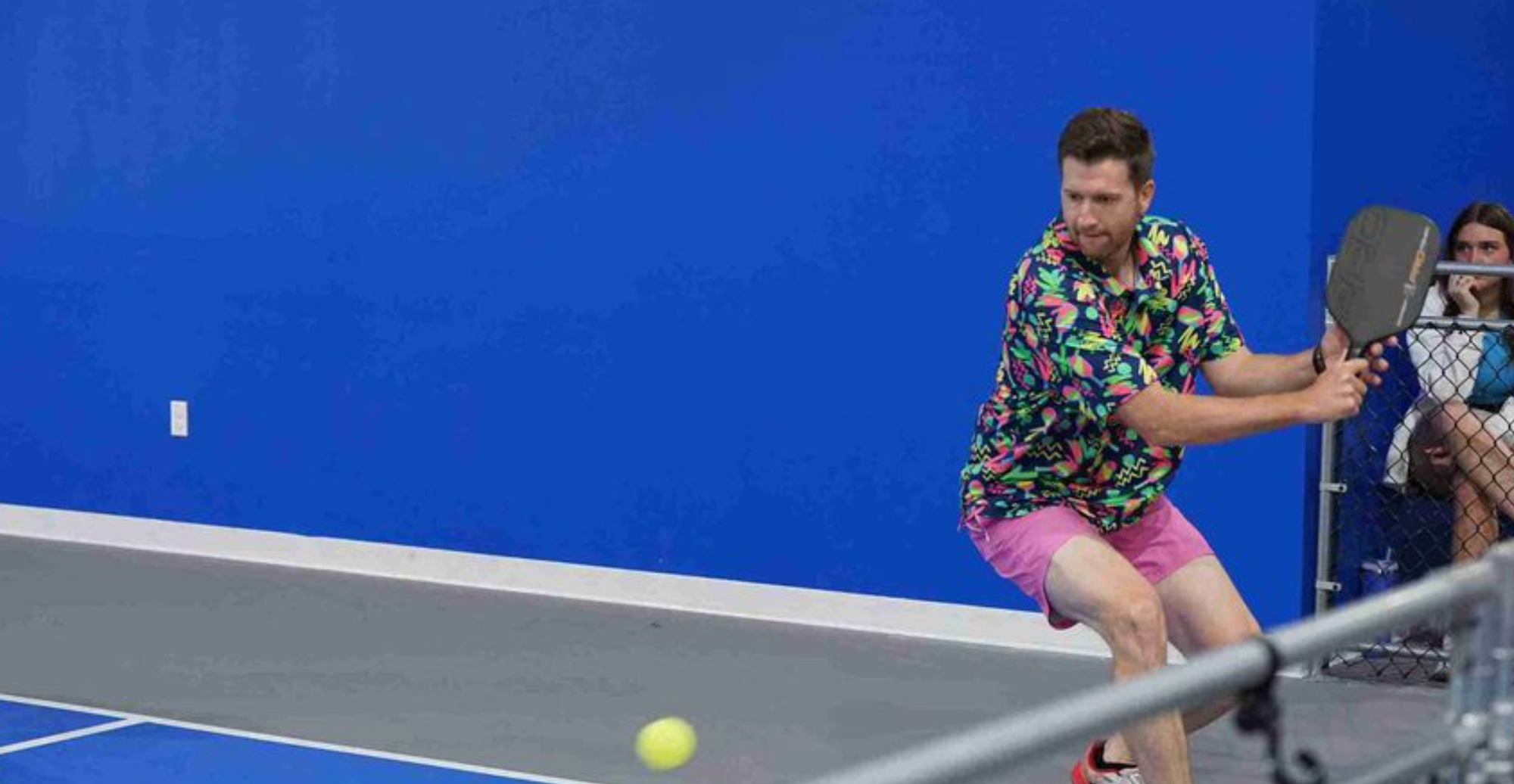
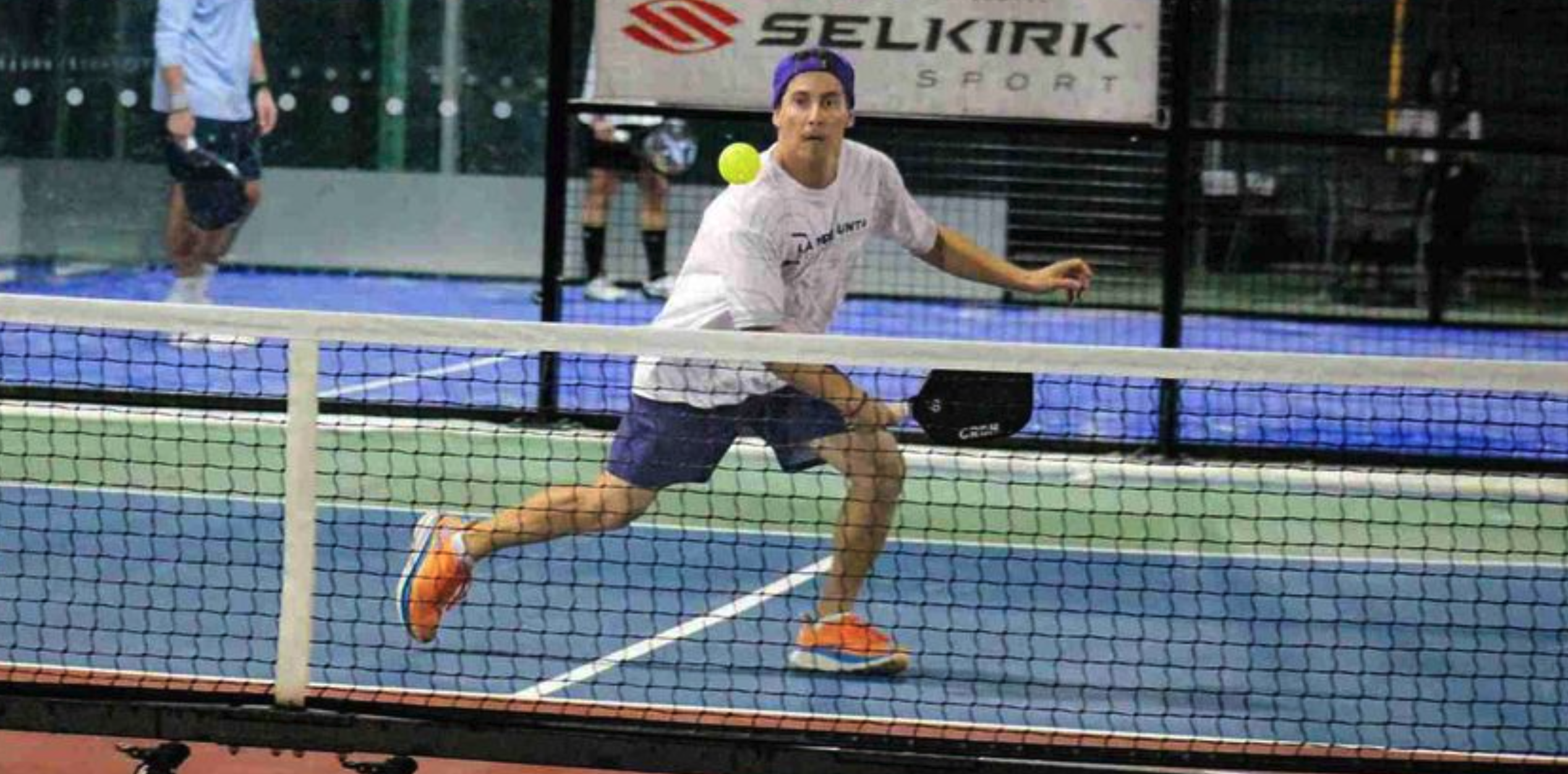
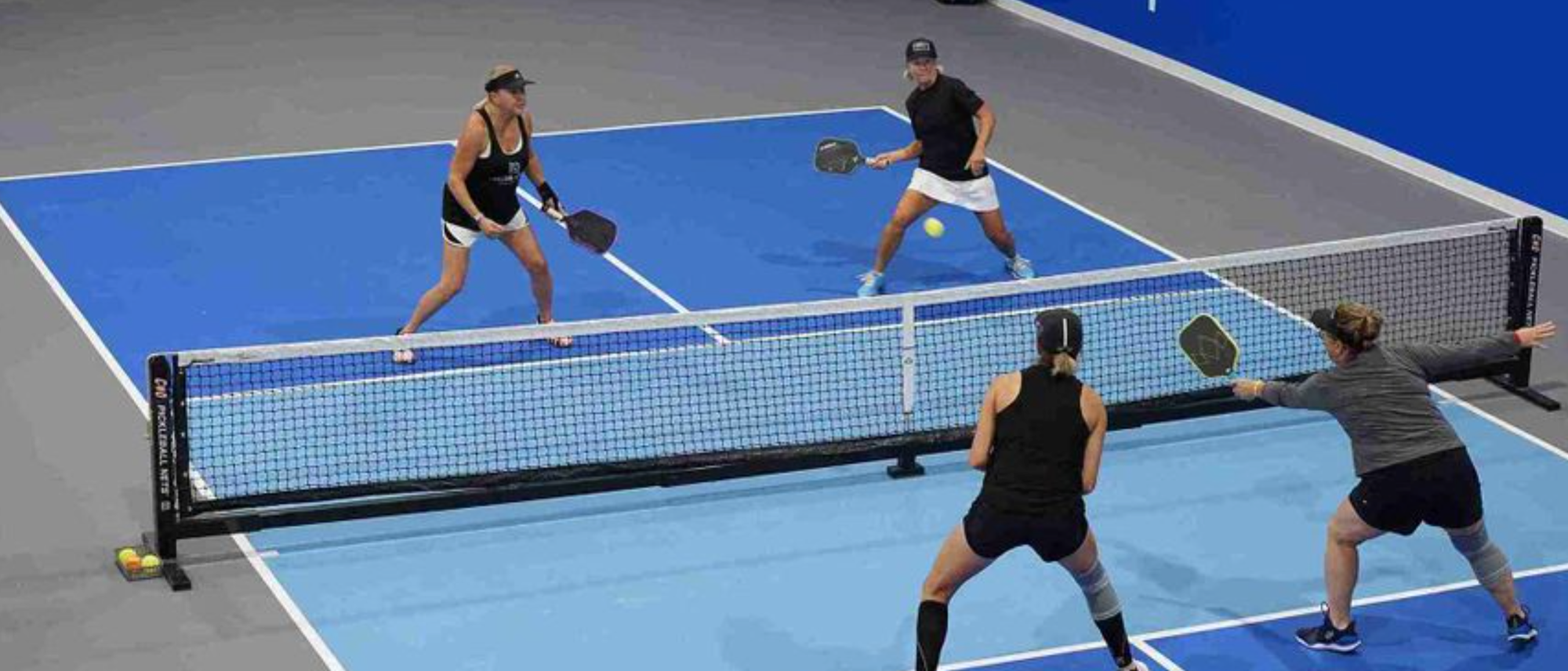
The debate between raw carbon face vs coated pickleball paddles has become one of the most important considerations for serious players. Your paddle's surface texture directly impacts spin generation, ball control, and overall performance on the court. Understanding these differences will help you make an informed decision that matches your playing style and skill level.
What Makes Raw Carbon Paddles Different
Raw carbon paddles feature an uncoated carbon fiber surface that provides maximum texture and grip on the ball. This exposed carbon weave creates a rougher playing surface compared to traditional coated paddles.
Key Characteristics of Raw Carbon
- Enhanced spin potential: The textured surface grabs the ball for superior topspin and slice shots
- Increased ball bite: More friction between paddle and ball during contact
- Responsive feel: Direct connection between player and ball without coating interference
- Weather sensitivity: Performance can vary with humidity and temperature changes
Raw carbon faces excel in generating heavy topspin drives and create more pronounced ball rotation. This makes them particularly effective for aggressive baseline play and third shot drops that require precise spin control.
Understanding Coated Paddle Surfaces
Coated pickleball paddles feature a protective layer applied over the carbon fiber face. This coating can be polymer-based, textured paint, or specialized grip coatings designed to balance durability with performance.
Benefits of Coated Surfaces
- Consistent performance: Weather conditions have minimal impact on play characteristics
- Enhanced durability: Protective coating extends paddle lifespan
- Predictable ball response: Uniform surface provides reliable shot consistency
- Lower maintenance: Easier to clean and maintain over time
Coated paddles offer excellent all-around performance and work well for players who prioritize consistency over maximum spin generation. They're particularly suitable for control-oriented players who focus on placement and strategy.
Performance Comparison: Spin and Control
The most significant difference between raw carbon and coated surfaces lies in spin generation and ball control characteristics. Understanding these performance distinctions helps match paddle choice to playing style.
Spin Generation
Raw carbon paddles typically generate 15-25% more spin than coated alternatives due to increased surface friction. This translates to:
- More effective topspin drives that dip quickly into the court
- Enhanced slice serves with pronounced side-to-side movement
- Superior drop shot control with precise spin placement
Shot Consistency
Coated paddles excel in shot-to-shot consistency, offering:
- Predictable ball response across various court conditions
- Stable performance during extended play sessions
- Reliable power transfer for drive shots and volleys
For players looking to improve their game systematically, using our drill planner can help you practice specific techniques that work best with your chosen paddle surface.
Durability and Maintenance Considerations
Long-term paddle performance depends significantly on surface durability and maintenance requirements. Raw carbon and coated paddles have distinctly different care needs and lifespan expectations.
Raw Carbon Maintenance
- Surface wear: Gradually smooths over time, reducing spin potential
- Cleaning requirements: Requires gentle cleaning to preserve texture
- Environmental factors: More susceptible to humidity and temperature effects
- Replacement timeline: May need replacement sooner due to surface degradation
Coated Paddle Care
- Protective layer: Coating shields underlying carbon from direct wear
- Easy maintenance: Simple cleaning with mild soap and water
- Consistent performance: Maintains characteristics longer than raw surfaces
- Extended lifespan: Generally lasts longer with proper care
When considering paddle longevity, factor in your playing frequency and court conditions. Heavy players might benefit from checking our comprehensive paddle reviews to find the most durable options for their needs.
Choosing the Right Surface for Your Game
Selecting between raw carbon and coated surfaces depends on your playing style, skill level, and performance priorities. Consider these factors when making your decision.
Raw Carbon is Ideal For:
- Advanced players who maximize spin in their strategy
- Aggressive baseline players who rely on heavy topspin
- Players comfortable with variable paddle performance
- Those willing to replace paddles more frequently
Coated Surfaces Work Best For:
- Players prioritizing shot consistency and reliability
- All-court players who need balanced performance
- Those playing in varying weather conditions
- Players seeking maximum paddle longevity
The Sypik Triton 5 Pro review showcases an excellent example of how modern coated paddles can deliver both performance and durability for serious players.
Check our latest rankings to see how different surface types perform across various categories and find the perfect match for your playing style.
Frequently Asked Questions
Does raw carbon always provide more spin than coated paddles?
While raw carbon generally offers superior spin potential, some advanced textured coatings can approach similar levels of ball grip. The difference is most noticeable in heavy topspin situations and decreases as raw carbon surfaces wear smooth over time.
How long do raw carbon paddles maintain their spin characteristics?
Raw carbon paddles typically maintain peak spin performance for 3-6 months of regular play, depending on usage frequency and playing style. The surface gradually smooths out, reducing spin potential but often improving consistency for some players.
Are coated paddles better for beginners than raw carbon options?
Coated paddles are generally more forgiving for beginners because they provide consistent ball response and are less affected by technique variations. The predictable performance helps new players develop fundamental skills before transitioning to more specialized surface textures if desired.