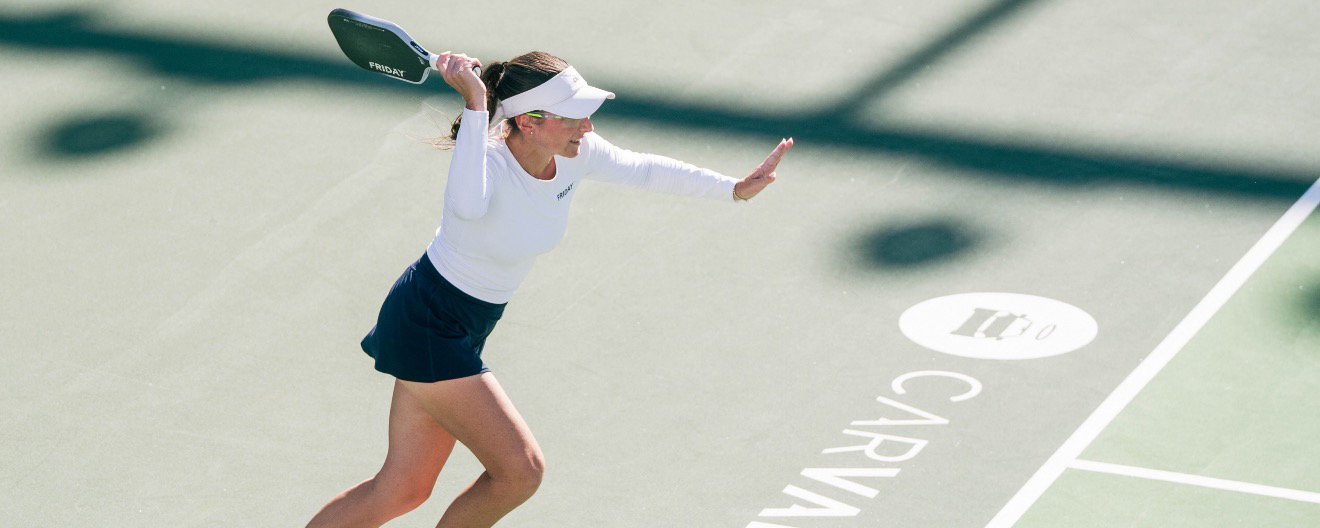
While players obsess over perfecting their third shot drops and kitchen volleys, PPA professional Kelly Goodnow argues that the return of serve deserves far more attention. In fact, she considers it the single most decisive shot in pickleball.
This perspective challenges conventional wisdom in a sport where debate rages about which technique matters most. However, Goodnow's reasoning is compelling: without an effective return of serve, you surrender control of the entire point before it truly begins.
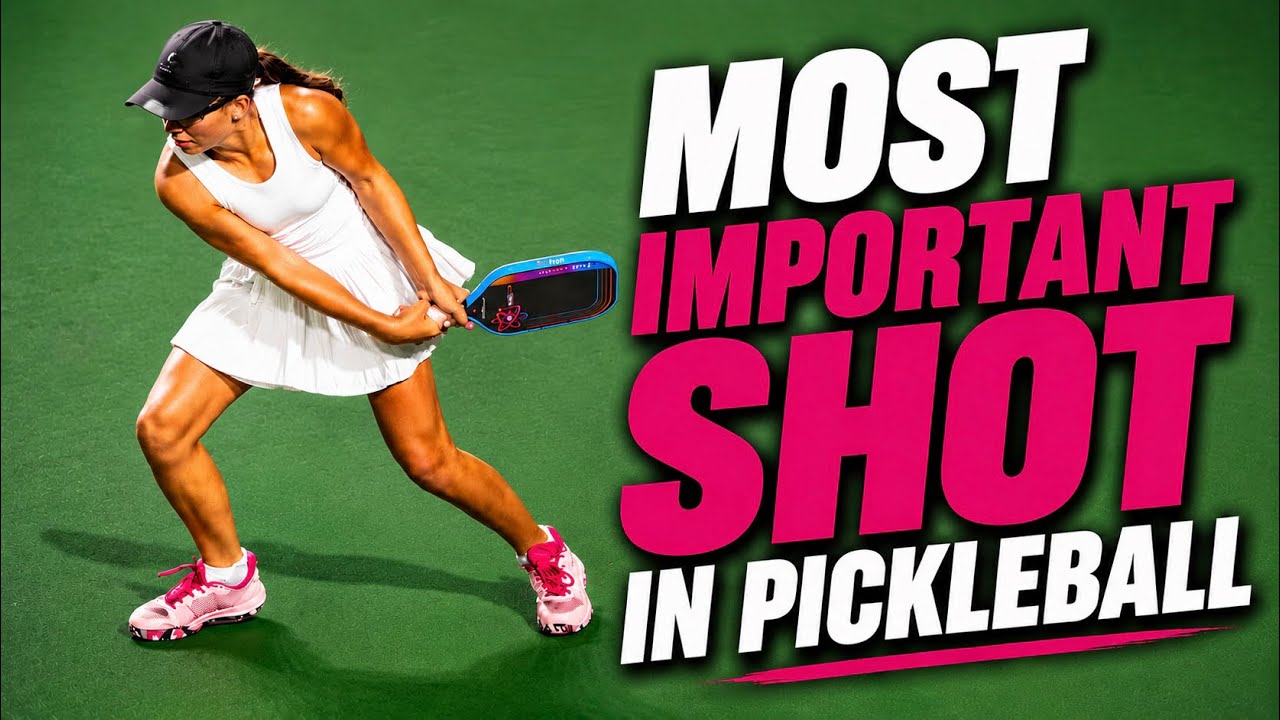
Why the Return of Serve Controls Everything
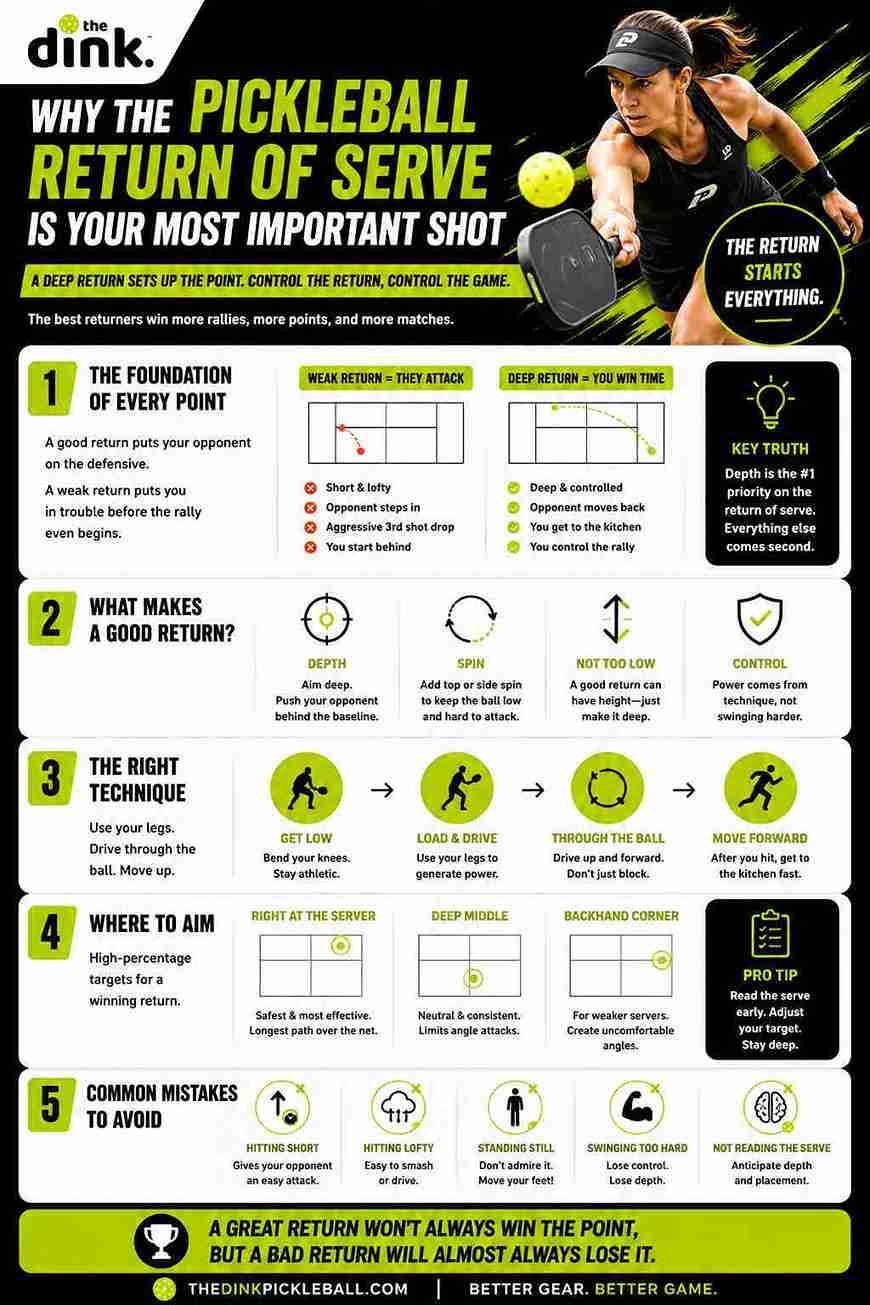
The return of serve sets the tactical foundation for every rally. A weak, short return allows the serving team to maintain their aggressive positioning and dictate play from the baseline. Conversely, a deep, well-placed return forces the serving team into defensive mode immediately.
Think of it this way: the server gets one free shot to start the point. Your return is your opportunity to neutralize that advantage and shift momentum in your favor. Miss this chance, and you're playing catch-up for the remainder of the rally.
The Anatomy of a Championship-Level Return
Depth Is Everything
Professional players consistently emphasize depth when discussing return strategy. A return that lands deep in the court—ideally within three feet of the baseline—accomplishes several critical objectives:
- Forces the serving team to hit their third shot from behind the baseline
- Provides maximum time for the returning team to advance to the kitchen line
- Reduces the server's angle options for their next shot
- Creates pressure that often leads to unforced errors
Consistency Over Power
Many recreational players make the mistake of trying to hit return winners. This aggressive approach typically backfires, resulting in errors that hand easy points to opponents. Elite players focus on consistency and placement rather than pace.
A controlled return with moderate pace that consistently finds the deep court will frustrate opponents far more effectively than spectacular winners mixed with frequent mistakes.
Common Return of Serve Mistakes
Even experienced players fall into predictable traps when returning serve. Understanding these pitfalls helps you avoid them in your own game:
The Short Return Trap: Returning the ball short allows the serving team to hit an aggressive third shot, maintaining their offensive advantage.
The High Ball Error: Floating returns that sit up in the strike zone become easy targets for put-away shots.
The Predictable Pattern: Always returning to the same location makes you easy to read and counter.
Strategic Return Placement
While depth remains the primary concern, intelligent return placement can create additional advantages. Consider these tactical options:
Cross-Court Returns: Provide the largest margin for error while keeping the ball away from the net player.
Down-the-Line Returns: Effective when executed with precision, though they offer less room for error.
Body Returns: Occasionally targeting the server's body can disrupt their rhythm and limit their third shot options.
Building Your Return Game
Developing a reliable return of serve requires dedicated practice and mental preparation. Focus on these key elements during training:
Start with slow, controlled swings that emphasize depth and consistency. Gradually increase pace only after achieving reliable depth. Practice returning different types of serves—hard, soft, and spin serves—to prepare for various game situations.
Mental preparation is equally important. Develop a pre-return routine that helps you focus and prepare for each serve. Stay balanced on your feet and ready to move in any direction.
The Ripple Effect of Great Returns
When you consistently execute quality returns, the positive effects extend beyond individual points. Servers begin to feel pressure, often leading to service errors or tentative serving. Your confidence grows, and your overall court positioning improves as you develop trust in this fundamental skill.
Remember Kelly Goodnow's insight: the return of serve might not be the most glamorous shot in pickleball, but it's arguably the most important. Master this skill, and watch your game reach new levels.
Frequently Asked Questions
What's the ideal target area for pickleball returns?
Aim for the deep court area within 2-3 feet of the baseline. This depth forces the serving team into defensive positions while giving you time to advance to the kitchen line.
Should I try to return serves with topspin or keep it flat?
Focus on consistency over spin initially. A controlled, flat return with good depth is more valuable than a spinny return that lands short or goes out frequently.
How can I improve my return of serve consistency?
Practice returning different serve types regularly, focusing on depth rather than power. Develop a consistent ready position and footwork pattern, and always complete your follow-through toward your target area.