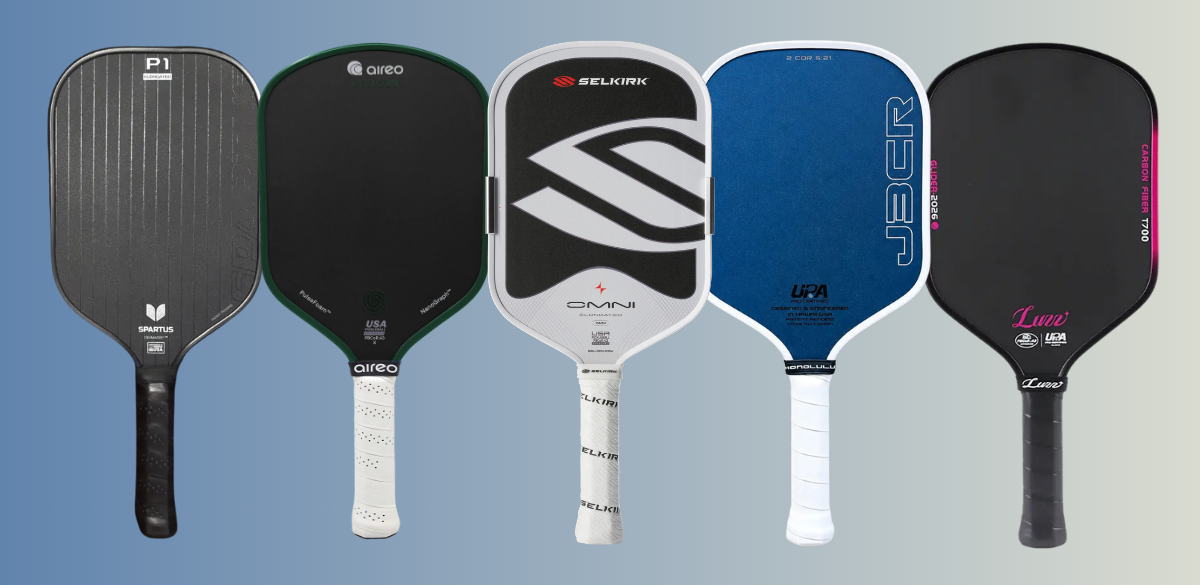
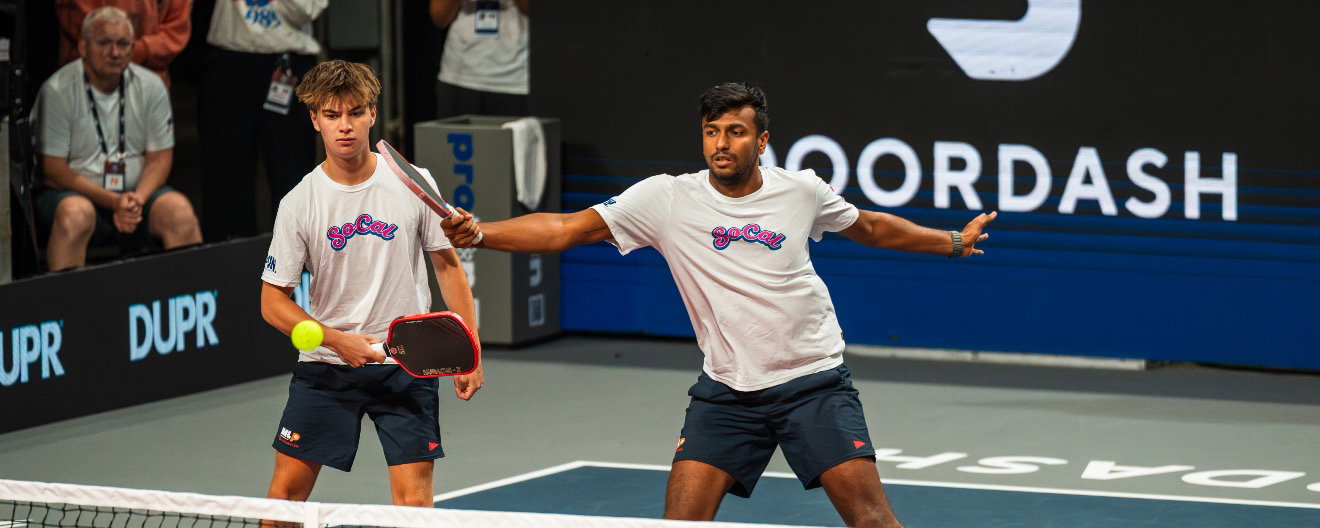
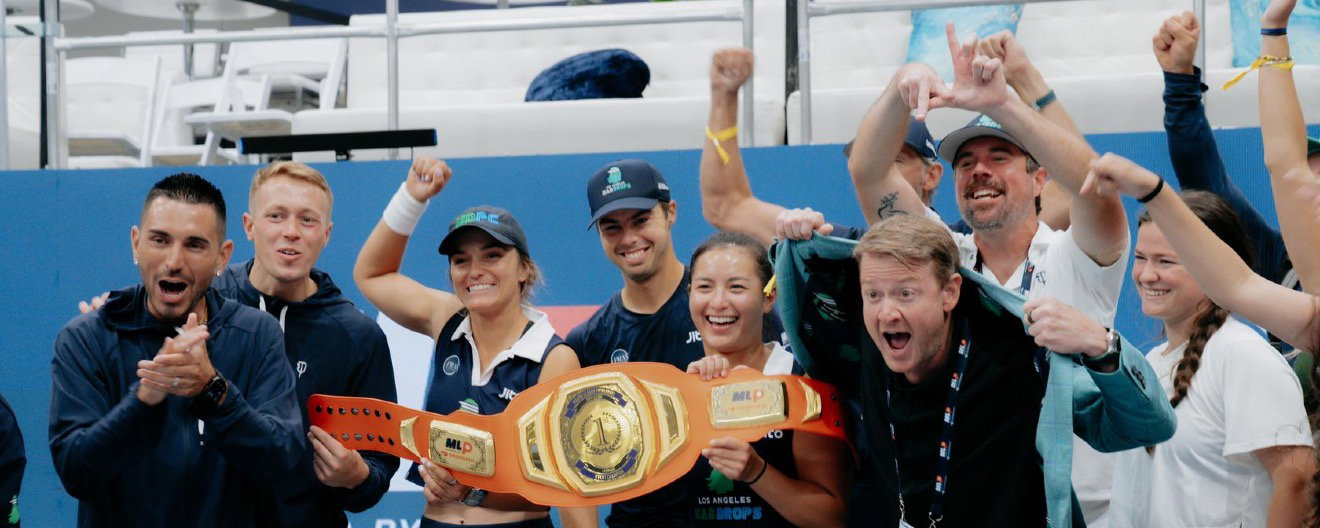
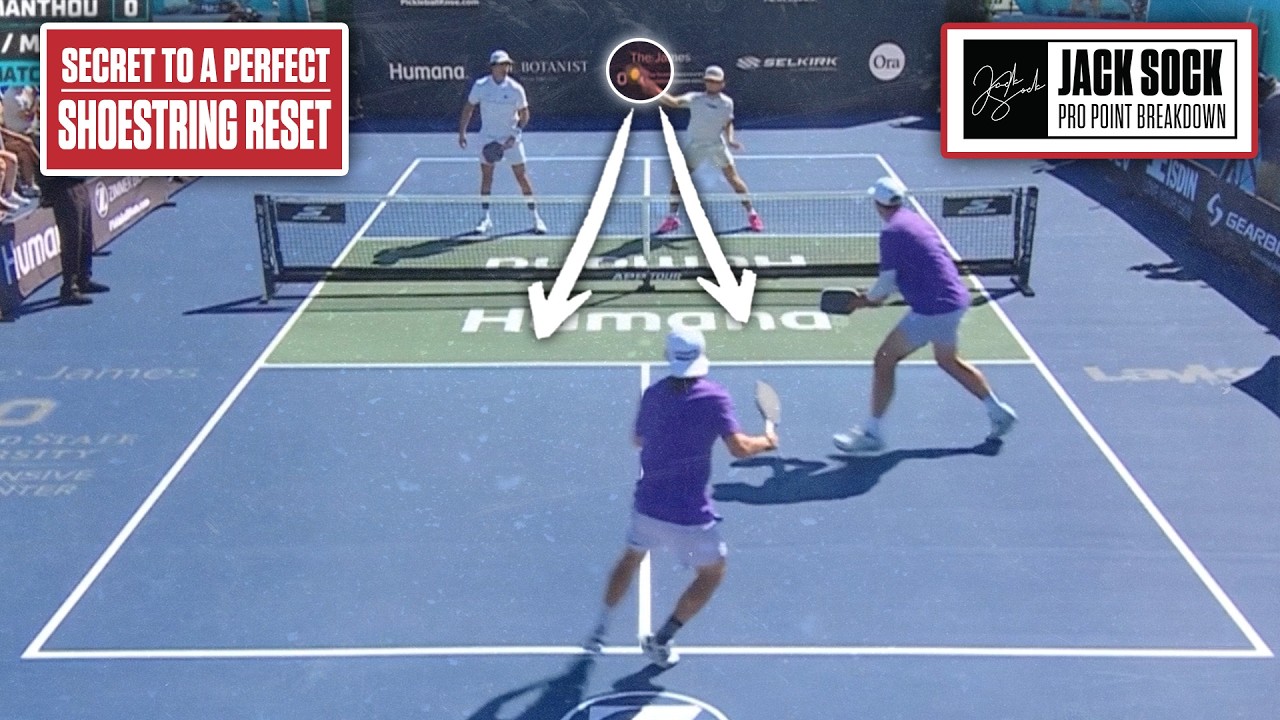
The pickleball world is buzzing after Selkirk Sport announced its acquisition of Bread & Butter Pickleball, and the community's immediate polarized reaction reveals everything about what's at stake. This isn't just another corporate buyout—it's a high-risk gamble that could either transform how pickleball brands connect with players or become a masterclass in how to destroy authentic community engagement.
The Bold Strategy Behind This Unexpected Partnership
Selkirk didn't acquire Bread & Butter for its paddle technology or manufacturing capabilities. They bought something far more valuable and infinitely harder to replicate: genuine community loyalty. While most pickleball brands struggle to differentiate themselves beyond technical specifications and professional endorsements, B&B carved out a unique space by embracing an unapologetically bold personality that resonated with players tired of corporate sanitization.
The acquisition represents a fascinating clash of philosophies. Selkirk has built its reputation through methodical engineering, professional partnerships, and measured growth. Bread & Butter thrived on irreverence, direct community engagement, and a willingness to say what others wouldn't. Merging these approaches could create an unprecedented powerhouse—or spectacular failure.
Why This Deal Makes Perfect Business Sense
From Selkirk's perspective, the acquisition addresses a critical gap in their market positioning. Despite their technical excellence and professional credibility, they've struggled to capture the passionate loyalty that drives viral marketing and organic community growth. B&B's followers don't just buy paddles; they become brand evangelists who actively promote and defend their chosen equipment.
The timing is strategically brilliant. As pickleball explodes into mainstream consciousness, brands need more than quality products—they need authentic connections with diverse player demographics. Bread & Butter's edgy approach appeals to younger players and those seeking alternatives to traditional sports marketing, segments that represent pickleball's future growth potential.
The Financial Logic
Acquiring an established brand with proven community engagement costs significantly less than building equivalent loyalty from scratch. Marketing experts estimate that developing comparable brand recognition and emotional connection could require years of campaign investment with uncertain results. By purchasing B&B, Selkirk gains immediate access to an engaged audience and proven marketing strategies.
The Massive Risks That Could Derail Everything
However, this acquisition carries substantial dangers that extend beyond typical business integration challenges. Bread & Butter's appeal stems largely from its perceived authenticity and independence—qualities that corporate oversight could inadvertently destroy.
The pickleball community has already expressed skepticism about whether B&B can maintain its distinctive voice under corporate ownership. If Selkirk attempts to moderate the brand's edgier content or sanitize its messaging, they risk alienating the exact audience they paid to access. The backlash from disappointed fans could damage both brands' reputations and create lasting market share losses.
Integration Complexities
Managing two distinct brand identities within a single organization requires exceptional strategic finesse. Selkirk must maintain B&B's rebellious independence while leveraging synergies in manufacturing, distribution, and research development. This balancing act becomes more complex when considering how each brand's existing customers might react to association with the other.
The Path to Success: What Needs to Happen
For this acquisition to succeed, Selkirk must resist the temptation to impose corporate conformity on Bread & Butter's operations. The smartest approach involves providing resources and infrastructure support while granting creative autonomy for brand messaging and community engagement strategies.
Success requires treating B&B as a separate entity that happens to share corporate ownership rather than a subsidiary requiring cultural assimilation. This means maintaining distinct social media voices, marketing approaches, and even competitive strategies when appropriate.
The ultimate test will be whether Bread & Butter's community continues engaging authentically after the acquisition becomes fully operational. If the brand maintains its distinctive personality while gaining access to enhanced resources, both companies could achieve unprecedented market positions.
Frequently Asked Questions
Will Bread & Butter paddles change after the Selkirk acquisition?
While specific product roadmaps haven't been announced, the acquisition could provide B&B access to Selkirk's advanced materials and manufacturing processes, potentially improving quality while maintaining design philosophy. However, dramatic changes could alienate existing customers who chose B&B for its current offerings.
How will this affect pricing for both brands?
Pricing strategies will likely remain separate initially, as both brands serve different market segments. However, long-term pricing could benefit from shared manufacturing efficiencies and bulk purchasing power, though premium positioning for both brands suggests prices won't decrease significantly.
What happens to Bread & Butter's controversial marketing style?
This represents the acquisition's biggest question mark. B&B's edgy marketing drove its community growth, but corporate oversight might require moderation. The brand's future success depends heavily on maintaining its authentic voice while operating under corporate ownership.