Breaking through to 5.0 level pickleball isn't about perfecting isolated skills—it's about developing a comprehensive training system that integrates every aspect of your game. Elite players understand that reaching competitive excellence requires structured practice sessions that build consistency across multiple skill sets simultaneously.
Professional coach Cori Elliott recently demonstrated this philosophy in action, showcasing a complete training session with partner Ant Tran that reveals the methodology behind elite-level preparation. Their approach challenges the common misconception that grinding individual techniques will eventually lead to breakthrough performance.

The Foundation: Integrated Skill Development
The key difference between recreational and competitive players lies in their training approach. While many players focus on isolated drills, elite performers use integrated practice sessions that mirror real game scenarios. This method develops the neural pathways necessary for seamless transitions between different shots and strategies during competitive play.
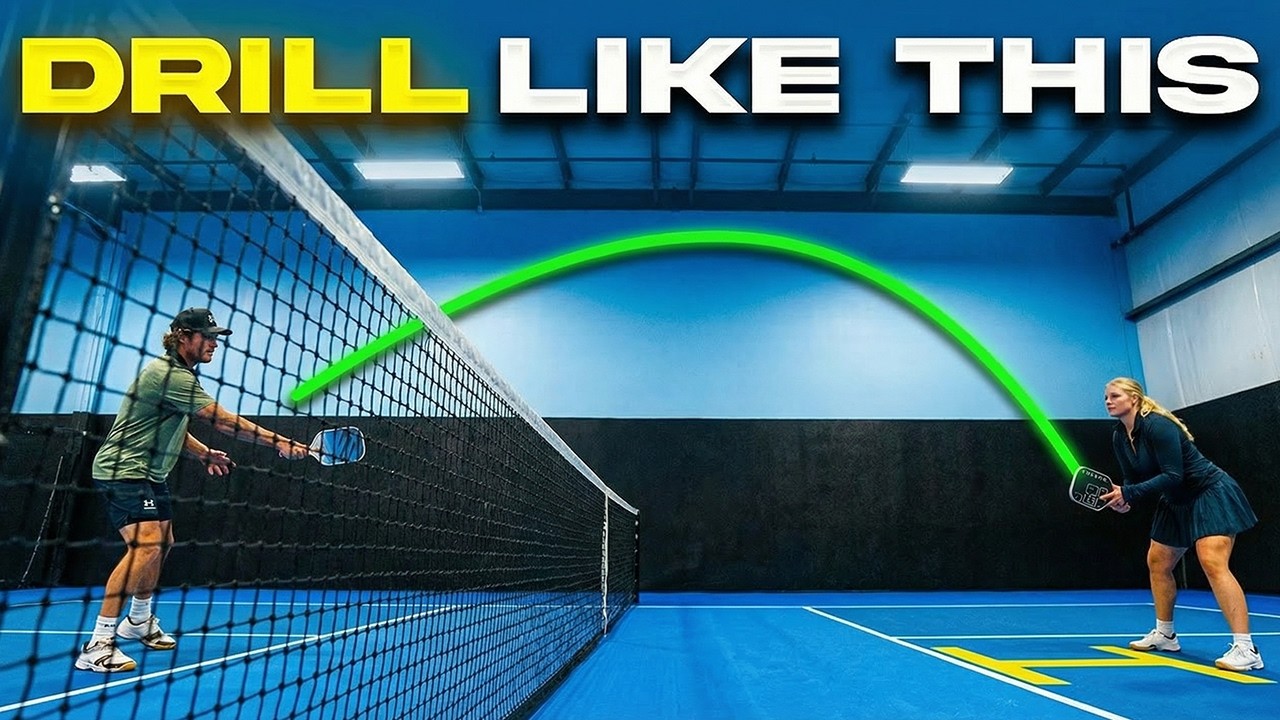
Elliott's training philosophy emphasizes building consistency across four critical areas: dinking precision, reset execution, volley positioning, and live play decision-making. Each element reinforces the others, creating a comprehensive skill foundation that performs under pressure.
Structured Practice Session Components
Progressive Warm-Up Sequence
Every elite training session begins with a progressive warm-up that prepares both technical skills and tactical awareness. This isn't simply hitting balls—it's a systematic preparation that activates the specific movement patterns and decision-making processes required for advanced play.
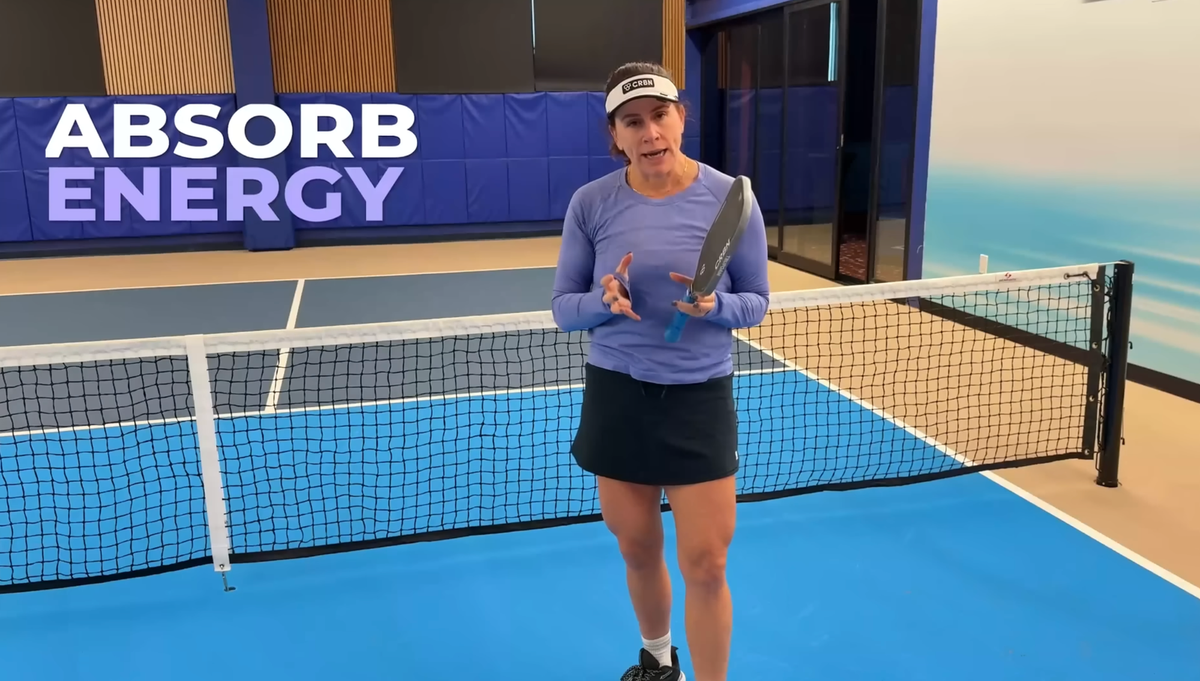
Dinking Consistency Drills
Dinking forms the backbone of competitive pickleball, but elite players practice it differently than recreational players. Instead of simply hitting cross-court dinks, advanced sessions incorporate pressure situations, target zones, and transition opportunities that mirror tournament conditions.
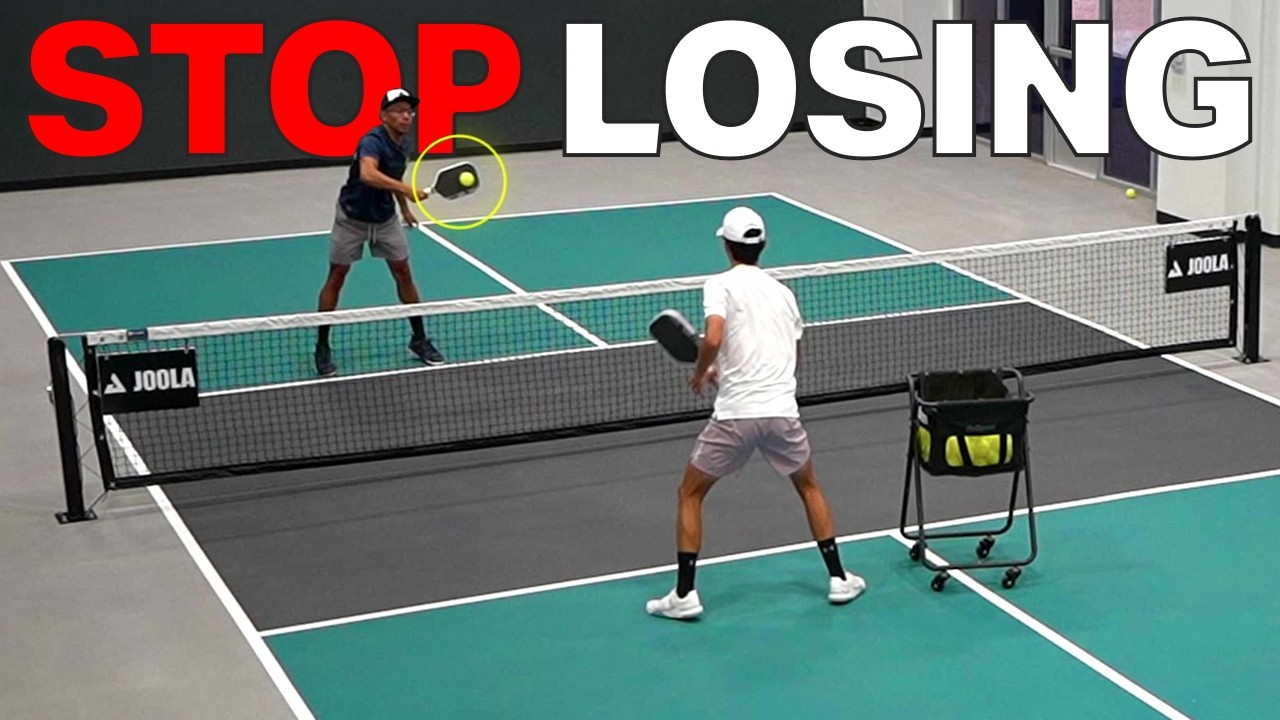
Reset and Recovery Training
The ability to reset points from defensive positions separates good players from great ones. Elite training sessions dedicate significant time to developing consistent reset shots from various court positions and ball speeds, building the confidence necessary to stay in points when under attack.
Volley Integration Work
Volleys in competitive play rarely occur in isolation. Advanced training integrates volley work with approach shots, positioning, and follow-up opportunities, creating realistic practice scenarios that translate directly to match situations.
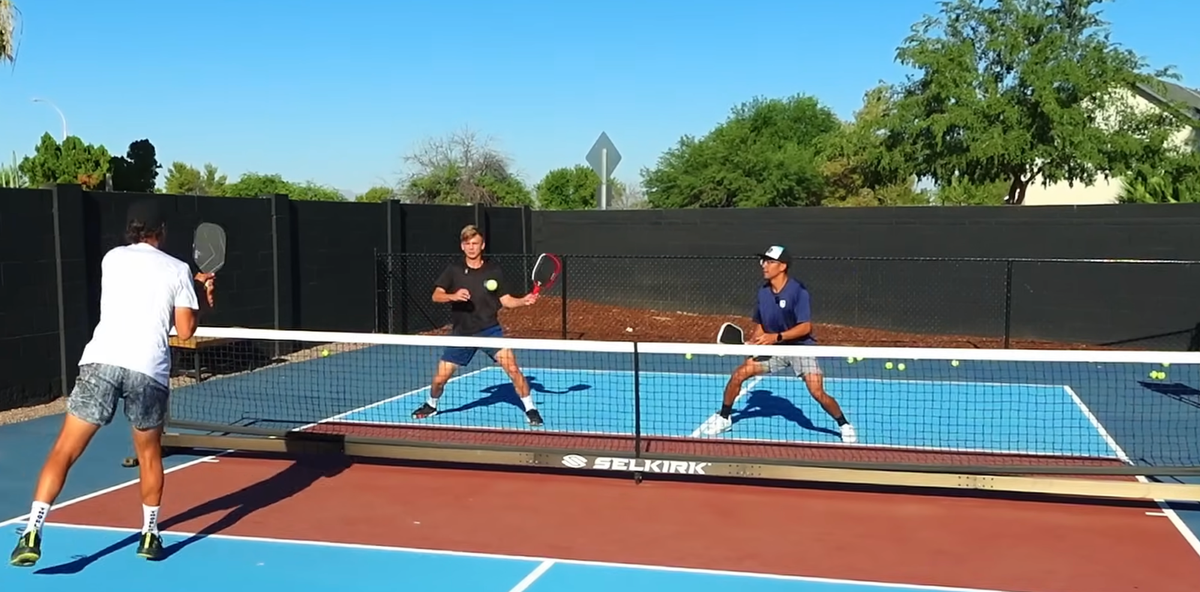
Live Play Integration
The final component of elite training involves live play scenarios that test newly developed skills under competitive pressure. This isn't recreational play—it's structured point play with specific objectives and tactical focuses that reinforce the technical work completed earlier in the session.
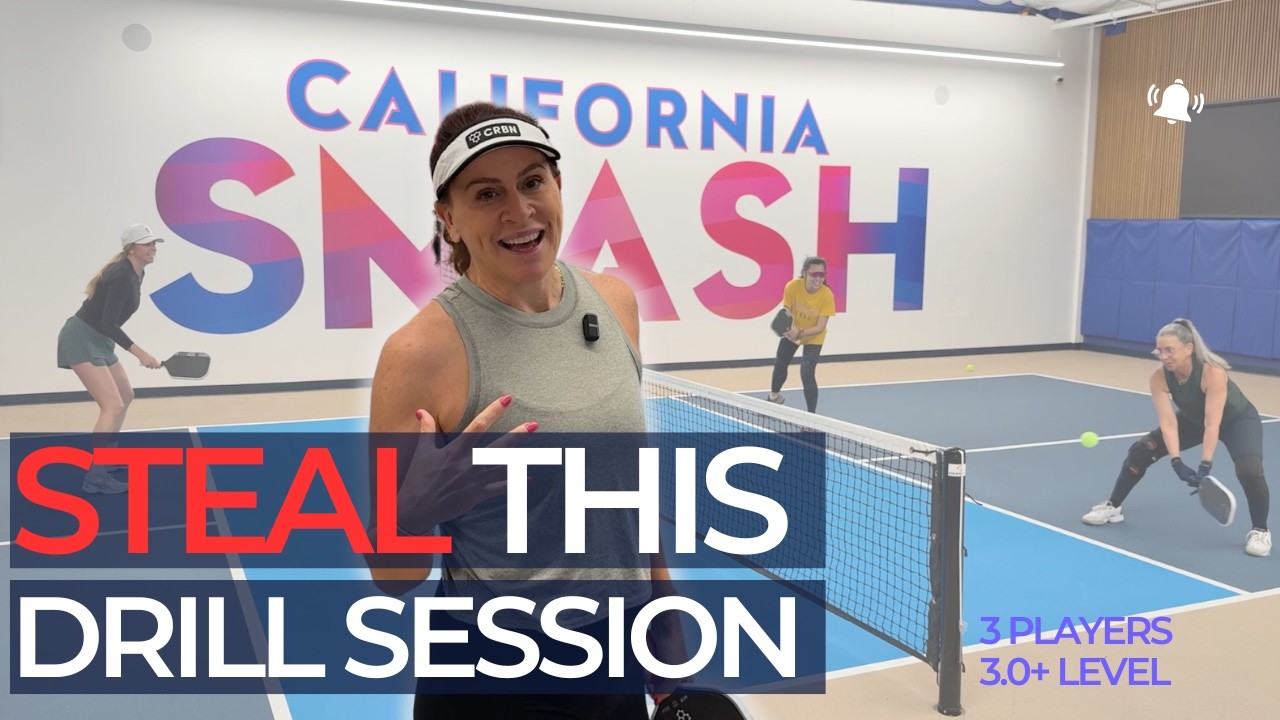
Elliott's approach demonstrates how live play integration creates the bridge between technical proficiency and competitive performance. Players learn to execute skills while managing game pressure, tactical decisions, and physical fatigue simultaneously.
Building Your Elite Training Routine
Developing an elite-level practice routine requires commitment to structured progression and honest self-assessment. Each training session should build upon previous work while introducing new challenges that push your comfort zone.
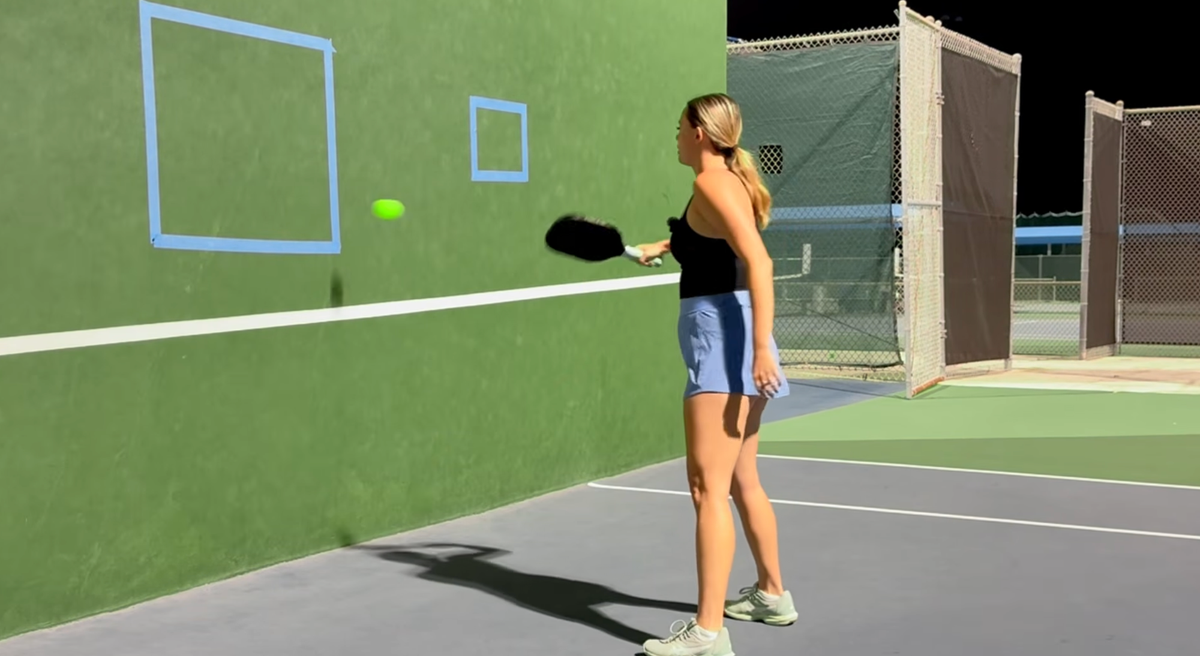
The most successful players track their progress across all skill areas, identifying weaknesses that might limit their overall game development. This comprehensive approach ensures balanced improvement rather than isolated technical advancement.
The Mental Component
Reaching 5.0 level requires more than technical proficiency—it demands mental resilience and tactical awareness that can only be developed through structured, challenging practice sessions. Elite training builds confidence through competence, creating players who can execute under pressure.
The training methodology demonstrated by Elliott and Tran shows that elite performance comes from systematic preparation, not random practice. Their structured approach creates the consistency and confidence necessary for competitive success.
Frequently Asked Questions
How often should I practice this complete drill routine?
Elite players typically complete comprehensive training sessions 3-4 times per week, with additional focused practice on specific weaknesses. Consistency in training schedule is more important than session length.
What's the biggest mistake players make when trying to reach 5.0?
The most common error is focusing too heavily on isolated skill development without integrating those skills into game-like scenarios. Real improvement comes from practicing skills in context, not in isolation.
How long does it typically take to see improvement with structured training?
Most dedicated players notice significant improvement within 6-8 weeks of consistent structured practice. However, reaching 5.0 level typically requires 6-12 months of focused training, depending on starting skill level and practice frequency.