Walker Sisters Reveal Doubles Court Coverage Secrets
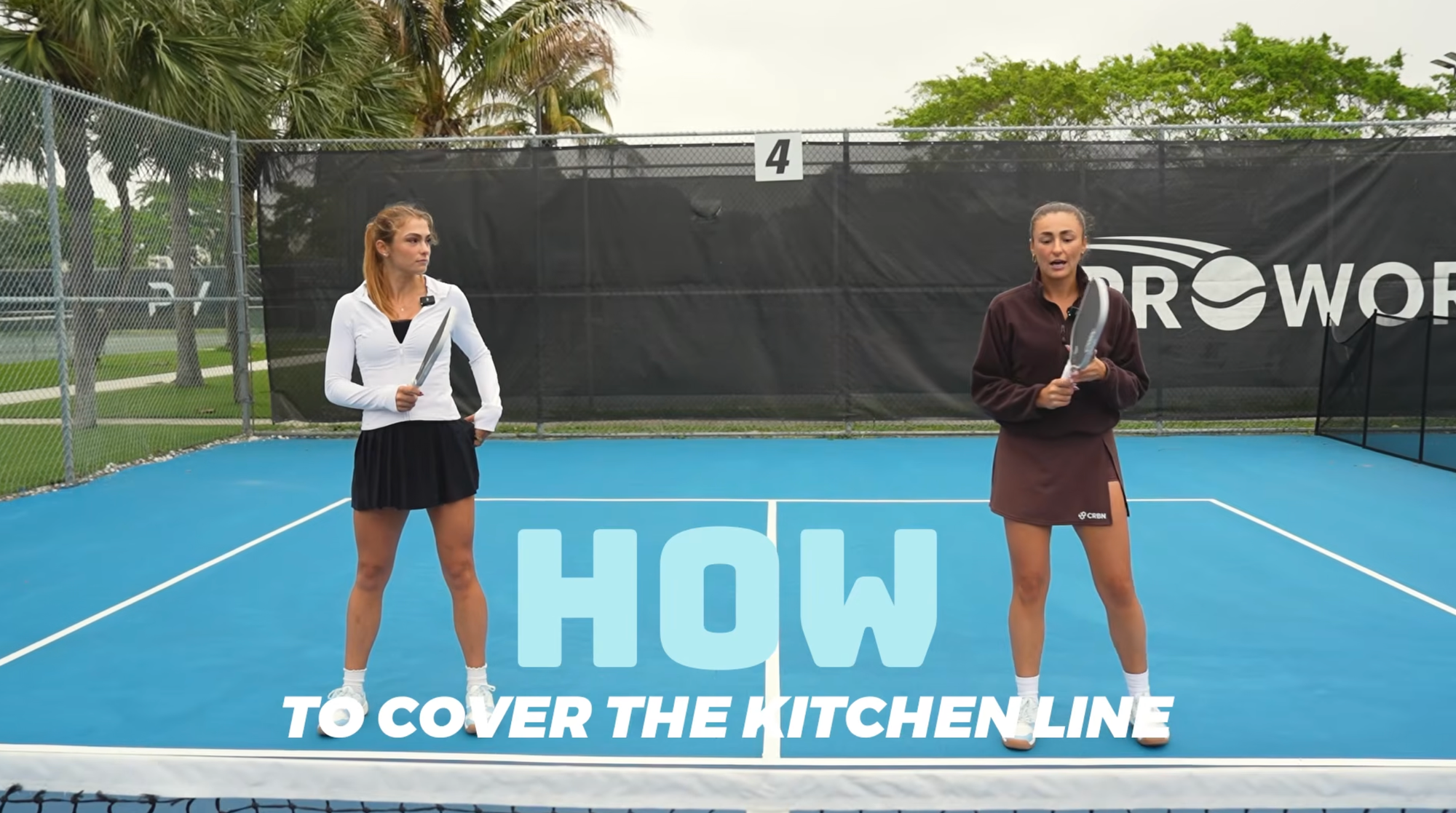
Court coverage remains one of the most challenging aspects of pickleball doubles, with players at every level struggling to position themselves effectively. The Walker Sisters, renowned for their strategic expertise, have developed a comprehensive system that transforms how players approach court positioning.
Understanding Court Coverage Fundamentals
Effective court coverage in doubles isn't about covering more ground—it's about positioning yourself in the right place at the right time. The Walker Sisters emphasize that most players make critical errors by overthinking movement instead of focusing on strategic positioning.
The key principle involves maintaining proper spacing with your partner while ensuring no significant gaps exist that opponents can exploit. This requires constant communication and awareness of both your position and your partner's location on the court.
Baseline Positioning Strategy
When positioned at the baseline, the Walker Sisters recommend the "imaginary line" technique. Draw an invisible line down the center of the court, with each player responsible for their respective half. However, this doesn't mean staying rigidly in your zone.
Dynamic Baseline Movement
The most effective baseline players shift laterally based on ball direction while maintaining approximately 6-8 feet of separation from their partner. When the ball travels to one side, both players should shift slightly in that direction, preventing cross-court angles while maintaining center court protection.
Critical mistake: Many players remain static at the baseline, creating easy targets for opponents. Instead, focus on controlled movement that maintains court balance while responding to shot placement.
Transition Zone Mastery
The transition zone, located between the baseline and non-volley zone, presents unique challenges. The Walker Sisters identify this area as where most doubles teams lose points due to poor positioning.
During transition, maintain staggered positioning rather than moving forward together. One player should advance while the other provides baseline support, creating multiple defensive layers that complicate opponents' shot selection.
Communication During Transitions
Effective transition requires constant verbal communication. Call out "moving up" or "staying back" to ensure your partner understands positioning changes. This prevents confusion and maintains court coverage integrity.
Kitchen Line Dominance
Once both players reach the non-volley zone line, positioning becomes more nuanced. The Walker Sisters advocate for the "shoulder-width-plus" spacing—maintain slightly more than shoulder-width distance between partners.
This spacing allows for proper paddle coverage while preventing opponents from hitting between you. When one player moves laterally for a shot, the partner should shift slightly toward the middle, maintaining court balance.
Advanced Kitchen Positioning
Advanced players should implement "breathing" movement at the kitchen line. This involves subtle forward and backward movement—approximately 6-12 inches—based on shot anticipation. Move back slightly for potential overhead attacks, forward for drop shots.
Common Coverage Mistakes
The Walker Sisters identify several critical errors that consistently undermine court coverage:
The Static Trap: Remaining in one position regardless of ball movement creates predictable targets and gaps in coverage.
Over-Communication: Excessive talking during points disrupts concentration and timing. Develop pre-point strategies and trust your partner's positioning instincts.
Mirroring Movement: Following your partner's exact movements instead of maintaining complementary positioning leaves court areas vulnerable.
Implementing Coverage Improvements
Start by practicing these positioning concepts during warm-up drills. Focus on one aspect at a time—baseline positioning, then transition movement, finally kitchen line spacing.
Record practice sessions to analyze positioning patterns. Many coverage issues become apparent only when viewed from an external perspective.
The Walker Sisters emphasize patience during implementation. Proper court coverage becomes instinctive only through consistent practice and game experience.
Frequently Asked Questions
How do I know if my court coverage is improving?
Track unforced errors caused by poor positioning. As coverage improves, you'll notice fewer winners hit past you and more opportunities to return difficult shots. Your opponents will also struggle more to find open court space.
What's the most important aspect of doubles court coverage?
Communication with your partner ranks as the most crucial element. Even perfect individual positioning fails without coordinated team movement. Develop simple, clear communication signals and use them consistently throughout matches.
How should court coverage change against different playing styles?
Against aggressive baseline players, maintain slightly deeper positioning to handle power shots. When facing soft-game specialists, move forward more quickly to pressure their short shots and reduce their angles.