When to Attack in Pickleball: 5 Critical Factors
The Strategic Art of Pickleball Attacks
In pickleball, knowing when to launch an aggressive attack versus when to exercise patience can make the difference between winning and losing crucial points. The ability to "pull" or attack effectively isn't just about power—it's about understanding the perfect moment to strike.
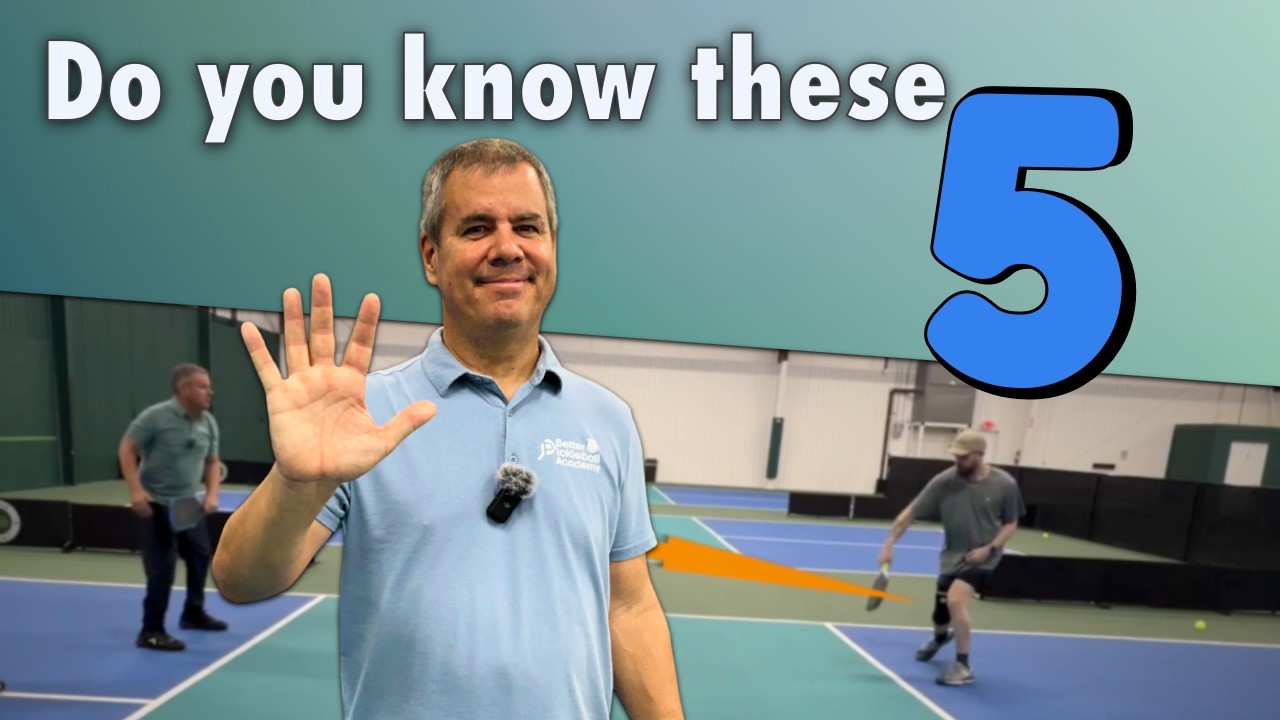
Coach Tony Roig, a renowned pickleball strategist, has identified five critical factors that determine when players should transition from defensive play to offensive aggression. These factors form the foundation of smart, tactical pickleball that separates recreational players from competitive champions.
Factor 1: Ball Height and Position
The most fundamental consideration for any attack is ball positioning. Balls that rise above net level present the clearest opportunity for aggressive play. When the ball reaches shoulder height or higher, you have the angle advantage needed to drive downward into your opponent's court.
However, height alone isn't enough. The ball must also be positioned where you can make solid contact without compromising your balance or court position. Balls that pull you too wide or force awkward positioning often result in weak attacks that your opponents can easily counter.
Optimal Attack Zones
Focus on balls that land in your "power zone"—typically between your shoulder and forehand side, at or above net height. These positioning dynamics give you the best combination of power potential and control.
Factor 2: Opponent Court Position
Your opponents' positioning dramatically influences attack success rates. The ideal time to attack occurs when opponents are:
- Positioned behind the baseline or in transition
- Caught off-balance from their previous shot
- Standing too close together, creating open court areas
- Moving in the wrong direction for your intended attack
Conversely, when both opponents are set at the non-volley zone line with good spacing and balance, aggressive attacks often result in strong counter-attacks that put you on the defensive.
Factor 3: Your Court Position and Balance
Successful attacks require stable positioning and proper weight transfer. Attempting aggressive shots while off-balance, moving backward, or positioned poorly typically leads to errors or weak shots that opponents can exploit.
Before attacking, ensure you have:
- Solid footing and balanced stance
- Time to set up properly for your shot
- Good court position that doesn't leave you vulnerable
- Ability to recover quickly after the attack
Factor 4: Shot Selection and Target Awareness
Not all attacks are created equal. The most effective aggressive shots target specific weaknesses or court areas:
High-Percentage Attack Targets
Feet and body shots: Difficult to return cleanly and often result in pop-ups
Sharp angles: Force opponents off the court and create open space
Deep drives: Push opponents behind the baseline when they're expecting soft shots
Choose your attack based on the specific opportunity presented rather than simply hitting hard for the sake of aggression.
Factor 5: Game Situation and Score
Context matters enormously in attack timing. Consider the score, momentum, and match situation when deciding between aggression and patience.
Early in points or games, patience often pays dividends as you work to create better opportunities. However, when you're behind or need to shift momentum, calculated aggression becomes more valuable despite higher risk.
Momentum Considerations
Use attacks strategically to change the pace and rhythm of play. If opponents have settled into comfortable patterns, well-timed aggression can disrupt their flow and create new opportunities.
Putting It All Together
The best pickleball players don't just consider one factor—they rapidly assess all five elements before deciding to attack. This decision-making process becomes instinctive with practice, allowing you to recognize optimal attack opportunities while avoiding low-percentage aggressive shots.
Remember that patience isn't passive play. Often, the best attackers are those who wait for the right combination of factors before unleashing their aggression with maximum effectiveness.
Frequently Asked Questions
How do I know if I'm being too aggressive in my pickleball attacks?
Track your unforced errors during play. If you're making more mistakes than forcing errors from opponents, you're likely attacking at inappropriate times. Focus on the five factors above to improve your attack selection.
Should I always attack high balls in pickleball?
No, ball height is just one factor. Consider opponent positioning, your own balance, and game situation. Sometimes a high ball is better used to maintain pressure rather than attempting a risky winner.
What's the biggest mistake recreational players make with pickleball attacks?
The most common error is attacking based solely on ball height without considering the other four factors. This leads to predictable attacks that opponents can easily defend or counter-attack.