The jump from 4.0 to higher-level pickleball isn't just about hitting harder or moving faster. According to professional player Tanner Tomassi, the real difference lies in strategic thinking and tactical execution that exposes fundamental gaps in mid-level play.
These three proven strategies focus on exploiting common weaknesses found in 4.0 players, giving you the tools to compete at a higher level and potentially break through to 5.0 territory.
Strategy 1: Attack the Middle Court Gap
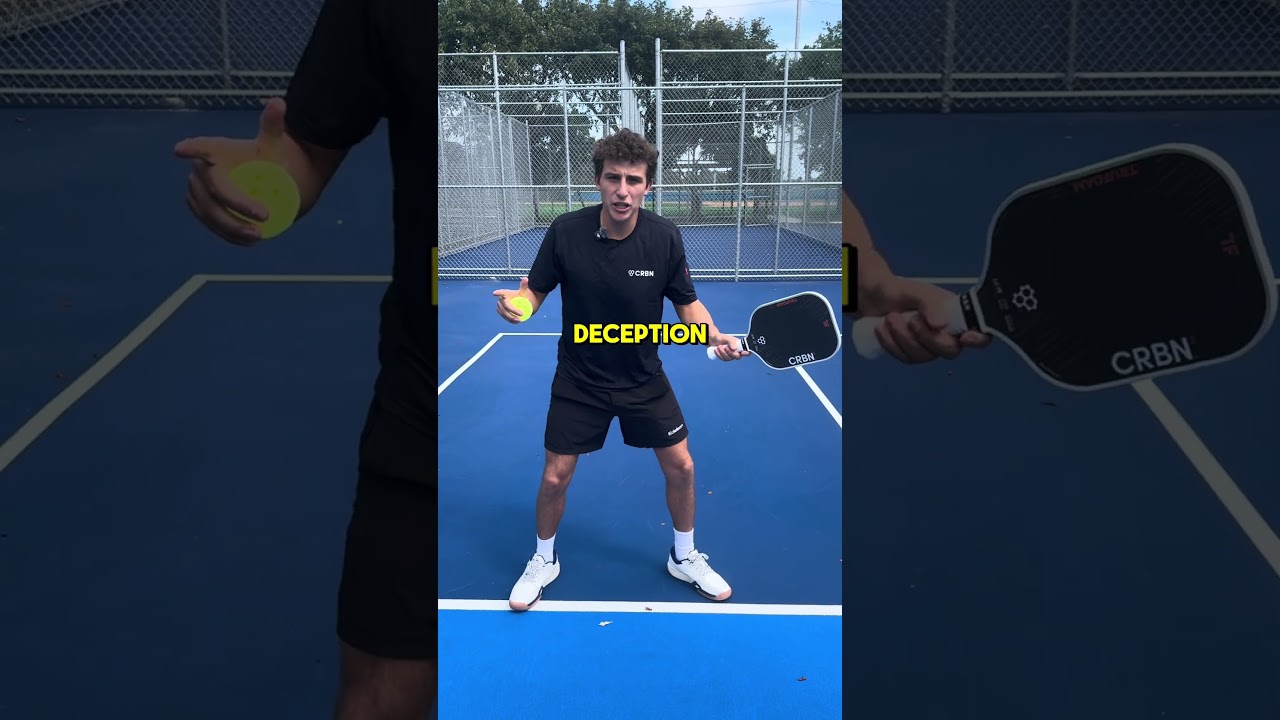
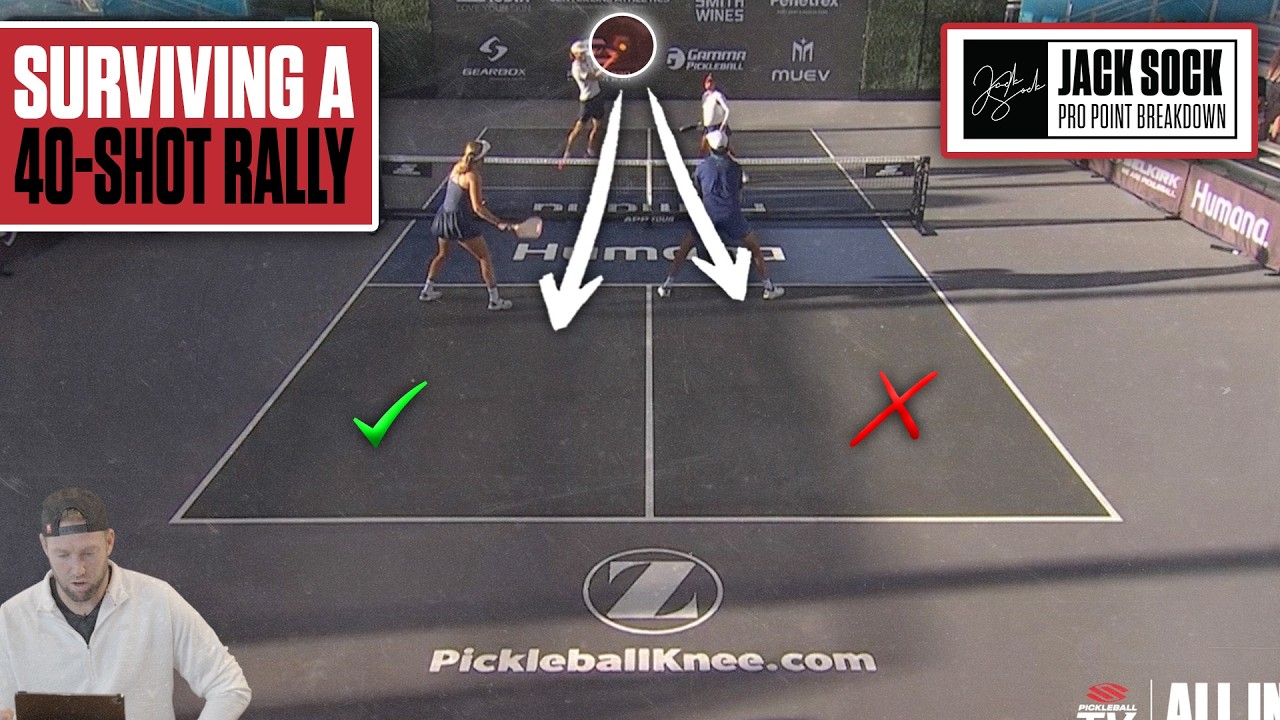
Most 4.0 players struggle with middle court coverage, especially when positioned at the non-volley zone. This creates a vulnerable area that advanced players consistently target.
The weakness: 4.0 players often have unclear communication about who covers shots hit directly between them. This indecision leads to either both players going for the ball or both hesitating, resulting in easy points for opponents.
How to exploit it: Aim your shots at the space between your opponents, roughly 2-3 feet from each player. Focus on low, hard drives or well-placed dinks that force them to make split-second decisions about coverage responsibility.
The key is consistency – don't try for winners every time. Instead, create pressure by repeatedly targeting this zone until communication breaks down and errors occur naturally.
Strategy 2: Master Deceptive Shot Selection
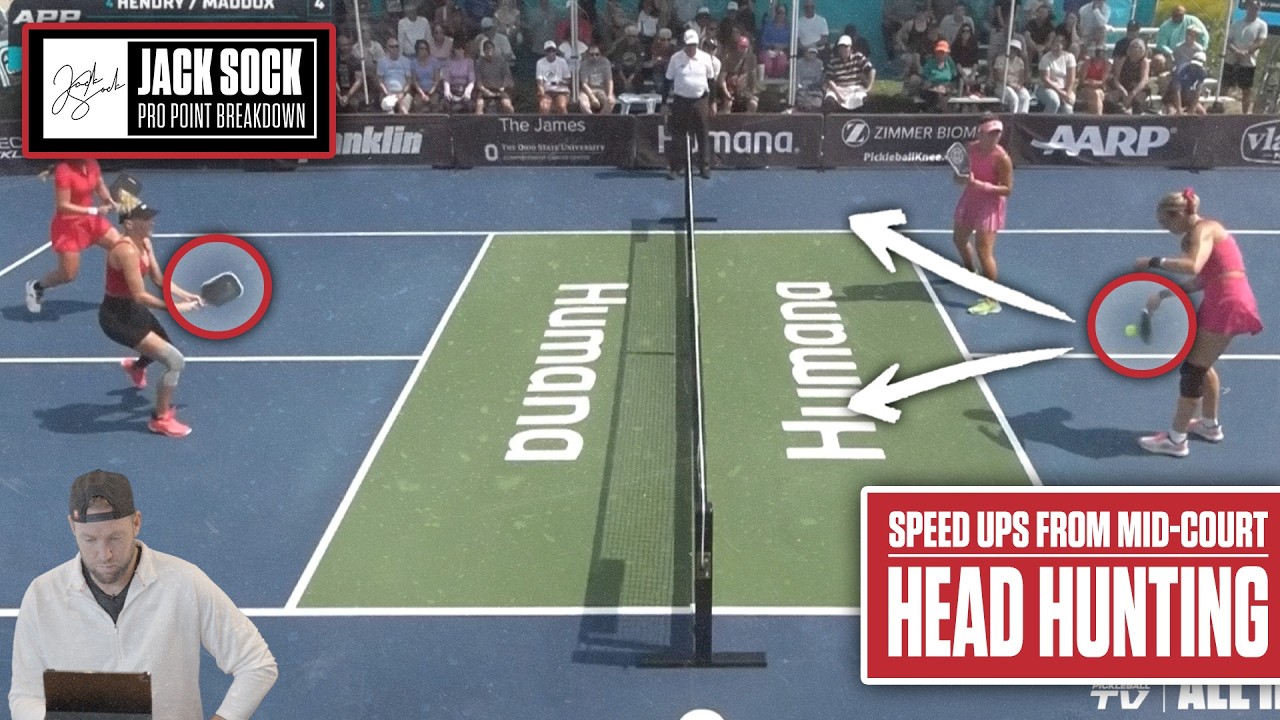
Advanced players excel at disguising their intentions, while 4.0 players typically telegraph their shots through body language and paddle preparation.
The weakness: Mid-level players often commit to their shot selection too early, making it easy for opponents to anticipate and position accordingly. They also tend to have predictable patterns in high-pressure situations.
Deception techniques that work:
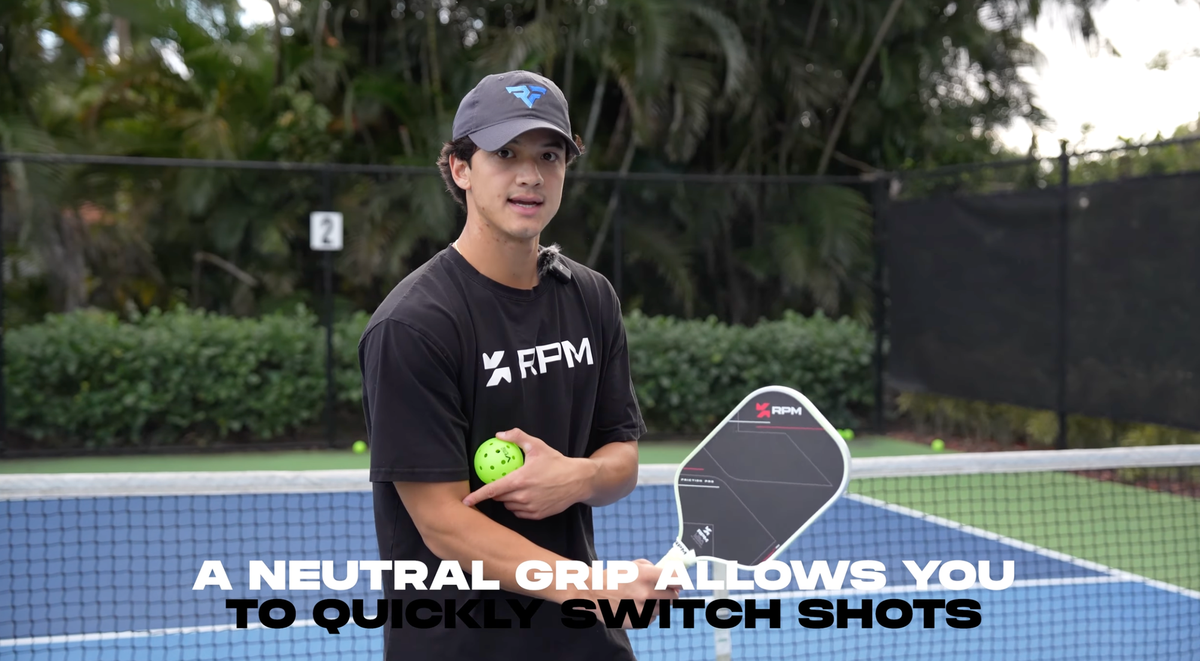
- Late paddle face changes: Keep your paddle neutral until the last possible moment, then adjust for cross-court or down-the-line shots
- Speed variations: Mix soft touches with aggressive drives from similar positions to disrupt timing
- Body positioning tricks: Set up as if you're going cross-court, then redirect down the line
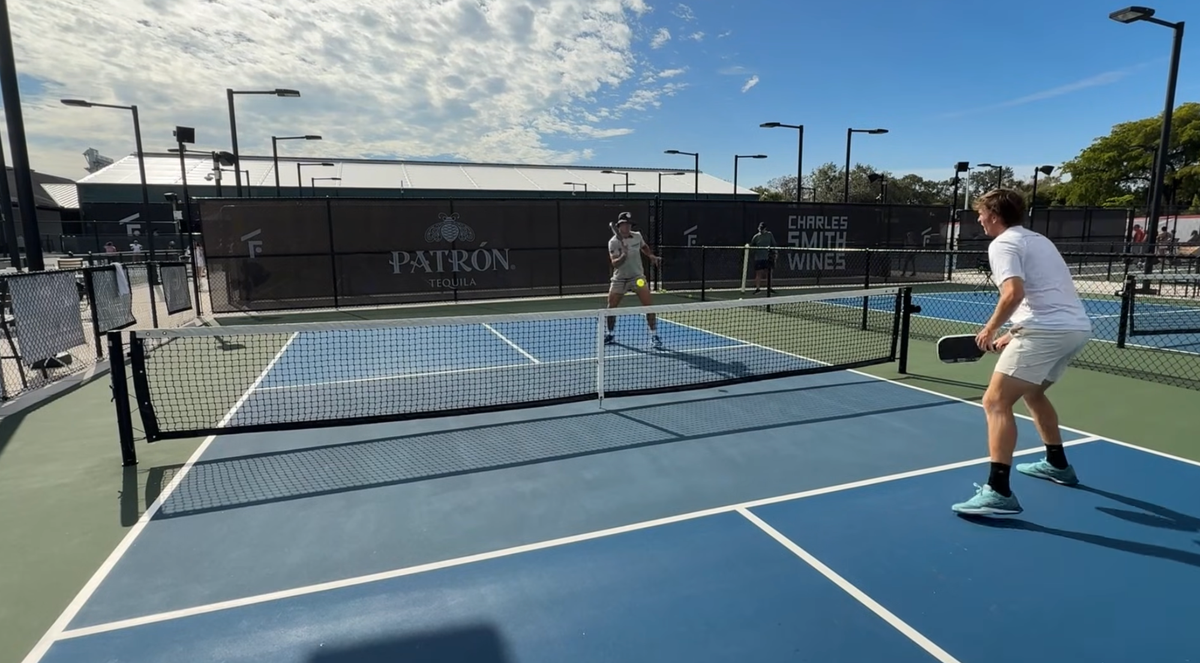
The goal isn't to hit unreturnable shots, but to keep opponents guessing and force them into defensive positions where they're more likely to make errors.
Strategy 3: Control Tempo and Timing
Perhaps the most overlooked aspect of intermediate play is tempo control. 4.0 players often get caught up in the pace their opponents set, rather than dictating their own rhythm.
The weakness: Most 4.0 players have a comfort zone when it comes to rally speed. They perform well at moderate pace but struggle when forced to adapt to significant tempo changes mid-point.
Timing tactics to implement:
Pace Disruption
Alternate between rapid-fire exchanges and deliberate, slow-building points. When opponents settle into a fast rhythm, suddenly slow the game down with soft dinks and resets. Conversely, when they're comfortable with slow play, inject sudden speed with quick volleys and drives.
Strategic Pausing
Take your time between points and use the full shot clock when available. Many 4.0 players prefer quick transitions and can become impatient or lose focus during longer breaks.
Rush Recovery Shots
When opponents hit a great shot that puts you in trouble, many 4.0 players expect you to rush your return. Instead, take an extra split second to set up properly – this often results in better shot selection and can throw off their timing for the next ball.
Implementation Tips
These strategies work best when combined rather than used in isolation. Start by identifying which weakness is most apparent in your opponents during warm-up and early points.
Remember that consistency beats power at this level. Focus on executing these tactical approaches with high percentage shots rather than attempting low-percentage winners.
Practice these concepts during recreational play before implementing them in competitive matches. The mental aspect of strategic thinking needs to become second nature.
Frequently Asked Questions
How long does it take to see results from these strategies?
Most players notice immediate improvements in point construction, but fully integrating these tactical approaches typically takes 4-6 weeks of consistent practice and match play.
Can these strategies work against higher-level players too?
While these specific weaknesses are less common in 5.0+ players, the underlying principles of court positioning, deception, and tempo control remain valuable at all levels.
What's the most important strategy to master first?
Start with middle court targeting, as it's the easiest to implement and provides immediate feedback. Once comfortable with court positioning, add deception and tempo control gradually.