Why Solo Practice Separates Good Players from Great Ones
The difference between players who plateau and those who consistently improve comes down to one thing: intentional solo practice. While open play provides valuable match experience, it doesn't give you the focused repetition needed to eliminate weaknesses and build muscle memory.
Solo drilling puts you in complete control. You decide which shots to work on, how many reps to complete, and which specific techniques to refine. A simple wall becomes your most reliable practice partner - one that never cancels and always returns your shots exactly where you need them.
Essential Equipment for Solo Training
You don't need expensive equipment to run effective solo drills. A concrete or brick wall, a bucket of pickleballs, and marking tape are sufficient for most exercises. Many players also find a ball machine helpful for advanced drills, though it's not necessary for beginners.
The key is finding a wall that's at least 10 feet wide and in a location where you have 20-30 feet of space behind you to move and practice different shots.
The 7 Most Effective Solo Pickleball Drills
1. Wall Dinking Consistency
Stand 7 feet from the wall and practice soft, controlled dinks. Focus on keeping the ball low and maintaining a consistent rhythm. This drill builds the touch and precision essential for kitchen exchanges.
2. Backhand Cross-Court Drives
Position yourself at an angle to practice cross-court backhand drives against the wall. This targets one of the most challenging shots in pickleball while building backhand strength and accuracy.
3. Third Shot Drop Simulation
Stand near the baseline and practice dropping the ball softly over an imaginary net line marked on the wall. This critical transition shot requires precise arc and placement.
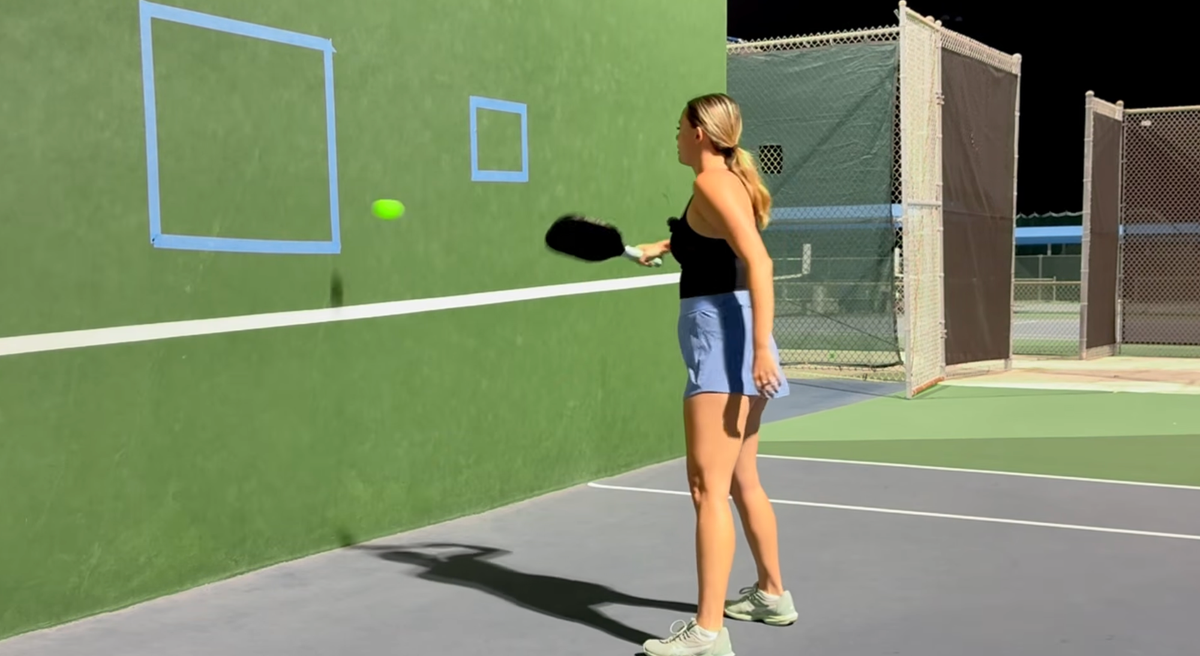
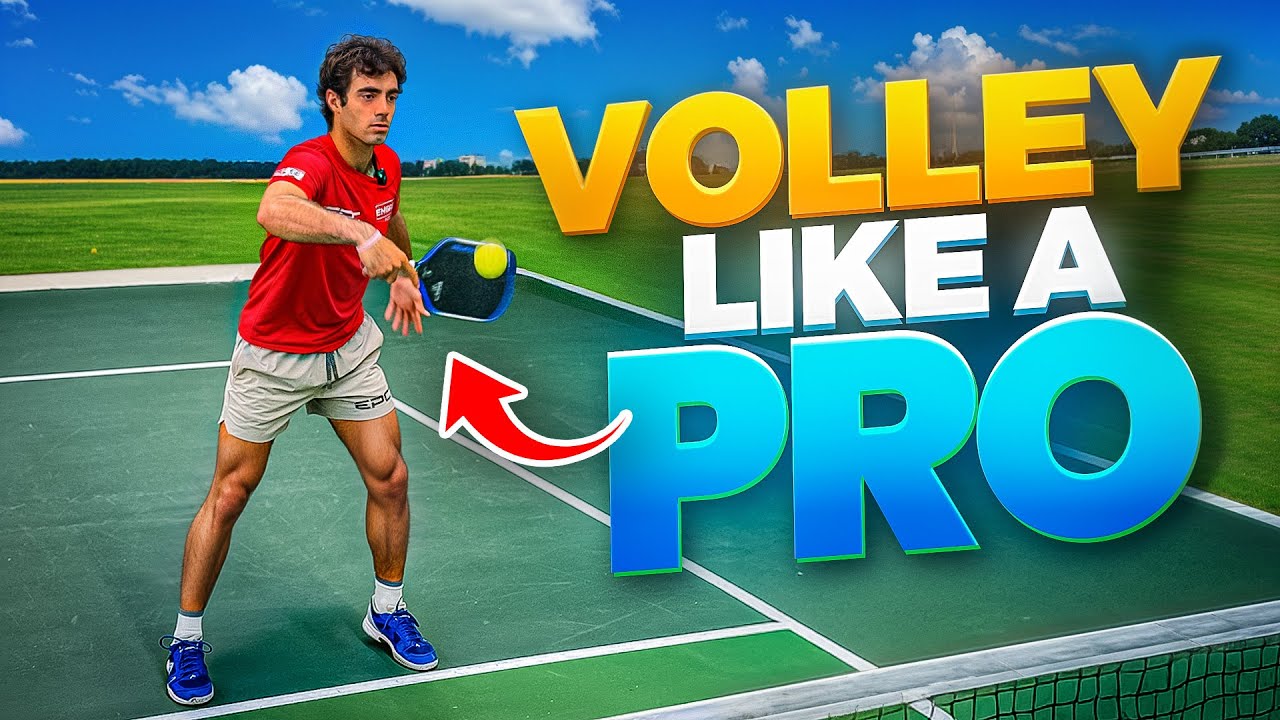
4. Volley Reaction Training
Stand closer to the wall (about 4-5 feet) and practice quick volley exchanges. This improves hand-eye coordination and reaction time for net exchanges.
5. Footwork and Reset Patterns
Combine shot practice with lateral movement. Hit to the wall, shuffle left or right, then hit again. This simulates real game movement patterns.
6. Overhead Smash Technique
Toss the ball high and practice overhead mechanics against the wall. Focus on proper form and follow-through rather than power.
7. Serve and Return Repetition
Use target areas on the wall to practice serve placement and consistency. Mark different zones to simulate deep serves, short serves, and corner placement.
Structuring Your Solo Practice Sessions
Effective solo practice requires structure. Begin each 30-45 minute session with a 5-minute warm-up of gentle wall hitting. Then focus on 2-3 specific drills, spending 8-10 minutes on each with brief rest periods between.
Track your progress by counting successful repetitions or timing how long you can maintain consistent rallies. Set specific goals like "20 consecutive dinks without missing" or "15 accurate third shot drops in a row."
Common Solo Practice Mistakes to Avoid
Many players rush through solo drills without focusing on technique. Quality always trumps quantity - it's better to complete 50 perfect repetitions than 200 sloppy ones.
Another mistake is practicing only comfortable shots. Challenge yourself by spending extra time on your weakest areas. If your backhand needs work, dedicate 60% of your practice time to backhand variations.
Measuring Your Improvement
Solo practice improvements show up quickly in match play. You'll notice more consistent shot placement, better court positioning, and increased confidence in previously challenging situations.
Keep a practice log noting which drills you completed and any technique insights. This helps identify patterns and ensures balanced skill development over time.
Frequently Asked Questions
How often should I practice solo drills?
Aim for 2-3 solo practice sessions per week, each lasting 30-45 minutes. Consistency matters more than duration - regular short sessions outperform occasional long ones.
Can solo practice really replace playing with others?
Solo practice complements but doesn't replace match play. Use solo drills to build technical skills and muscle memory, then apply those improvements during games with others.
What's the best wall height for pickleball practice?
A wall at least 8-10 feet high works best, allowing you to practice both low shots and higher defensive returns. Most school gymnasium walls or racquetball courts provide ideal practice surfaces.