The majority of recreational pickleball players approach dinking without strategic purpose, simply returning balls and waiting for opponents to err. However, understanding the fundamental distinction between offensive and defensive dinks can revolutionize your kitchen game and elevate your overall performance.
Understanding Dink Strategy and Intent
The core difference between offensive and defensive dinking lies in two critical elements: spin application and strategic intent. When you master these concepts, you transition from merely reacting to rallies to actively controlling point development.
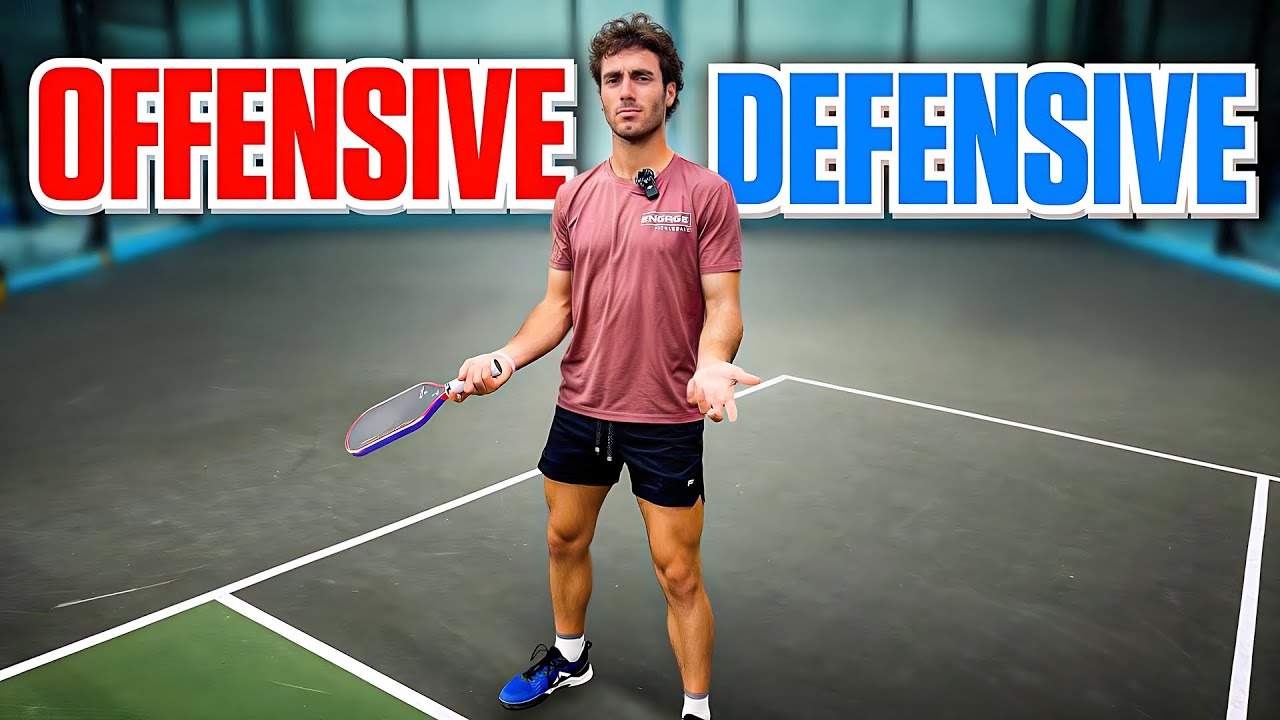
APP professional Richard Livornese emphasizes that successful net play requires recognizing when to apply pressure versus when to maintain position. This tactical awareness separates intermediate players from advanced competitors who consistently win kitchen battles.
Offensive Dink Characteristics and Execution
Offensive dinks serve to create opportunities rather than simply sustain rallies. These shots typically feature specific spin patterns designed to pull opponents out of position or force uncomfortable returns.
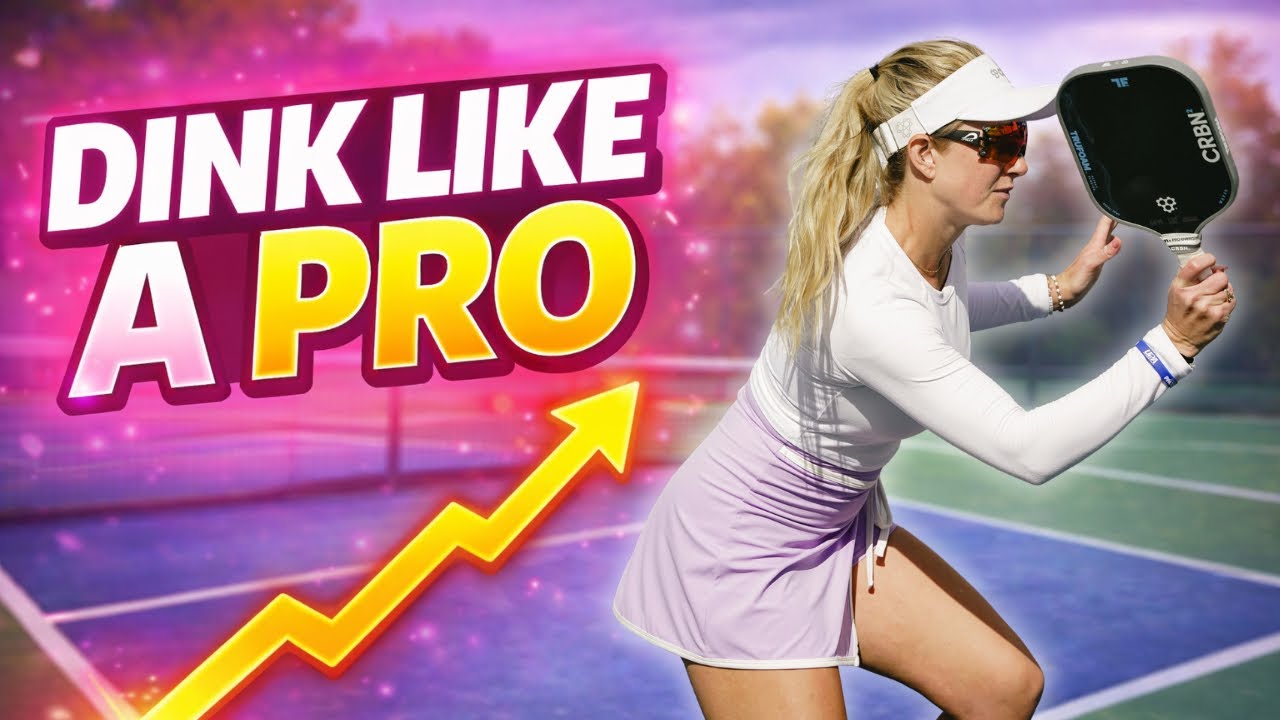
Key Elements of Aggressive Dinking
- Crosscourt angles: Target wide positions to stretch opponents laterally
- Topspin application: Creates forward bounce that challenges opponent timing
- Pace variation: Alternating speed disrupts opponent rhythm
- Height control: Lower trajectory limits opponent options
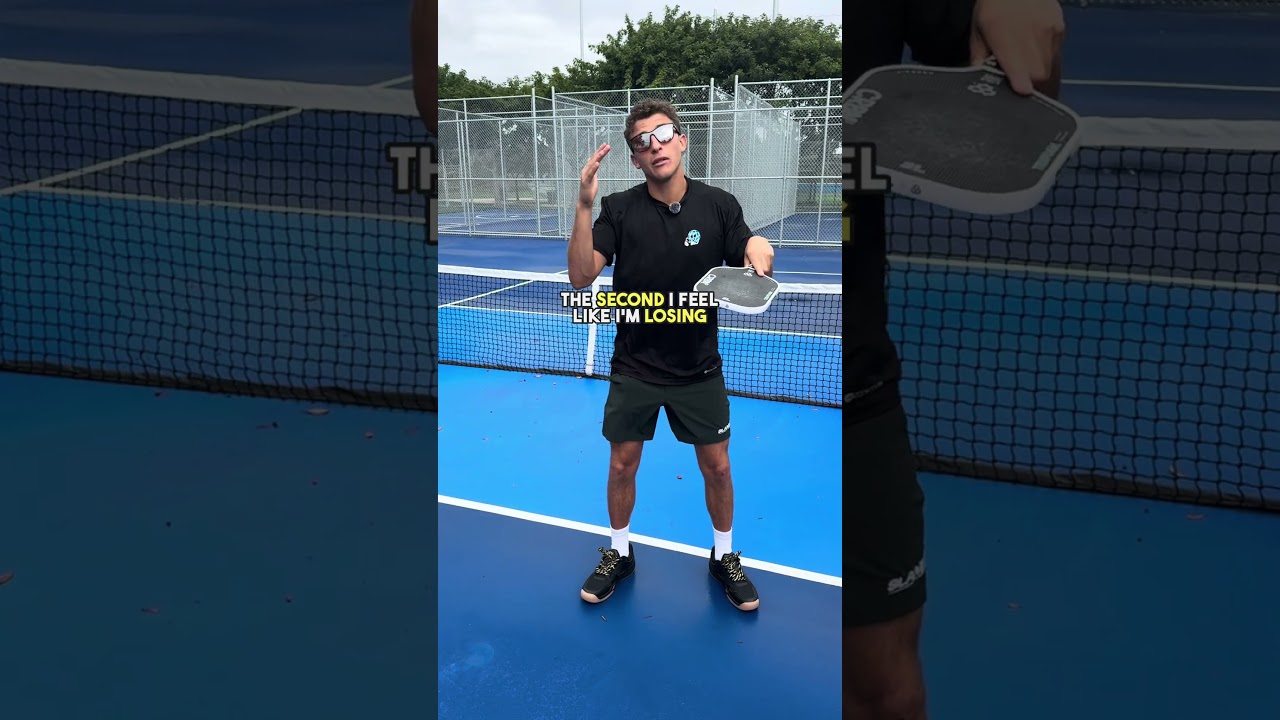
The offensive mindset focuses on gradually building pressure through strategic placement rather than attempting immediate winners. Each offensive dink should incrementally improve your court position while deteriorating your opponent's stance.
Defensive Dink Fundamentals
Defensive dinks prioritize consistency and court positioning over aggressive shot-making. These shots buy time, reset rally tempo, and maintain neutral court positioning during pressure situations.
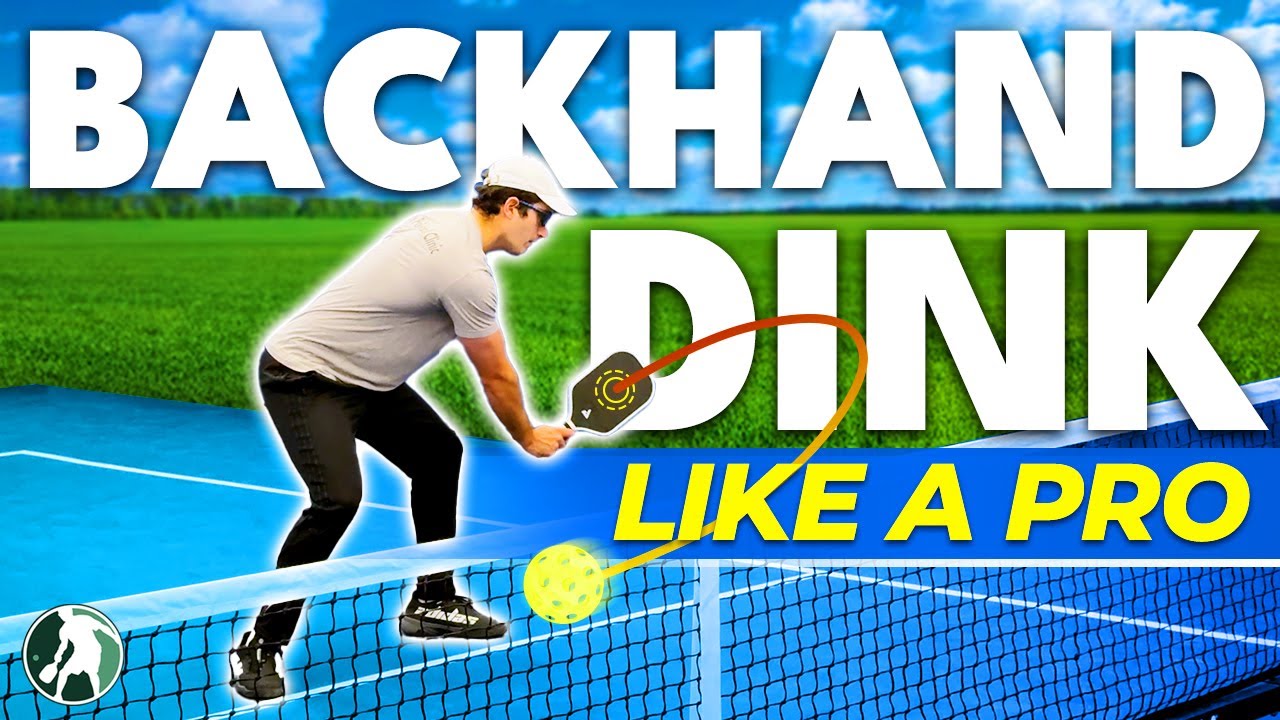
Defensive Dink Priorities
- Net clearance: Higher trajectory ensures safety margin
- Center targeting: Reduces opponent angle opportunities
- Controlled pace: Consistent speed allows better positioning
- Minimal spin: Reduces complexity and error potential
Successful defensive dinking requires patience and discipline. The goal involves weathering opponent pressure while seeking opportunities to transition into offensive positioning.
Reading Rally Phases and Making Tactical Decisions
Elite players constantly evaluate rally dynamics to determine appropriate dink selection. This assessment considers opponent position, ball quality, court positioning, and energy levels.
During neutral rallies, focus on maintaining consistent depth and placement while seeking small advantages. When opponents show vulnerability through poor positioning or weak returns, transition to offensive tactics.
Conversely, when facing aggressive opponents or recovering from difficult shots, employ defensive strategies to regain court position and reset rally dynamics.
Practice Drills for Dink Mastery
Developing effective dinking requires structured practice focusing on both technical execution and tactical decision-making. Begin with consistency drills emphasizing sustained rallies before progressing to target-specific exercises.
Partner drills should incorporate realistic game scenarios, including transition situations and pressure moments. Practice alternating between offensive and defensive modes to develop tactical flexibility.
Common Dinking Mistakes to Avoid
Many players struggle with dink timing, attempting offensive shots from defensive positions or failing to capitalize on advantageous opportunities. Additionally, inconsistent paddle face control leads to unpredictable ball direction and missed strategic chances.
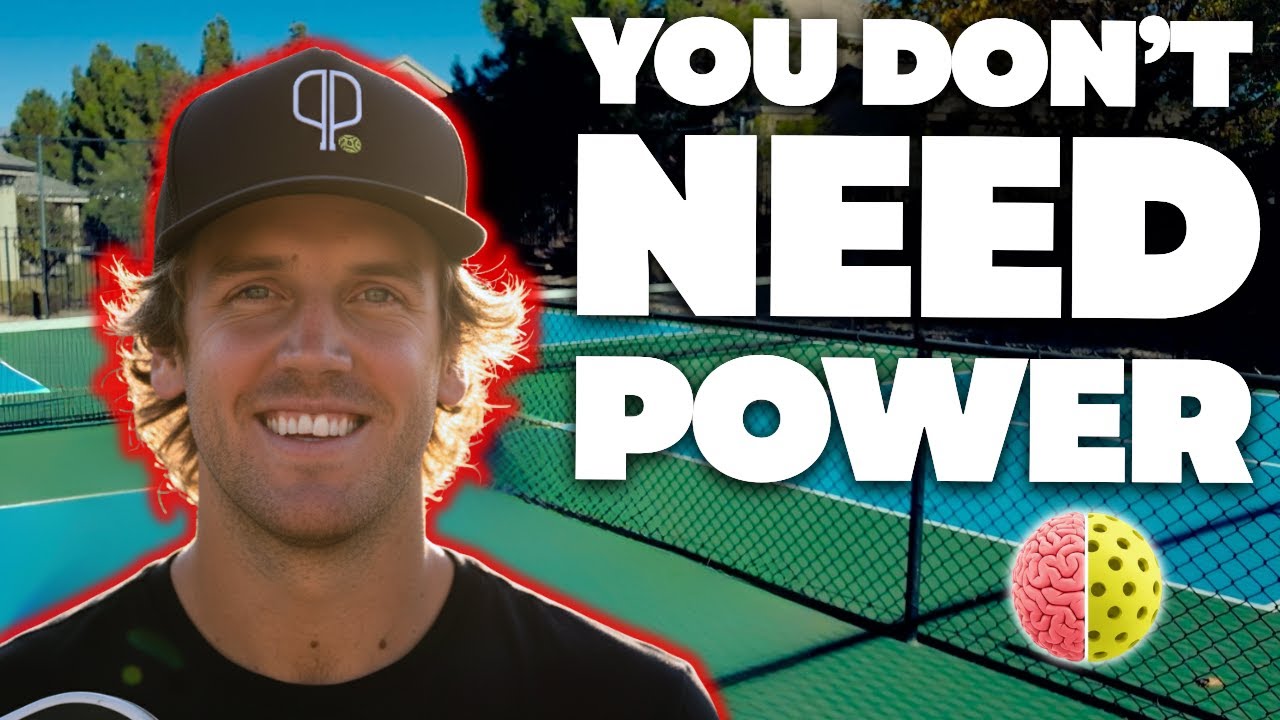
Overemphasizing power over placement represents another frequent error. Remember that effective offensive dinking relies on precision and spin rather than velocity.
Frequently Asked Questions
When should I switch from defensive to offensive dinking during a rally?
Transition to offensive dinking when you receive a ball above net level, your opponent appears out of position, or you've established stable court positioning. Look for opportunities where you can maintain balance while applying pressure.
What's the most important factor in consistent dinking?
Paddle face control determines dink success more than any other factor. Maintain a stable, slightly open paddle face while focusing on contact point consistency. This foundation supports both offensive and defensive shot execution.
How can I improve my dink spin control?
Practice brush contact techniques where your paddle moves upward through the ball for topspin or downward for backspin. Start with gentle motions and gradually increase spin intensity as your control improves. Consistent contact point is essential for reliable spin production.