Ever wonder why you nail that perfect third shot drop during warm-ups but completely whiff an easy put-away during a crucial point? The answer isn't in your paddle or technique—it's between your ears.
The Hidden Battle: Mental vs. Physical Fatigue
Professional tennis player turned pickleball analyst Jack Sock recently broke down a fascinating rally that perfectly demonstrates how psychological pressure can dismantle even the most skilled players. The mental game in pickleball isn't just about staying positive—it's about maintaining focus when your brain starts screaming at you to end the point.
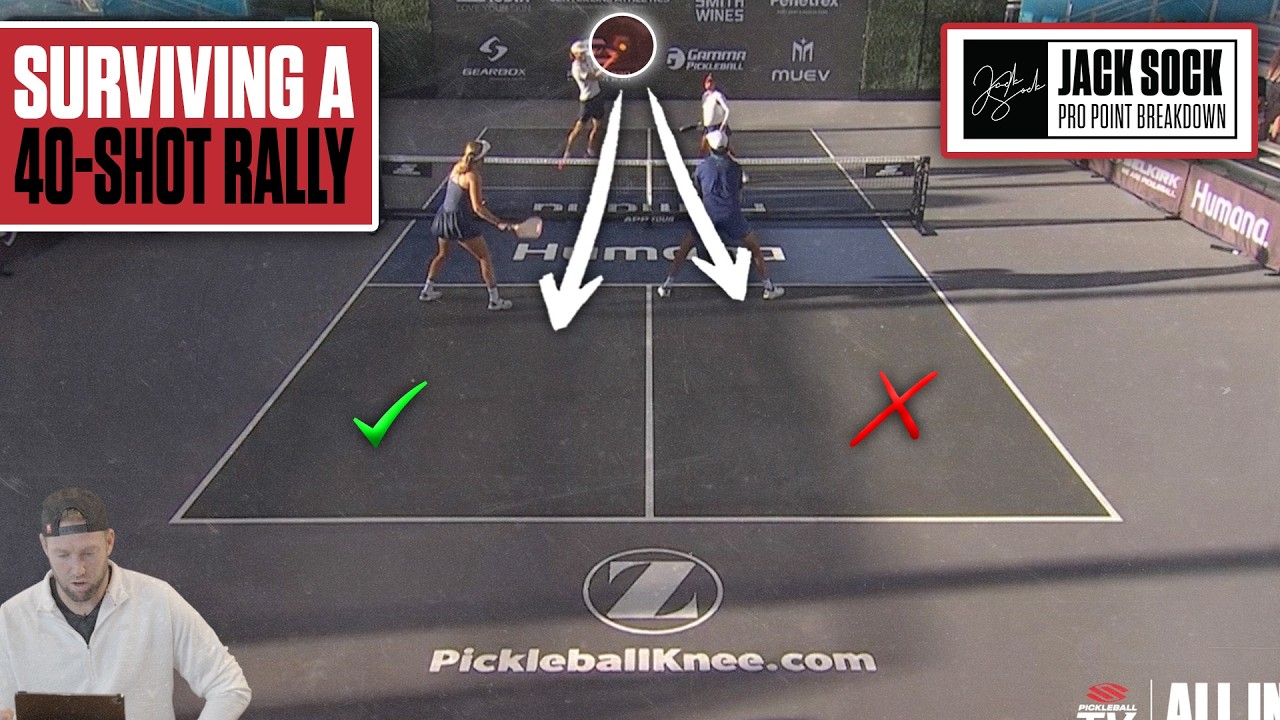
During extended rallies, something interesting happens to your decision-making process. While your body might feel fine, your mind begins searching for shortcuts. This mental fatigue leads to rushed shots, poor shot selection, and those frustrating unforced errors that make you want to throw your paddle.
How Defensive Players Weaponize Psychology
Smart defensive players understand this psychological weakness and exploit it mercilessly. They're not just keeping the ball in play—they're conducting psychological warfare. Every return that forces you to hit another shot adds another layer of mental pressure.
The strategy is brilliantly simple: make your opponent think. When someone consistently returns your best shots, doubt creeps in. You start questioning your game plan, rushing your timing, and attempting increasingly risky shots to end points that aren't quite ready to be finished.
The Impatience Trap
This psychological pressure manifests most clearly as impatience. You see an opening that looks like it should be a winner, but because you're mentally fatigued from the long rally, you don't set up properly. Your technique breaks down not because you forgot how to hit the shot, but because your mind is rushing ahead of your body.
Recognizing Mental Fatigue During Play
Understanding when mental fatigue is affecting your game is crucial for competitive improvement. Watch for these warning signs:
First, you'll notice yourself taking bigger risks earlier in rallies. Instead of building points methodically, you're swinging for winners on shots that should be reset opportunities. This urgency is your brain trying to avoid the stress of extended rallies.
Second, your shot selection becomes less precise. You might choose power over placement, or attempt difficult angles when simple depth would be more effective. Mental fatigue clouds your tactical judgment.
Finally, you'll start feeling frustrated with successful defensive play from your opponents. When good defense feels "unfair" or makes you angry, that's a clear sign that psychological pressure is affecting your game.
Building Mental Resilience on Court
Developing psychological strength in pickleball requires specific practice approaches. Start by embracing long rallies during training rather than avoiding them. Set up drilling scenarios where the goal isn't to end points quickly, but to maintain consistent quality shots regardless of rally length.
Practice patience by deliberately extending points even when winners seem available. This builds comfort with sustained pressure and reduces the anxiety that leads to rushed shots during competition.
Breathing and Reset Techniques
Between points, use the full 10 seconds allowed to reset mentally. Deep breathing isn't just for yoga—it's a practical tool for managing the stress response that builds during intense rallies. Focus on slowing your heart rate and clearing your mind of the previous point.
During rallies, develop shot-by-shot awareness rather than thinking about winning the point. Each shot should be evaluated independently, not as part of a rushed sequence to end the rally quickly.
FAQ
How can I stay patient during long rallies?
Focus on process rather than outcome. Instead of thinking "I need to win this point," concentrate on executing each individual shot with quality. Practice extended rallies during training to build comfort with sustained pressure.
Why do I make more unforced errors when I'm ahead in games?
Leading can create pressure to close out games quickly, leading to rushed shot selection. Maintain the same tactical approach that got you the lead rather than trying to accelerate the pace unnaturally.
How do defensive players get in my head?
Consistent defensive play forces you to generate your own pace and create openings, which requires more mental energy than responding to aggressive shots. They're making you work harder mentally by removing easy opportunities.