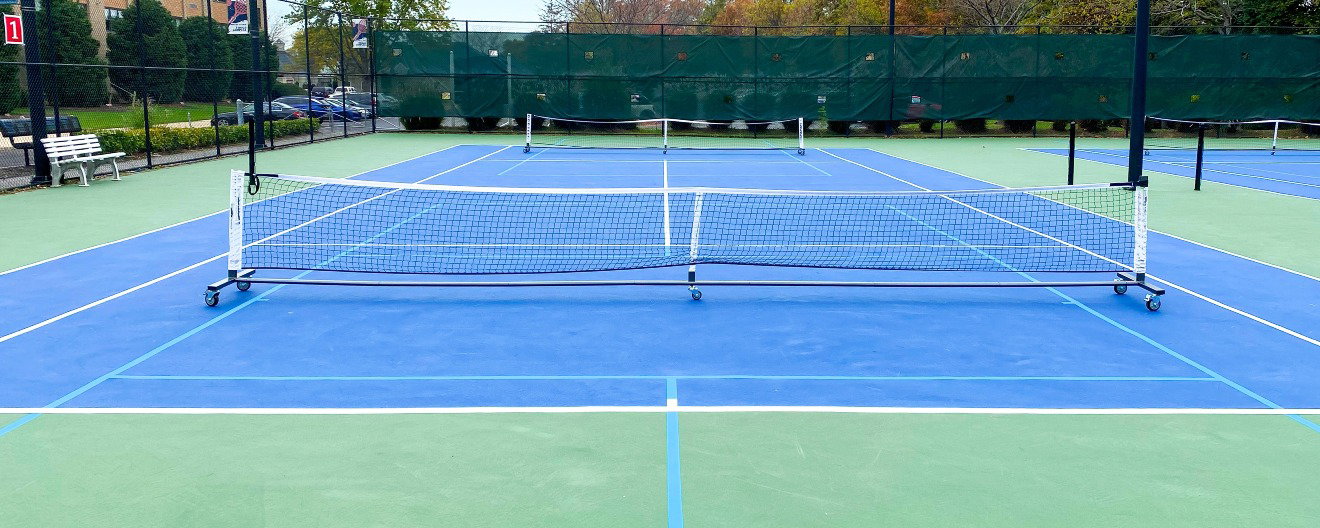
While spectacular shots like the around-the-post winner grab headlines, the humble dink is where pickleball matches are truly decided. If you're struggling with inconsistent dinks, frustrating pop-ups, or simply lack confidence at the non-volley zone, you're experiencing one of the most common challenges in pickleball.
PPA professional Ashley Griffith has made a career out of mastering the nuances of kitchen play, and she's sharing the five fundamental techniques that separate recreational players from the pros. These aren't theoretical concepts—they're battle-tested strategies that work at every level.
The Foundation: Proper Grip Strength and Control
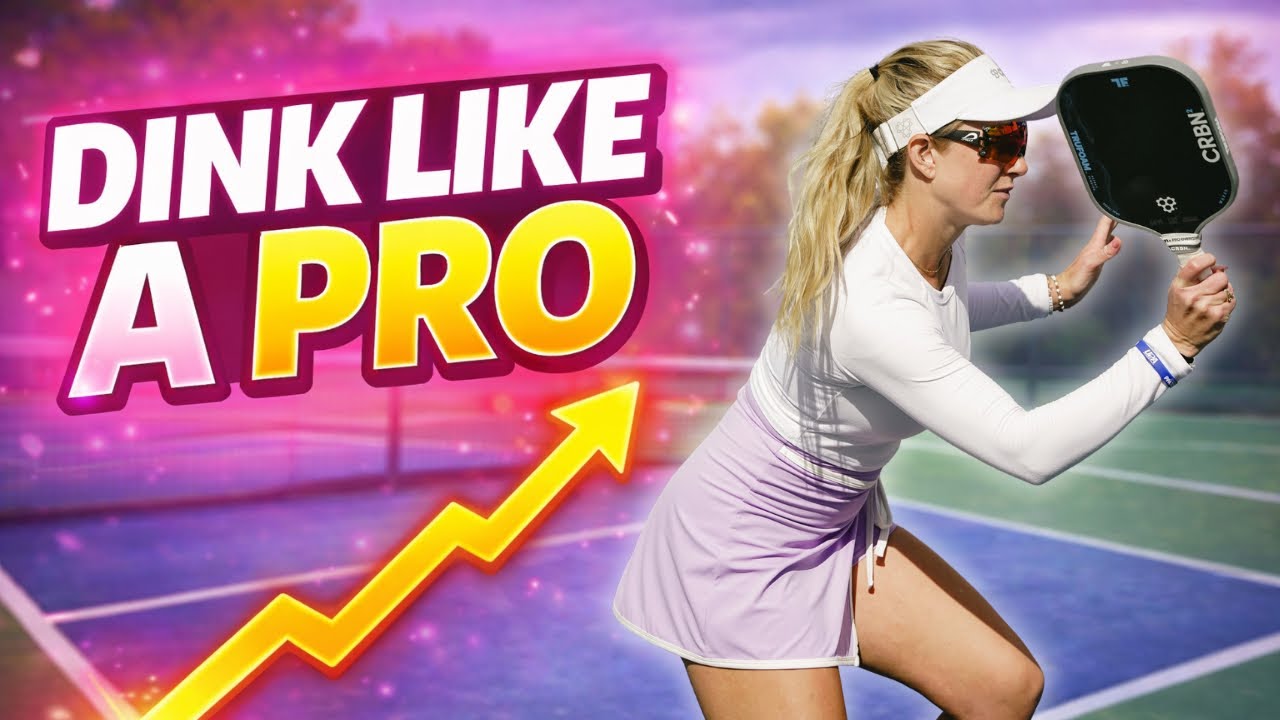
The first element of elite dinking starts before you even make contact with the ball. Grip pressure is everything, and most players get it wrong from the start. Griffith emphasizes maintaining a relaxed but controlled grip—tight enough to maintain paddle face angle, but loose enough to absorb the ball's energy.
Too much grip tension creates rigid shots that lack touch and finesse. Too little, and you'll lose control of your paddle face, leading to erratic placement. The sweet spot allows for subtle adjustments during contact, giving you the feel necessary for precision placement.
Shoulder Mechanics: The Secret to Consistency
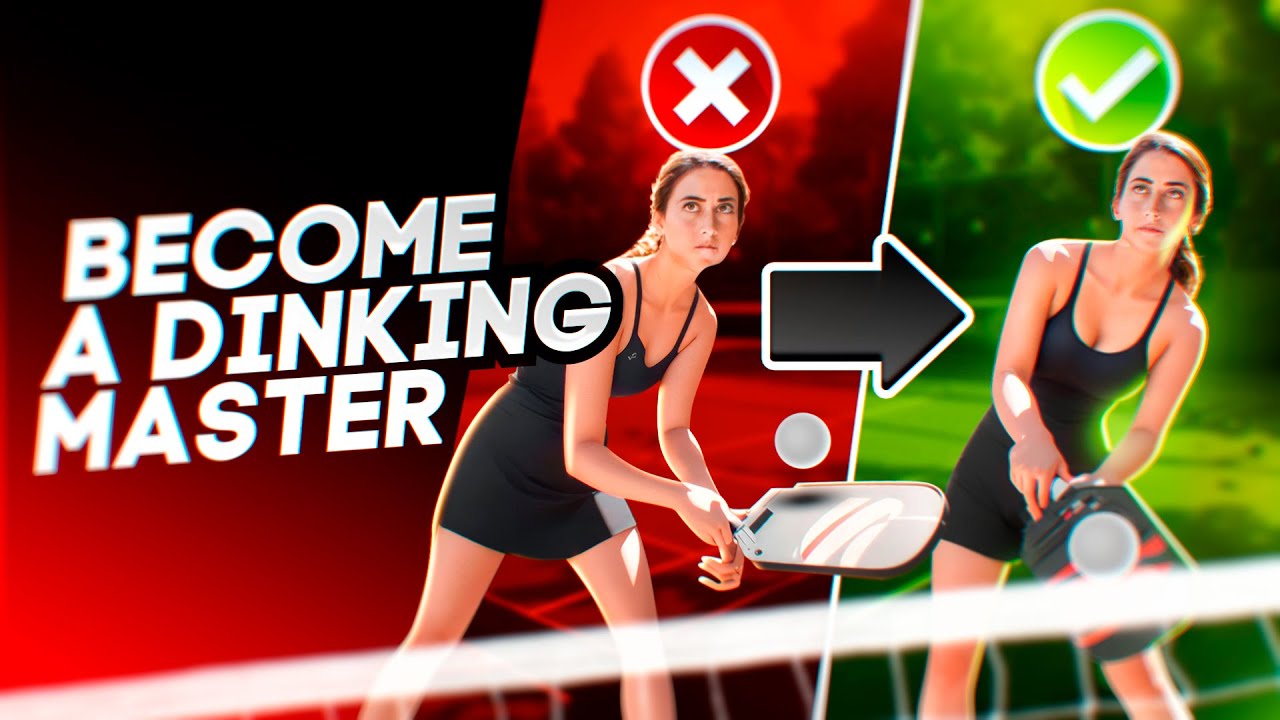
While many players focus solely on their hands and wrists, elite dinking originates from proper shoulder positioning and movement. Griffith demonstrates how keeping your shoulders square to the net and using minimal shoulder rotation creates a more stable platform for consistent contact.
The key is maintaining your shoulder position throughout the shot rather than opening up too early. This stability translates directly to better control over both direction and depth, two critical components of effective dinking.
Contact Point: Timing Is Everything
Perhaps the most crucial technical aspect is where and when you make contact with the ball. Catching the ball out in front of your body, rather than letting it drift back, gives you maximum control over the shot's trajectory and pace.
Griffith emphasizes making contact while the ball is still rising or at its peak, rather than on the downward trajectory. This timing allows you to guide the ball with intention rather than simply reacting to its path.
Eliminating the Pop-Up Problem
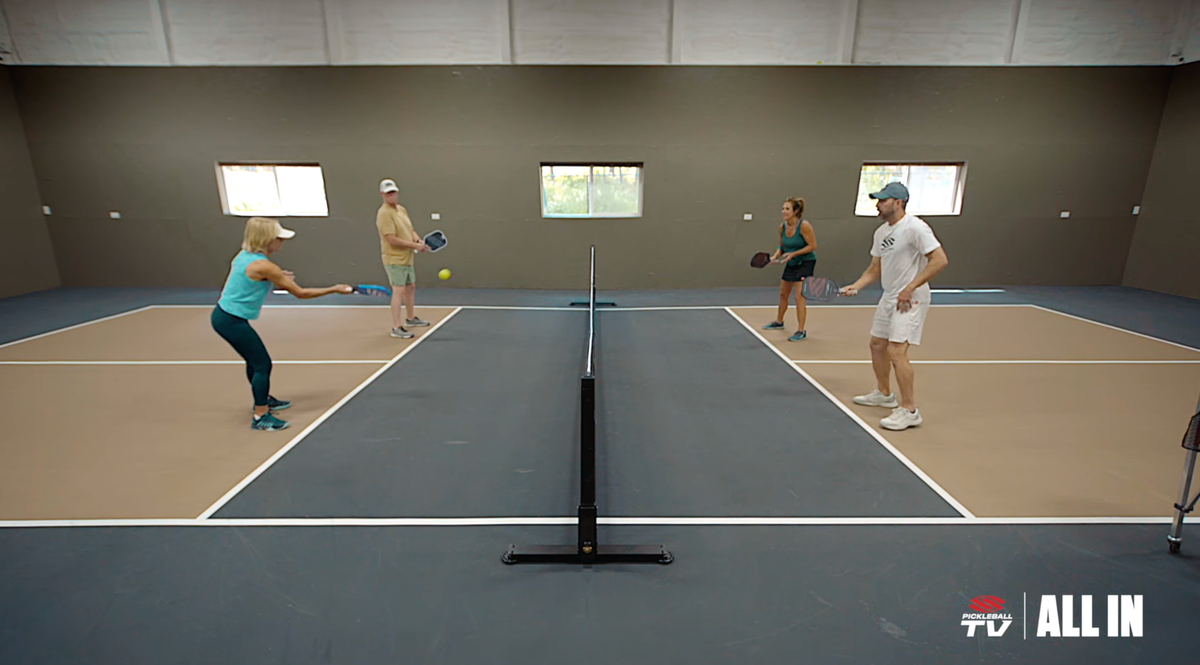
Pop-ups are the nemesis of effective dinking, and they usually stem from one of two issues: improper paddle angle or poor contact timing. The solution lies in maintaining a slightly closed paddle face and focusing on hitting through the ball rather than under it.
Many players try to "lift" the ball over the net, which actually creates the pop-up they're trying to avoid. Instead, think about hitting through the equator of the ball with a stable paddle face, letting the natural arc of your swing provide the necessary trajectory.
Building Dinking Consistency
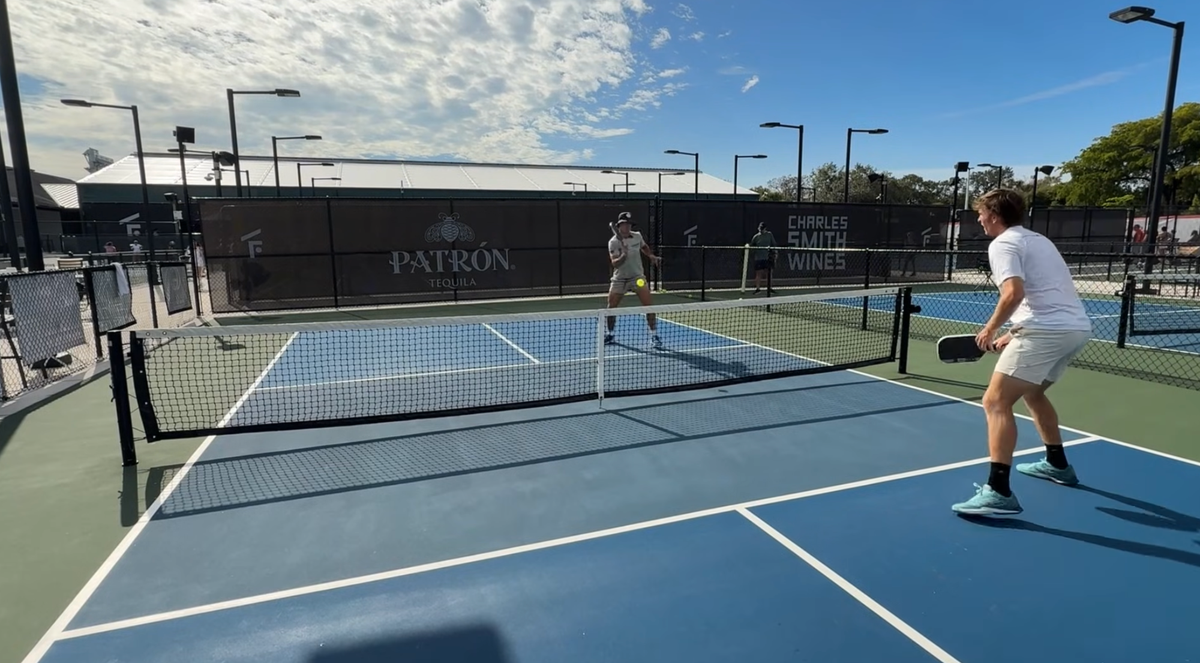
The final piece of the puzzle is developing the mental approach that supports technical excellence. Consistency comes from repetition with proper form, not from trying to hit perfect shots every time. Griffith advocates for focusing on process over outcome during practice sessions.
Start with cooperative dinking to groove the mechanics, then gradually add competitive elements. The goal is building muscle memory that holds up under pressure, which only comes through deliberate practice with correct technique.
Putting It All Together
These five elements work together to create the foundation of elite kitchen play. Master the grip, nail the shoulder mechanics, perfect your contact point, eliminate pop-ups, and build consistency through focused practice. Each element supports the others, creating a comprehensive approach to dinking excellence.
Remember, the dink isn't just about keeping the ball in play—it's about creating opportunities, applying pressure, and controlling the pace of points. With these professional techniques in your arsenal, you'll transform one of pickleball's most important shots from a weakness into a weapon.
Frequently Asked Questions
How long does it take to see improvement in dinking consistency?
With focused practice using proper technique, most players notice improved consistency within 2-3 weeks. However, developing truly elite dinking skills that hold up under competitive pressure typically takes several months of regular practice.
What's the most common mistake recreational players make when dinking?
The biggest error is trying to lift or scoop the ball over the net, which leads to pop-ups. Instead, focus on hitting through the middle of the ball with a slightly closed paddle face and let your natural swing arc provide the trajectory.
Should I practice dinking alone or with a partner?
Both have value. Solo practice against a wall helps groove mechanics and timing, while partner practice develops the tactical awareness and pressure management needed for actual game situations. Ideally, incorporate both into your training routine.