The transition zone - that treacherous stretch between the baseline and the kitchen line - is where recreational pickleball players watch their games fall apart. This is the battlefield where points are won and lost, yet most players stumble through it without a clear strategy.
Understanding how to navigate this critical area separates intermediate players from advanced competitors. The difference isn't just about getting to the net faster - it's about making smart decisions under pressure while positioning yourself for offensive opportunities.

Why the Midcourt Transition Matters
The midcourt represents the most vulnerable position on the pickleball court. You're too far from the baseline to hit aggressive groundstrokes, yet too far from the kitchen line to engage in effective dinking battles. This no-man's land forces players into awkward positions where they must make split-second decisions about shot selection and court positioning.
Players who master this transition gain a significant tactical advantage. They can apply consistent pressure on opponents while minimizing their own defensive vulnerabilities. The key lies in understanding that the midcourt isn't just a zone to pass through - it's a strategic position that requires specific techniques and timing.
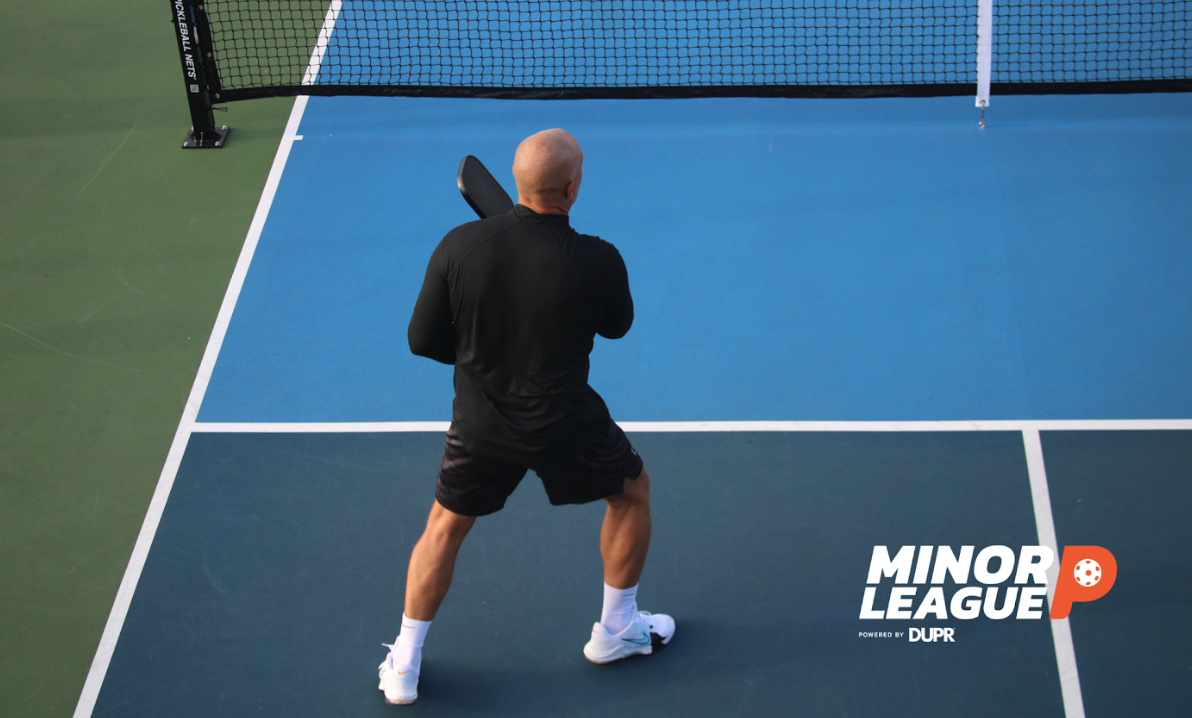
Step 1: Perfect Your Approach Shot Setup
The foundation of successful midcourt play begins before you even enter the transition zone. Your approach shot must serve dual purposes: putting pressure on your opponent while setting up your forward movement.
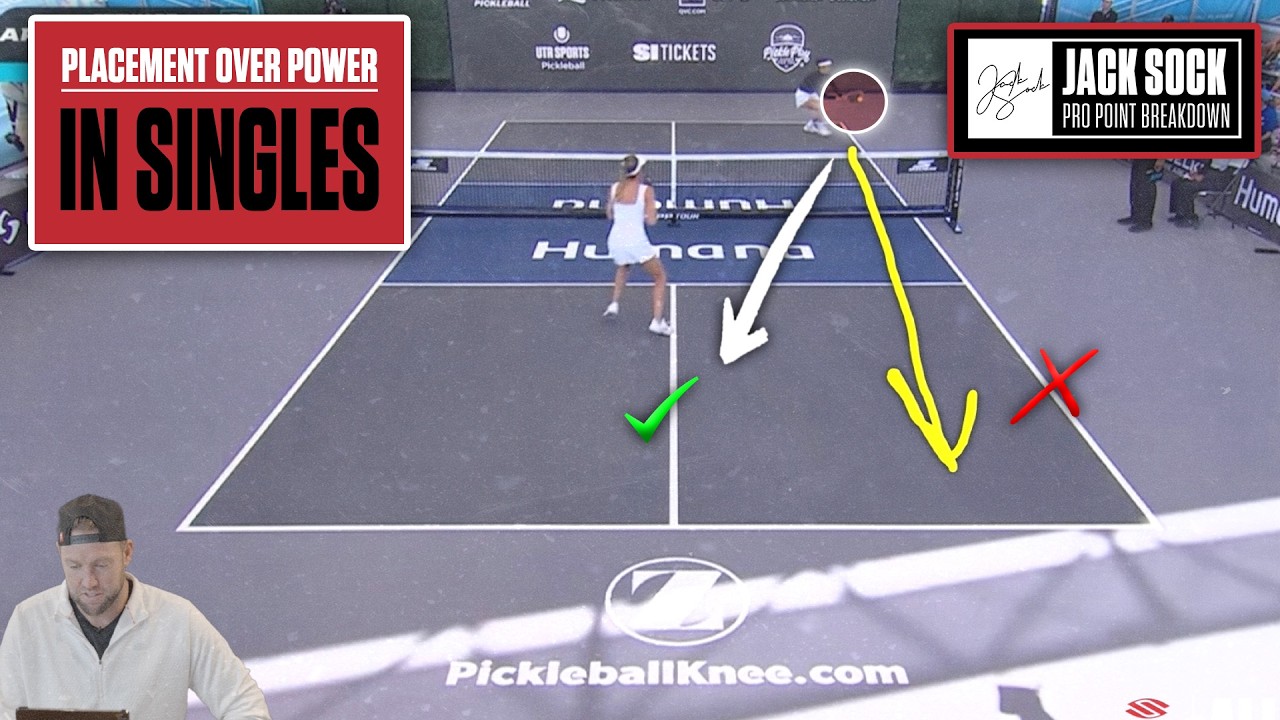
Focus on hitting deep, controlled shots that land within three feet of the baseline. This depth forces opponents into defensive positions while giving you time to advance. Avoid the temptation to hit winners from the midcourt - consistency and placement trump power in this scenario.
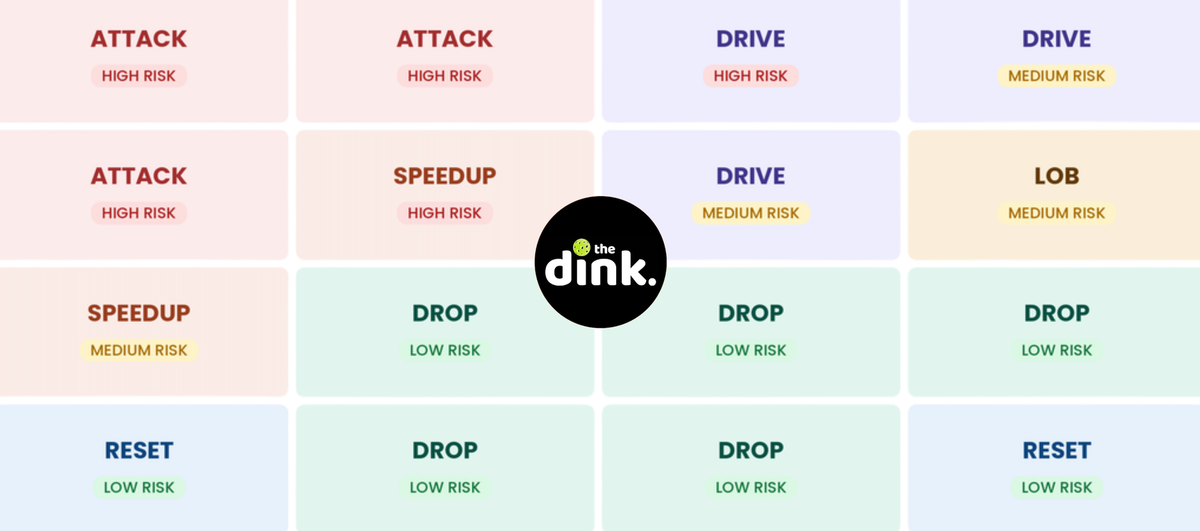
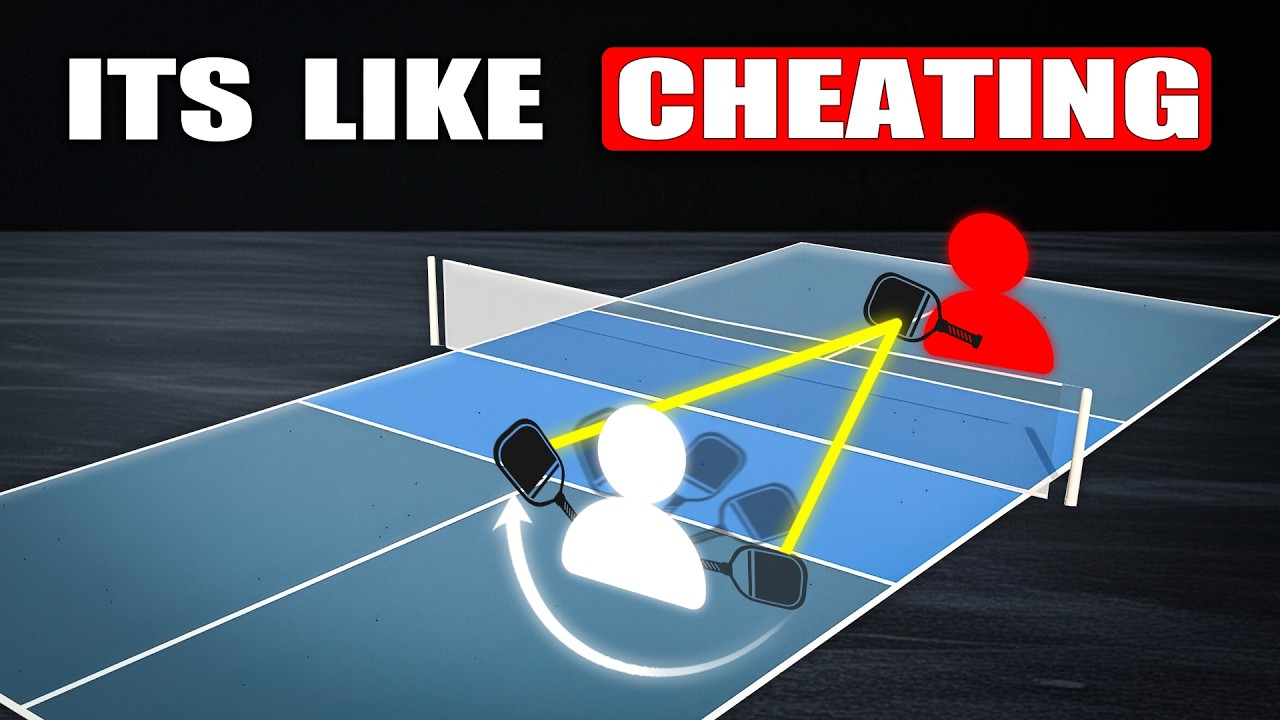
The trajectory of your approach shot should be low and penetrating, making it difficult for opponents to attack. Aim for your opponent's backhand or directly at their body to limit their options for aggressive returns.
Step 2: Master the Split-Step Timing
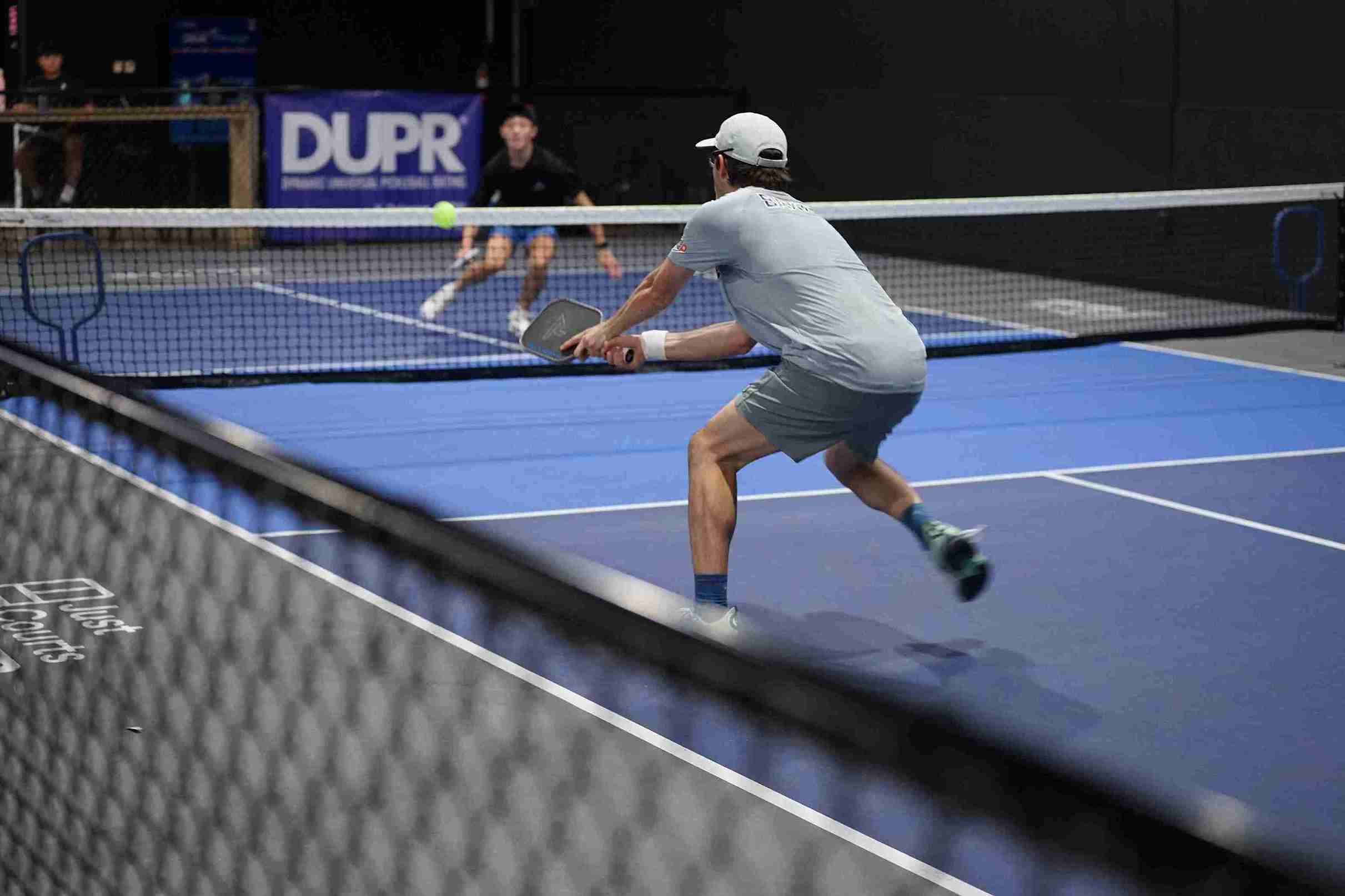
The split-step is your defensive anchor in the transition zone. This athletic position allows you to react quickly to your opponent's shot while maintaining balance for your next move.
Execute your split-step just as your opponent makes contact with the ball. Your feet should be shoulder-width apart, knees slightly bent, and weight distributed evenly. This ready position enables quick lateral or forward movement based on the incoming shot.
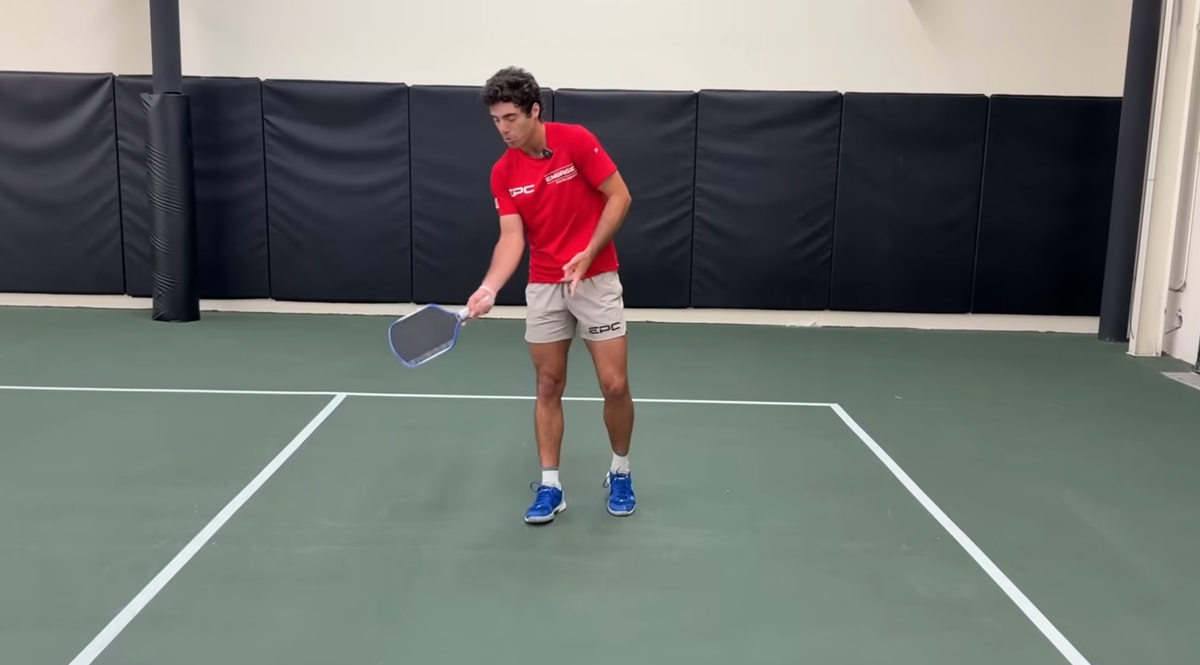
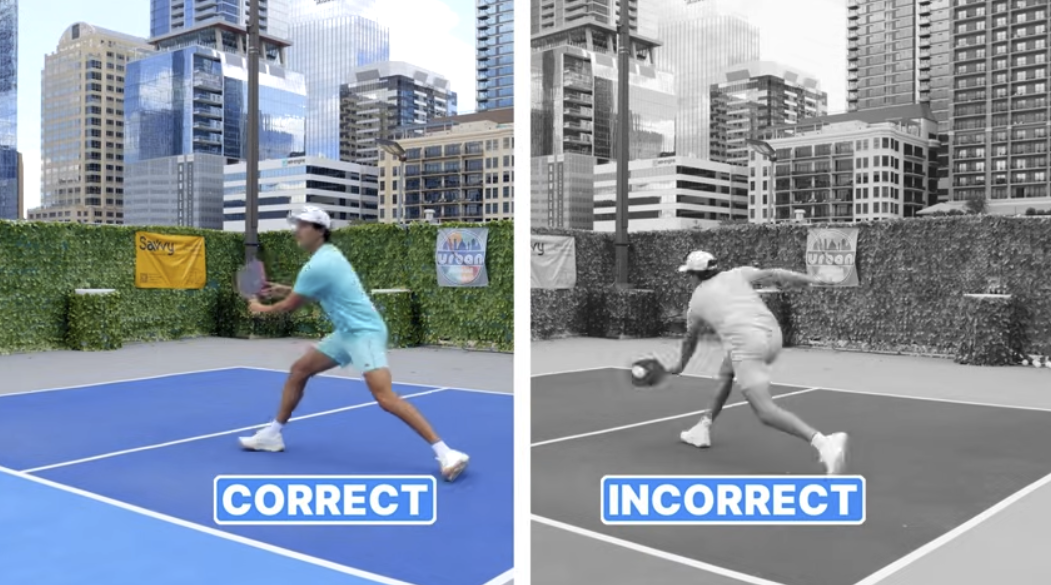
Many players make the mistake of continuing to run forward after hitting their approach shot. This forward momentum leaves them vulnerable to passing shots and makes it difficult to handle low balls at their feet.
Reading Your Opponent's Position
Use the split-step moment to assess your opponent's position and paddle angle. If they're moving laterally or backing up, continue your advance to the net. If they're set up in an offensive position, prepare to defend and reset the point.
Step 3: Execute the Progressive Advance
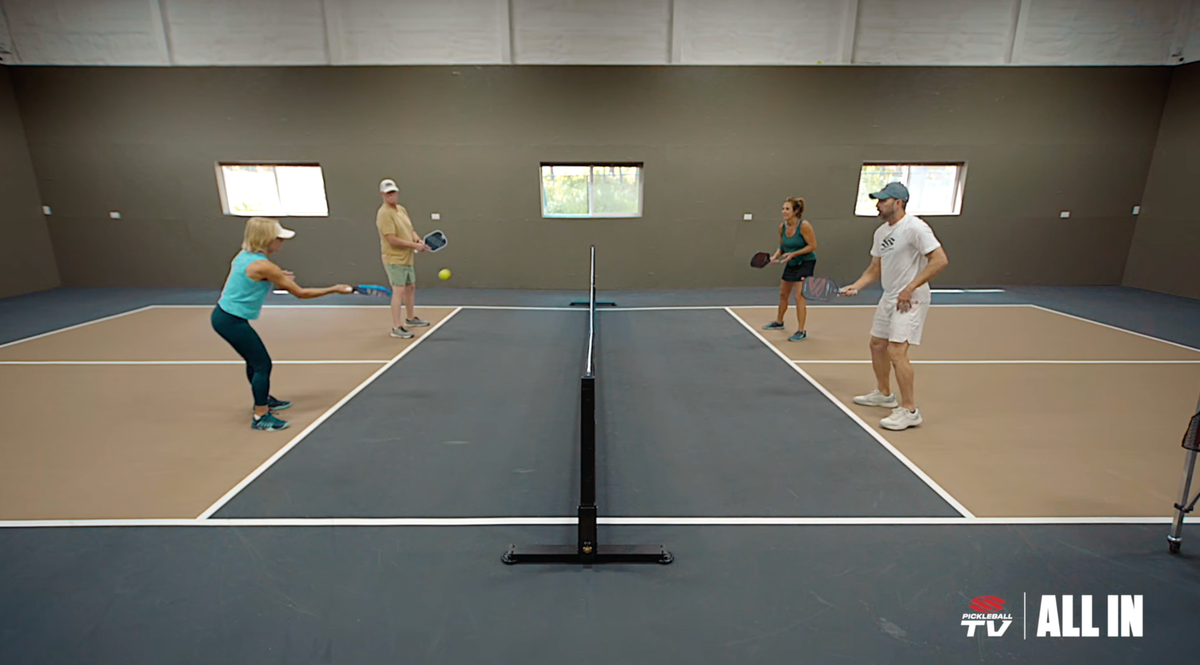
The final step involves strategic positioning that puts you in control of the rally's tempo. Rather than rushing to the kitchen line in one movement, advance in calculated steps that correspond to the quality of your shots.
After a strong approach shot, move forward approximately 2-3 steps and prepare for the next ball. If you force a weak return, continue advancing. If your opponent produces a quality shot, hold your position and focus on consistency.
This progressive approach prevents you from getting caught in awkward positions while maintaining forward pressure. Each shot should improve your court position, gradually working your way to the optimal position at the kitchen line.
Finishing at the Net
Once you've successfully navigated to the kitchen line, establish your presence with confident volleys and strategic dinks. The work you've done in the transition zone should have created favorable matchups and positioning advantages.
Common Midcourt Mistakes to Avoid
Many players rush through the transition zone without proper shot preparation or defensive awareness. Others become too conservative and fail to capitalize on weak returns. Finding the balance between aggression and patience requires practice and match experience.
Remember that not every approach shot will result in an immediate advantage. Sometimes the best outcome is reaching the kitchen line safely while maintaining rally control.
FAQ
How do I know when to advance versus when to stay back in the midcourt?
Advance when your shot forces a defensive response from your opponent - typically when they're moving backward or laterally. Stay back when your opponent is in an offensive position or when your shot lacks depth and pace.
What's the biggest mistake players make in the transition zone?
The most common error is continuing to run forward without executing a proper split-step. This leaves players off-balance and unable to handle low balls or passing shots effectively.
How long should it take to master the midcourt transition?
With focused practice, most players can see improvement in 4-6 weeks. However, mastering the subtle timing and decision-making aspects can take several months of consistent play and drilling.