Are you tired of watching your shots sail directly into your opponent's wheelhouse? Those aggravating pop-ups that seem to happen at the worst possible moments aren't random occurrences—they're the result of a specific technical flaw that can be fixed.
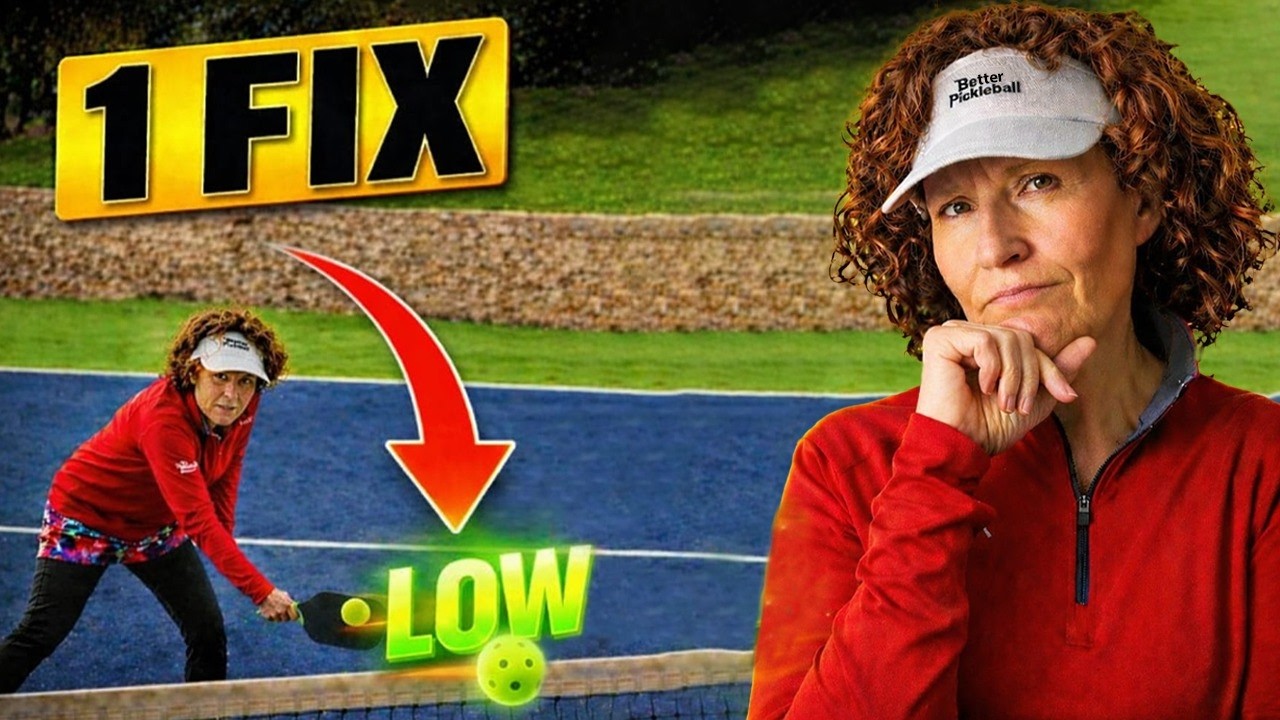
C.J. Johnson from Better Pickleball has identified the root cause of this frustrating problem, and it's not what most players think. The issue isn't about hitting the ball too high or using too much force. Instead, it's all about energy control and one critical aspect of your technique: your backswing.
Understanding the Real Problem Behind Pop-Ups
Most recreational players believe pop-ups occur because they're hitting the ball with an upward trajectory. This misconception leads them to focus on keeping their paddle face down or hitting with more downward force. However, these adjustments often make the problem worse.
The truth is that pop-ups are fundamentally about energy transfer and control. When you take too large of a backswing, you're loading your shot with excessive energy that becomes difficult to control at the point of contact. This surplus energy has to go somewhere, and it typically results in the ball launching higher and deeper than intended.
Why Your Backswing Is the Primary Culprit
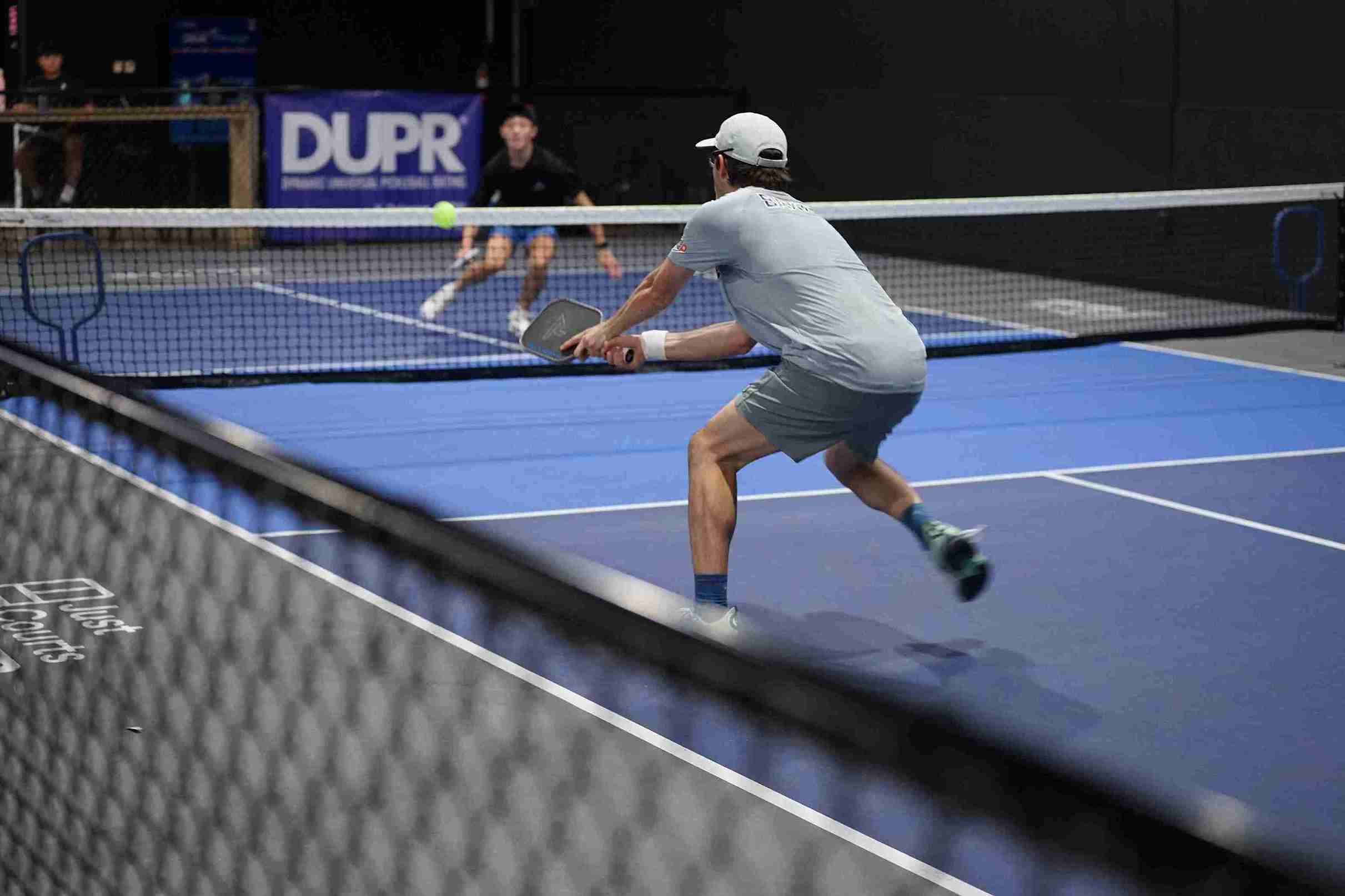
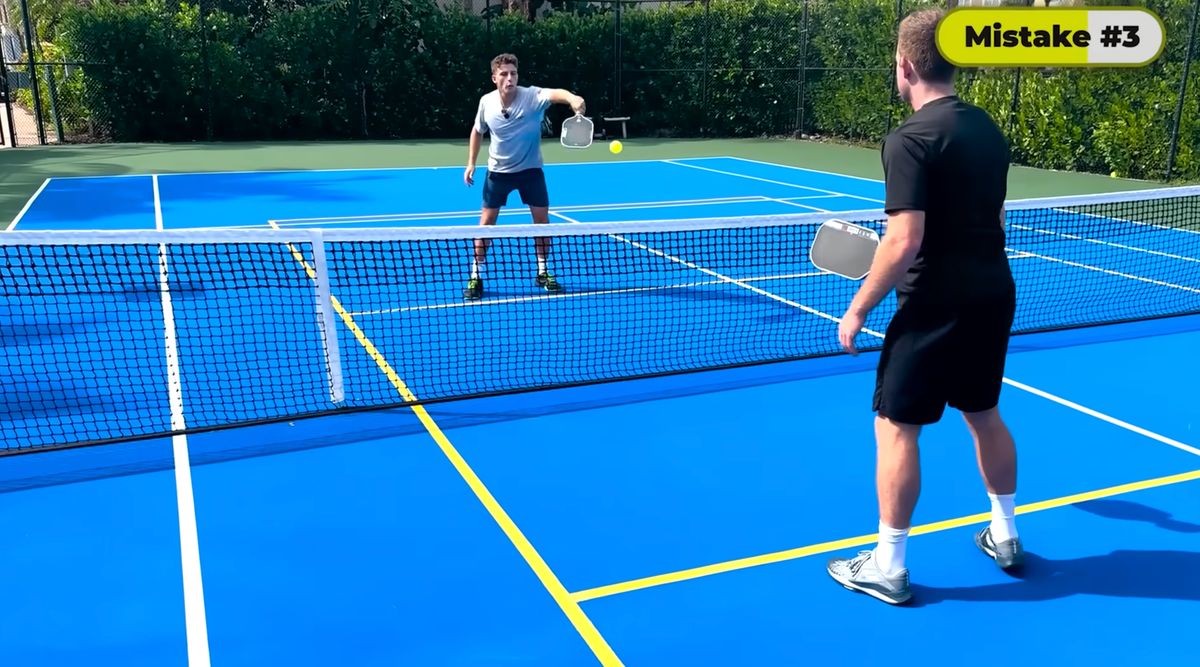
Your backswing sets the foundation for every shot you hit. When you're positioned at the non-volley zone, quick exchanges demand precise energy management. A lengthy backswing creates several problems:
Timing Issues
Longer backswings require more time to execute, making it harder to time your shots correctly during fast-paced exchanges. This timing disruption often leads to rushed contact points and inconsistent results.
Energy Overload
Extended backswings generate more momentum than necessary for close-range shots. This excess energy becomes difficult to control, especially when you're trying to keep the ball low and aggressive.
Reduced Consistency
Larger movements introduce more variables into your swing mechanics. The more moving parts involved, the greater the chance for something to go wrong at the crucial moment of ball contact.
The Solution: Compact Backswing Technique
The fix for pop-ups lies in dramatically reducing your backswing, particularly during net exchanges. Instead of taking your paddle back extensively, focus on a compact, controlled preparation that allows for better energy management.
Key Elements of Proper Backswing
Your backswing should be minimal when you're close to the net. Think of it as a "loading" motion rather than a full swing preparation. The paddle should move back only as much as necessary to generate adequate power for your intended shot.
Focus on using your shoulder and core rotation rather than arm extension to generate power. This approach provides better control while maintaining the ability to hit aggressive shots when opportunities arise.
The Exact Drill to Eliminate Pop-Ups
Practice this simple but effective drill to retrain your backswing mechanics:
Position yourself at the non-volley zone line with a partner feeding balls from across the net. Start with your paddle in a ready position and focus on taking only a minimal backswing—no more than 12 inches behind your body.
Hit 20 consecutive shots focusing solely on backswing control, not on power or placement. Pay attention to how the reduced backswing affects your timing and ball control. You should notice improved consistency and fewer pop-ups almost immediately.
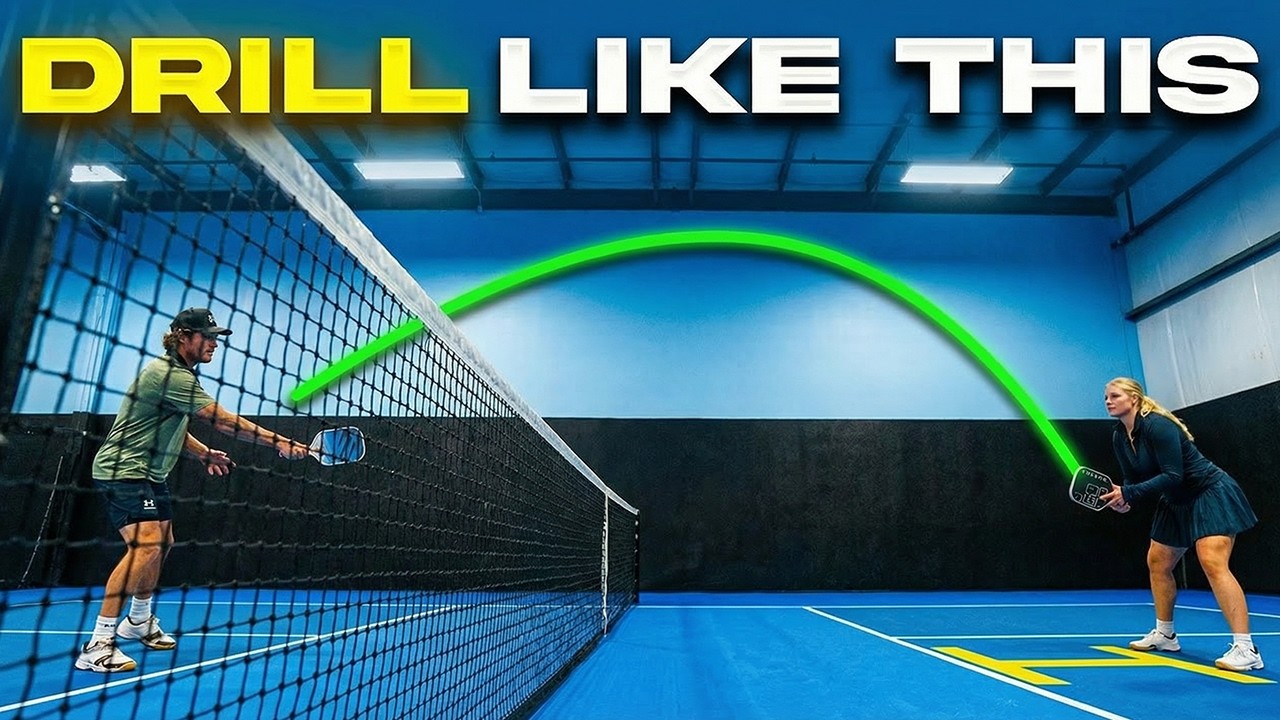
Gradually increase the pace of the feeds while maintaining your compact backswing. This progression helps you develop muscle memory for the correct technique under pressure.
Long-Term Benefits of Improved Backswing Control
Mastering your backswing doesn't just eliminate pop-ups—it transforms your entire net game. You'll experience improved reaction time, better shot placement, and increased confidence during fast exchanges.
The compact backswing technique also sets you up for more advanced strategies, including better disguise on your shots and improved ability to handle aggressive attacks from opponents.
Frequently Asked Questions
How long does it take to fix pop-up problems?
Most players see immediate improvement in their consistency within a few practice sessions. However, developing complete muscle memory for the new technique typically takes 2-3 weeks of focused practice.
Will a shorter backswing reduce my power?
Initially, you might feel like you're hitting with less power, but proper technique actually improves energy transfer efficiency. You'll generate adequate power through better timing and core rotation rather than arm swing.
Should I use a compact backswing for all shots?
The compact backswing is most important during net exchanges and defensive situations. For offensive groundstrokes and serves, a slightly longer backswing may be appropriate, but the principle of energy control still applies.