The return of serve in pickleball is arguably the most undervalued shot in the entire game. While most recreational players simply focus on getting the ball back over the net, savvy competitors understand that a well-executed return can immediately shift court control in your favor.
Think about it: you're guaranteed to hit this shot at least half the time in any match, yet how much practice do you dedicate to perfecting it? If you can elevate your return game, you'll gain a tactical edge before the third shot drop even comes into play.
The Strategic Foundation of Return Excellence
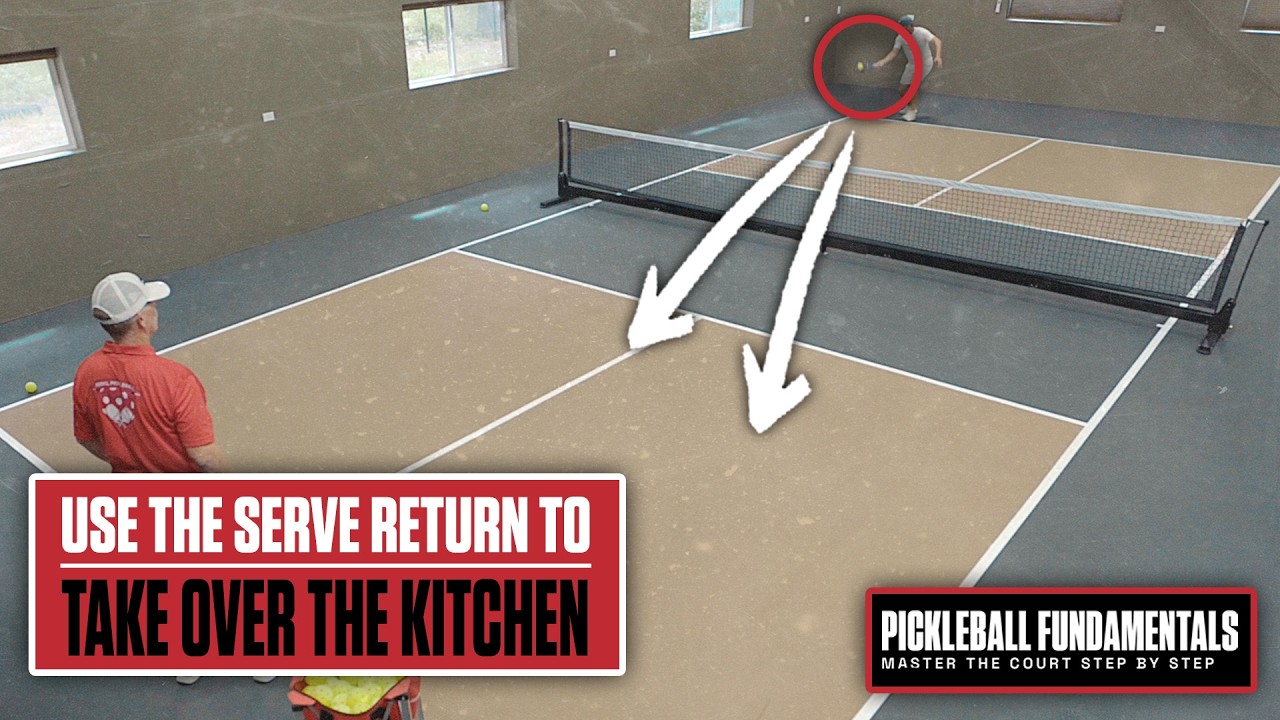
A powerful return isn't about hitting winners—it's about creating pressure and positioning yourself for success in the rally ahead. When you execute a deep, well-placed return, you force the serving team to hit their third shot from the baseline while you and your partner advance to the kitchen line.
This positional advantage is crucial because the team that reaches the non-volley zone first typically controls the point. Your return serves as the bridge between defense and offense, setting up everything that follows.
Essential Return Positioning and Footwork
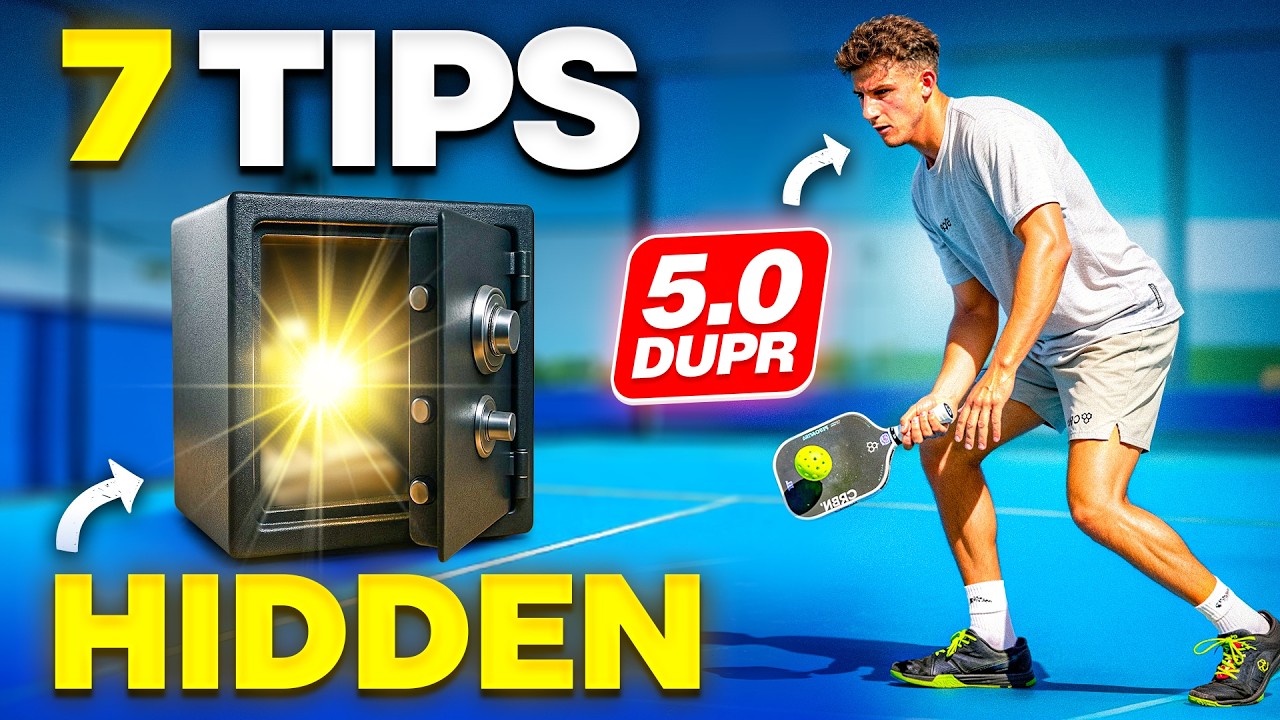
Proper positioning begins before the serve is even struck. Stand approximately three feet behind the baseline in a ready position, with your weight slightly forward on the balls of your feet. This gives you room to move forward for short serves while maintaining balance for deeper shots.
The Split Step Advantage
As the server makes contact, execute a small split step—a slight hop that lands you in an athletic stance just as the ball crosses the net. This timing allows you to react quickly in any direction and maintains your balance throughout the return motion.
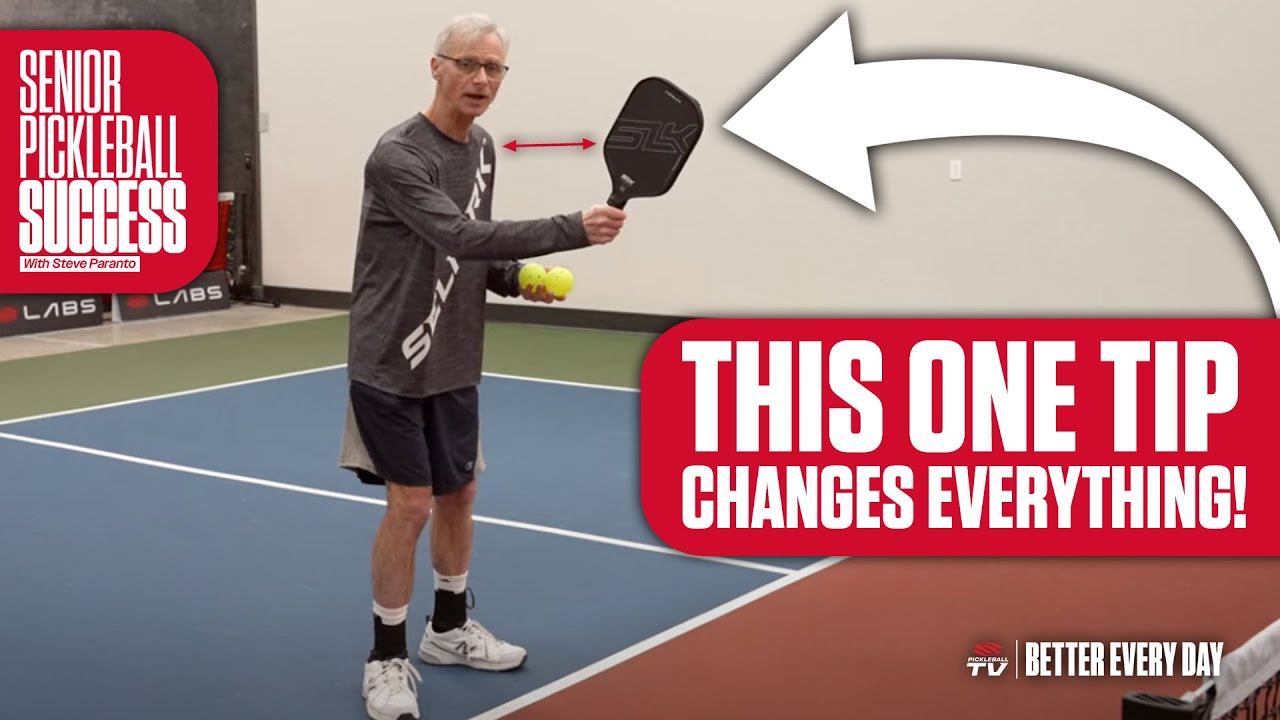
Your paddle should be in a neutral position, ready to adjust for forehand or backhand returns. Keep your non-dominant hand extended for balance and to help gauge the incoming ball's trajectory.
Target Selection and Shot Execution
The most effective returns land deep in your opponent's court, ideally within three feet of the baseline. This depth forces the serving team to hit their third shot from a disadvantageous position, making it harder to execute a quality drop shot.
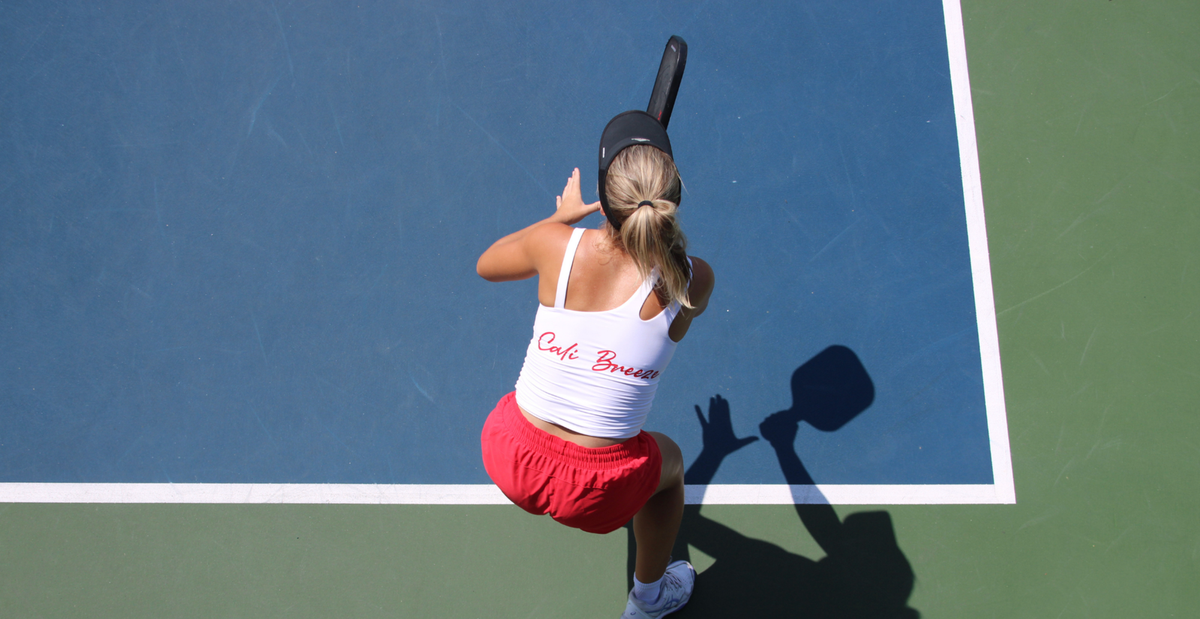
Cross-Court vs. Down-the-Line Returns
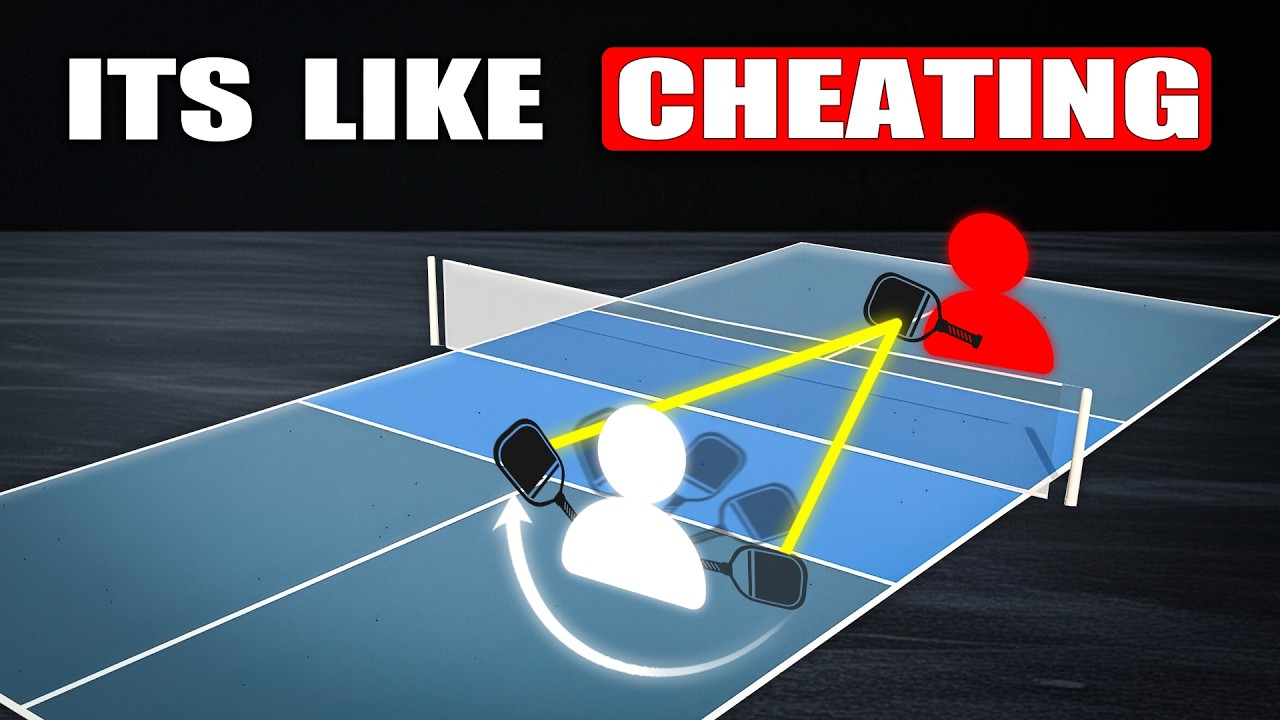
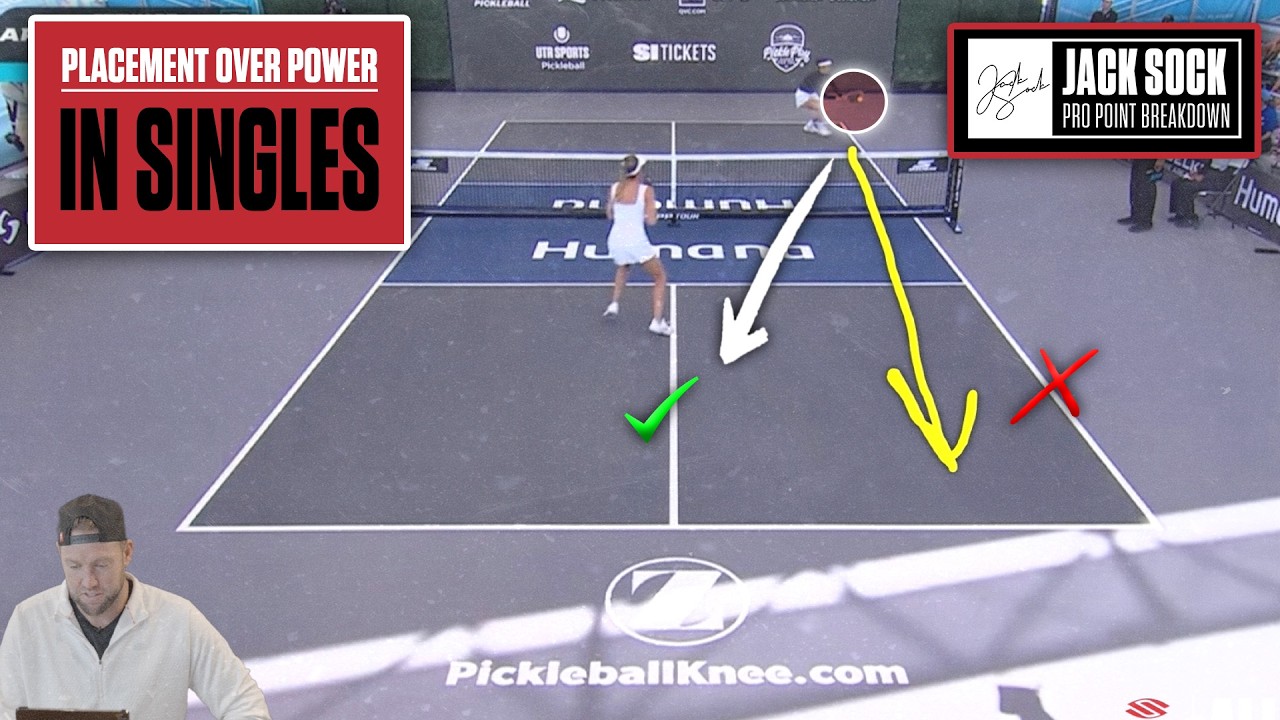
Cross-court returns offer several advantages: they travel over the lowest part of the net, provide the longest possible target area, and keep the ball away from the net player who might be poaching. However, don't become too predictable—mixing in occasional down-the-line returns keeps opponents honest.
When returning cross-court, aim for the back third of the service box. For down-the-line returns, target the outside edge of the court to minimize the net player's opportunity to intercept.
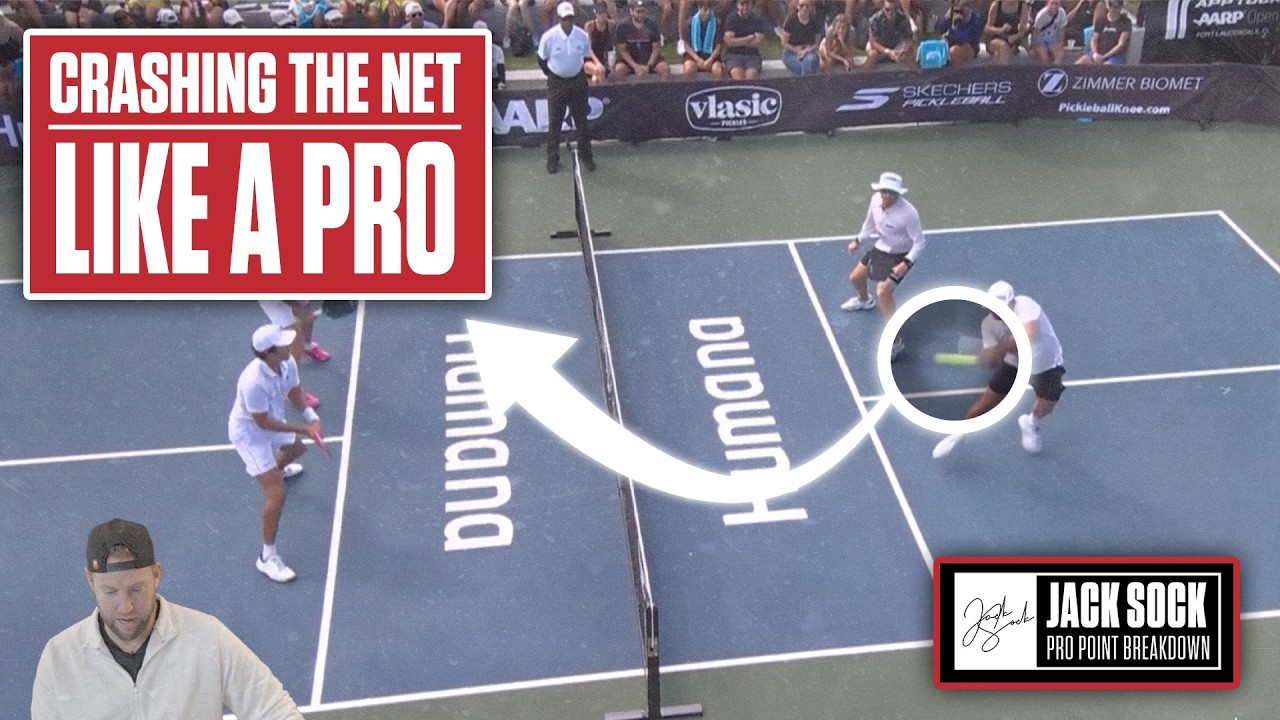
Advanced Return Strategies
Once you've mastered consistent depth, consider incorporating these advanced tactics:
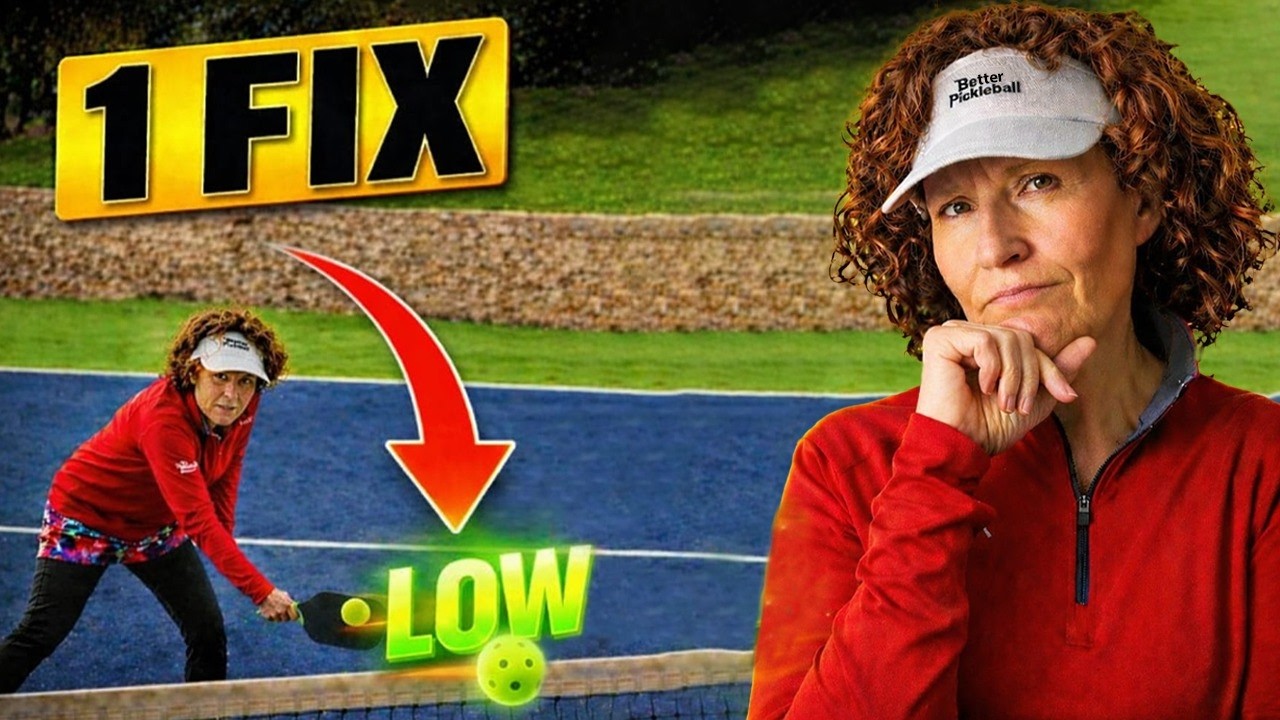
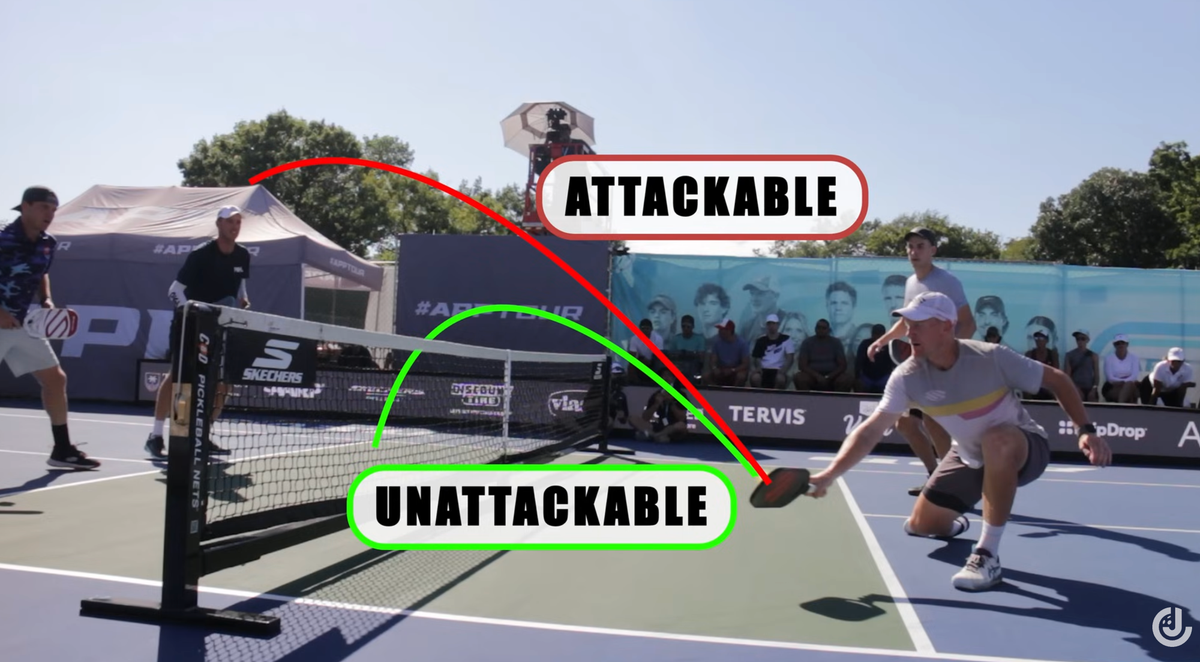
The Power Return: Against weak servers, a firm, low return can put immediate pressure on the serving team. Keep the ball below net height to prevent easy put-aways.
The Lob Return: When facing aggressive net rushers, a well-timed lob return can catch them off-guard and reset the point in your favor.
The Short Angle Return: Occasionally dropping a return short and wide can pull the server out of position, creating openings for your next shot.
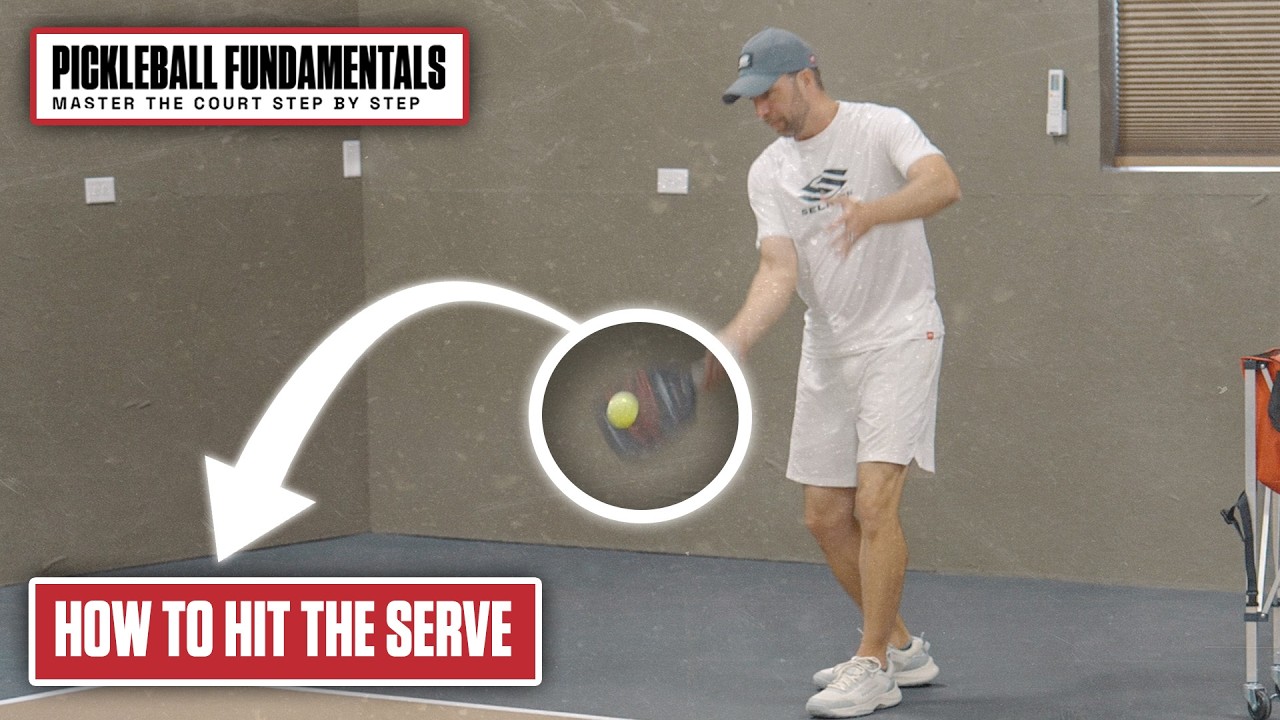
Common Return Mistakes to Avoid
Many players sabotage their returns by trying to do too much. Avoid these critical errors:
- Hitting returns too short, allowing easy third-shot drops
- Going for winners instead of focusing on depth and consistency
- Standing too close to the baseline, limiting reaction time
- Failing to move forward after the return, conceding court position
Building Return Consistency Through Practice
Dedicate specific practice time to return drills. Have a partner serve to different locations while you focus on achieving consistent depth and placement. Track your success rate—aim for landing 80% of returns in the back third of the court.
Remember, the return of serve is your first opportunity to seize control of each point. By treating it as a strategic weapon rather than a mere defensive shot, you'll transform this underrated stroke into one of your greatest competitive advantages.
Frequently Asked Questions
Should I always return cross-court in pickleball?
While cross-court returns are generally safer and more effective due to the longer target area and lower net height, mixing in occasional down-the-line returns keeps opponents guessing and prevents them from anticipating your shots.
How deep should my pickleball returns land?
Aim for the back third of the opponent's court, ideally within 2-3 feet of the baseline. This depth forces the serving team to hit their third shot from a disadvantageous position, making it harder to execute quality drop shots.
When should I use a lob return in pickleball?
Lob returns work best against opponents who rush to the net immediately after serving, or when you're pulled wide and need time to recover court position. Use them sparingly to maintain their effectiveness as a surprise tactic.