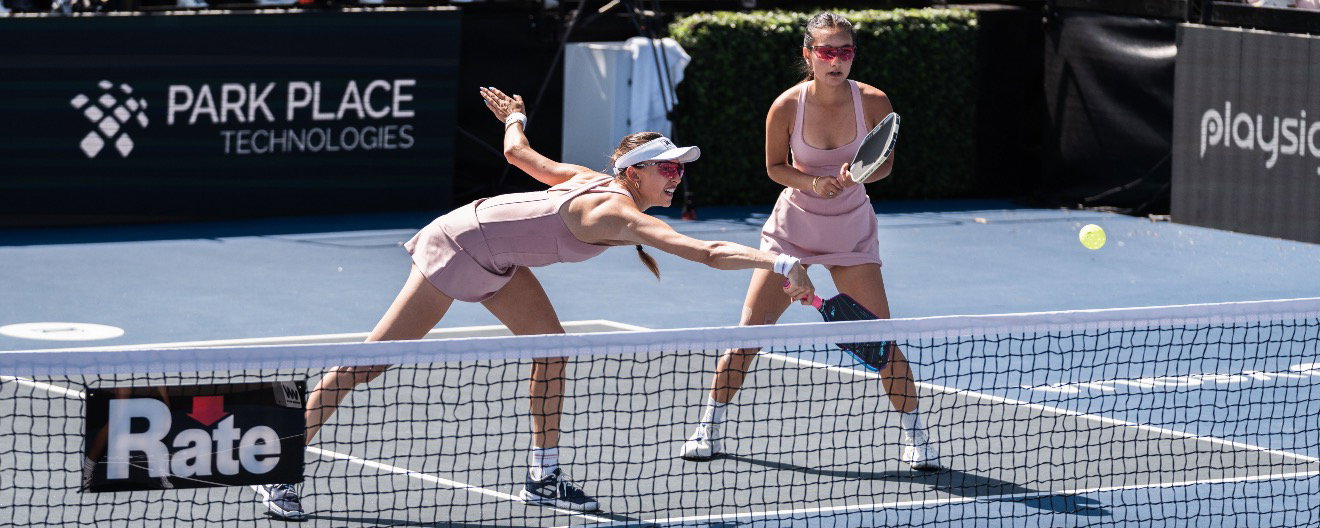
The gap between recreational and professional pickleball isn't just about athleticism—it's about strategic intelligence that most players never develop. These seven advanced techniques, refined through high-level tournament play, will fundamentally shift how you think about positioning, timing, and opponent psychology.
The Mental Framework That Separates Champions
Professional pickleball players operate with a completely different mental model than recreational players. While amateur players react to what's happening, pros are already three shots ahead, reading subtle body language cues and court positioning that telegraph their opponent's next move.
This isn't about natural talent—it's about understanding patterns that emerge at every skill level. Tournament-tested strategies focus on exploiting consistent weaknesses in decision-making that plague even advanced recreational players.
Advanced Court Positioning That Changes Everything
1. The Shadow System
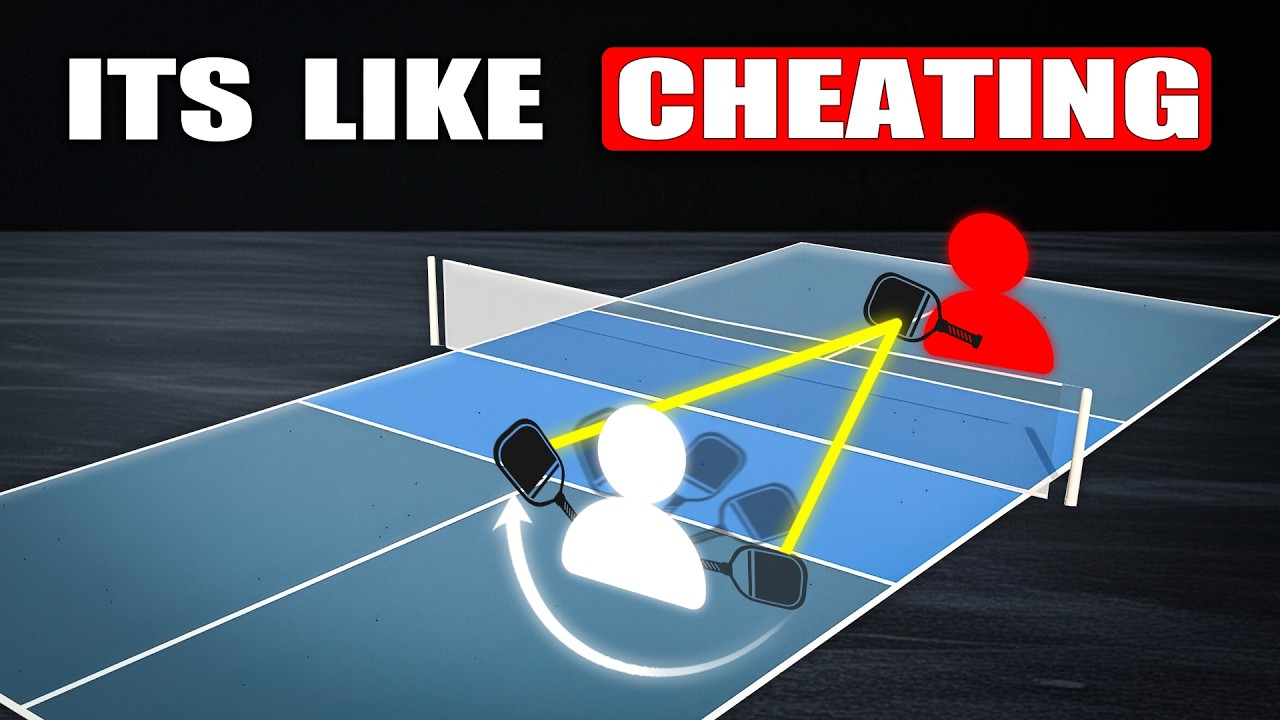
Elite players use a positioning technique called "shadowing" where they mirror their opponent's court position with subtle adjustments that create offensive opportunities. Instead of static positioning, pros constantly micro-adjust based on their opponent's paddle angle and weight distribution.
2. Pressure Point Mapping
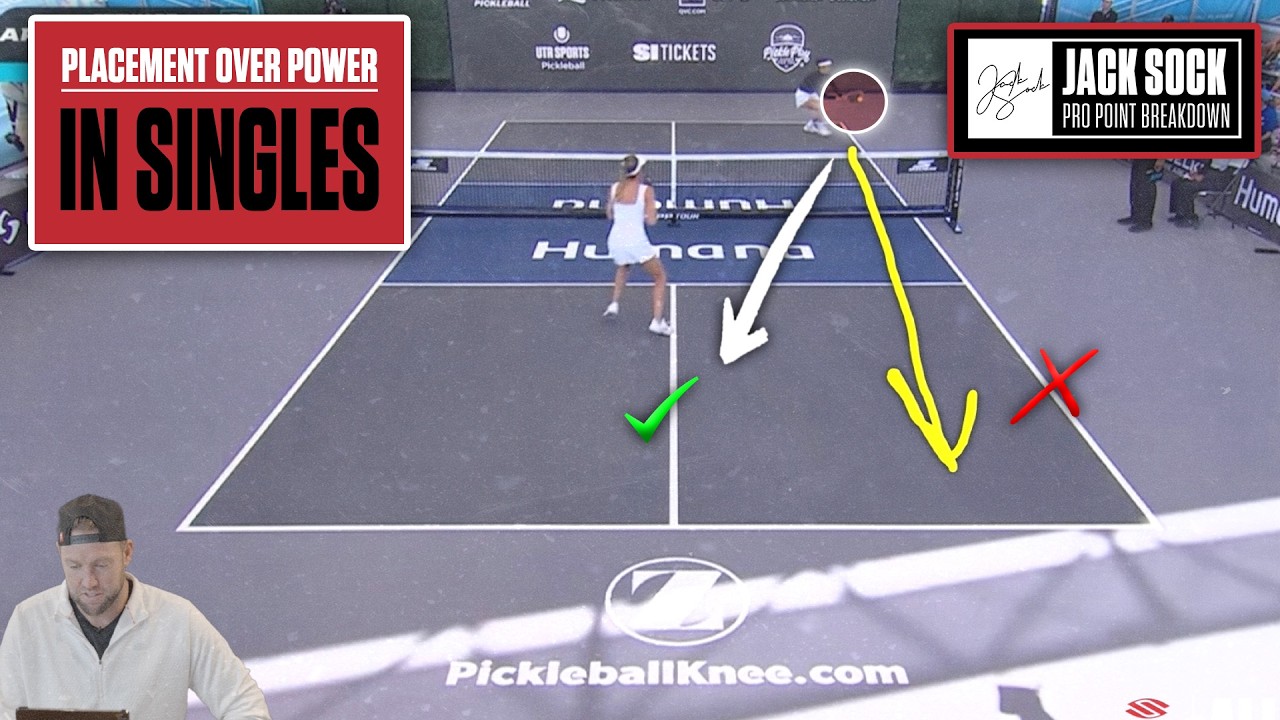
Professional players identify and target specific court zones that create maximum pressure for their opponents. These aren't obvious weak spots—they're psychological pressure points that force uncomfortable decision-making under time constraints.
Shot Selection Psychology
3. The Patience Paradox
Counter-intuitively, aggressive players at the pro level win more points through strategic patience than through power. They understand that forcing errors through controlled pressure is more effective than attempting winners.
4. Tempo Manipulation
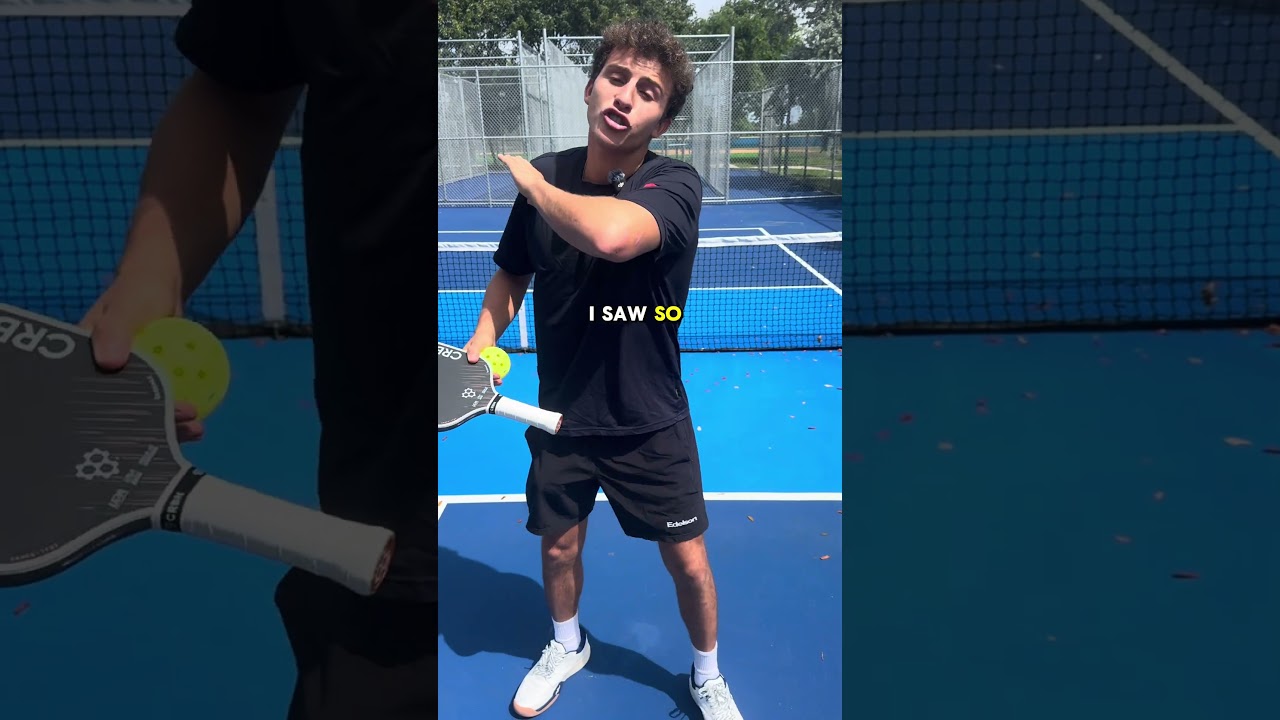
Advanced players control rally rhythm by deliberately varying shot pace and placement timing. This technique disrupts opponent comfort zones and creates opportunities for putaways when opponents are off-balance.
Reading Your Opponent Like a Pro
5. Pre-Shot Tell Recognition
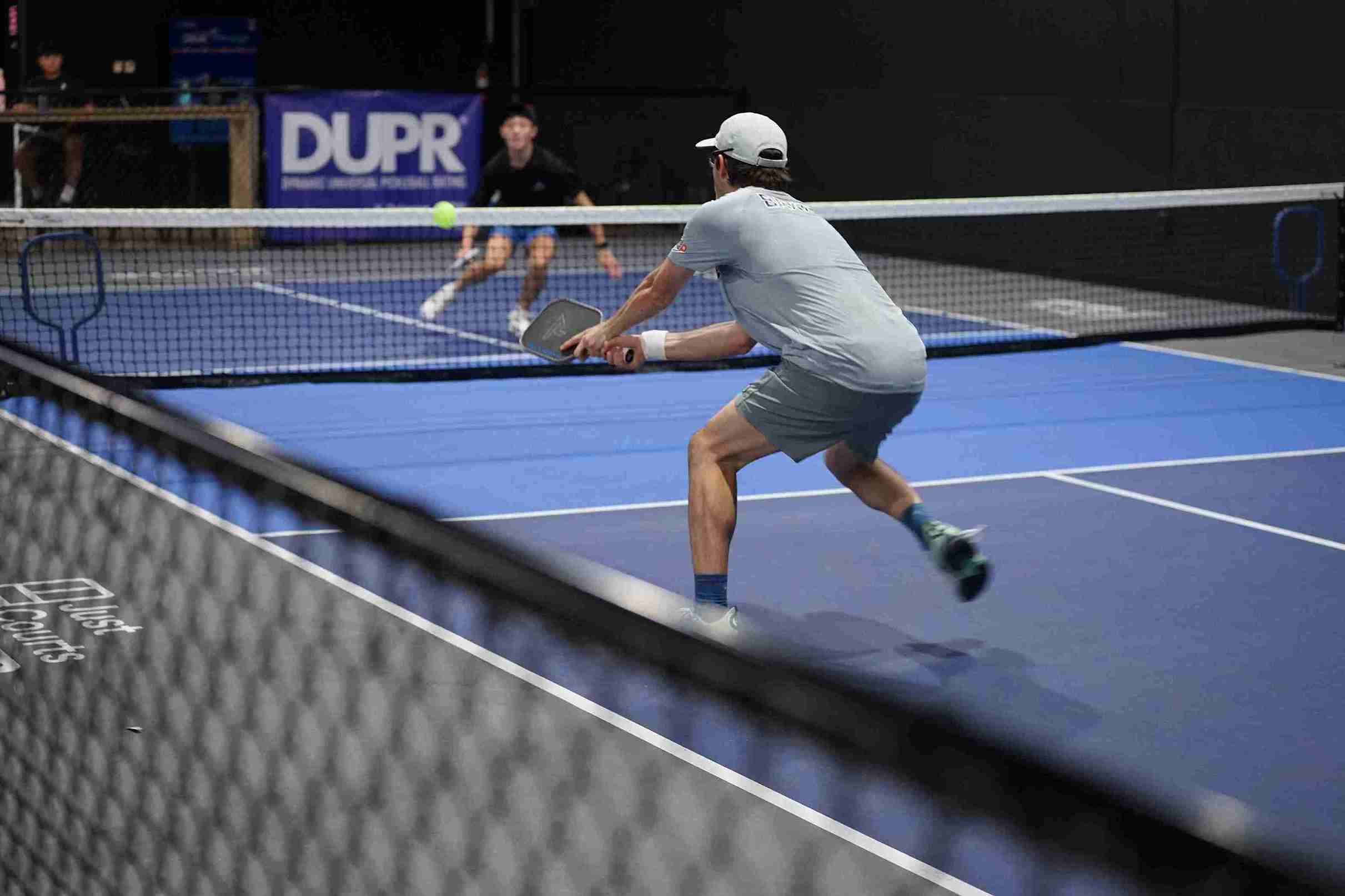
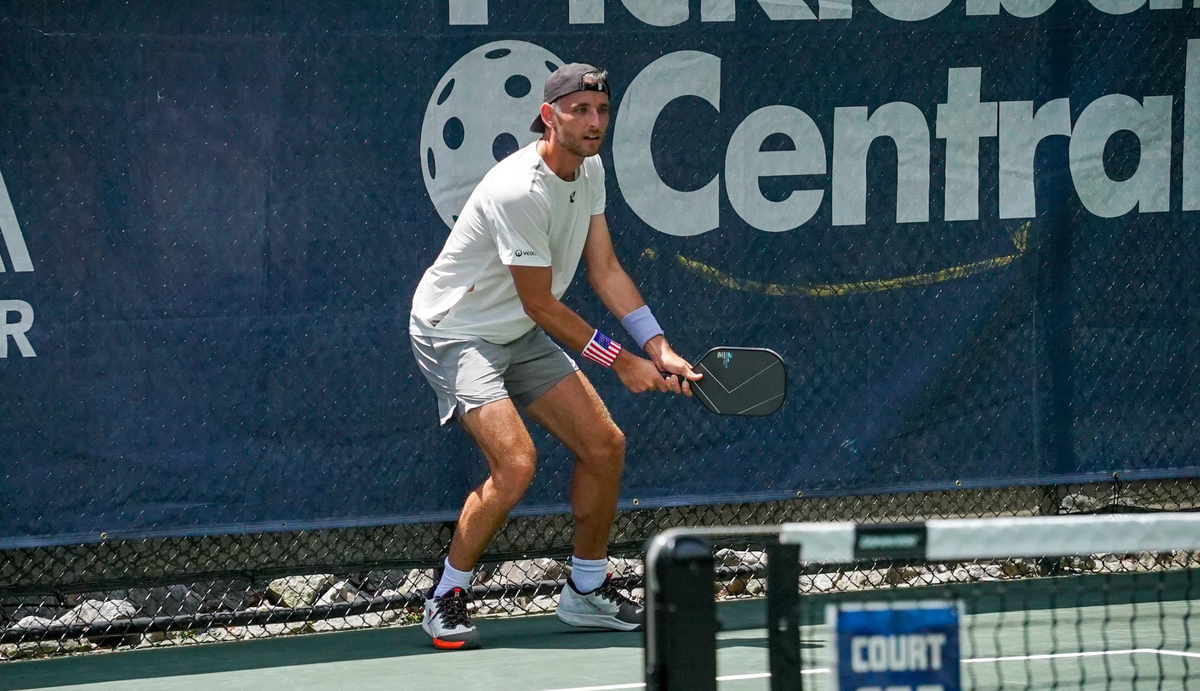
Professional players develop an almost supernatural ability to predict shot direction based on subtle preparation cues. Shoulder rotation, paddle height, and weight shift patterns reveal opponent intentions before contact.
6. Exploiting Decision Fatigue
Tournament players understand that mental fatigue affects decision-making before physical fatigue impacts shot execution. They deliberately create complex tactical situations that overwhelm opponent processing capacity.
The Ultimate Strategic Edge
7. Adaptive Game Planning
Elite players don't just have one game plan—they have systematic approaches for adjusting strategy mid-match based on opponent responses. This meta-level thinking allows them to stay ahead of opponent adaptations.
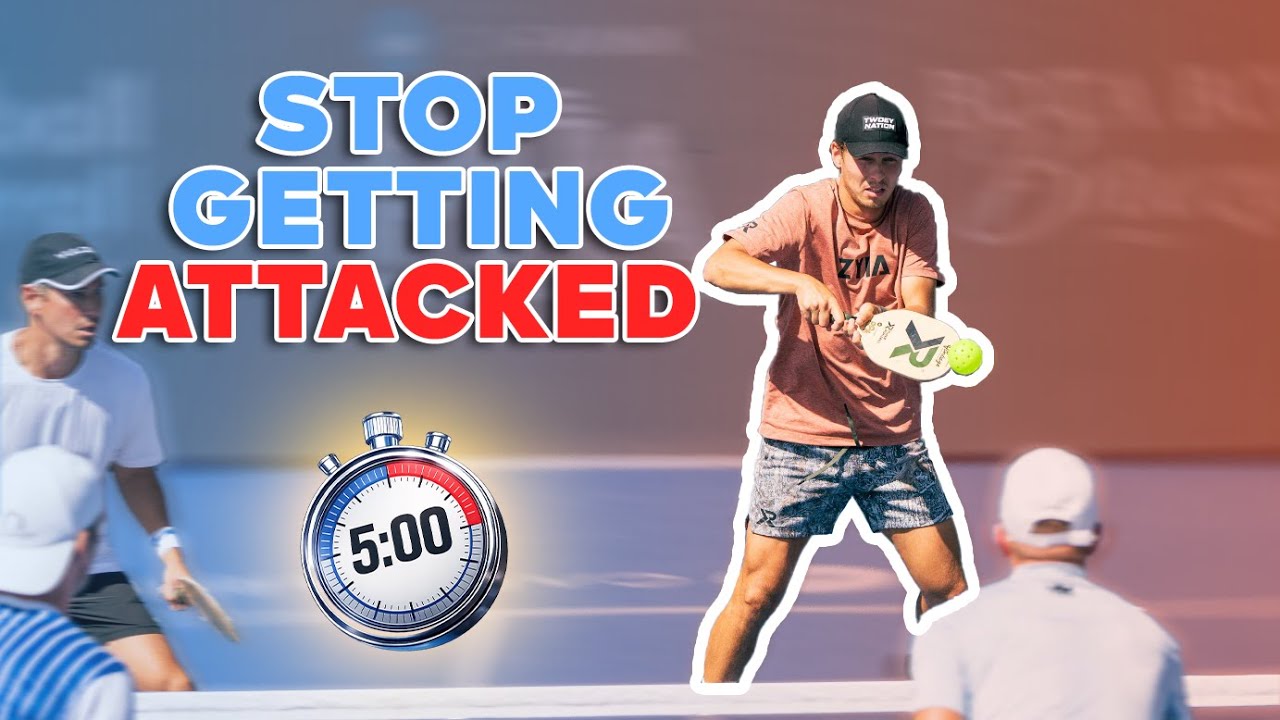
These techniques require deliberate practice and conscious application, but they're accessible to any player willing to shift from reactive to strategic thinking. The key is understanding that advanced pickleball is fundamentally about information processing and decision-making under pressure.
Implementation Strategy
Start by focusing on one technique per practice session. Advanced players develop these skills through targeted drilling that simulates competitive pressure situations. The goal isn't perfection—it's building automatic responses that emerge during intense rallies.
Remember that these strategies become more effective as you develop court awareness and pattern recognition. Professional players didn't learn these techniques overnight, but consistent application creates exponential improvement in competitive performance.
Frequently Asked Questions
How long does it take to implement these advanced strategies effectively?
Most players begin seeing results within 3-4 weeks of focused practice, but mastery typically requires 2-3 months of consistent application. The key is practicing these techniques during competitive play, not just drilling.
Can recreational players really benefit from pro-level strategies?
Absolutely. These techniques are based on universal principles of court positioning and opponent psychology that apply at every skill level. Even partial implementation creates significant competitive advantages.
Which technique should beginners to advanced strategy focus on first?
Start with pre-shot tell recognition and basic shadowing. These foundational skills make other advanced techniques more effective and provide immediate feedback during matches.