Tournament winners aren't made by spectacular shots—they're forged through relentless consistency. While recreational players chase highlight-reel Ernies and powerful drives, champions focus on executing fundamental shots flawlessly under pressure.
Coach Austin Hardy from Pickleball Playbook has identified four essential drills that address the root causes of nearly every unforced error plaguing pickleball players. These targeted exercises focus on the core skills that separate weekend warriors from competitive champions.
Why Consistency Trumps Power in Pickleball
The difference between winning and losing often comes down to who makes fewer mistakes, not who hits the hardest shots. Unforced errors—mistakes made without pressure from opponents—account for the majority of points lost in recreational play.
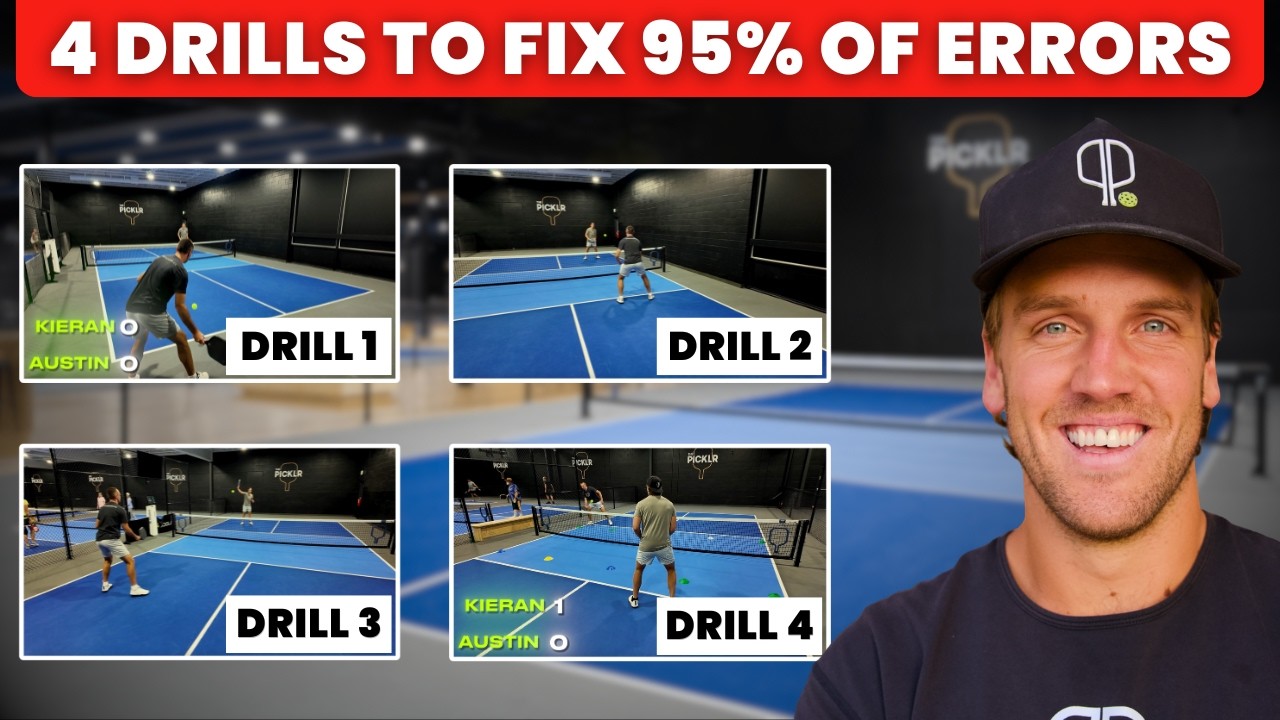
Professional players understand this principle intimately. They build their games on a foundation of reliable shots that rarely break down, even during crucial points. These four drills help develop that same mental and physical consistency.
Drill #1: Third Shot Drop Precision
The third shot drop remains one of the most challenging yet crucial shots in pickleball. This drill focuses on developing the touch and consistency needed to execute this shot under match conditions.
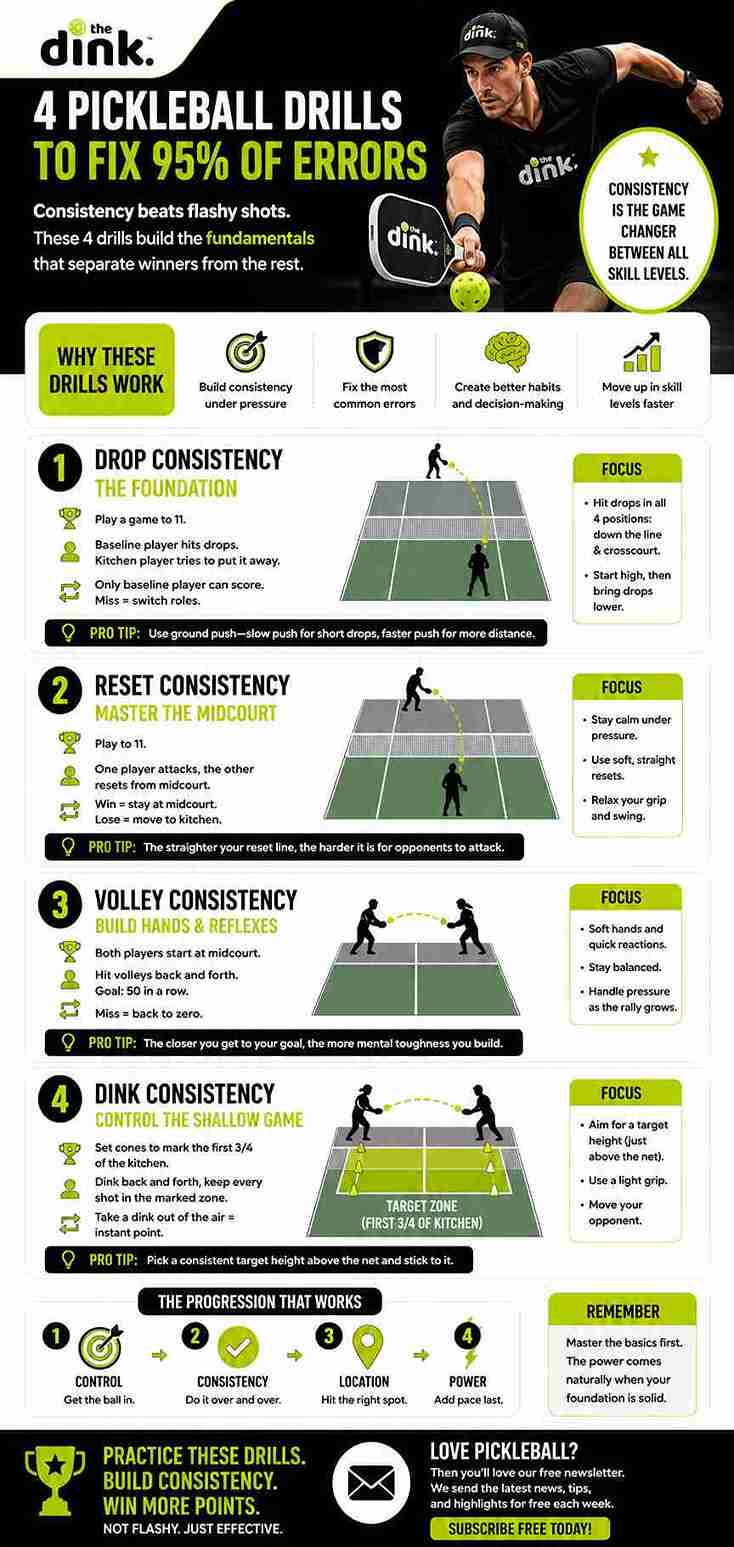
Set up cones or targets in the kitchen area and practice dropping shots from the baseline. Start with slow, controlled swings, emphasizing arc and placement over pace. Gradually increase the difficulty by adding movement and varying your starting position.
Key focus points include maintaining a consistent paddle face angle, using your legs for power generation, and developing feel for the optimal ball trajectory.
Drill #2: Dink Control and Placement
Dinking errors often result from poor paddle control and inconsistent contact points. This drill develops the precision required for effective net play.
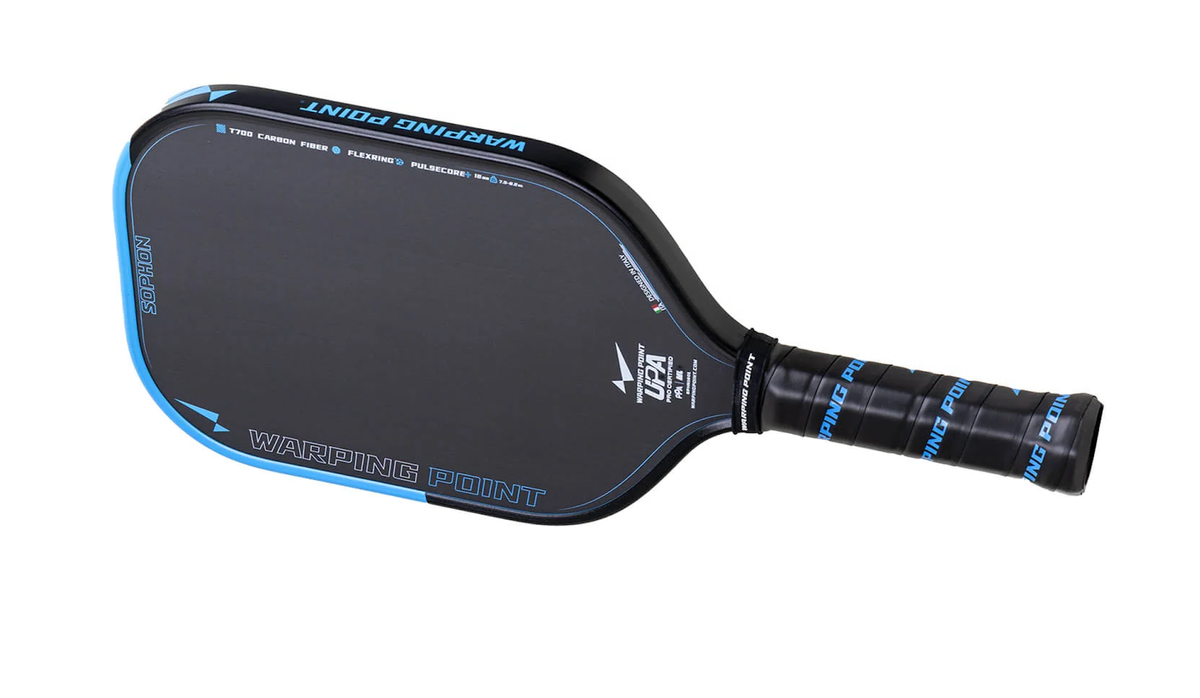
Practice cross-court and straight-ahead dinks with specific targets. Focus on hitting the same spot repeatedly before moving to different areas of the kitchen. The goal is developing muscle memory for consistent contact and follow-through.
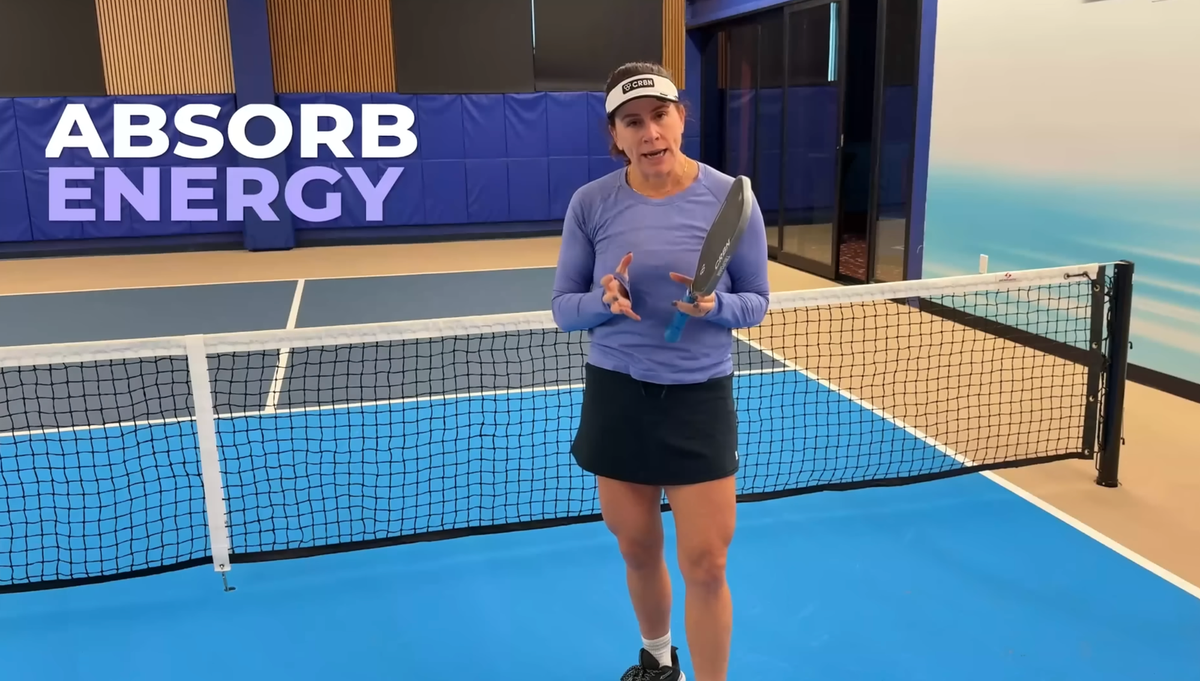
Advanced variations include adding lateral movement, changing heights, and incorporating defensive dinks when under pressure.
Drill #3: Return of Serve Fundamentals
Return of serve errors often stem from poor positioning and rushed technique. This drill emphasizes deep, controlled returns that neutralize aggressive serves.
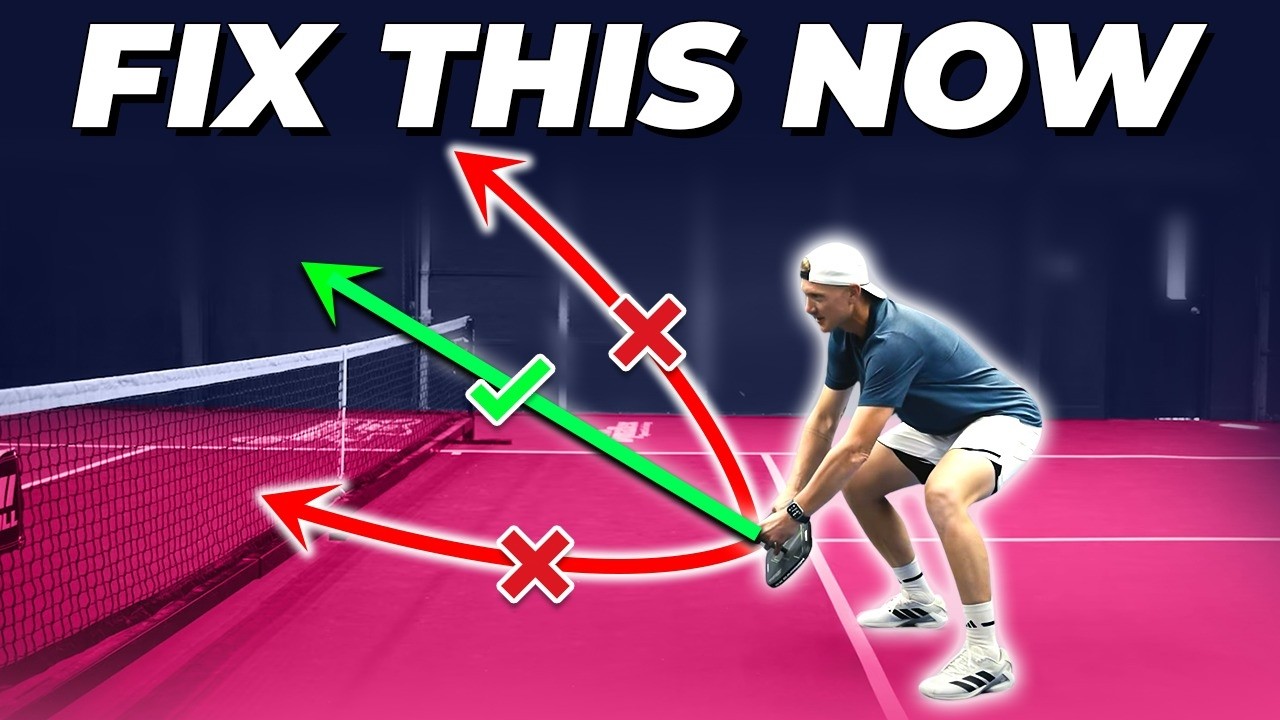
Practice returning serves to specific zones, focusing on depth and consistency rather than winners. Work on both forehand and backhand returns, ensuring your technique remains solid regardless of serve placement.
The objective is developing automatic responses to different serve types, eliminating the hesitation that leads to unforced errors.
Drill #4: Volley Stability and Control
Transition zone volleys require precise timing and paddle control. Many players rush these shots, leading to errors in critical moments.
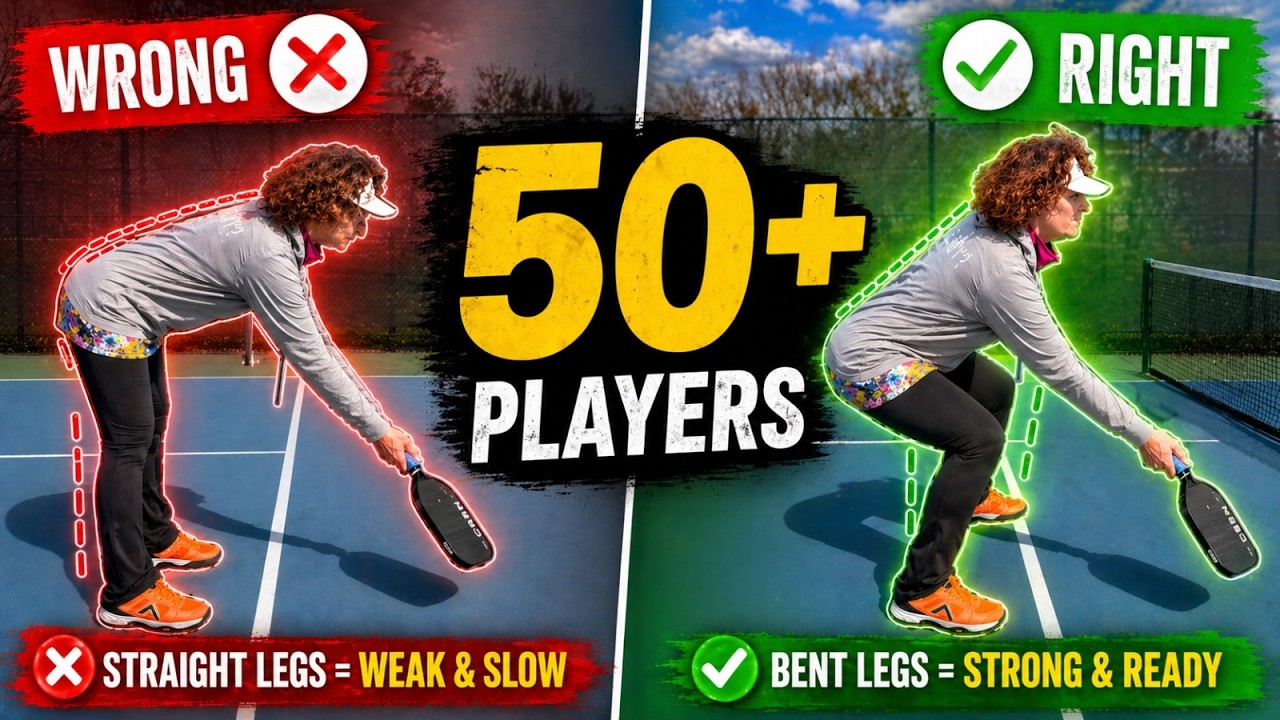
Set up at various positions in the transition zone and practice controlled volleys to specific targets. Focus on maintaining a stable platform and using compact swings rather than large, sweeping motions.
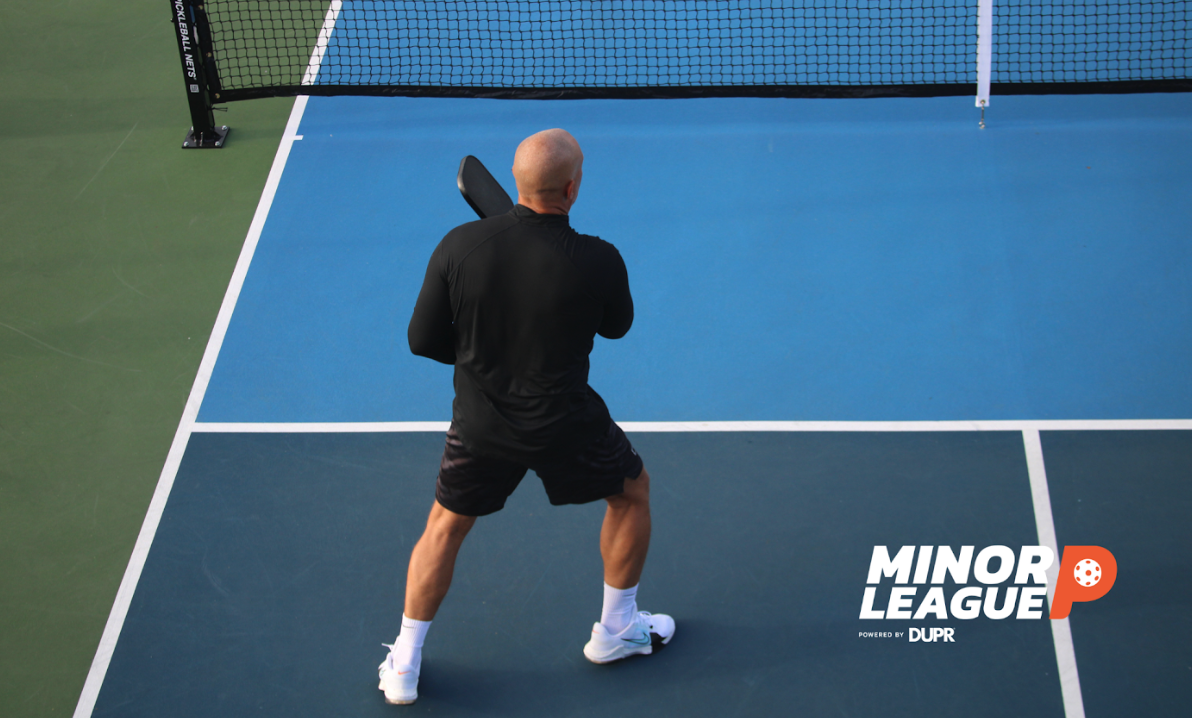
Emphasize keeping the ball low and maintaining control under pressure. This drill builds confidence in the transition zone, reducing the anxiety that often causes rushed shots.
Implementing These Drills in Your Training
Consistency develops through repetition and focused practice. Dedicate 15-20 minutes to each drill during training sessions, maintaining high standards for execution rather than simply going through the motions.
Track your progress by counting successful repetitions and gradually increasing difficulty levels. The goal is developing automatic responses that hold up during competitive play.
Remember that building consistency takes time. Focus on quality repetitions over quantity, and maintain the same technique standards during drills that you want to achieve in matches.
Frequently Asked Questions
How often should I practice these consistency drills?
Aim for 2-3 times per week, dedicating 15-20 minutes per drill. Consistency in practice leads to consistency in matches, so regular repetition is more valuable than occasional long sessions.
Can these drills help intermediate players break through plateaus?
Absolutely. Most plateaus result from fundamental inconsistencies that these drills directly address. By strengthening your foundation shots, you'll find yourself making fewer unforced errors and winning more points through solid play.
Should I focus on all four drills or prioritize based on my weaknesses?
While identifying personal weaknesses is smart, all four shots are interconnected in match play. Work on all drills but spend extra time on your biggest weakness. A chain is only as strong as its weakest link in pickleball.