When your partner executes a perfect third shot drop, what's your next move? If you're like most recreational players, you probably stand still and admire the shot. This passive approach is costing you rallies and points.
Professional positioning isn't about staying out of the way or looking pretty on the court. It's about maximizing pressure through strategic movement and capitalizing on the opportunities your partner creates with quality shot selection.
The Fatal Flaw Most Players Make
The biggest mistake recreational players make after their partner hits a third shot drop is becoming a spectator. They remain stationary, watching the ball's trajectory instead of using this crucial moment to gain tactical advantage.
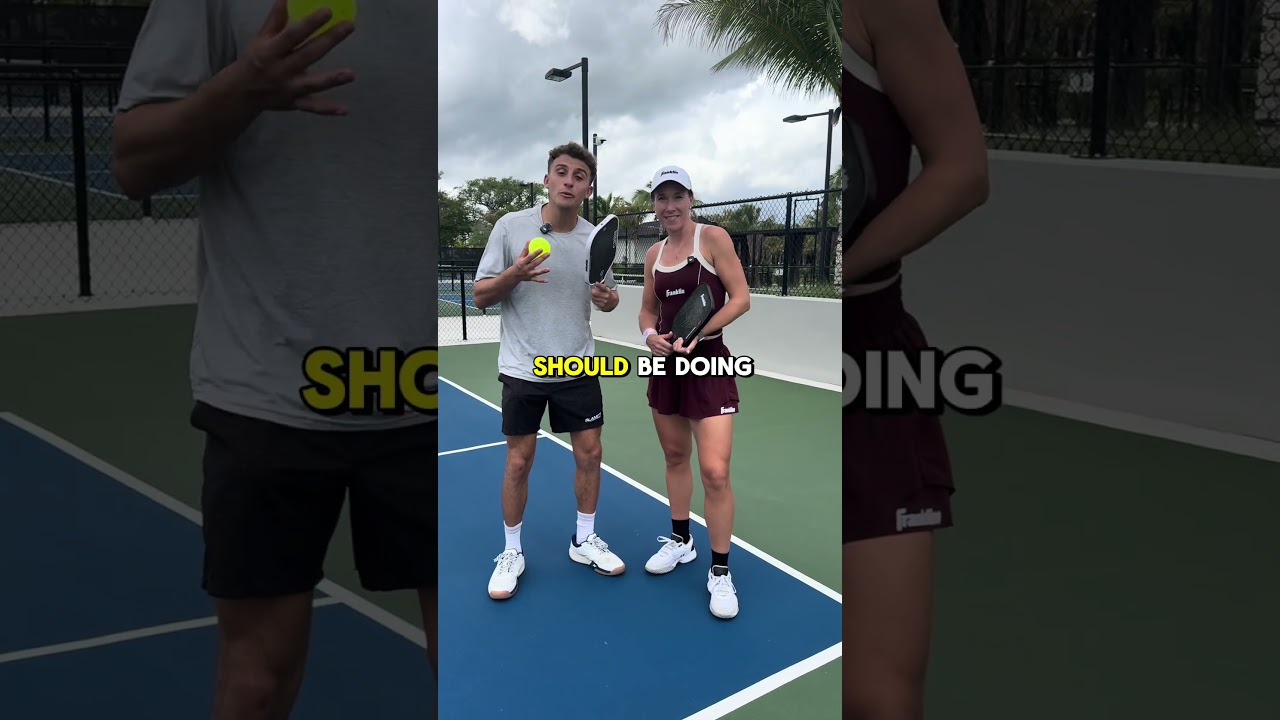
This passive positioning eliminates the pressure element that makes third shot drops effective. When opponents see only one active threat on the court, they can focus their attention and prepare more aggressive returns.
Strategic Movement Creates Winning Opportunities
Professional players understand that court positioning is an active, dynamic process. The moment your partner initiates a third shot drop, you should begin your forward movement toward the non-volley zone.
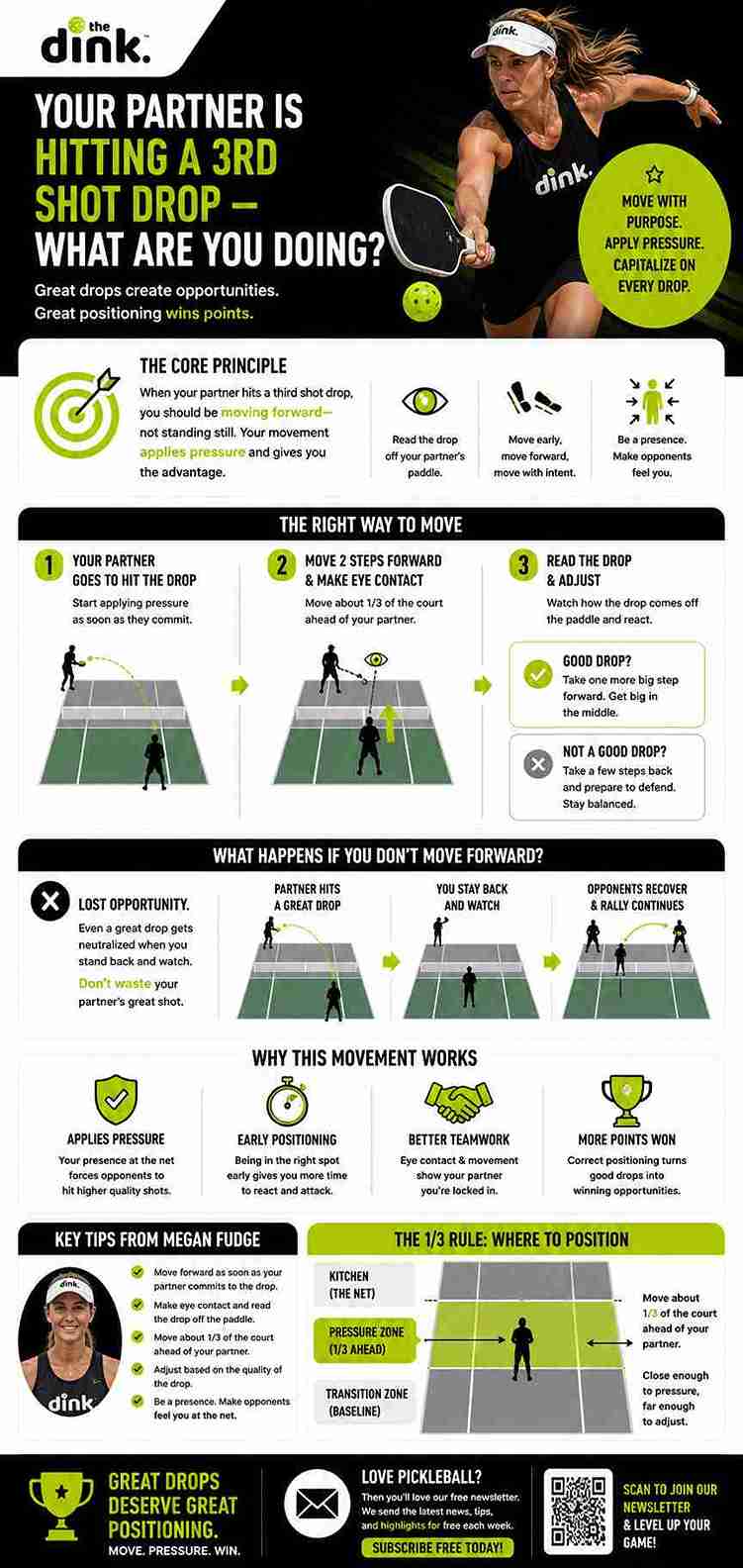
This advancement serves multiple tactical purposes:
- Applies psychological pressure - Opponents must account for two advancing players
- Creates better court coverage - You're positioned to handle weak returns
- Enables quick transitions - Ready to establish net dominance immediately
- Forces defensive responses - Opponents can't attack as aggressively
Timing Your Movement
The key to effective positioning lies in synchronizing your movement with your partner's shot execution. Begin your forward progression as the ball leaves your partner's paddle, not after it crosses the net.
This proactive approach ensures you're in optimal position regardless of how your opponents respond to the drop shot. Whether they hit a weak return or attempt an aggressive counter-attack, you're ready to capitalize.
Reading Opponent Reactions
Advanced positioning requires reading your opponents' body language and court position. When they're forced into defensive positions by your partner's drop shot, your forward movement becomes even more critical.
Watch for these indicators that signal safe advancement:
- Opponents moving backward or laterally
- Late preparation on their return shots
- Defensive body positioning
- Focus on ball placement rather than power
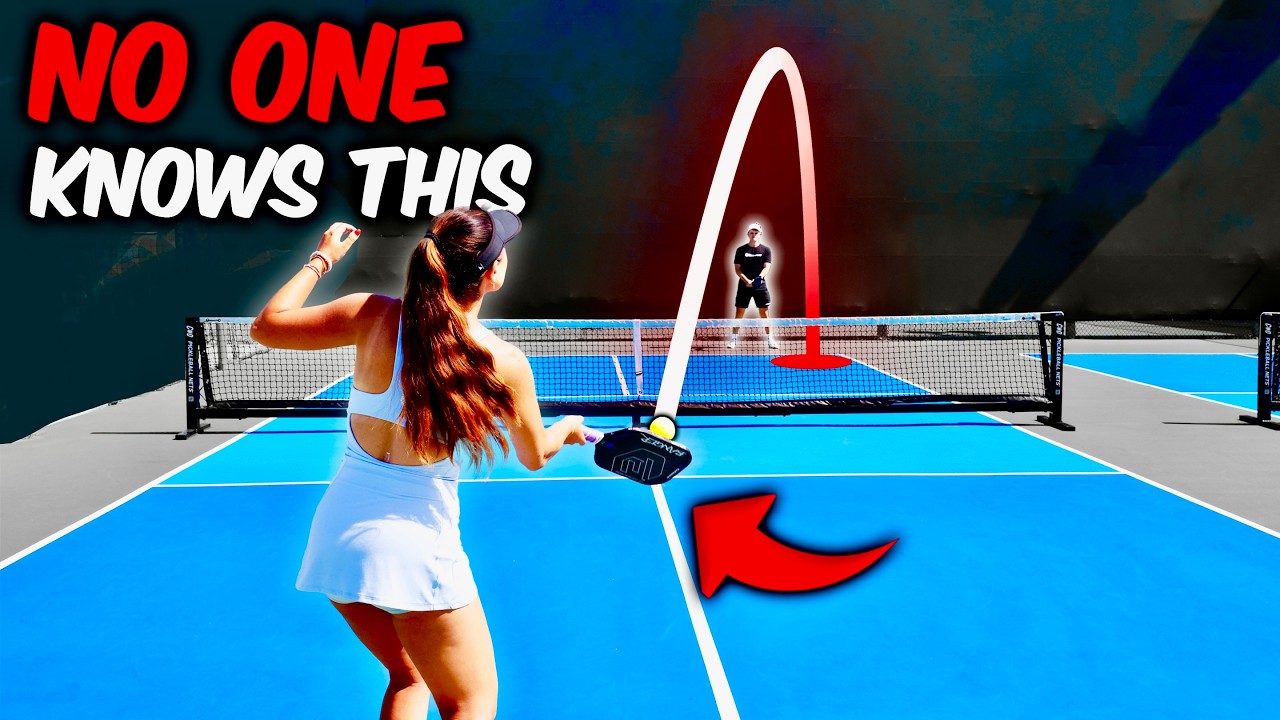
Common Positioning Errors to Avoid
Even when players understand the importance of movement, execution often falls short. Avoid these frequent mistakes:
Moving Too Late
Waiting until after the opponents' return eliminates most positioning advantages. Your movement should begin with your partner's shot, not end with it.
Advancing Too Aggressively
While forward movement is crucial, charging blindly toward the net without reading the situation can leave you vulnerable to passing shots or lobs.
Neglecting Communication
Coordinated positioning requires clear communication with your partner. Establish movement patterns and responsibilities before points begin.
Practice Drills for Better Positioning
Developing instinctive positioning requires focused practice. Work on these scenarios:
- Partner drops, you advance - Practice coordinated movement patterns
- Reaction timing - Synchronize your movement with various shot speeds
- Reading returns - Identify when to continue forward vs. hold position
- Court coverage - Ensure you maintain proper spacing while advancing
Frequently Asked Questions
How far should I advance when my partner hits a third shot drop?
Your advancement should depend on the quality of your partner's drop and your opponents' positioning. Generally, move 2-3 steps toward the kitchen line, stopping if opponents show aggressive return intentions. Always maintain balance and readiness to react.
What if my partner's third shot drop is too high or weak?
Poor drop shots require defensive positioning adjustments. If you recognize a weak drop early, slow your advance and prepare for more aggressive returns. Communication with your partner helps identify these situations quickly.
Should positioning change based on opponent skill level?
Absolutely. Against advanced players, be more conservative with your positioning as they're more likely to punish aggressive movement. Against recreational players, you can often advance more boldly since their returns are typically less threatening.