The difference between winning and losing in pickleball isn't just about technique or athleticism—it's about mastering your mental approach. Your ability to be an exceptional partner hinges on understanding what deserves your attention and what doesn't.
The Psychology of Focus: A Simple Demonstration
APP professional Tanner Tomassi illustrates this concept with a powerful demonstration that reveals how focus directly impacts performance. Using a simple paddle balancing exercise, he shows players exactly how their attention determines their success.
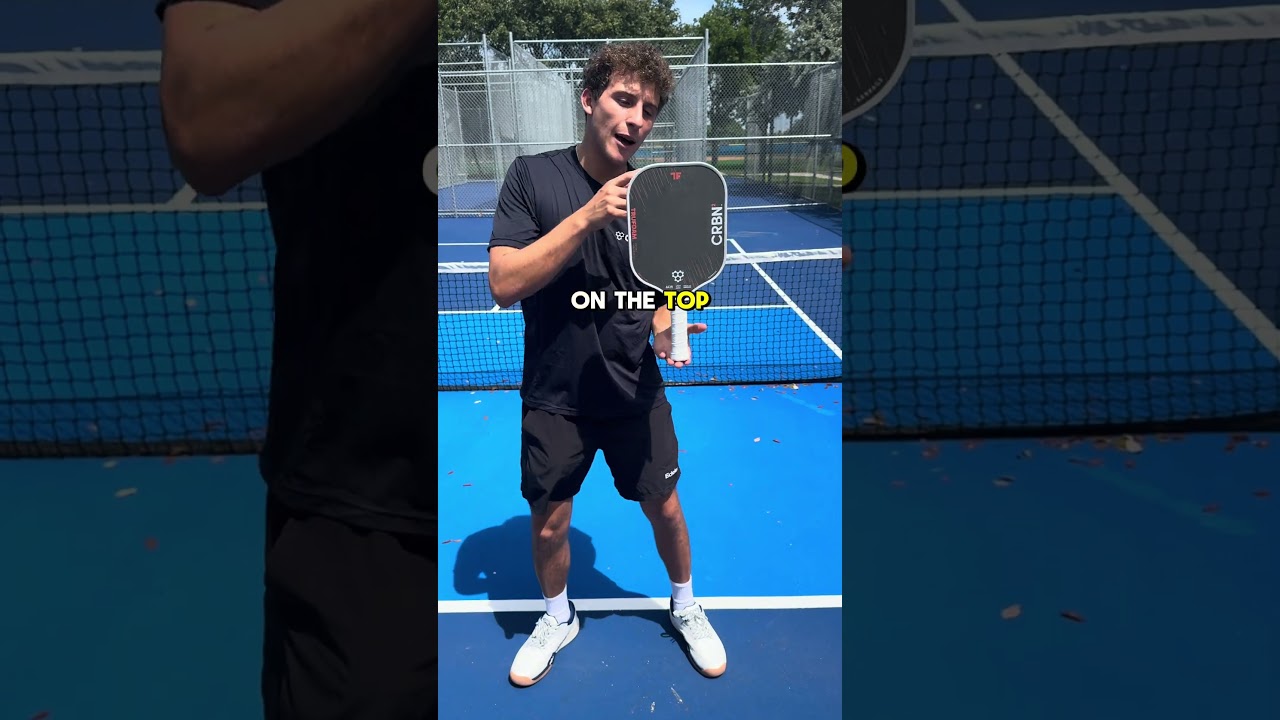
The demonstration is striking in its simplicity: When Tomassi focuses on the tip of his paddle, balancing becomes effortless. The paddle remains steady, controlled, and manageable. However, when he shifts his attention to the bottom of the paddle, the same equipment becomes impossible to control—it wobbles uncontrollably and inevitably falls.
The paddle hasn't changed. The only variable is where his mental energy flows.
What You Can Control vs. What Controls You
This demonstration perfectly mirrors the mental challenges facing pickleball partnerships. When you focus on controllable elements—your attitude, communication, shot selection, and supportive behavior—your partnership becomes stable and effective.
Elements Within Your Control:
- Your mental state and emotional responses
- Communication quality with your partner
- Court positioning and movement
- Shot selection and strategy execution
- Encouraging and supportive behavior
However, when players focus on uncontrollable factors—opponent strategies, referee calls, weather conditions, or even their partner's mistakes—their mental game crumbles. This misplaced focus creates tension, frustration, and partnership breakdown.
Elements Outside Your Control:
- Opponent tactics and skill level
- Court conditions and environmental factors
- Referee decisions and line calls
- Your partner's individual performance moments
- Tournament brackets and scheduling
Building Mental Resilience in Partnership Play
Successful pickleball partnerships require both players to maintain focus on their sphere of influence. This means developing mental discipline that redirects attention away from external frustrations and toward constructive partnership building.
Mental resilience in doubles play involves accepting that mistakes happen—both yours and your partner's. Instead of dwelling on errors, champion partners immediately shift focus to the next point, maintaining positive energy and clear communication.
Practical Mental Game Strategies
Developing this mental discipline requires intentional practice. Between points, take deliberate breaths and remind yourself of your role as a supportive partner. Use positive self-talk and encourage your teammate, especially after difficult points.
Create mental cues that redirect your focus when frustration builds. Whether it's touching your paddle grip, adjusting your cap, or using a specific phrase, these triggers help maintain concentration on controllable factors.
The Partnership Mindset Shift
Exceptional pickleball partners understand that their mental state directly impacts their teammate's performance. When you maintain composure and positive focus, you create an environment where both players can excel.
This mindset shift transforms how you approach challenging moments. Instead of viewing mistakes as failures, see them as information that helps refine your strategy. Rather than focusing on what went wrong, concentrate on what adjustments will improve your next exchange.
Implementing Mental Game Improvements
Start implementing these mental strategies during practice sessions. Work with your partner to establish communication patterns and supportive behaviors that reinforce positive focus. Practice maintaining concentration during pressure situations, using controlled scrimmages to build mental resilience.
Remember that mental game development requires consistent effort. Like physical skills, psychological strength improves through regular practice and conscious attention to your thought patterns and focus areas.
Frequently Asked Questions
How can I help my partner stay mentally focused during tough matches?
Maintain positive body language, offer encouraging words between points, and avoid dwelling on mistakes. Focus on solution-oriented communication and celebrate good shots to reinforce confidence.
What should I do when my partner gets frustrated and loses focus?
Stay calm and lead by example. Use timeouts strategically to reset mentally, remind them of successful strategies you've used, and redirect attention to the next point rather than past errors.
How long does it take to develop better mental game habits in pickleball?
Mental game improvements can be noticed within weeks of consistent practice, but developing strong psychological resilience typically takes 2-3 months of intentional focus during matches and practice sessions.