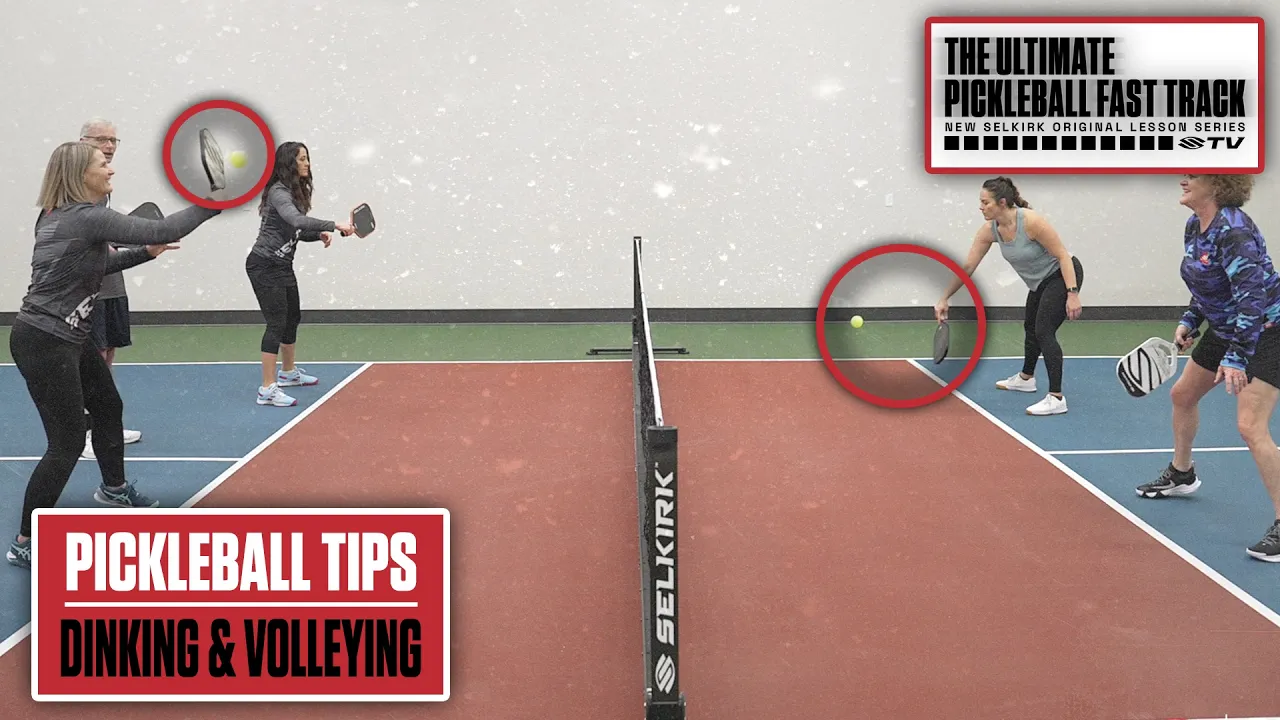
Frustrated by pickleball volleys that consistently find the net? Before you overhaul your entire swing technique, consider this: the problem likely isn't your paddle work at all.
Tony Roig, master teaching professional and senior pro at In2Pickle, has identified the real culprit behind failed volleys - and it's not what most players think. Instead of focusing on arm mechanics, Roig points to a fundamental issue that affects every aspect of your volley: poor footwork.
The Hidden Connection Between Feet and Net Volleys
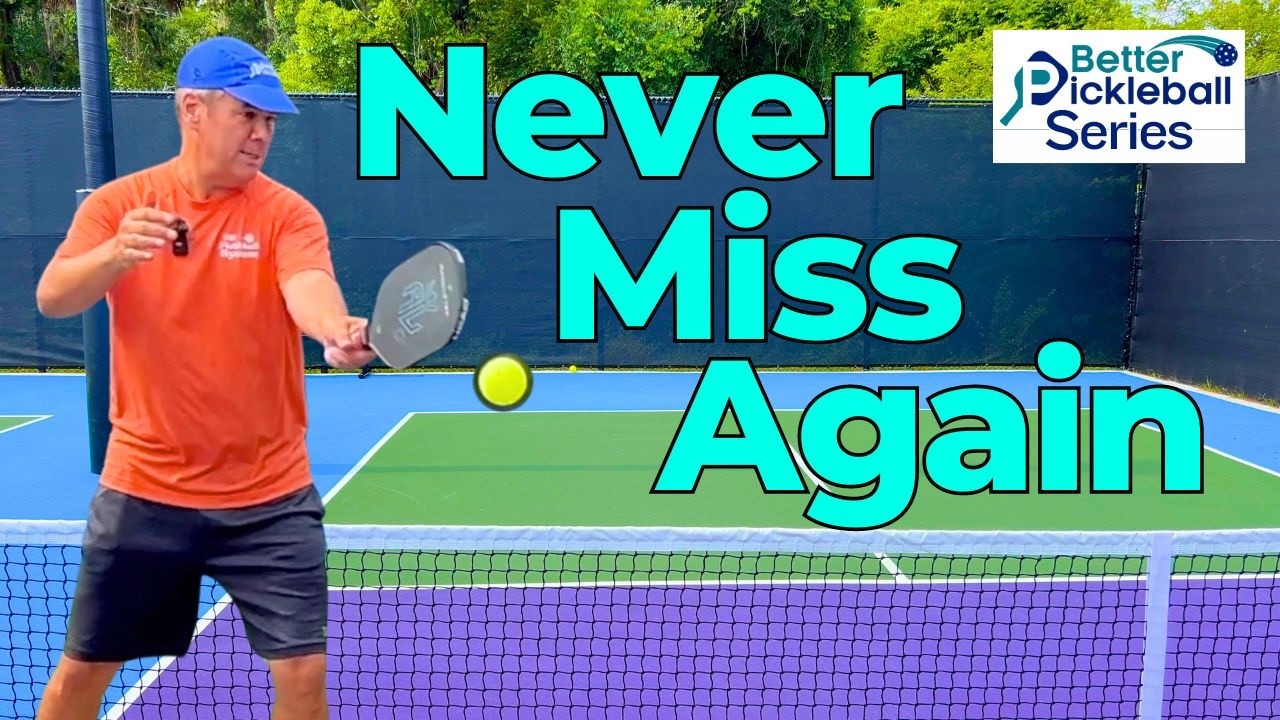
When players struggle with volleys hitting the net, they typically examine their paddle angle, grip, or follow-through. However, Roig's analysis reveals that inadequate footwork creates a cascade of positioning problems that doom the shot before it even begins.
The mechanism is straightforward: improper foot positioning forces your body into compromised angles, causing your hitting shoulder to drop at the moment of contact. This shoulder drop naturally angles your paddle face downward, sending even well-struck volleys directly into the net.
Why Your Shoulder Drops During Volleys
Poor footwork manifests in several ways that all lead to the same problematic outcome:
Incorrect Weight Distribution
When your feet aren't properly positioned, your weight shifts incorrectly during the volley. This imbalance forces your body to compensate, often by lowering the hitting shoulder to maintain stability.
Inadequate Court Position
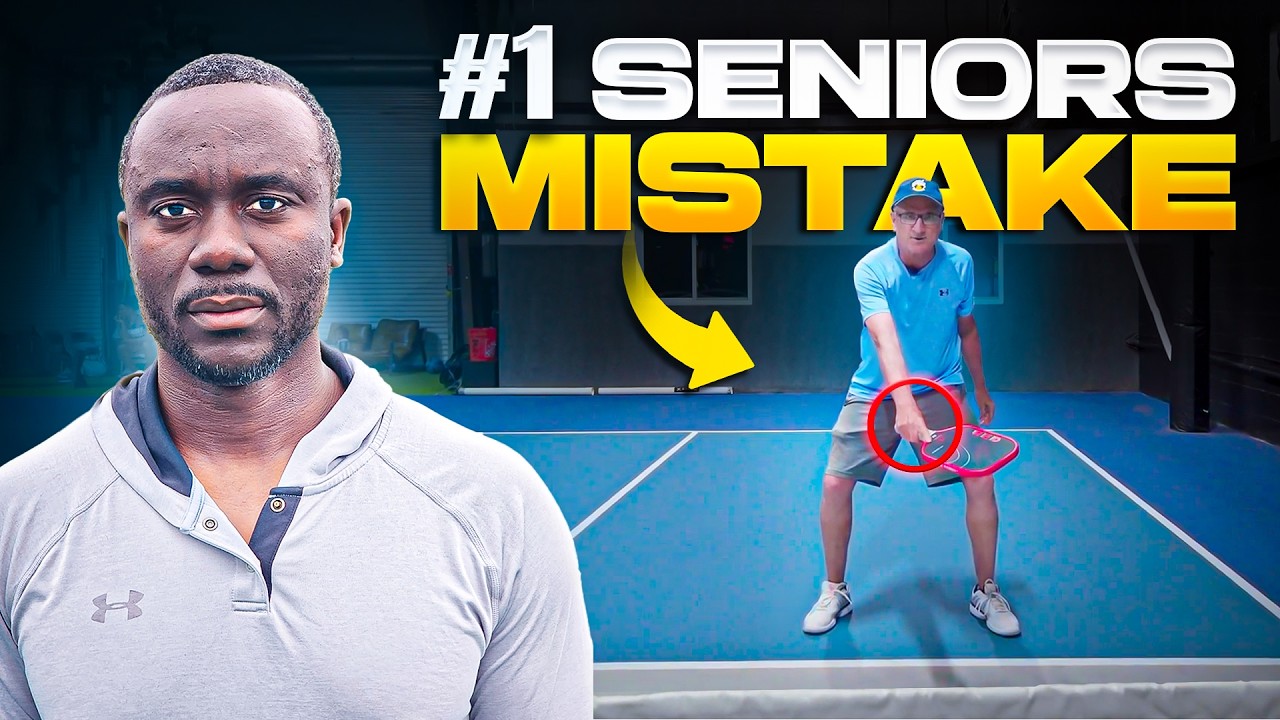
Players who don't move their feet efficiently often find themselves reaching for volleys instead of stepping into proper position. This reaching motion naturally drops the shoulder and closes the paddle face.
Rushed Preparation
Without proper footwork fundamentals, players feel pressured to rush their shots. This hurried approach prevents the balanced setup necessary for clean volley execution.
The Footwork Solution for Better Volleys
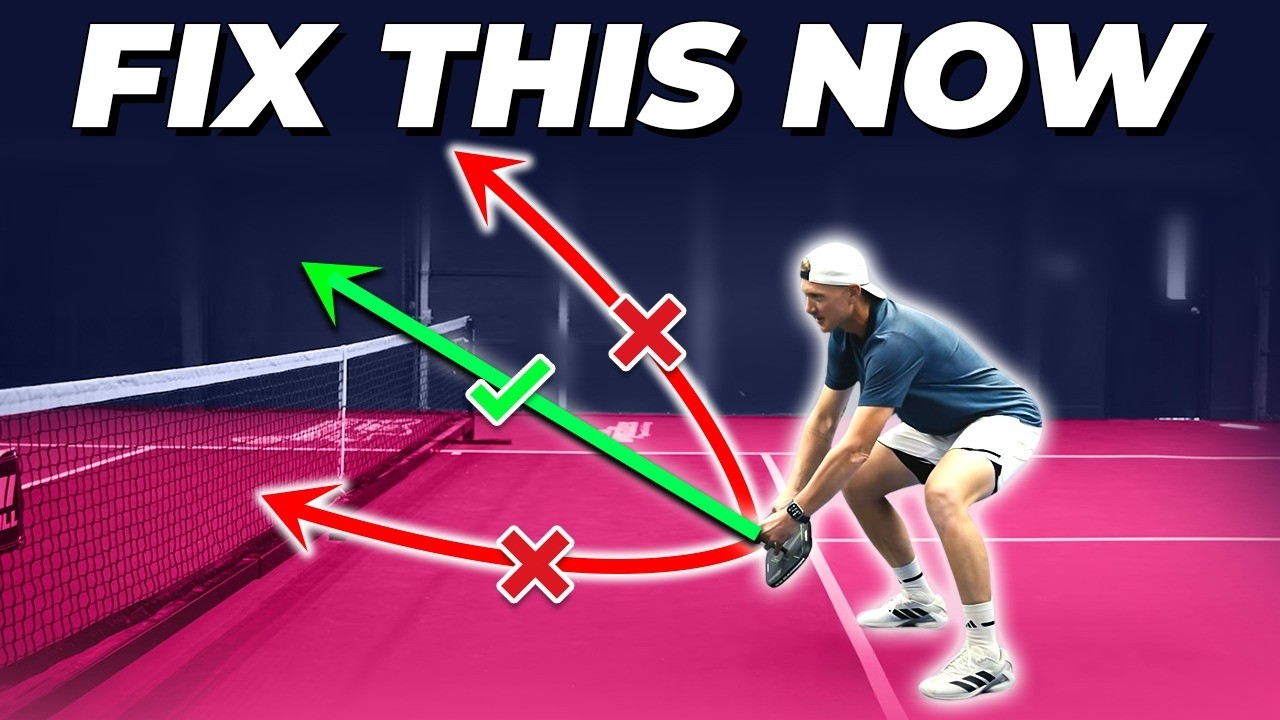
Roig's approach to fixing volley problems focuses entirely on establishing proper foot positioning and movement patterns:
Step 1: Establish a Balanced Base
Before every volley, ensure your feet are positioned shoulder-width apart with weight evenly distributed. This stable foundation prevents the body compensations that lead to shoulder drops.
Step 2: Move Your Feet, Don't Reach
Instead of stretching to reach difficult volleys, take small adjustment steps to position your body optimally. Even a single step can dramatically improve your shoulder position and paddle angle.
Step 3: Maintain Forward Momentum
Keep your weight slightly forward and be ready to step into volleys. This forward positioning naturally elevates your hitting shoulder and opens the paddle face for net clearance.
Practice Drills for Footwork-Focused Volleys
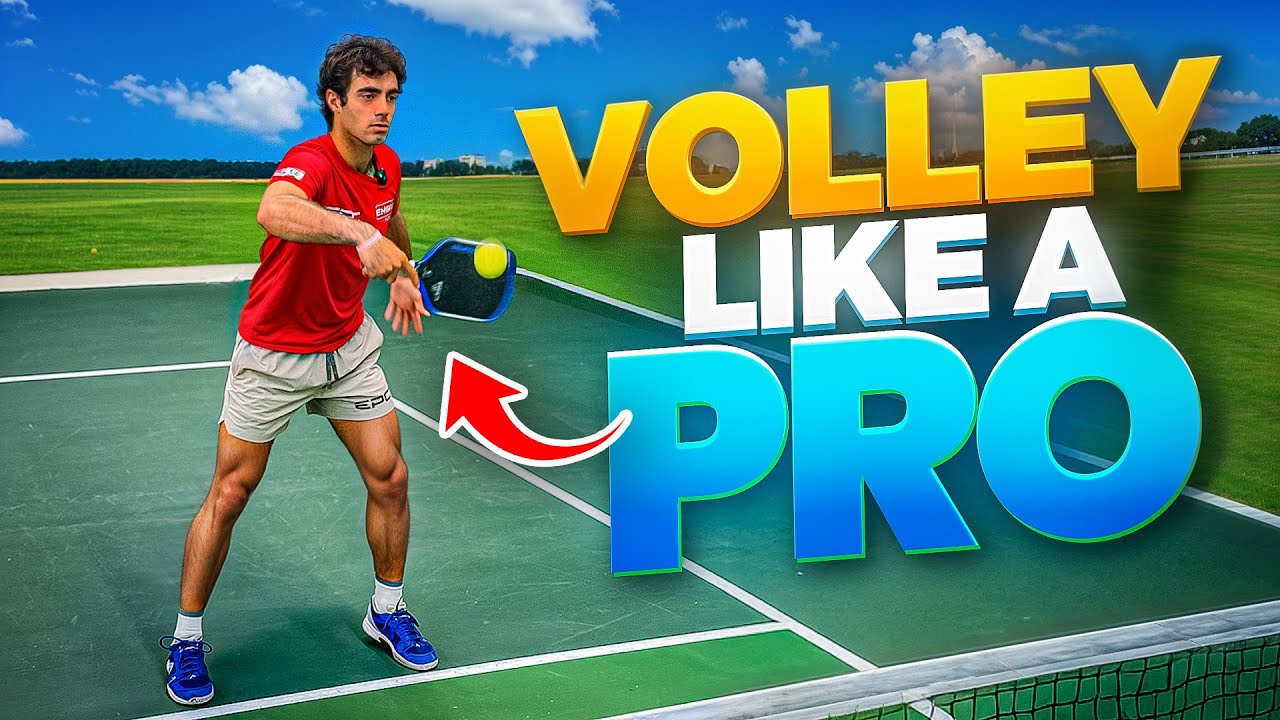
The Step-and-Hit Drill
Practice taking a deliberate step toward every volley, even those that seem within easy reach. This drill reinforces the habit of proper foot positioning before shot execution.
Shadow Volley Movements
Without a ball, practice volley footwork by moving to imaginary shot positions. Focus on maintaining shoulder level and balanced positioning throughout each movement.
Wall Practice with Footwork Focus
Use wall practice sessions to concentrate solely on footwork patterns. The consistent ball return from the wall allows you to focus entirely on foot positioning rather than ball tracking.
Common Footwork Mistakes to Avoid
Even when players understand the importance of footwork, several common errors can still sabotage volley success:
Static Feet: Remaining planted in one position forces reaching and shoulder dropping. Stay active and ready to move.
Backward Movement: Moving away from volleys creates poor angles and defensive positioning. Always try to move forward or laterally to volleys.
Wide Stance: An overly wide stance restricts mobility and can create balance issues during quick exchanges.
Frequently Asked Questions
How quickly will proper footwork improve my volleys?
Most players notice improvement within a few practice sessions once they focus on footwork rather than swing mechanics. The key is consistent practice of proper movement patterns until they become automatic.
Should I completely ignore my swing technique when practicing volleys?
While footwork is the foundation, don't completely neglect swing technique. However, establish proper footwork first, as it naturally improves many swing-related issues. Once your feet are positioned correctly, fine-tune your paddle work as needed.
What if I still hit volleys into the net after improving my footwork?
If footwork improvements don't solve the problem, examine your grip pressure and paddle angle. Sometimes players develop compensatory habits that need separate attention even after footwork is corrected.