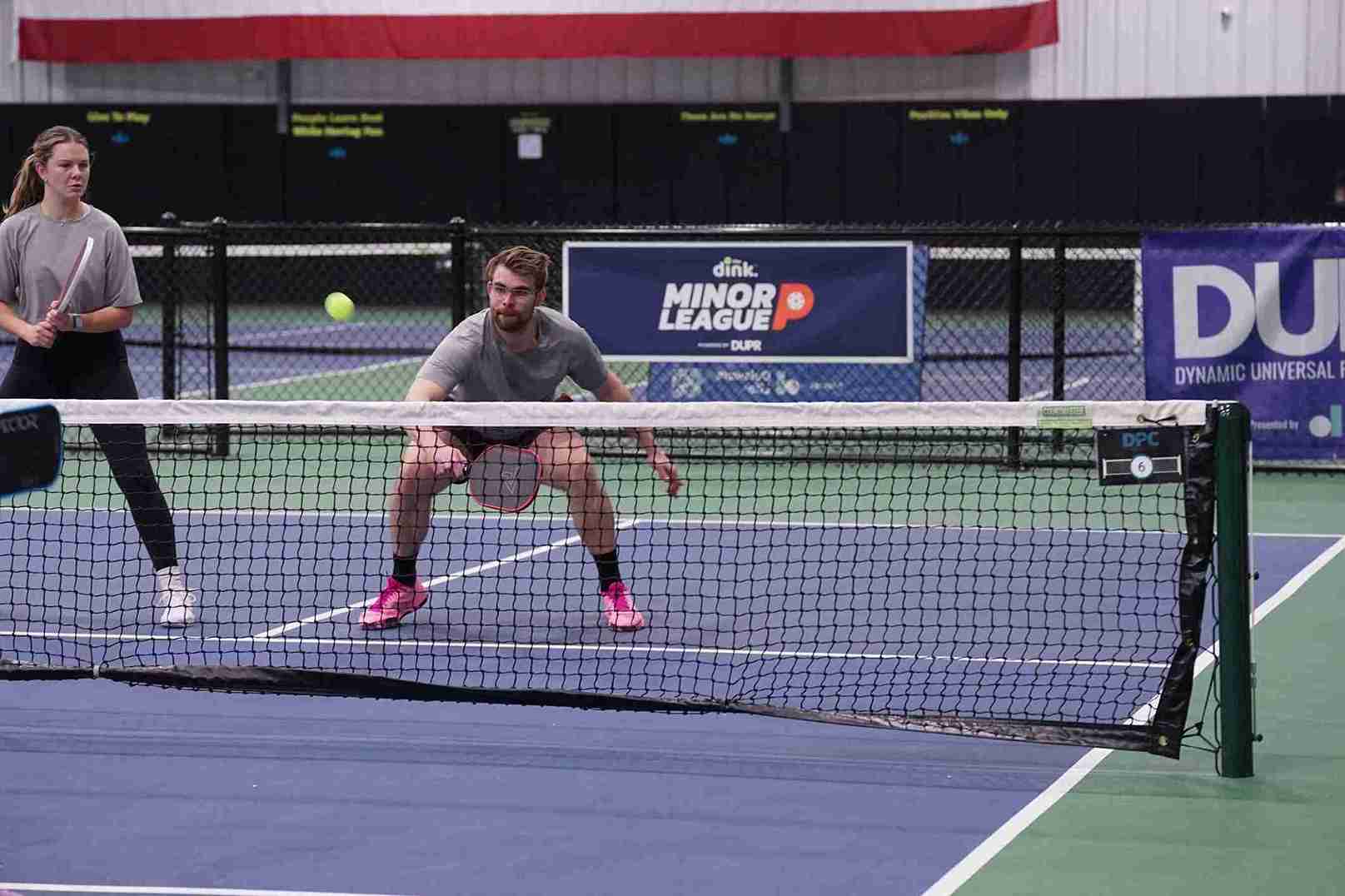
Professional women's pickleball is undergoing a significant tactical evolution as more players incorporate the backhand flick into their arsenal. This aggressive technique, traditionally dominated by men's doubles play, is now reshaping women's competitive strategies and creating new opportunities for court control.
The Strategic Advantage Behind the Trend
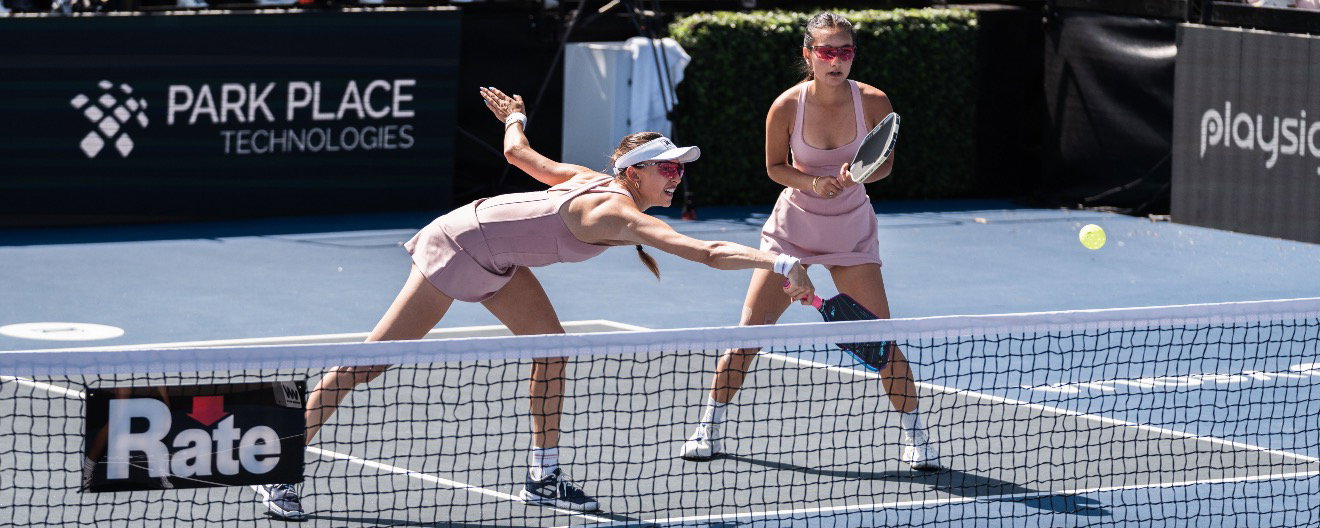
The backhand flick's growing popularity among female professionals isn't coincidental—it's a calculated response to the evolving pace of the women's game. Professional player Alix Truong, who has dedicated significant effort to perfecting this technique, explains the tactical benefits driving this shift.
"The backhand flick is transforming women's doubles because it eliminates reaction time for opponents," Truong notes. "Previously, players would retreat from the non-volley zone line to generate power, which remains effective in certain situations. However, the ability to extend your reach and attack balls earlier provides a distinct competitive edge."
Pioneers Leading the Movement
Mari Humberg stands among the trailblazers who first recognized the backhand flick's potential in women's professional play. Her early adoption of this technique has influenced countless players to expand their shot repertoire beyond traditional approaches.
The technique requires significant practice and timing precision, but the payoff is substantial. Players can now maintain aggressive positioning at the kitchen line while still generating offensive power, creating a more dynamic and unpredictable playing style.
Technical Execution and Development
Mastering the backhand flick demands a combination of proper mechanics, timing, and court awareness. Unlike conventional backhand drives that rely on full body rotation and weight transfer, the flick emphasizes wrist snap and compact arm movement.
Key Components for Success
Professional players emphasize several critical elements when developing this shot:
- Grip positioning: A continental or eastern backhand grip provides optimal control
- Body positioning: Maintaining balance while extending reach toward the sideline
- Contact point: Meeting the ball at or above net level for maximum effectiveness
- Follow-through: Controlled finish to ensure accuracy and placement
Impact on Game Strategy
The integration of backhand flicks into women's professional play has created ripple effects throughout competitive strategies. Opponents must now account for offensive capabilities from positions previously considered defensive, fundamentally altering court positioning and shot selection.
This evolution mirrors broader trends in pickleball's development, where techniques migrate between different competitive divisions as players seek tactical advantages. The women's professional game continues becoming more aggressive and dynamic, with the backhand flick serving as a catalyst for this transformation.
Training and Implementation
Developing an effective backhand flick requires structured practice and gradual implementation. Many professionals recommend starting with stationary ball feeding before progressing to live-ball scenarios.
The technique's learning curve can be steep, but players who invest time in proper development often see significant improvements in their offensive capabilities. Success depends on consistent practice, proper coaching, and understanding when to deploy the shot strategically.
Future Implications
As more women's professionals incorporate backhand flicks, the technique will likely become standard rather than exceptional. This evolution represents pickleball's continued maturation as players push technical boundaries and tactical innovation.
The trend also highlights how professional pickleball continues drawing from various racquet sports, adapting techniques that enhance competitive play while maintaining the sport's unique characteristics.
Frequently Asked Questions
Why wasn't the backhand flick common in women's pickleball before?
Women's professional pickleball traditionally emphasized placement and consistency over power. As the game's pace increased and players became more athletic, techniques like the backhand flick became necessary to maintain competitive advantages at the highest levels.
How difficult is it to learn the backhand flick technique?
The backhand flick requires significant practice and proper instruction. While recreational players can develop basic versions, the timing, positioning, and execution needed for professional-level effectiveness typically requires months of dedicated training and coaching.
Will the backhand flick become standard in recreational play?
As professional techniques often filter down to recreational levels, the backhand flick will likely become more common among advanced amateur players. However, proper fundamentals remain more important than advanced shots for most recreational players' improvement.