Feeling winded by game three? Watching your shots lose precision as the match drags on? Your stamina isn't failing you—your training approach is.
Unlike traditional sports that rely on steady-state cardio, pickleball demands explosive bursts followed by brief recovery periods. This unique energy system requires a specialized training approach that mirrors the game's actual demands.
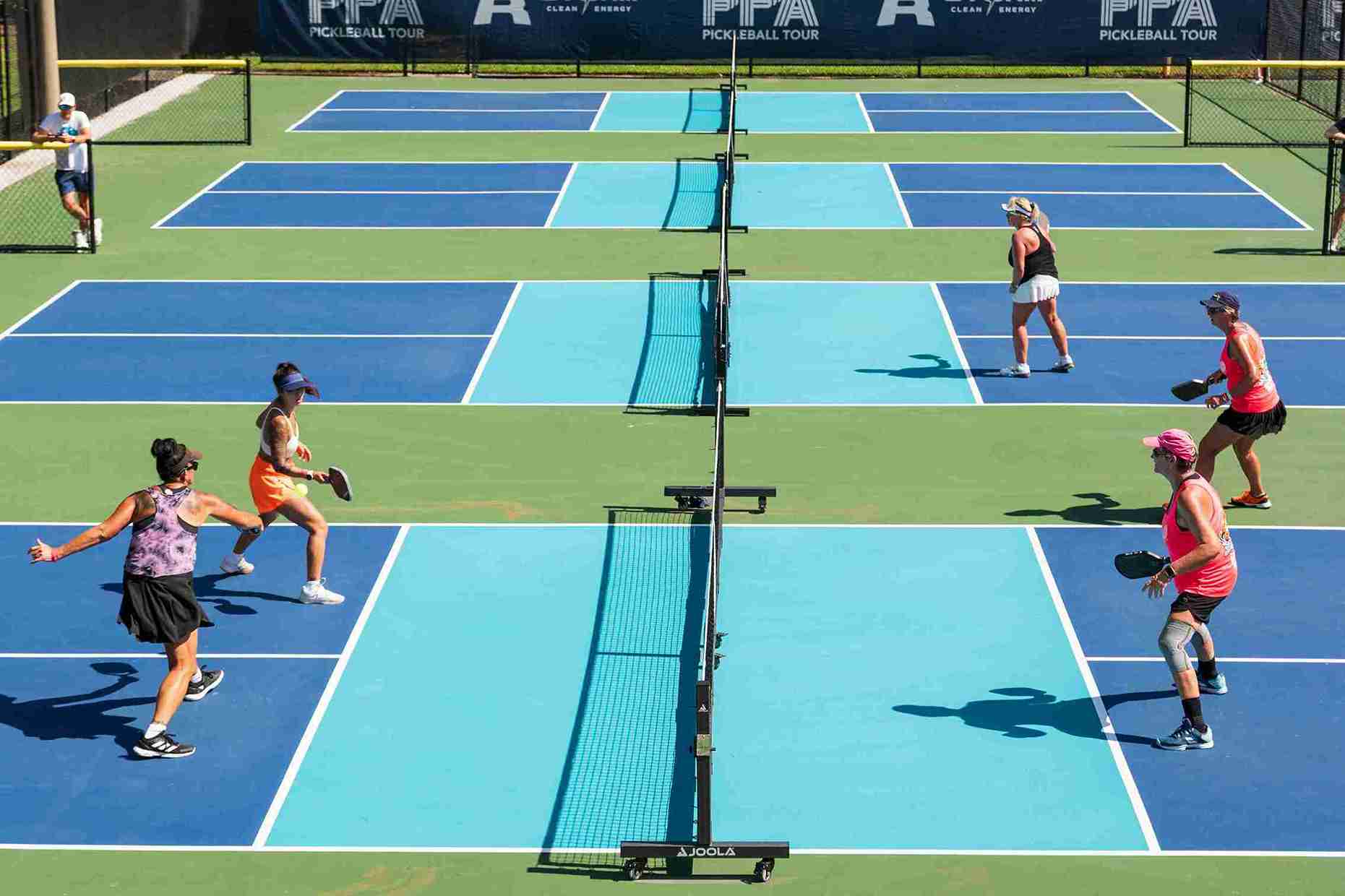
Understanding Pickleball's Energy Demands
Pickleball combines three distinct energy systems that activate throughout a typical match:
- Phosphocreatine System: Powers explosive movements like quick lateral cuts and overhead smashes (0-10 seconds)
- Glycolytic System: Fuels extended rallies and rapid-fire exchanges (10 seconds-2 minutes)
- Aerobic System: Provides baseline endurance for multi-game matches (2+ minutes)
Traditional jogging only trains one of these systems. Our 4-week protocol targets all three.
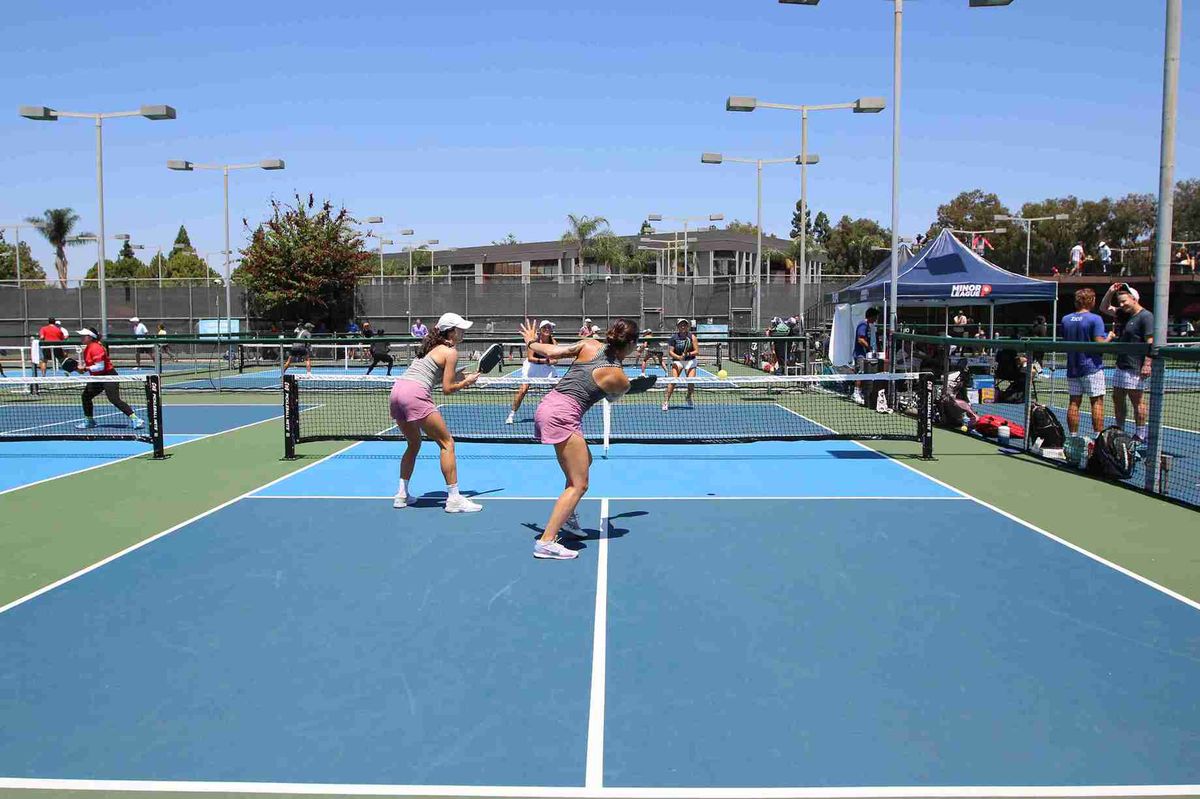
Week 1-2: Foundation Building
Cardiovascular Base Development
Start with interval training that mimics pickleball's stop-start nature:
Day 1 & 3: Court Movement Drills
- 5-minute dynamic warm-up
- 8 rounds: 30 seconds high-intensity lateral shuffles, 60 seconds active recovery
- 6 rounds: 20 seconds sprint-to-net, 40 seconds walk back
- 10-minute cool-down with static stretching
Day 2: Active Recovery
- 20-30 minutes low-intensity activity (walking, easy cycling)
- Focus on mobility and light stretching
Progressive Overload Principles
Each session should feel challenging but manageable. Rate your effort on a 1-10 scale—aim for 7-8 during high-intensity intervals.
Week 3-4: Sport-Specific Conditioning
Advanced Movement Patterns
Now we integrate complex movement chains that replicate actual gameplay scenarios:
Day 1: Power Endurance Circuit
- Station 1: Side shuffle touches (45 seconds work, 15 seconds rest)
- Station 2: Forward-backward sprints (45 seconds work, 15 seconds rest)
- Station 3: Split-step reactions (45 seconds work, 15 seconds rest)
- Station 4: Shadow swings with footwork (45 seconds work, 15 seconds rest)
- Complete 4 rounds with 2-minute rest between rounds

Day 3: Game Simulation Training
- 12 rounds of 90-second high-intensity intervals
- 30 seconds rest between rounds
- Include actual paddle work if possible
Recovery and Adaptation
Proper recovery accelerates adaptation. Include these elements:
- 7-9 hours of quality sleep nightly
- Hydration: 16-20oz water 2 hours before training
- Post-workout nutrition within 30 minutes
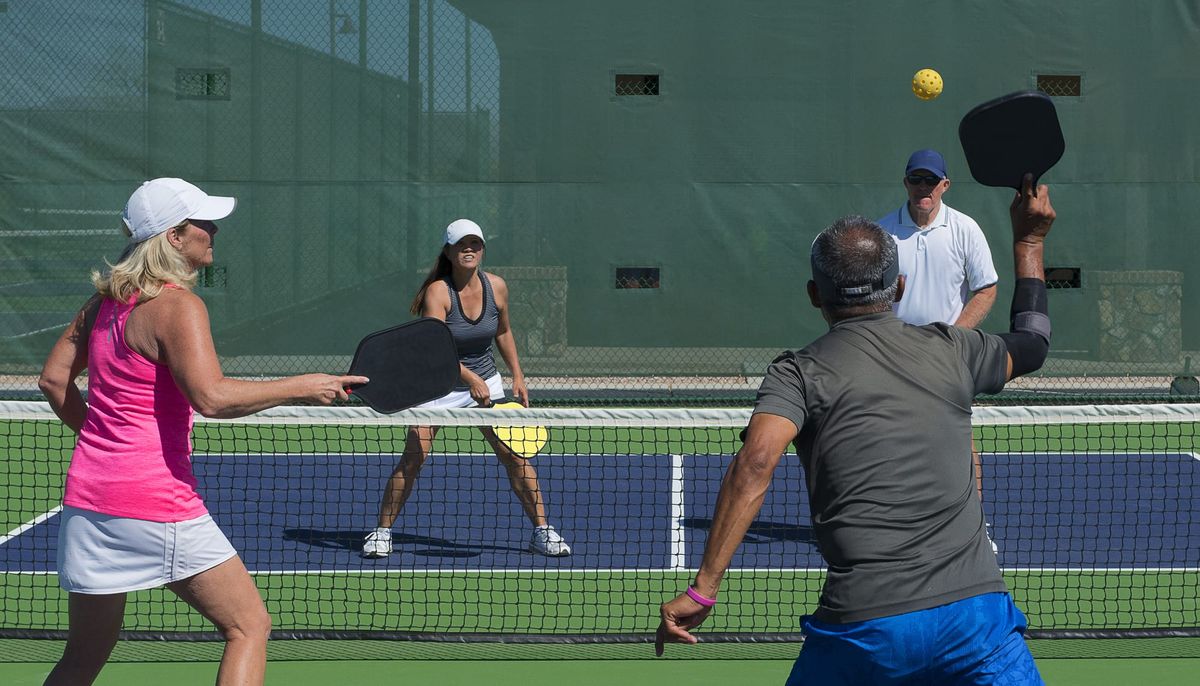
Measuring Your Progress
Track these key metrics to gauge improvement:
- Resting Heart Rate: Should decrease 3-5 beats per minute
- Recovery Heart Rate: How quickly you return to baseline after intense rallies
- Perceived Exertion: Same workload should feel easier by week 4
- Court Performance: Maintain shot accuracy throughout longer matches
Common Training Mistakes to Avoid
Don't sabotage your progress with these frequent errors:
- Skipping warm-up and cool-down phases
- Training at the same intensity every session
- Neglecting lateral movement patterns
- Focusing only on steady-state cardio
- Ignoring recovery between training days
Integration with Court Practice
This conditioning program complements—doesn't replace—your regular playing time. Schedule conditioning on non-playing days or after lighter practice sessions.
By week 4, you'll notice sustained energy throughout extended matches, quicker recovery between points, and maintained shot precision even during physically demanding rallies.
Frequently Asked Questions
How often should I do this conditioning program alongside regular play?
Aim for 2-3 conditioning sessions per week, with at least one rest day between intense sessions. If you play pickleball 4+ times weekly, reduce conditioning to 2 sessions and focus on quality over quantity.
Can beginners follow this 4-week program safely?
Yes, but start conservatively. Reduce interval durations by 25% initially and extend rest periods. Listen to your body and progress gradually—building stamina takes time and consistency.
What should I do after completing the 4-week program?
Transition to a maintenance phase with 1-2 conditioning sessions weekly. Every 6-8 weeks, repeat a modified version of this program to continue building endurance and preventing fitness plateaus.