The third shot drop represents one of pickleball's most strategic weapons, yet most players fail to understand its proper application. This single shot can determine whether you advance to the net successfully or hand your opponents an easy attack opportunity.
Many recreational players make the mistake of treating the third shot drop as an automatic choice after every return. However, elite players understand that shot selection depends on multiple tactical factors that must be evaluated in real-time.
Understanding Court Position and Opponent Stance
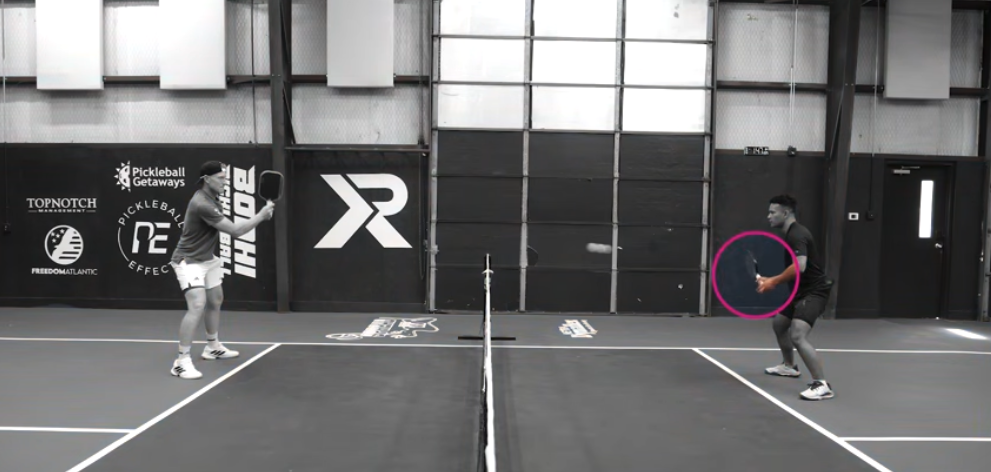
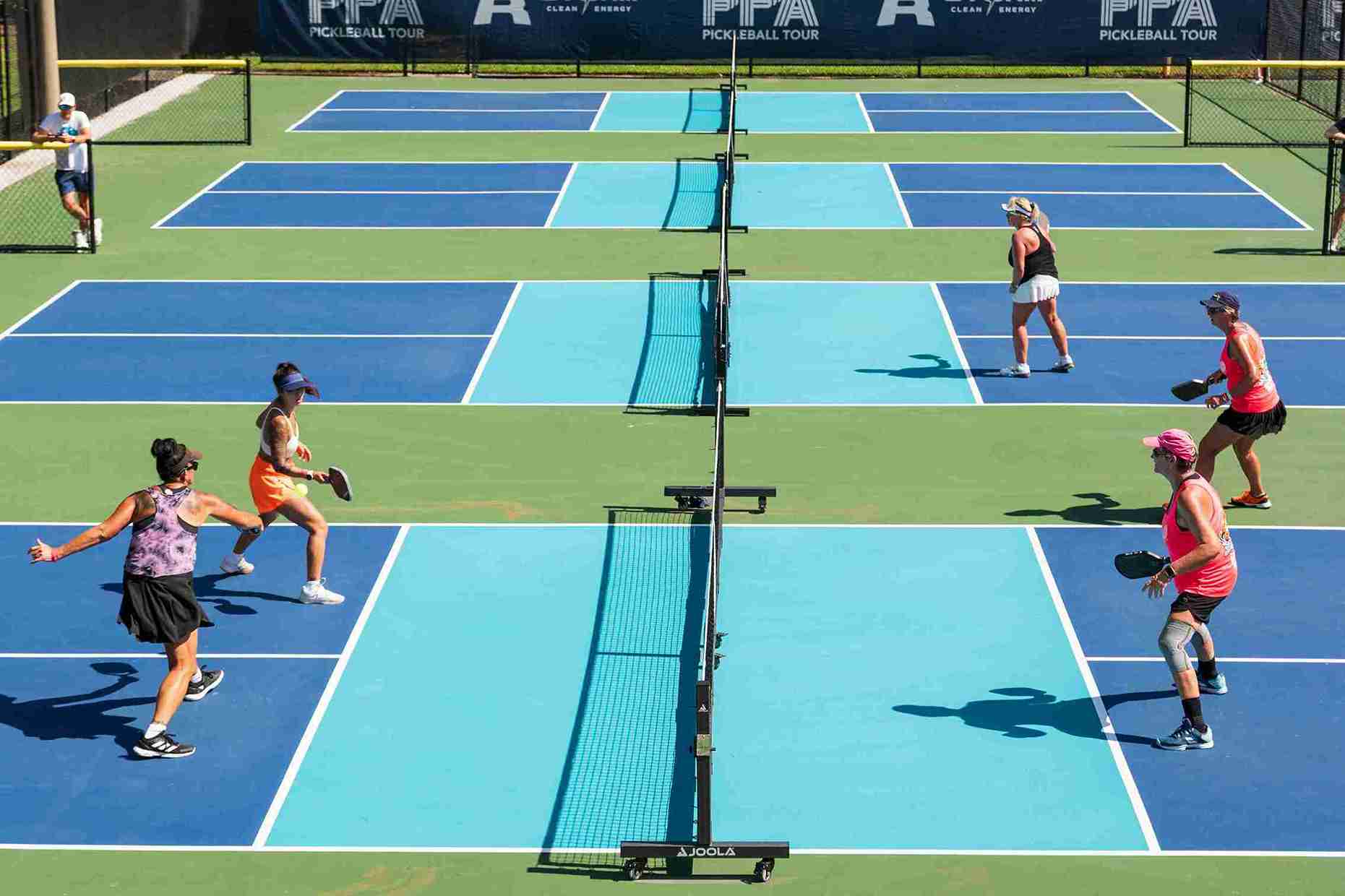
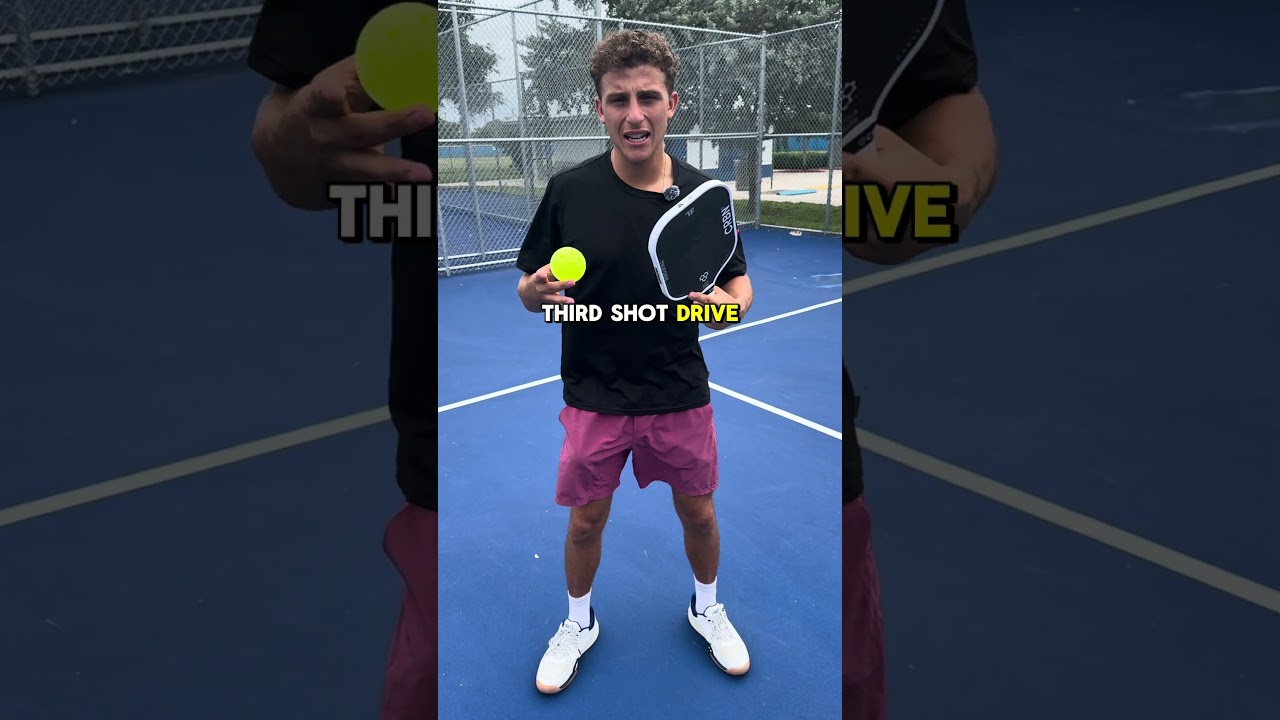
The decision between a drop shot and drive begins with reading your opponents' positioning. When both opponents are stationed at the non-volley zone line with balanced stances, a well-executed drop shot becomes your primary tool for neutralizing their positional advantage.
Conversely, if you notice opponents standing deeper in their court or leaning forward aggressively, a drive shot can catch them off-guard and potentially force a weak return. The key is recognizing these positional tells before committing to your shot selection.
Evaluating Your Own Court Position
Your location on the court significantly influences shot selection effectiveness. From the baseline, a third shot drop allows you and your partner time to advance toward the net while the ball travels its arc trajectory.
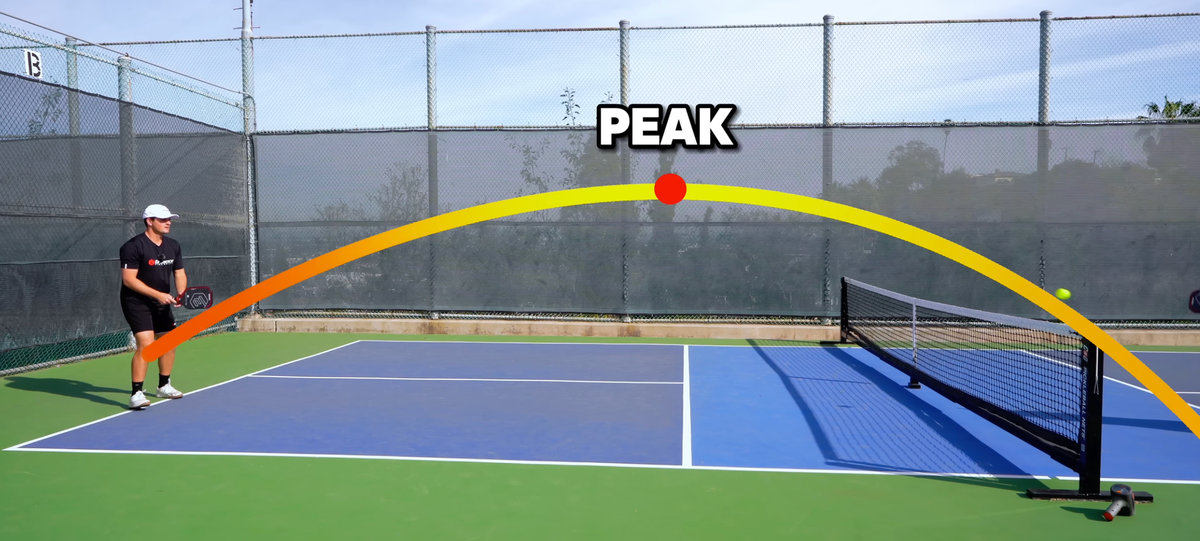
However, if you're positioned closer to the service line, you might have better angles for an aggressive drive that puts immediate pressure on your opponents. Distance from the net directly correlates with the time available for forward movement.
Reading the Return Quality
The quality of your opponents' return shot provides crucial information for your third shot decision. A deep, well-placed return that forces you back typically calls for a drop shot, as attempting a drive from a defensive position often results in errors.
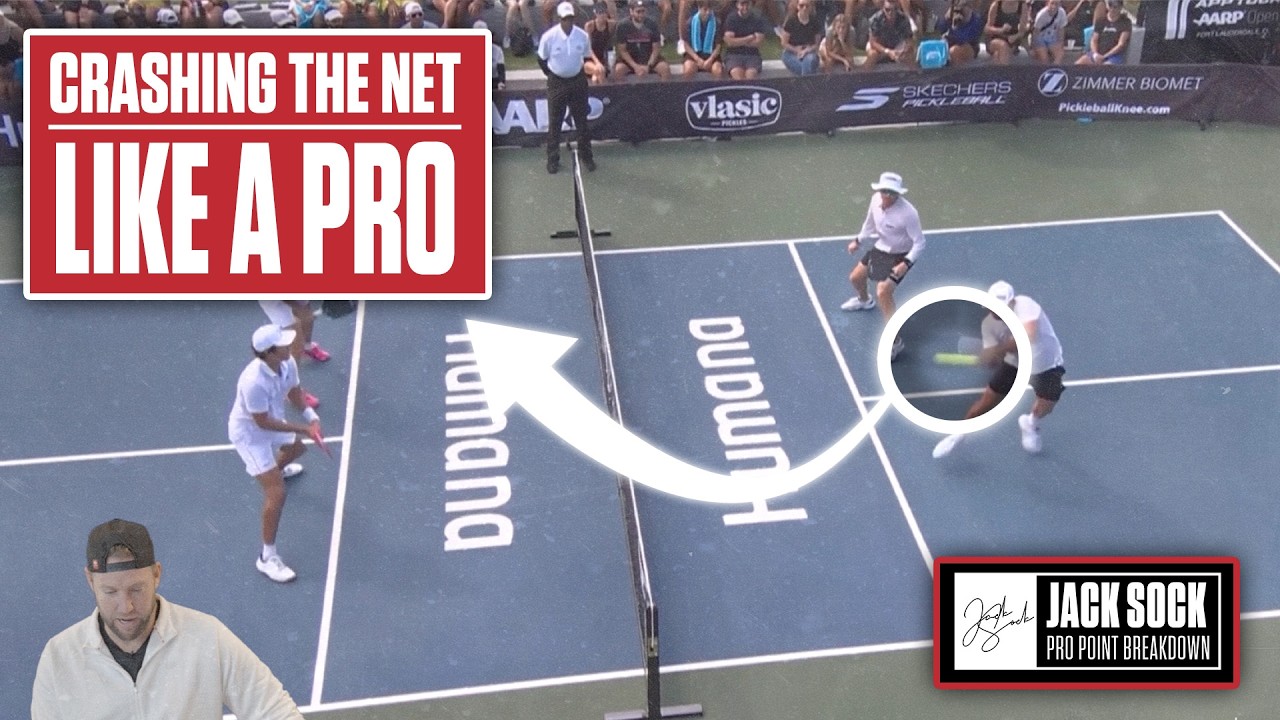
When facing a short or weak return that allows you to move forward and take the ball at a comfortable height, consider the drive option. These opportunities don't present themselves frequently, so capitalizing on poor returns becomes essential for point construction.
Weather and Environmental Factors
Outdoor conditions significantly impact shot selection strategy. Wind patterns can either assist or hinder drop shot execution, while bright sunlight might affect your opponents' ability to track low-arcing balls effectively.
Indoor courts typically favor consistent drop shot execution due to controlled conditions, but faster surfaces might reward aggressive driving strategies. Adapting your default shot selection to environmental conditions demonstrates advanced court awareness.
Momentum and Scoreline Considerations
Game momentum influences strategic shot selection beyond pure technical considerations. When leading comfortably, conservative drop shots maintain control while reducing unforced error risk.
During tight games or when trailing, occasional drives can shift momentum and catch opponents who expect predictable drop shot patterns. Varying your approach prevents opponents from settling into comfortable defensive rhythms.
Partner Communication and Court Coverage
Your partner's positioning and movement abilities should influence third shot decisions. If your partner struggles with quick forward movement, prioritizing drop shots provides additional time for proper net positioning.
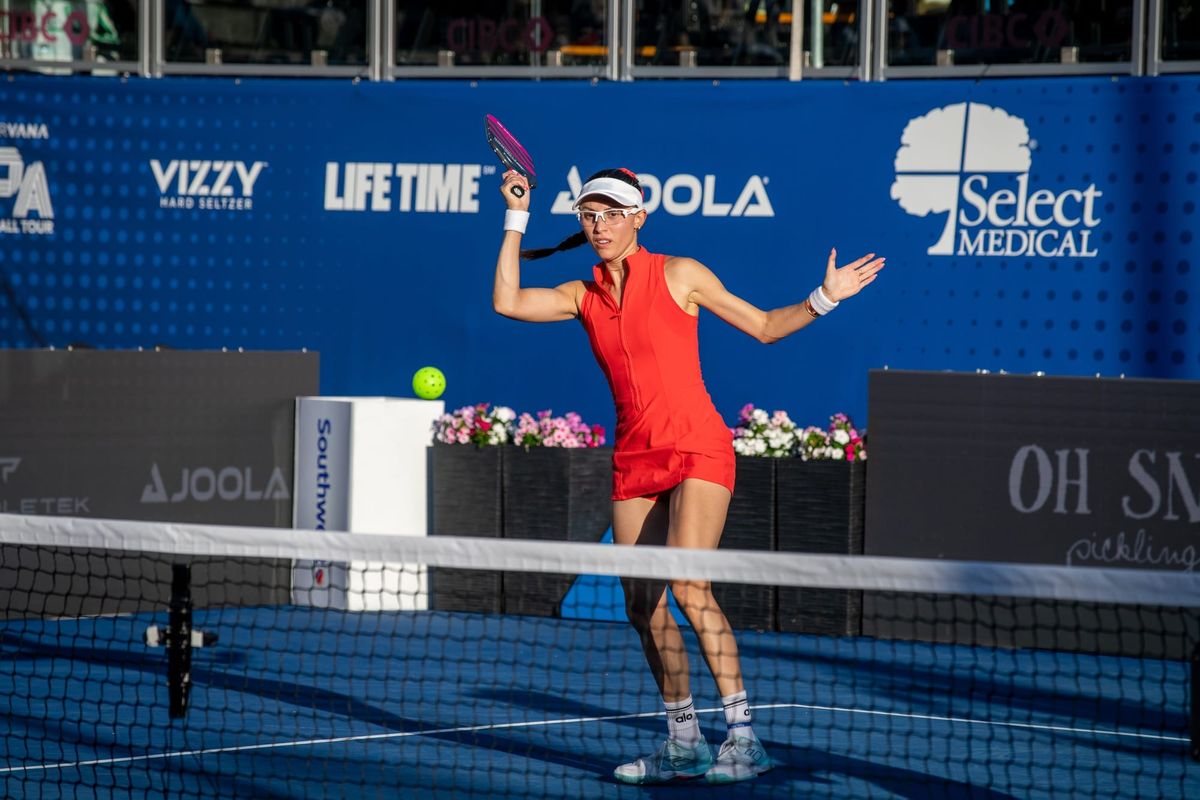
Strong, athletic partners might handle aggressive drive sequences more effectively, allowing for varied shot selection that keeps opponents guessing. Communication about preferred strategies before matches improves coordination during crucial points.
Practice Recommendations
Developing reliable third shot options requires dedicated practice time focusing on both technical execution and decision-making speed. Start with consistent drop shot mechanics before adding situational complexity.
Practice scenarios should include various return depths, opponent positions, and court conditions to build comprehensive shot selection instincts. Video analysis of competitive matches reveals how elite players navigate these decisions under pressure.
Frequently Asked Questions
Should I always hit a third shot drop when returning from the baseline?
No, while the drop shot is often the safer choice from the baseline, factors like opponent positioning, return quality, and game situation should influence your decision. Mixing in occasional drives prevents predictability.
How do I know if my third shot drop is too high?
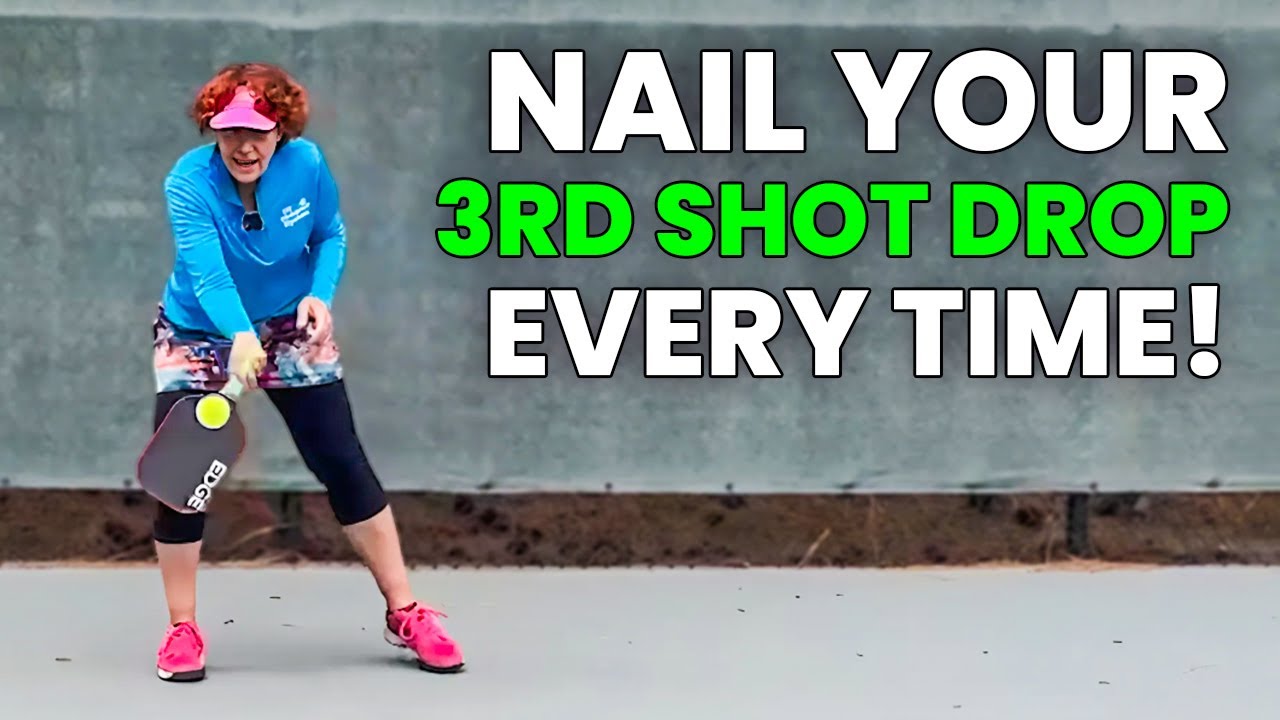
If opponents can attack your drop shots aggressively at net level or above, they're landing too high. Effective drops should bounce low, forcing opponents to hit upward and allowing you time to advance forward.
What's the biggest mistake players make with third shot selection?
The most common error is automatic shot selection without reading court conditions. Players who always drop or always drive miss opportunities to exploit opponent weaknesses and varying game situations.