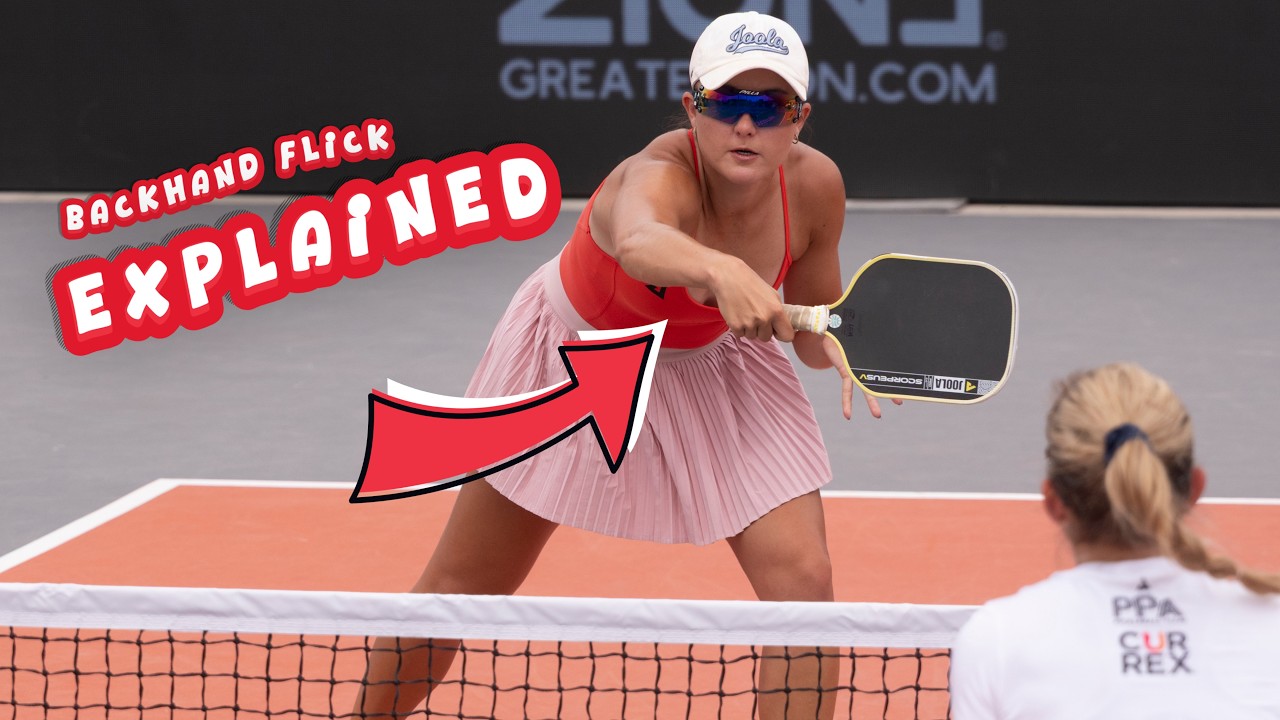
What truly separates professional pickleball players from recreational competitors isn't superior athleticism or expensive equipment—it's their ability to perform under intense pressure.
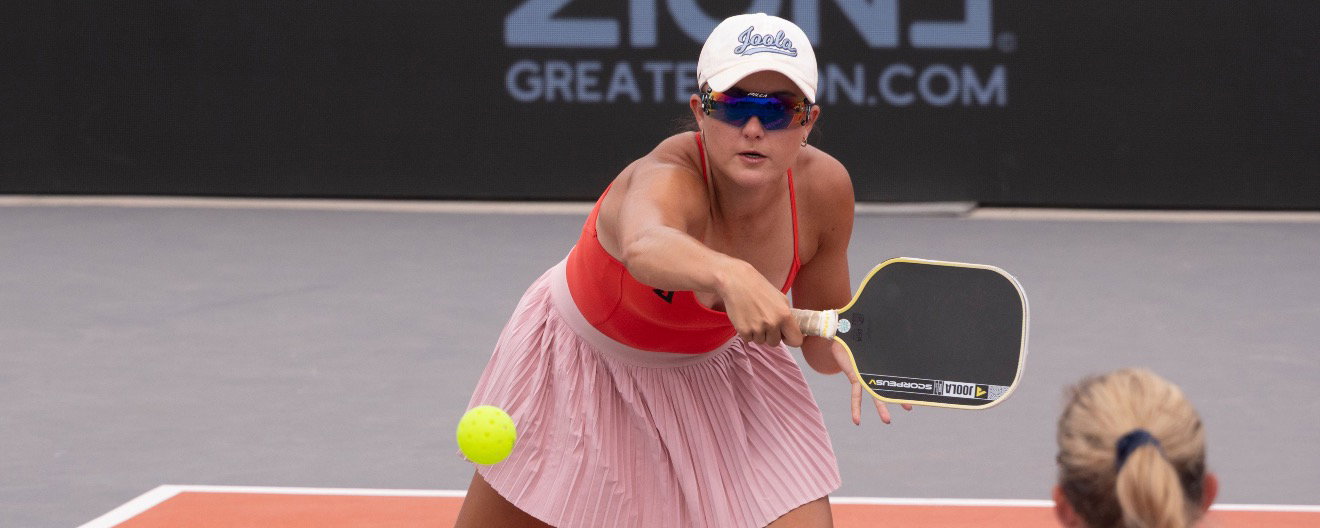
PPA professional Ashley Griffith recently unveiled five critical habits that elite players use to maintain their edge when matches heat up. These aren't complex techniques requiring years to master, but strategic behaviors that any player can implement immediately.

The Mental Game Makes Champions
Griffith emphasizes that mental toughness forms the foundation of pressure management. While recreational players often let emotions dictate their performance, professionals maintain psychological control regardless of the score.
"Championship players develop pre-point routines that reset their mindset," Griffith explains. This includes controlled breathing, positive self-talk, and visualization techniques that keep anxiety at bay during crucial moments.

Strategic Timeout Usage
Most amateur players waste timeouts when they're already rattled. Professionals use them strategically to break opponent momentum and create mental space for tactical adjustments.
The key is calling timeout before pressure peaks, not after losing three consecutive points. This proactive approach prevents emotional spirals and maintains competitive positioning.
Physical Habits That Build Consistency
Beyond mental preparation, Griffith identifies two physical habits that distinguish professional performance under pressure.
Footwork Fundamentals Never Fade
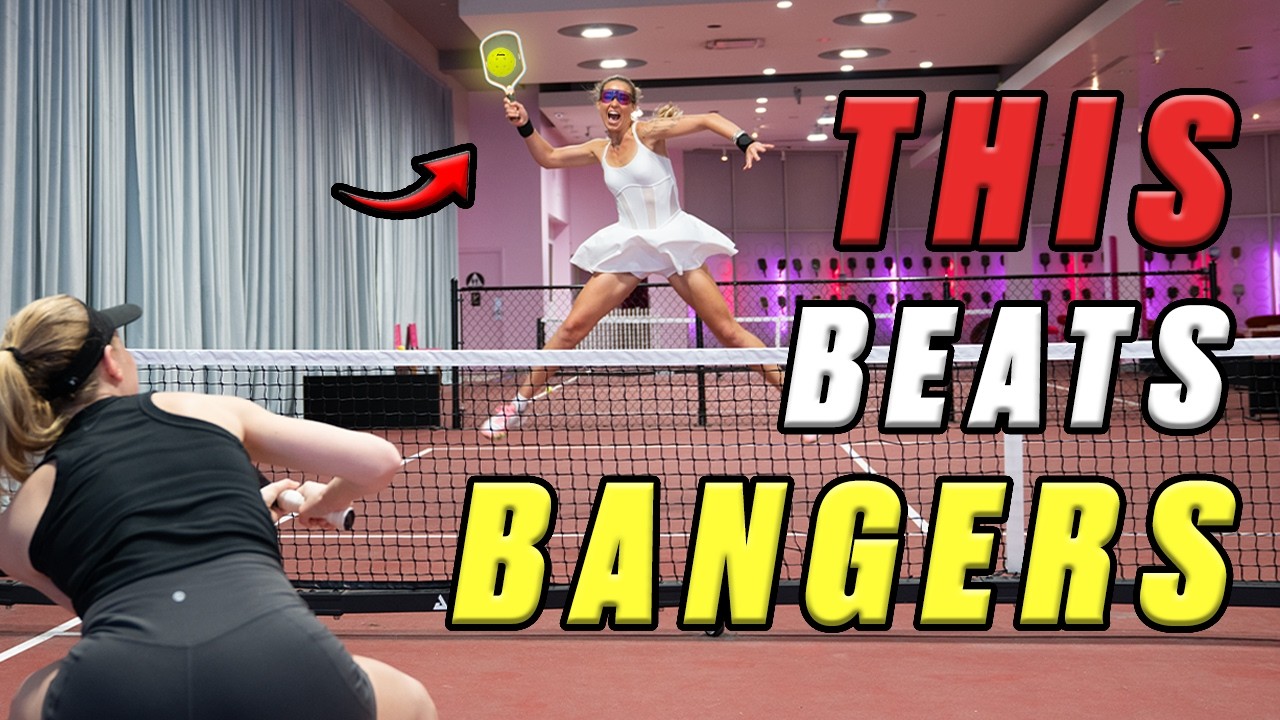
When pressure mounts, recreational players often abandon proper footwork, leading to off-balance shots and unforced errors. Elite players maintain footwork discipline regardless of match intensity.
This means staying light on their feet, maintaining proper court positioning, and executing split steps consistently throughout extended rallies.
Energy Management Throughout Matches
Professional players understand that pickleball matches are marathons, not sprints. They conserve energy during routine points and unleash maximum effort only when strategic opportunities arise.
This calculated approach prevents late-match fatigue that typically derails amateur players during crucial moments.
Advanced Court Awareness
The fifth habit Griffith highlights is anticipation development—reading opponents' tendencies and positioning accordingly before shots are struck.
Professional players study opponent patterns throughout matches, noting preferred shot selections under different circumstances. This intelligence gathering pays dividends during pressure points when predictive positioning creates winning opportunities.
Implementing These Habits
The beauty of Griffith's insights lies in their accessibility. These aren't techniques requiring professional coaching or specialized equipment. Instead, they represent mindset shifts and behavioral modifications that any dedicated player can adopt.
Start by incorporating one habit per practice session. Focus on mental routines during casual play, then gradually add strategic timeout awareness and footwork consistency as these behaviors become automatic.
Remember, professional-level pressure handling develops through consistent practice, not overnight transformation. The players who commit to these foundational habits will find themselves performing significantly better when stakes are highest.
Frequently Asked Questions
How long does it take to develop professional pressure-handling habits?
Most players see noticeable improvement within 2-3 weeks of consistent practice. However, developing automatic responses under extreme pressure typically requires 2-3 months of dedicated focus on these specific habits.
Can these techniques work for beginner players, or are they only effective for advanced competitors?
These habits are actually more beneficial for developing players because they prevent bad pressure responses from becoming ingrained. Beginners who learn proper mental and physical habits early often progress faster than players who must unlearn poor pressure management later.
Which of the five habits should players prioritize first?
Mental toughness and pre-point routines provide the foundation for all other habits. Start there, then add footwork consistency and strategic timeout usage as your mental game strengthens.