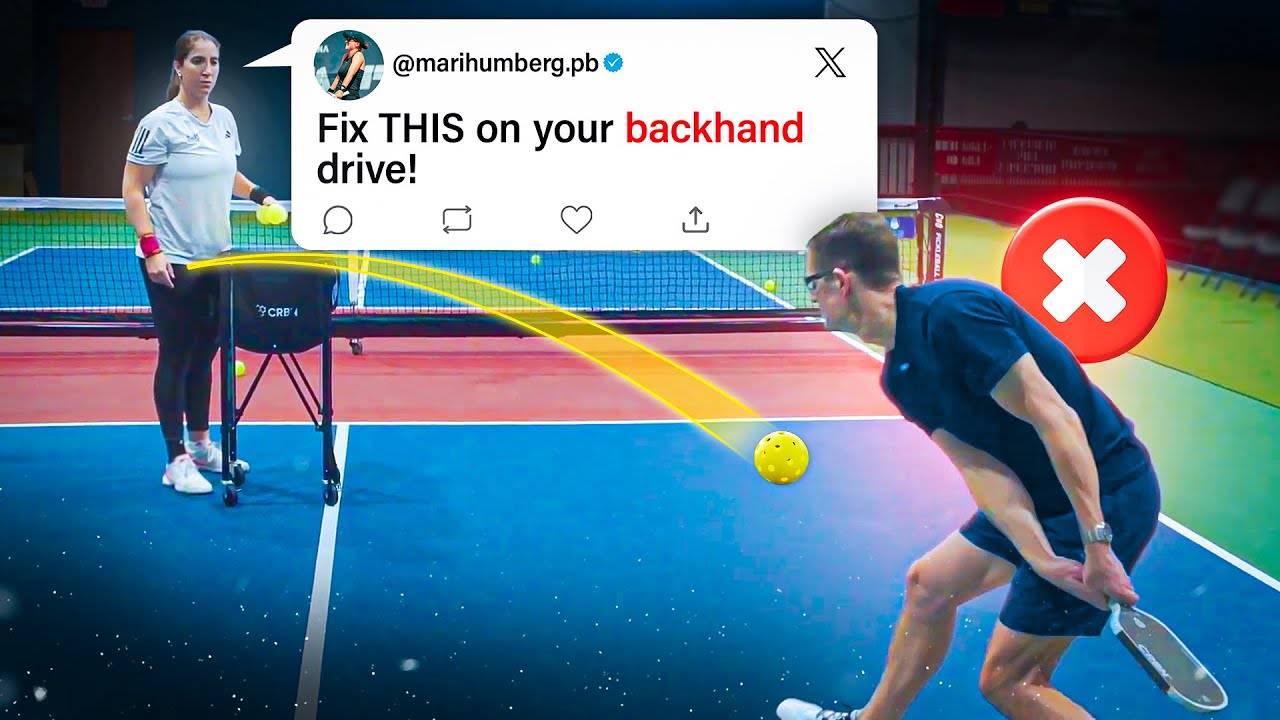
Practicing pickleball without a partner doesn't mean you can't improve dramatically. While you miss the unpredictability of live rallies, solo practice offers something equally valuable: focused repetition of fundamental skills that directly translate to match performance.
The secret to effective solo training lies in targeting specific weaknesses while building muscle memory through consistent repetition. Here are seven battle-tested solo drills that will elevate your game faster than you'd expect.
Wall Practice: Your Ultimate Training Partner
A simple wall transforms into the most patient and available practice partner you'll ever have. Position yourself 8-10 feet from any smooth wall and begin hitting controlled groundstrokes.
Focus on maintaining a steady rhythm while keeping shots at net height or slightly below. Start with forehands only, then progress to backhands, and finally alternate between both strokes. The immediate feedback from wall returns forces you to develop quick reactions and consistent paddle positioning.
Pro tip: Mark the wall with tape at net height (34 inches in the center) to create a visual target zone.
Precision Dinking Without a Partner
Mastering the soft game is crucial for pickleball success, and you can practice dinking fundamentals solo. Set up targets in your kitchen area using cones, towels, or even plastic cups.
Practice hitting gentle, arcing shots that would land in the non-volley zone. Focus on paddle angle, gentle grip pressure, and smooth follow-through. This drill builds the touch and control essential for winning points at the net.
Shadow Footwork Training
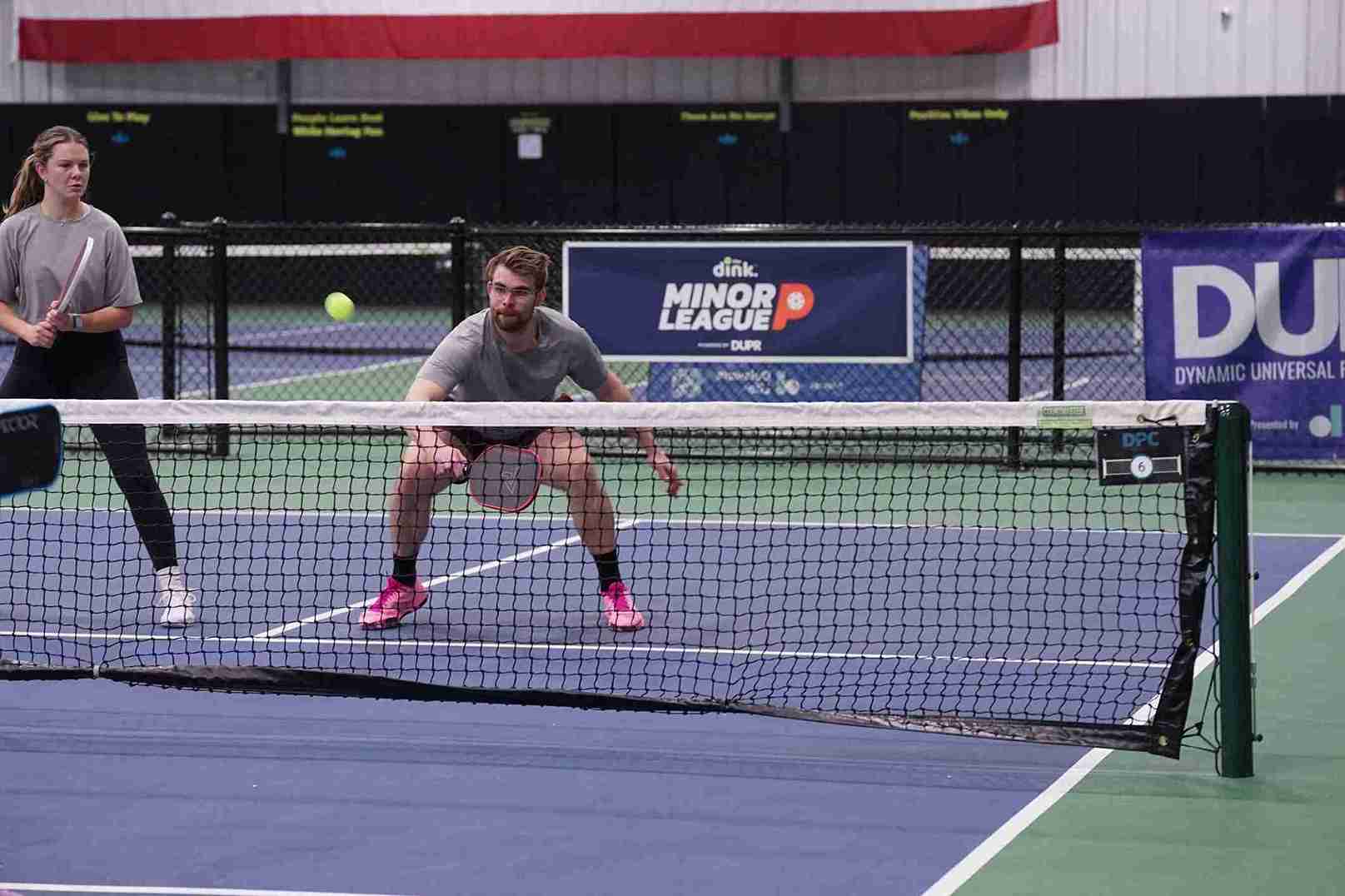
Footwork often gets neglected, but it's the foundation of every great shot. Practice moving through different court positions without hitting balls, focusing on:
- Split-step timing
- Lateral movement patterns
- Quick forward and backward transitions
- Proper ready position after each movement
Spend 10-15 minutes visualizing different game scenarios while moving accordingly. This builds the movement patterns that become automatic during matches.
Target Practice for Shot Accuracy
Set up various targets around the court using cones, towels, or chalk marks. Practice hitting specific zones like deep corners, short angles, and down-the-line shots. This drill improves shot placement accuracy, which is often more important than power in pickleball.
Create different challenges by varying your starting position and target locations. Success rates should be tracked to measure improvement over time.
Serve Consistency Challenge
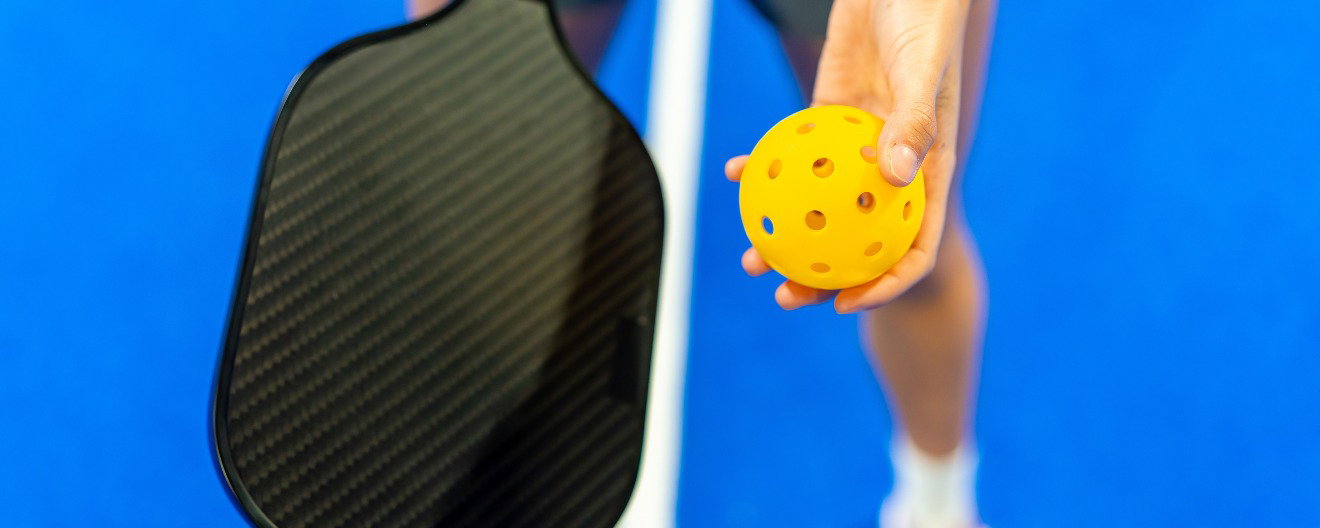
Since serving is the only shot you have complete control over, it deserves dedicated practice time. Set up targets in each service box and practice hitting them consistently.
Focus on developing 2-3 reliable serve variations: a deep serve, a short angle serve, and a body serve. Aim for 8 out of 10 successful placements before moving to the next target or serve type.
Return of Serve Simulation
Practice return positioning and technique by bouncing balls to yourself and hitting controlled returns to specific court areas. This drill helps develop the quick reactions and consistent technique needed for effective service returns.
Vary the bounce height and location to simulate different serving styles you'll face in matches.
Mental Game Visualization
While holding your paddle, visualize playing complete points from start to finish. See yourself executing perfect shots, making smart decisions, and maintaining composure under pressure.
This mental practice strengthens neural pathways and builds confidence for actual match situations. Spend 5-10 minutes on visualization during each solo practice session.
Maximizing Your Solo Practice Sessions
Structure your solo sessions with specific goals and time limits for each drill. A typical 45-minute session might include 10 minutes of wall practice, 10 minutes of target work, 15 minutes of footwork and movement, and 10 minutes of serving.
Keep a practice journal to track which areas need the most work and monitor improvement over time. Consistency beats intensity – regular 30-minute sessions yield better results than occasional marathon practices.
Frequently Asked Questions
How often should I practice solo pickleball drills?
Aim for 3-4 solo practice sessions per week, lasting 30-45 minutes each. Consistent shorter sessions are more effective than infrequent long practices for building muscle memory and improving technique.
Can solo practice really improve my match performance?
Absolutely. Solo practice builds the fundamental skills and consistency that translate directly to match play. While you won't replicate game dynamics, you'll develop more reliable technique and better court movement patterns.
What equipment do I need for effective solo practice?
You only need a paddle, a few balls, and some basic targets like cones or towels. Access to a wall for rally practice is helpful but not essential. Most drills can be done on any court or even in a large driveway.