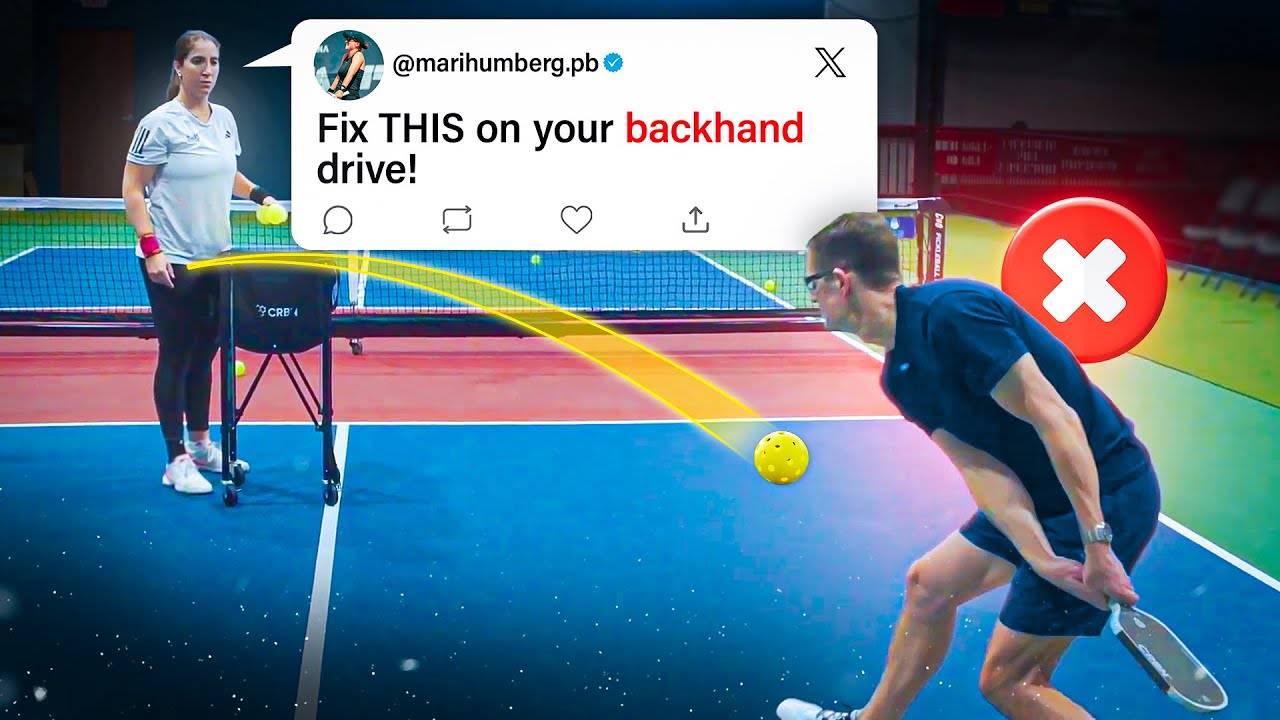
Solo pickleball practice might seem limiting, but it's actually one of the most effective ways to develop fundamental skills. Without the unpredictability of opponents, you can focus entirely on perfecting technique, building muscle memory, and strengthening the core mechanics that will elevate your game.
The secret to successful solo training lies in targeting consistency, paddle control, and footwork development. While you won't replicate match dynamics, these focused drills will sharpen the technical foundation that translates directly to competitive play.
Essential Solo Drills for Rapid Improvement
Wall Rally Training
Transform any wall into your most reliable practice partner. This fundamental drill develops hand-eye coordination and paddle control through continuous repetition.
Execution technique:
- Stand 8-10 feet from a solid wall
- Hit controlled shots at net height (34 inches)
- Maintain consistent contact point
- Focus on clean paddle face alignment
Progressive variations:
- Move closer for faster reaction training
- Step back to practice power control
- Alternate forehand and backhand strokes
- Add crosscourt angles for variety
Target Practice Precision
Accuracy wins matches, and target drills build the precision needed for strategic shot placement.
Set up targets using cones, towels, or tape on a court or against a wall. Practice hitting specific zones repeatedly, focusing on:
- Kitchen line drops
- Sideline placements
- Deep baseline shots
- Third shot drop zones
Footwork and Movement Patterns
Court positioning separates recreational players from competitive ones. These movement drills build agility and proper positioning habits.
Shadow drilling: Practice moving through common game scenarios without a ball. Focus on:
- Split-step timing
- Lateral movement efficiency
- Recovery steps after shots
- Transition from baseline to kitchen
Serve and Return Repetition
Master the shots that start every point. Consistent serving and returning create immediate advantages in matches.
Serving focus points:
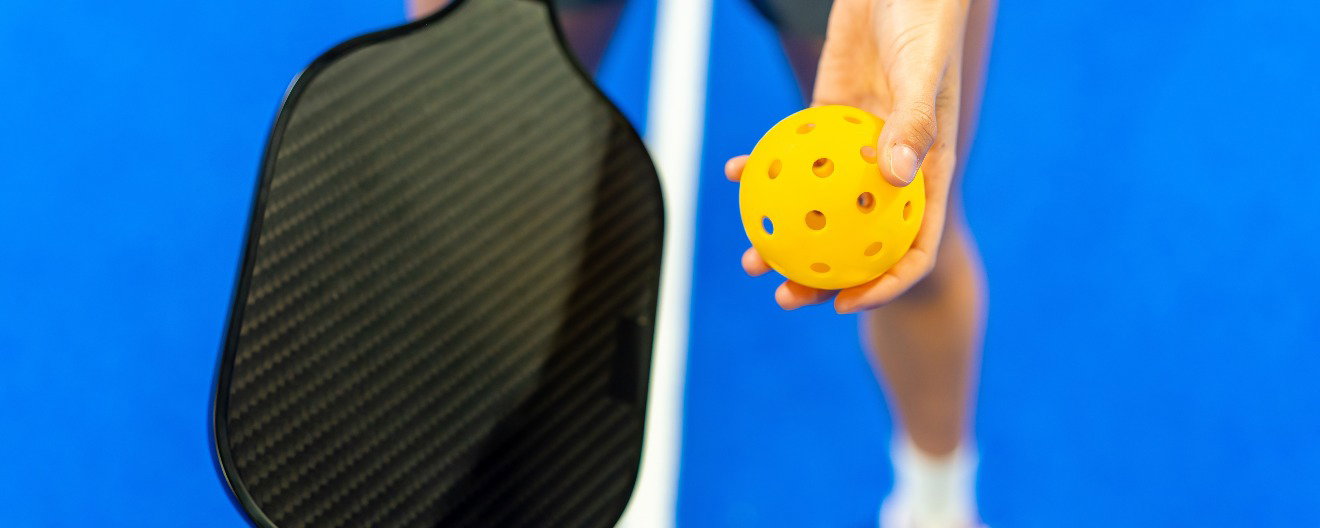
- Consistent toss placement
- Smooth pendulum motion
- Target accuracy to service boxes
- Deep vs. short serve strategy
Practice 50-100 serves per session, tracking accuracy rates and adjusting technique based on results.
Advanced Solo Training Techniques
Dinking Against the Kitchen Line
Stand at the non-volley zone and practice soft shots that would land in the kitchen. This builds touch and control essential for net play.
Multi-Ball Sequences
If you have multiple balls, practice rapid-fire sequences that simulate rally pressure. Drop balls to yourself and execute quick, controlled responses.
Mental Visualization Training
Combine physical practice with mental rehearsal. Visualize game scenarios while executing drills, building both technical skills and tactical awareness.
Maximizing Solo Practice Sessions
Structure your solo sessions for maximum benefit:
- Warm-up (5-10 minutes): Light wall rallying and stretching
- Technical work (15-20 minutes): Focused stroke practice
- Target training (10-15 minutes): Accuracy drills
- Movement work (10 minutes): Footwork and positioning
- Serves and returns (10-15 minutes): Game-starting shots
Track your progress by counting successful repetitions and noting improvements in consistency. Video recording can provide valuable feedback on technique.
Frequently Asked Questions
How often should I practice solo pickleball drills?
Aim for 2-3 solo sessions per week, lasting 45-60 minutes each. Consistency matters more than duration - regular shorter sessions beat occasional long practices.
Can solo practice really improve my match performance?
Absolutely. Solo drills build the technical foundation and muscle memory that translate directly to competitive play. Many professional players dedicate significant time to solo skill development.
What equipment do I need for effective solo practice?
Basic requirements include a paddle, several balls, and access to a wall or court. Optional additions like targets, cones, and a ball machine can enhance training variety.