The third shot drop stands as the most critical skill separating recreational pickleball players from competitive ones. While it may not be the most spectacular shot on the court, mastering this fundamental technique consistently elevates players from intermediate to advanced levels.
For players rated 3.0 to 4.0, the third shot drop represents both the biggest challenge and the greatest opportunity for improvement. Most players at this level understand its importance but struggle with execution, often watching their drops sail high into perfect attack positions for opponents.
Understanding the Third Shot Drop
The third shot drop occurs after the serve and return, when the serving team hits a soft, arcing shot that lands in the opponent's non-volley zone. This strategic shot allows the serving team to advance from the baseline to the kitchen line, neutralizing the positional advantage held by the receiving team.
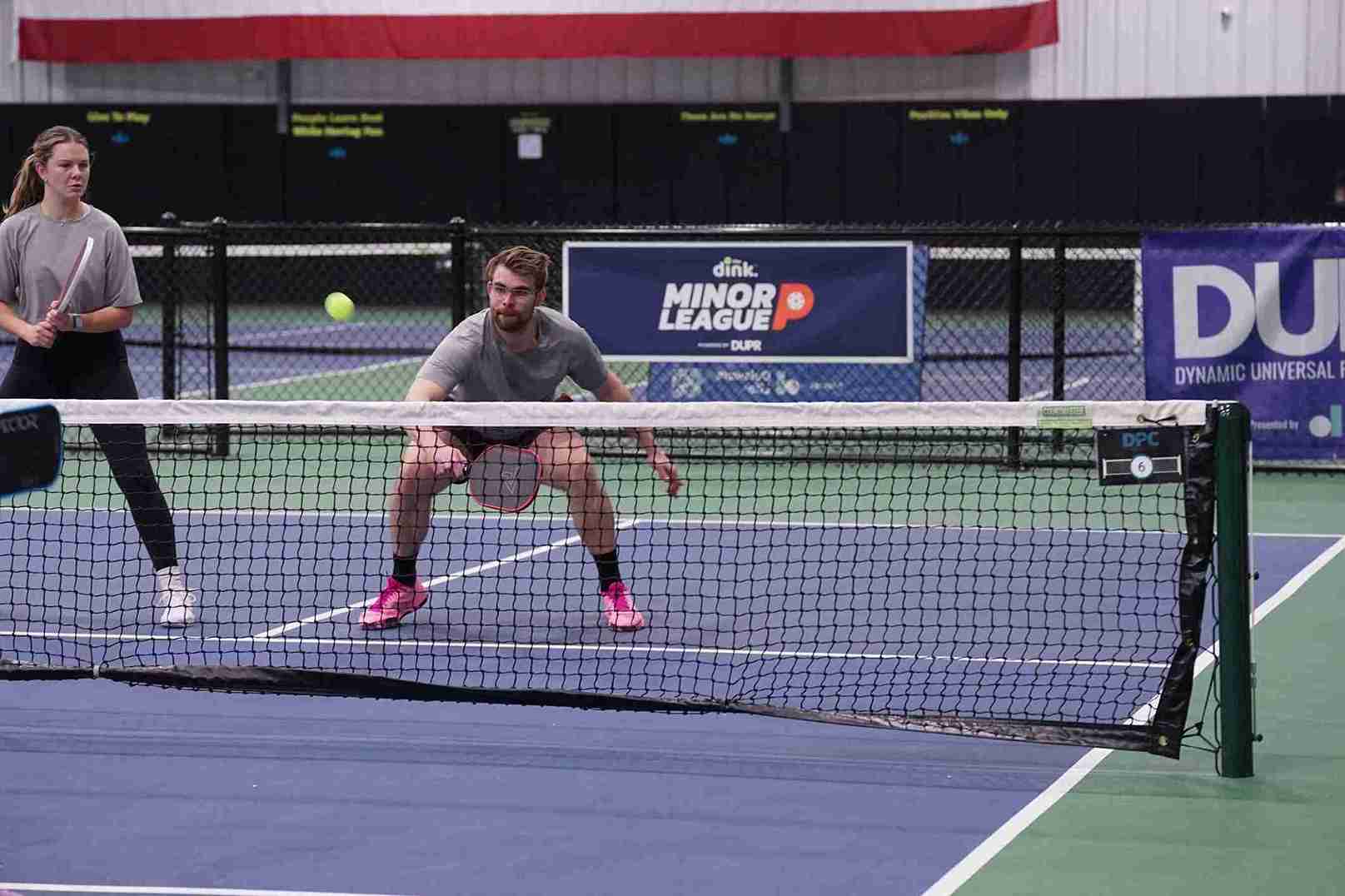
Unlike aggressive groundstrokes, the drop shot prioritizes placement and control over power. The goal is creating a shot that forces opponents to hit upward, preventing aggressive attacks and allowing your team to establish net position.
Step-by-Step Mechanics
Grip and Setup
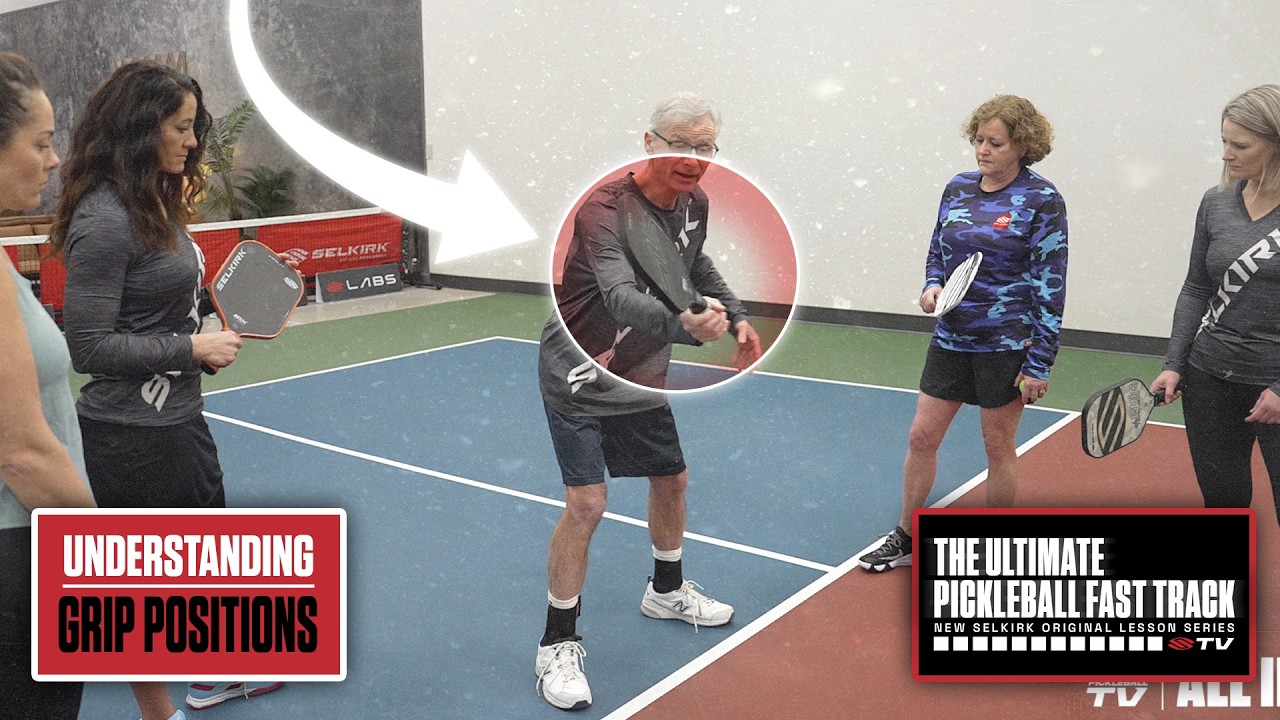
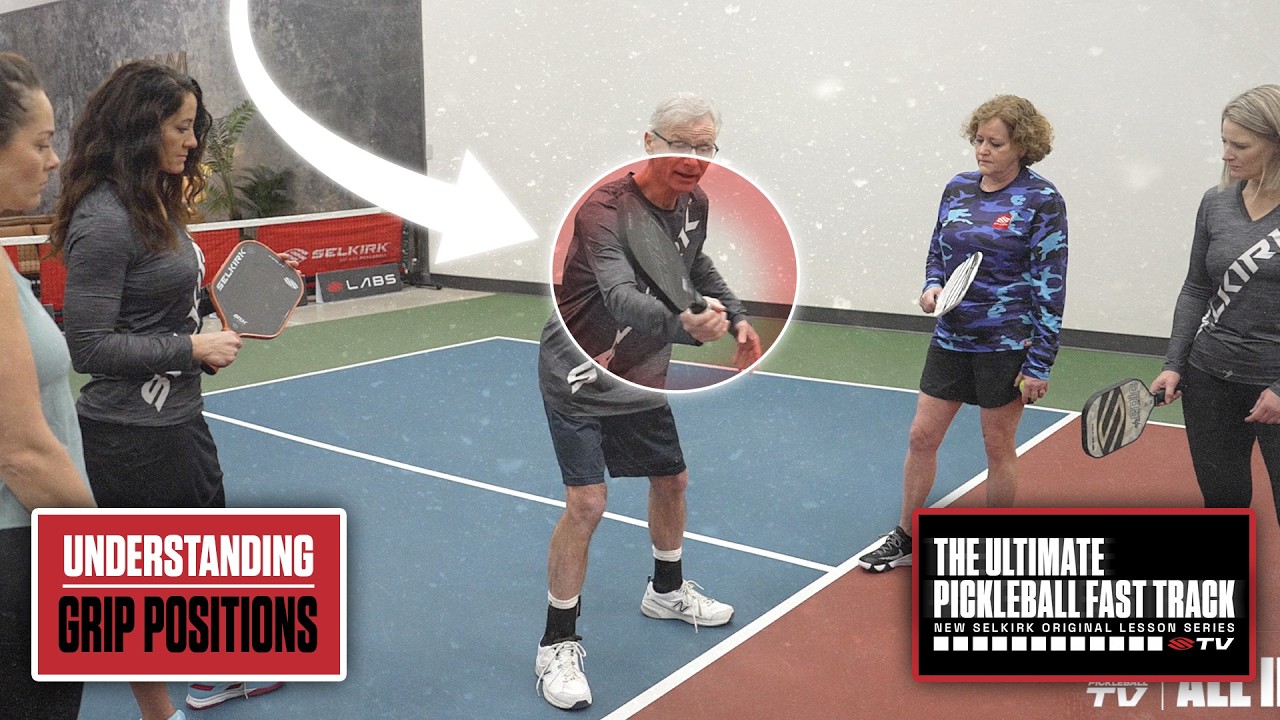
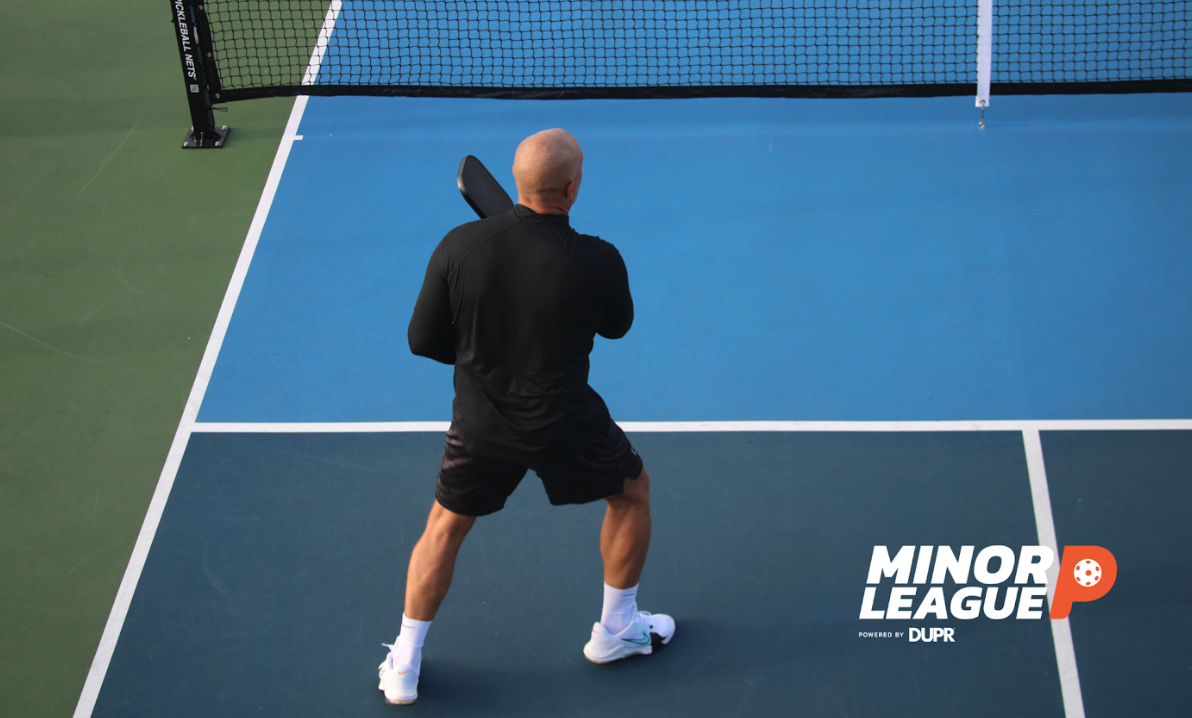
Start with a continental grip, positioning your paddle face slightly open. Your stance should be balanced with feet shoulder-width apart, weight distributed evenly. Position yourself behind the ball with your non-dominant shoulder facing the net.
The Swing Path
Begin your swing with a smooth, low-to-high motion. Keep your paddle face stable throughout the swing, avoiding excessive wrist action. The swing should feel more like a gentle lift than a traditional groundstroke.
Contact the ball at a comfortable height, ideally between your knees and waist. Focus on brushing underneath the ball to create the necessary arc while maintaining control.
Follow Through and Finish
Complete your swing with a controlled follow-through toward your target. Your paddle should finish pointing toward the area where you want the ball to land, typically deep in the opponent's kitchen.
Common Mistakes to Avoid
Overhitting the Shot
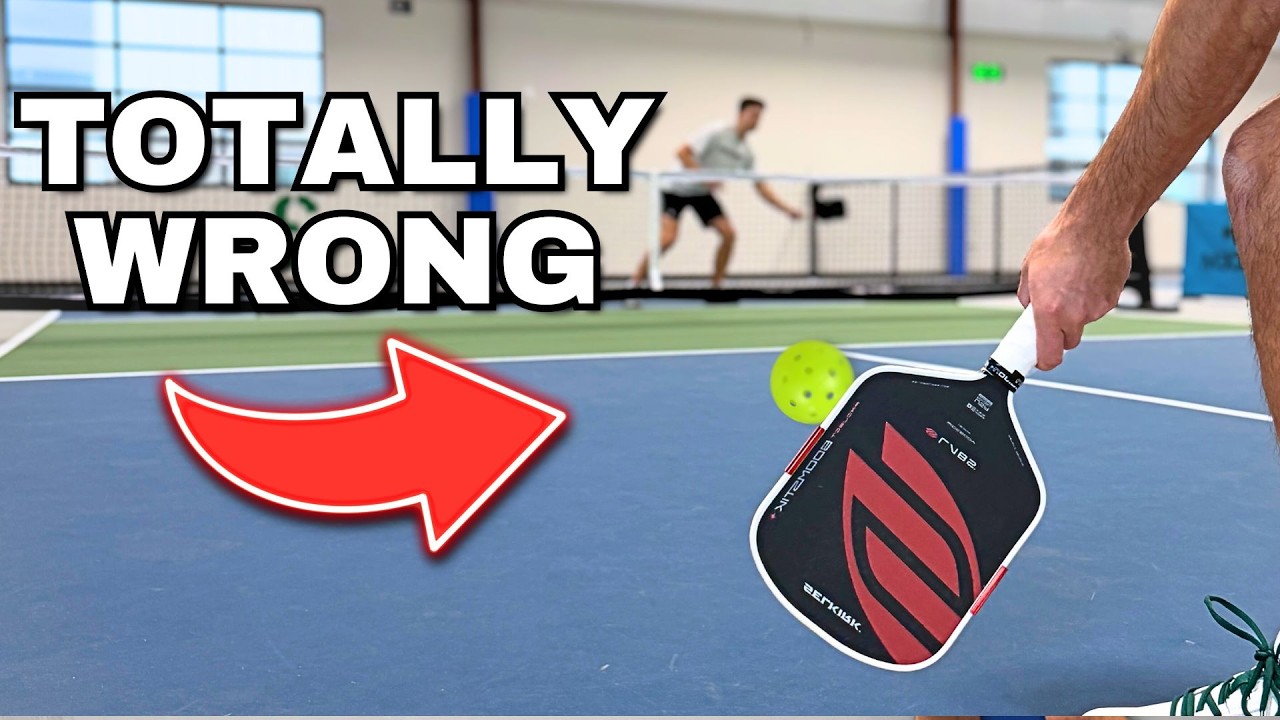
The most frequent error involves using too much power, causing the ball to float high and create easy putaway opportunities. Remember that the third shot drop requires finesse, not force.
Poor Paddle Face Control
Opening the paddle face too much or closing it completely leads to inconsistent results. Maintain a slightly open face throughout the entire swing motion.
Rushing the Setup
Many players attempt the drop shot without proper positioning. Take time to move your feet and establish a stable base before executing the shot.
Practice Drills for Improvement
Wall Practice
Stand 10 feet from a wall and practice your drop motion, focusing on consistent contact and follow-through. The ball should arc gently and land softly after bouncing off the wall.
Target Practice
Place targets in the non-volley zone and practice dropping balls into specific areas. Start with larger targets and gradually reduce their size as your accuracy improves.
Live Ball Drills
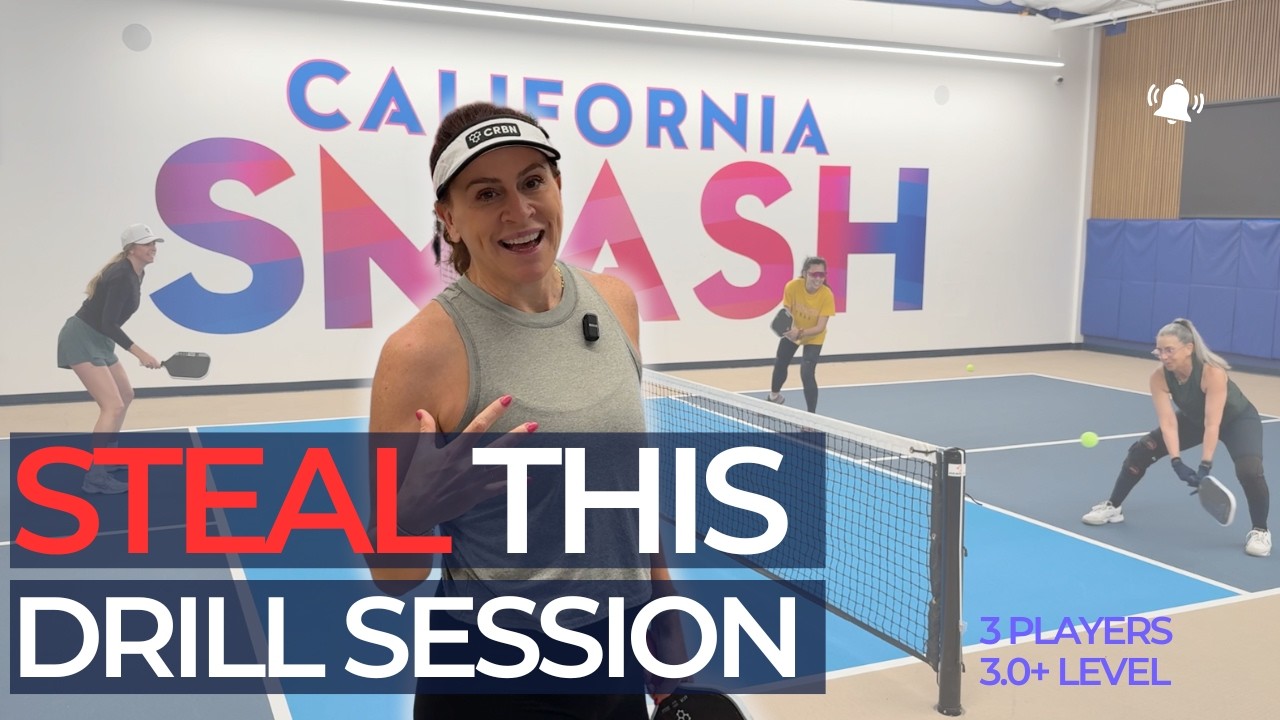
Partner with another player to practice the serve-return-drop sequence repeatedly. Focus on consistency rather than perfect placement initially.
Advanced Tips for 4.0 Players
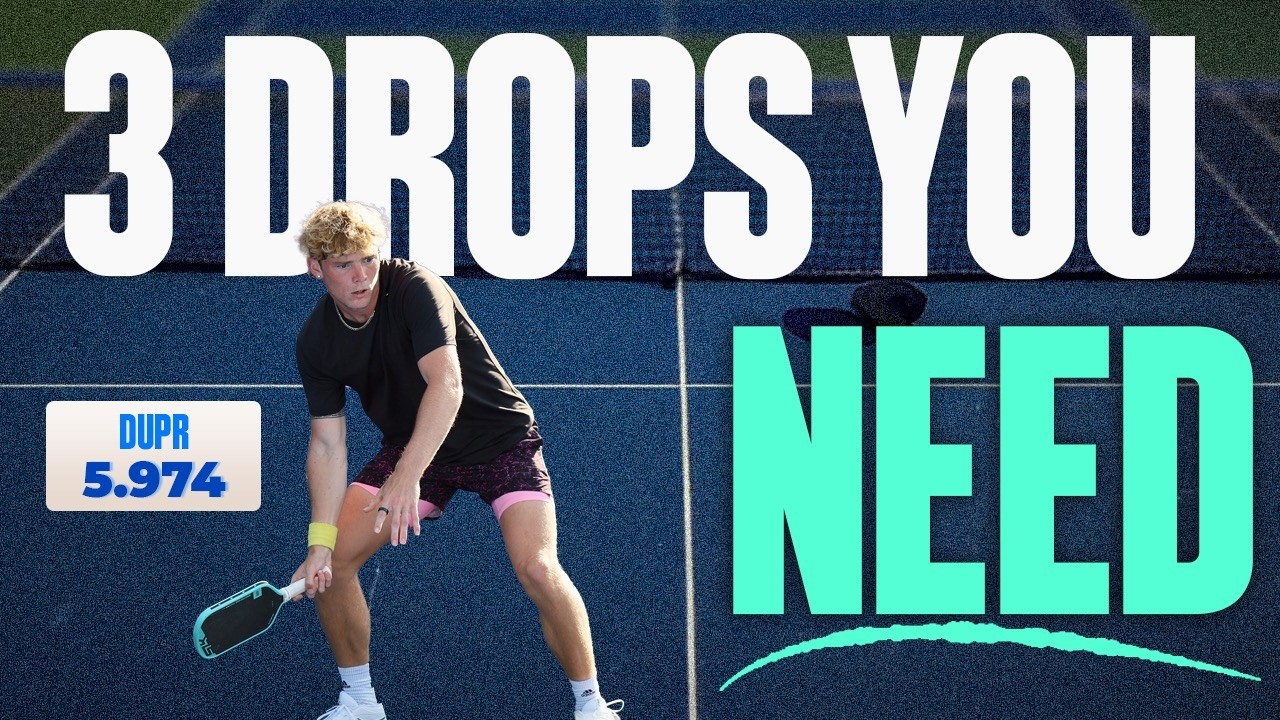
As your drop shot improves, begin varying the pace and spin. Adding slight topspin can help the ball drop more quickly, while varying the speed keeps opponents guessing.
Consider cross-court versus down-the-line placement based on opponent positioning and court geometry. Cross-court drops typically offer more margin for error due to the longer distance and lower net height.
Mental Approach
Patience proves essential when developing this shot. Accept that perfecting the third shot drop requires considerable practice and expect inconsistency during the learning process.
Focus on process over results during practice sessions. Consistent mechanics will eventually produce consistent outcomes.
Frequently Asked Questions
How high should my third shot drop arc?
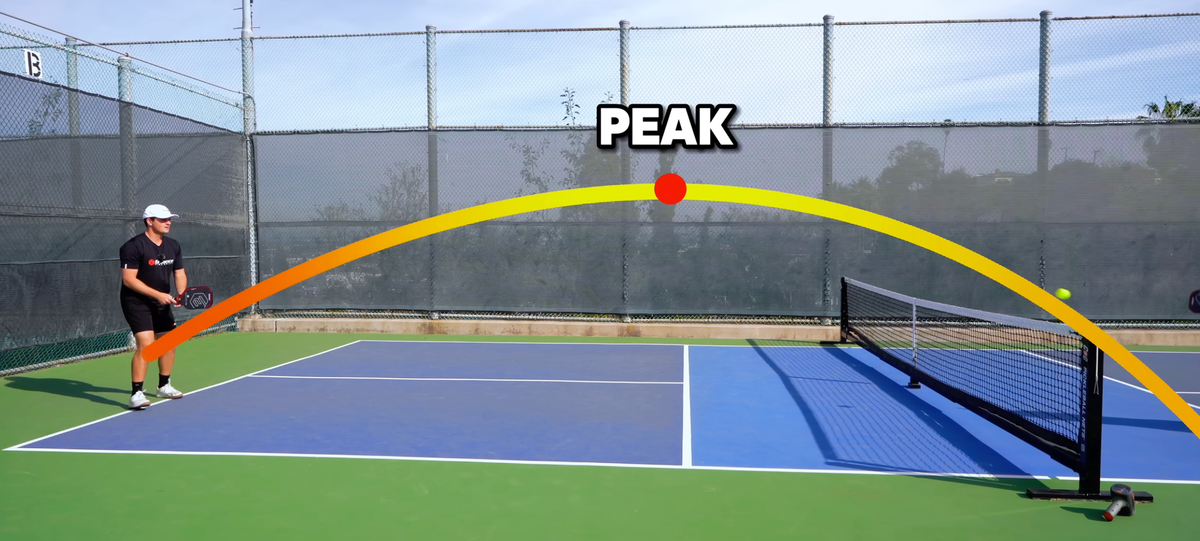
The ball should clear the net by 3-6 feet at its highest point, creating enough arc to drop softly into the kitchen while preventing easy overhead attacks.
When should I use a drive instead of a drop?
Consider using a third shot drive when opponents position themselves very close to the net or when you receive a short, low return that allows for an aggressive approach.
How long does it typically take to master this shot?
Most dedicated players see significant improvement within 2-3 months of focused practice, though achieving consistency under match pressure may take 6-12 months depending on practice frequency and quality.