The two-handed backhand drive stands as one of pickleball's most underutilized yet game-changing shots. While many recreational players shy away from this technique, mastering it can revolutionize your court presence and strategic options.
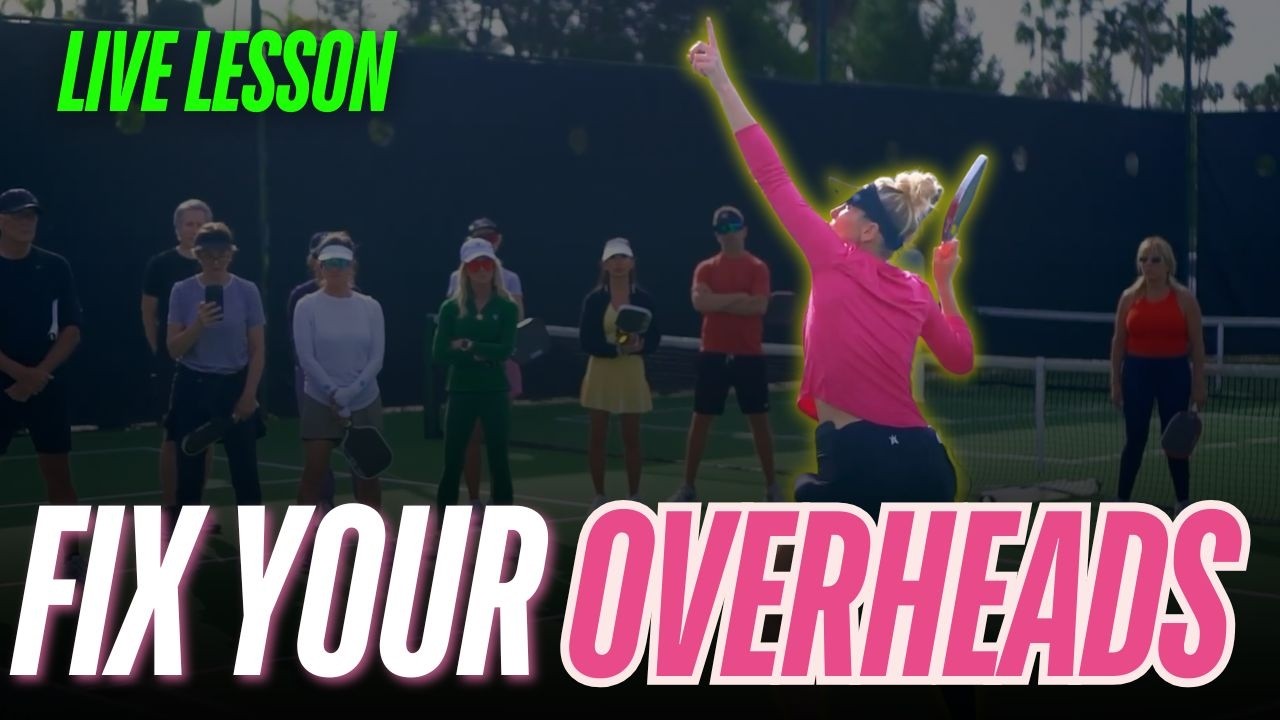
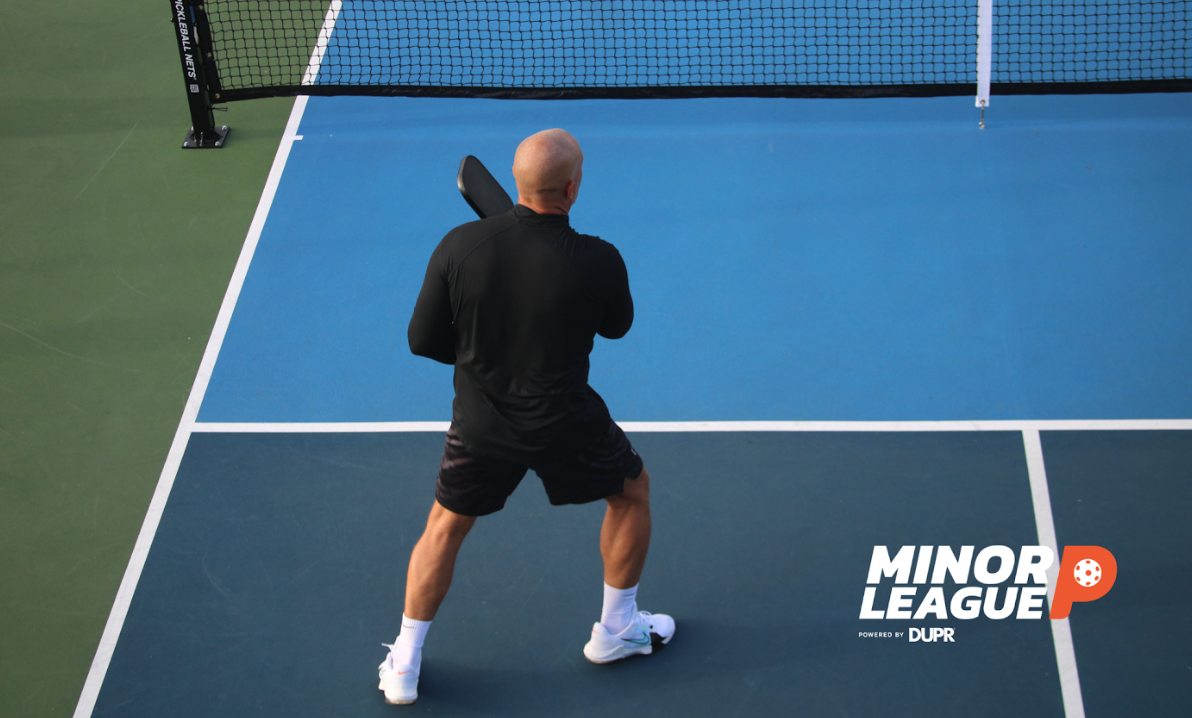
Professional player Mari Humberg recently demonstrated the power of proper backhand drive execution in a comprehensive lesson with a 4.2 DUPR player, revealing key insights that can elevate any player's game.
Why the Two-Handed Backhand Drive Is Essential
Most recreational players treat the backhand side as a defensive weakness rather than an offensive weapon. This mindset severely limits their tactical arsenal and makes them predictable opponents.
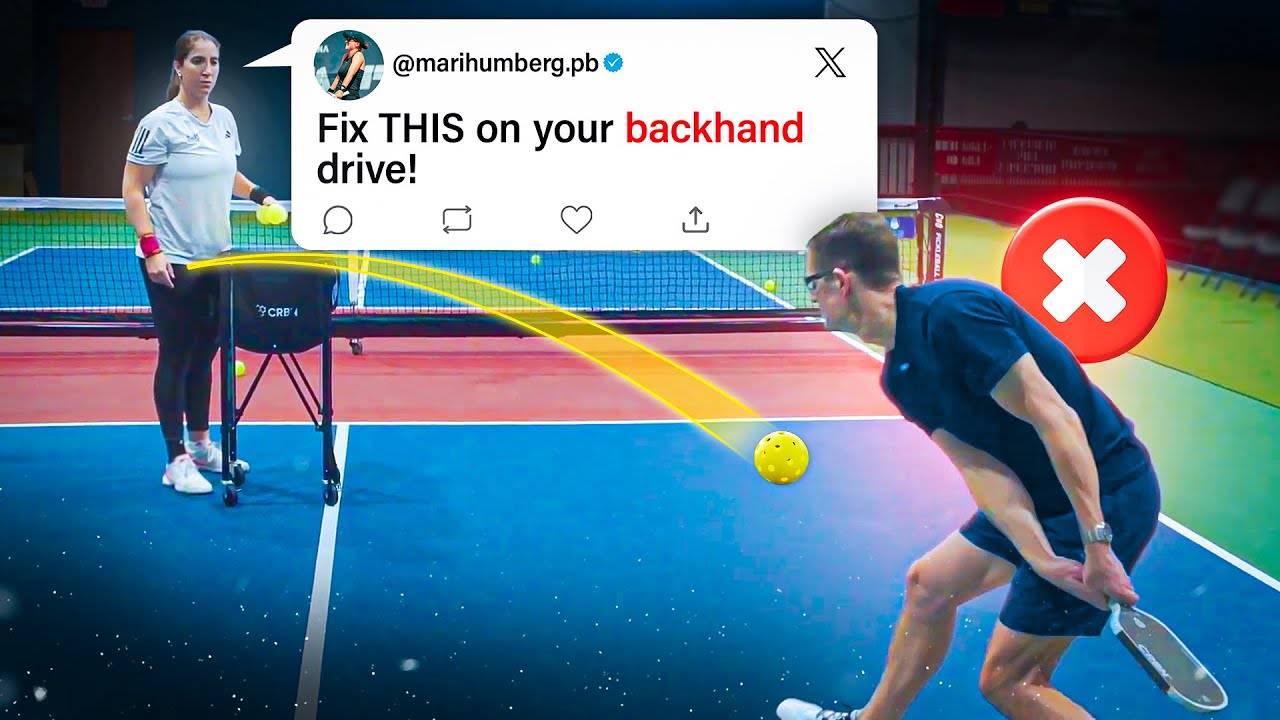
The two-handed backhand drive offers several strategic advantages:
- Power Generation: Two hands provide superior control and force compared to single-handed attempts
- Rally Breaking: Effectively transitions from soft dinking exchanges to aggressive offense
- Opponent Pressure: Forces defensive positioning and creates court positioning advantages
- Shot Variety: Keeps opponents guessing about your next move
Perfect Timing: When to Deploy Your Backhand Drive
Understanding situational awareness separates good players from great ones. The two-handed backhand drive excels in specific scenarios:
Breaking Stalemate Dinking
Extended dinking rallies often reach stagnation points where neither team gains advantage. A well-timed backhand drive can shatter this equilibrium, forcing opponents into reactive mode.
Attacking High Balls
When opponents provide elevated shots near the kitchen line, the two-handed backhand drive becomes an ideal weapon for aggressive returns that push them deeper into defensive territory.
Creating Court Position
Strategic backhand drives can force opponents wide or deep, opening court space for follow-up attacks or better positioning for your team.
Technical Execution: The Fundamentals
Proper technique forms the foundation of effective two-handed backhand drives. Focus on these critical elements:
Grip and Stance
Position both hands comfortably on the paddle handle, with your non-dominant hand providing support and additional power. Your stance should be slightly open, allowing for proper weight transfer through the shot.
Contact Point and Follow-Through
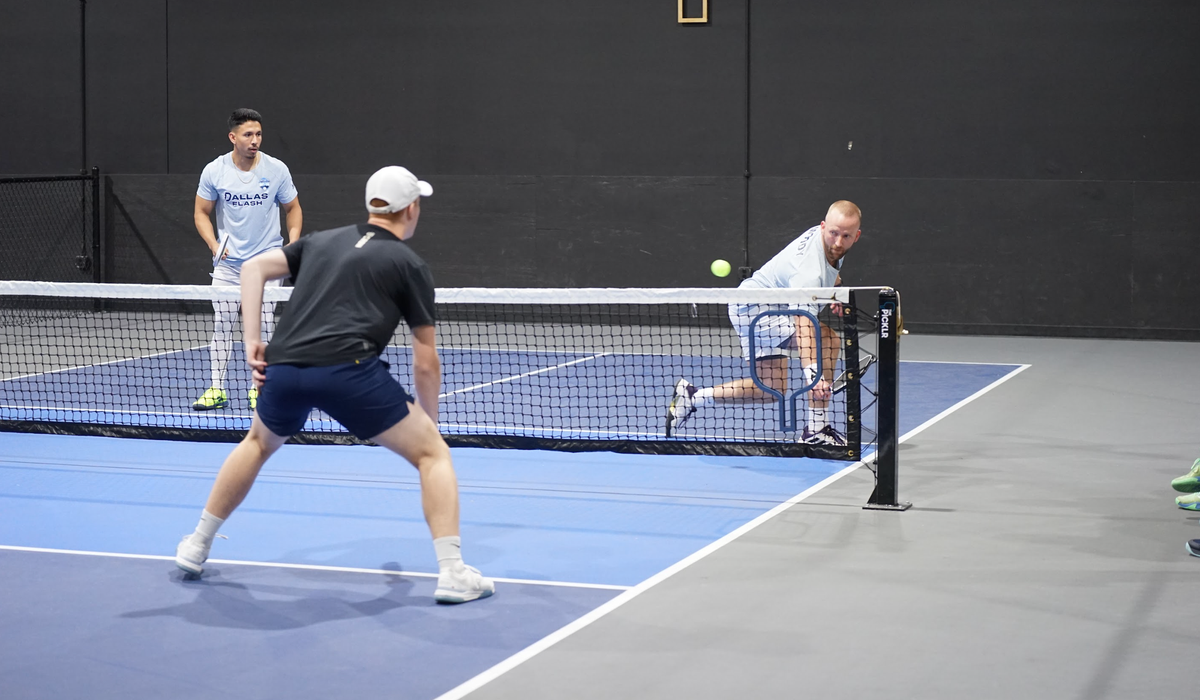
Make contact slightly in front of your body, ensuring clean paddle-to-ball connection. The follow-through should be smooth and controlled, directing the ball's trajectory toward your intended target area.
Weight Transfer
Shift your weight from back foot to front foot during the swing motion. This transfer generates additional power while maintaining shot accuracy and control.
Strategic Implementation
Successful backhand drives require more than just technical proficiency. Strategic thinking determines when and how to execute these shots effectively.
Target Selection
Aim for areas that create maximum difficulty for your opponents. Deep corners, wide angles, and gaps between players often yield the best results.
Shot Combination
Use backhand drives as setup shots for winning combinations. A well-placed drive can force a weak return, creating opportunities for put-away volleys or smashes.
Common Mistakes to Avoid
Even experienced players fall into predictable traps when developing their backhand drive:
- Overuse: Excessive driving makes you predictable and reduces shot effectiveness
- Poor Timing: Attempting drives from defensive positions often results in unforced errors
- Inadequate Follow-Through: Incomplete swing mechanics reduce power and accuracy
- Wrong Target Selection: Driving into opponents' strengths rather than exploiting weaknesses
Practice Drills for Improvement
Consistent practice with focused drills accelerates skill development. Work on target accuracy, power control, and situational recognition through structured training sessions.
Partner with players of varying skill levels to experience different defensive responses to your backhand drives. This exposure builds tactical awareness and shot selection judgment.
Frequently Asked Questions
Should beginners learn two-handed or one-handed backhand drives first?
Beginners benefit from starting with two-handed technique, as it provides better control and power generation. Once comfort and consistency develop, players can explore one-handed variations for specific situations.
How do I know when to drive versus dink during rallies?
Look for balls that bounce above net height or when opponents are positioned out of optimal defensive stance. Avoid driving from low positions or when opponents are well-balanced and ready to counter-attack.
What's the biggest mistake players make with backhand drives?
The most common error is attempting drives from poor court positions or using them too frequently. Successful backhand drives require patience, proper setup, and strategic timing rather than constant aggressive play.