Forget everything you think you know about power play in pickleball. The biggest myth plaguing recreational players is that successful banging means unleashing maximum force on every shot. This approach not only fails to win points—it actively loses them.
PPA Tour professional Ashley Griffith has identified the core problem: players confuse aggression with intelligence. True banging success comes from strategic thinking, not brute strength.
The Intelligence Behind Effective Power Play
Smart bangers operate on three fundamental principles that separate them from mindless ball bashers. These players understand that power without purpose is just noise.

First, timing your attacks matters more than the force behind them. Griffith emphasizes that recognizing the right moment to unleash power creates exponentially better results than random aggression. The best opportunities typically arise when opponents are out of position or when you receive a ball above net height.
Second, target selection determines success rates. Instead of aiming for impossible angles or trying to hit winners every time, intelligent bangers focus on creating pressure through consistent placement. This approach forces errors rather than attempting miracle shots.
Strategic Shot Selection for Maximum Impact
The most effective power players vary their attack intensity based on court positioning and opponent weaknesses. This nuanced approach keeps opponents guessing while maintaining control of rallies.

When executing drives, smart bangers aim for specific zones that create maximum difficulty for their opponents. Rather than going for outright winners, they target areas that force awkward returns or defensive positioning.
Body shots represent another underutilized weapon in the smart banger's arsenal. These shots eliminate reaction time and often produce weak returns that set up easy put-aways.
Power Variation Creates Uncertainty
Griffith's analysis reveals that mixing power levels within rallies creates more winning opportunities than consistent hard hitting. This variation prevents opponents from establishing rhythm and timing.

Three-quarter speed drives often prove more effective than full-power attempts because they maintain accuracy while still applying pressure. This controlled aggression allows for better court coverage and reduces unforced errors.
Reading Court Position for Attack Opportunities
Successful bangers develop exceptional court awareness that helps them identify vulnerable moments in their opponents' positioning. This skill transforms random aggression into calculated attacks.
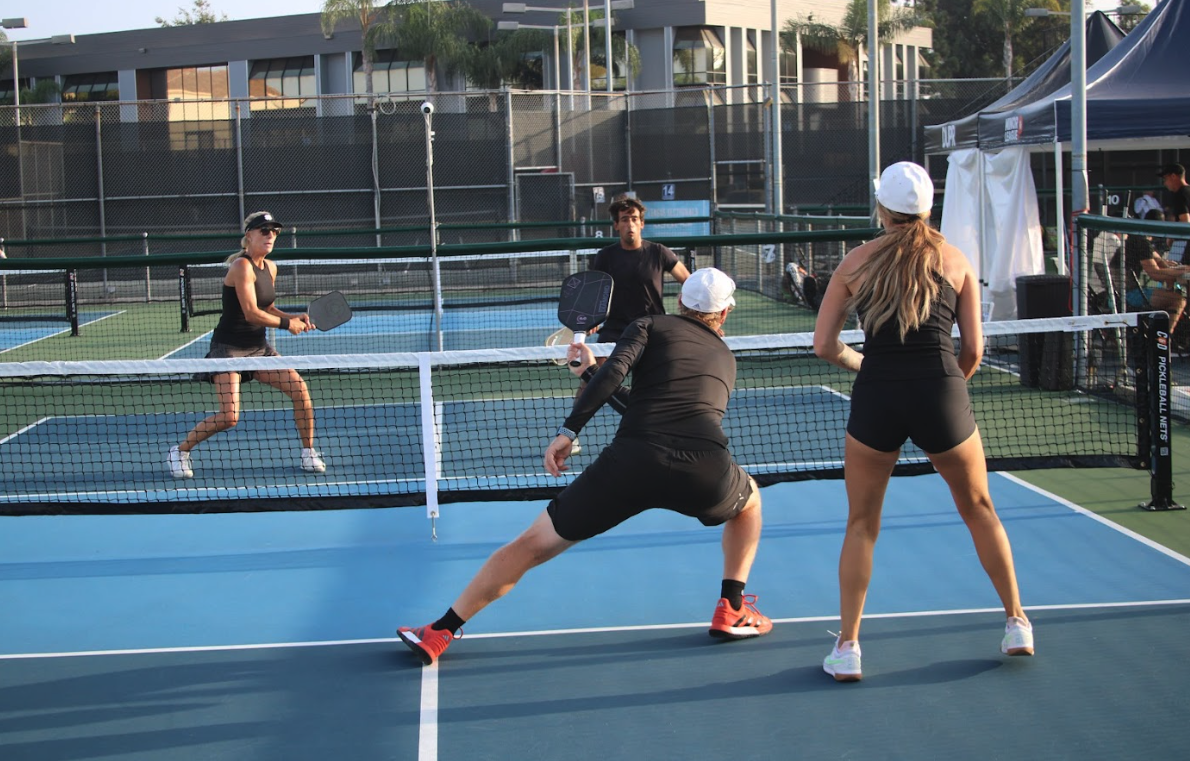
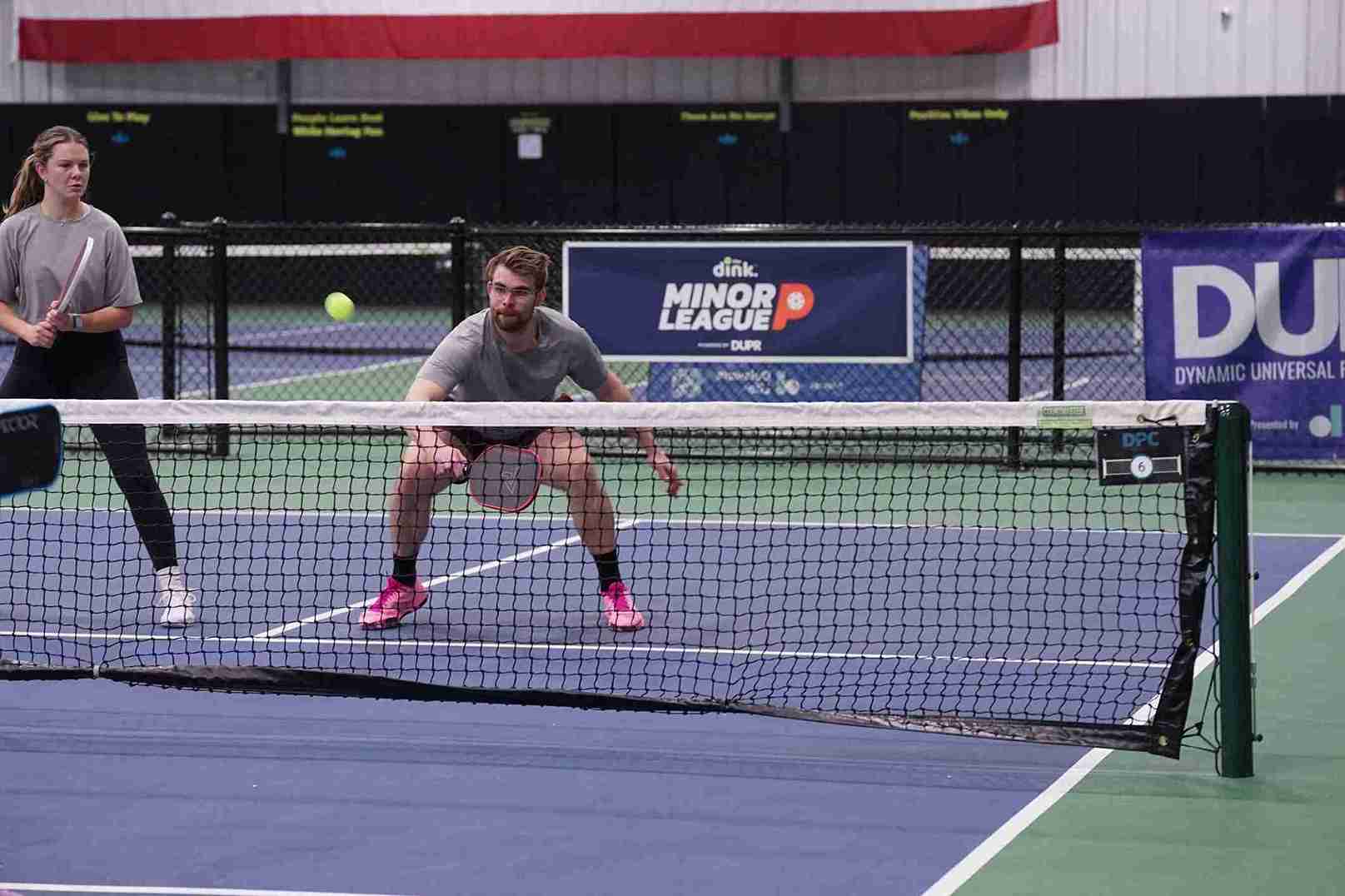
Watch for opponents who are pulled wide, forced back, or caught in transition. These moments present prime opportunities for aggressive shots because recovery becomes extremely difficult.
Additionally, recognizing when opponents favor particular sides or struggle with specific shot types allows smart bangers to exploit these weaknesses systematically rather than hoping for lucky breaks.
Building Points Through Pressure, Not Power
The most sophisticated approach to aggressive play involves building pressure gradually rather than seeking immediate winners. This strategy creates multiple opportunities within single rallies.
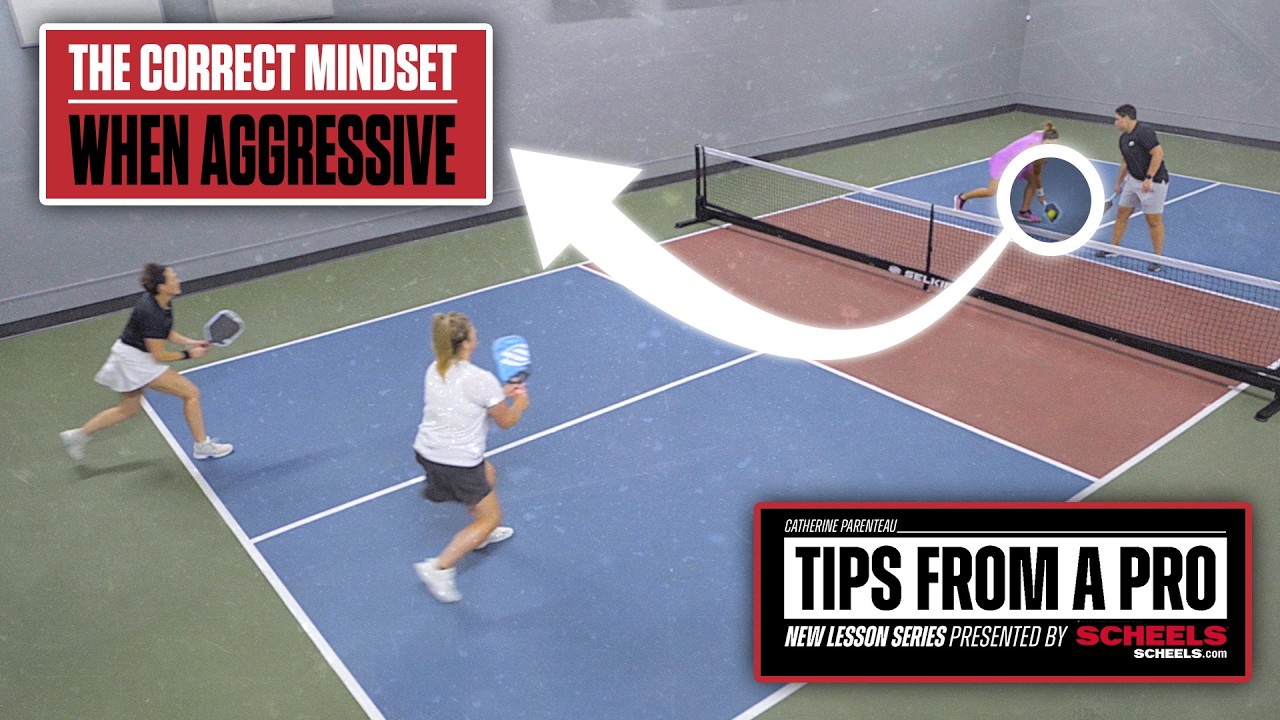
Start points with controlled aggression that moves opponents out of optimal position. Follow up with increasingly aggressive shots as opportunities develop. This progressive approach maintains high percentage play while creating winning chances.
Remember that forced errors count just as much as clean winners in the scoring column. Often, the shot before the winner deserves equal credit for creating the opportunity.
Mental Game for Aggressive Players
Smart bangers maintain emotional control even when power shots don't work immediately. They understand that aggressive play requires patience and persistence rather than escalating force.
When shots start missing, resist the temptation to swing harder. Instead, focus on fundamentals like footwork, contact point, and follow-through. These adjustments typically solve accuracy problems more effectively than power modifications.
Frequently Asked Questions
How do I know when it's the right time to attack in pickleball?
Look for balls that come to you above net height, opponents who are out of position or in transition, and situations where you can move forward in the court. Avoid attacking when you're off-balance or when the ball forces you into defensive positioning.
What's the biggest mistake recreational bangers make?
The most common error is using maximum power on every aggressive shot. Smart bangers vary their power levels and focus more on placement and timing than raw speed. This approach creates more winning opportunities while reducing unforced errors.
Should I aim for winners or force errors when playing aggressively?
Focus primarily on forcing errors through consistent pressure rather than attempting outright winners. Place aggressive shots in areas that create difficulty for opponents, allowing their mistakes to accumulate rather than trying to end points immediately.