The pickleball overhead shot can make or break your game. While it should be an offensive weapon, many players turn it into their biggest weakness. Professional coach Jilly B, who trains elite junior players nationwide, has identified four critical flaws that sabotage most overhead attempts.
The encouraging news? These mistakes follow predictable patterns, making them surprisingly easy to correct with targeted adjustments to your technique and positioning.
The Foundation Problem: Poor Court Positioning
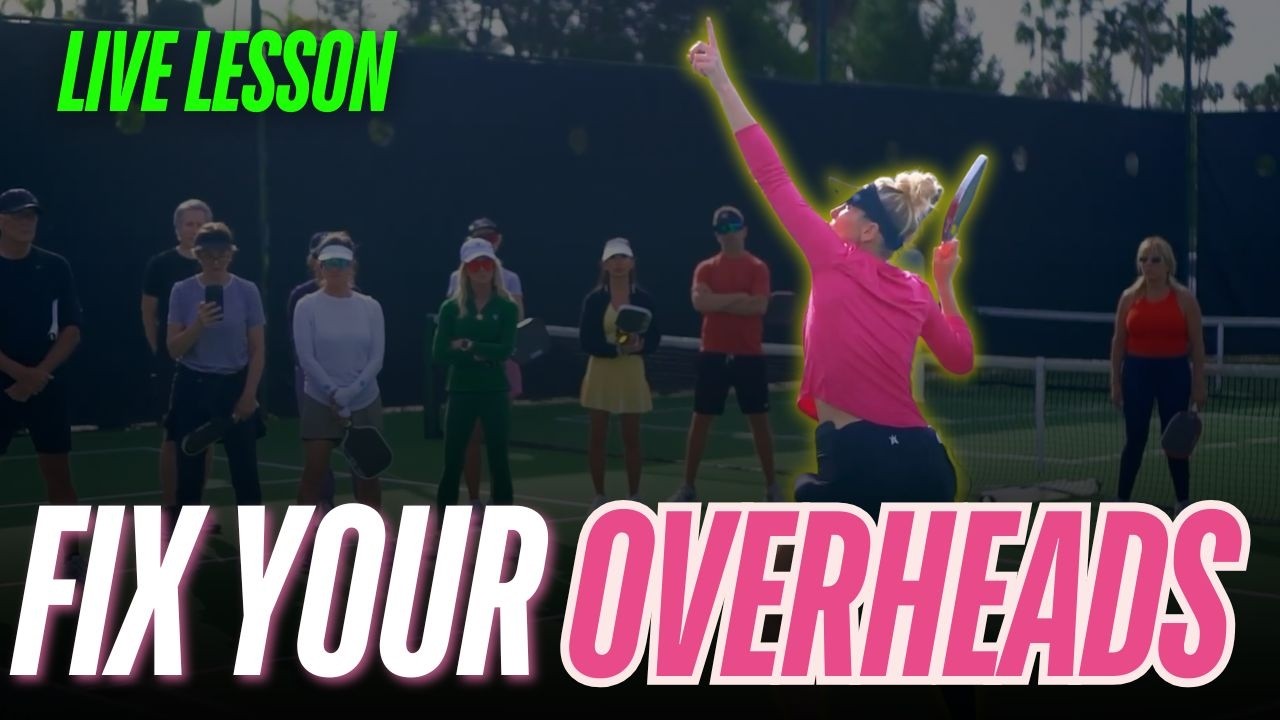
Most overhead failures begin before you even swing. Players frequently position themselves incorrectly when they see a lob coming their way. Instead of moving efficiently to the optimal hitting zone, they either rush forward or back-pedal frantically.
The solution involves reading the ball's trajectory early and using proper footwork to position yourself where you can hit down on the ball with authority. This means getting your feet set and your body balanced before the ball reaches its peak.
Flaw #1: Inconsistent Contact Point
The most common overhead mistake involves hitting the ball at different contact points each time. Some players let the ball drop too low, while others try to rush the contact when the ball is still climbing.
Your ideal contact point should be at full arm extension, slightly in front of your body. This consistent positioning allows for maximum power transfer and better directional control. Practice identifying this "sweet spot" by extending your racquet arm fully and noting where the ball should be when you make contact.
Flaw #2: Faulty Footwork Patterns

Footwork separates good overhead hitters from struggling ones. Many players plant their feet too early or use inefficient movement patterns that leave them off-balance during the swing.
The correct approach involves using a crossover step to move backward while keeping your eyes on the ball. Your final position should have your non-dominant foot slightly forward, creating a stable base for your swing. This athletic stance provides the foundation for consistent, powerful overheads.
Flaw #3: Incorrect Swing Mechanics
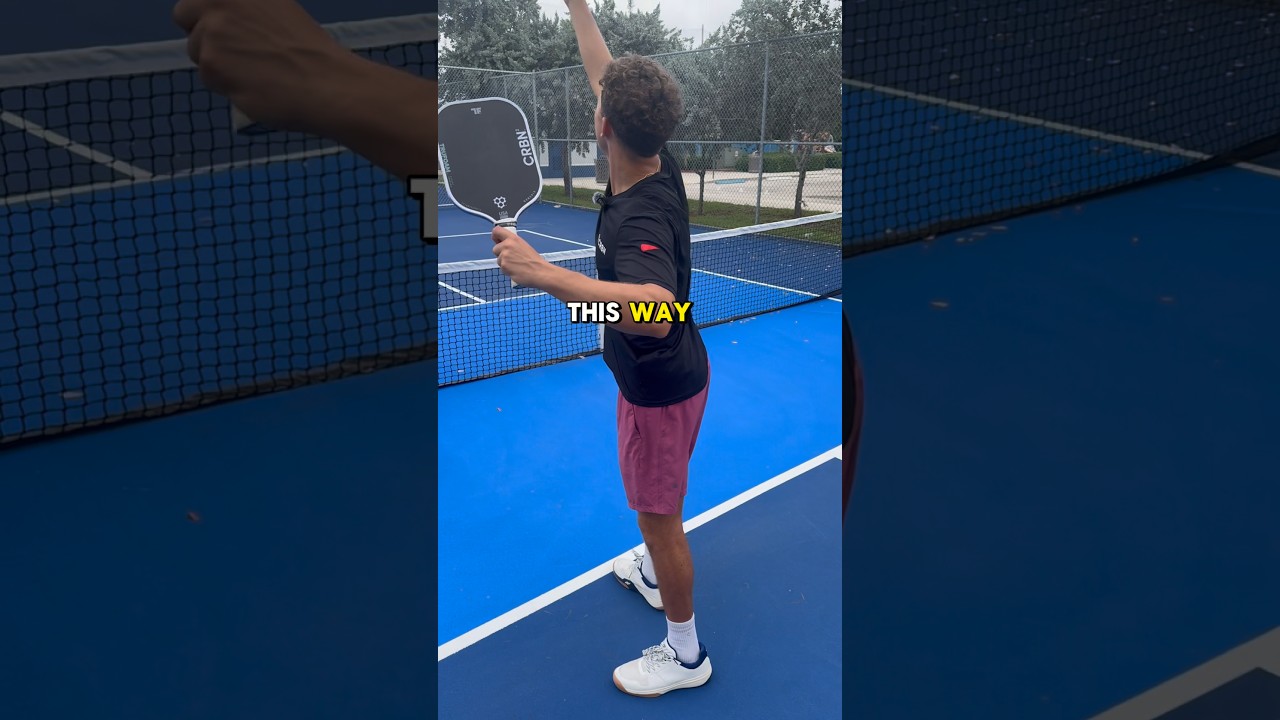
Swing path problems plague many recreational players. Some use a tennis-style overhead motion, while others employ a choppy, abbreviated swing that lacks power and consistency.
The optimal pickleball overhead uses a fluid motion similar to a serve. Start with your racquet high, drop it behind your head in a smooth arc, then accelerate through contact with a slight downward angle. The follow-through should be natural and controlled, not forced or excessive.
Flaw #4: Mental Pressure and Timing Issues
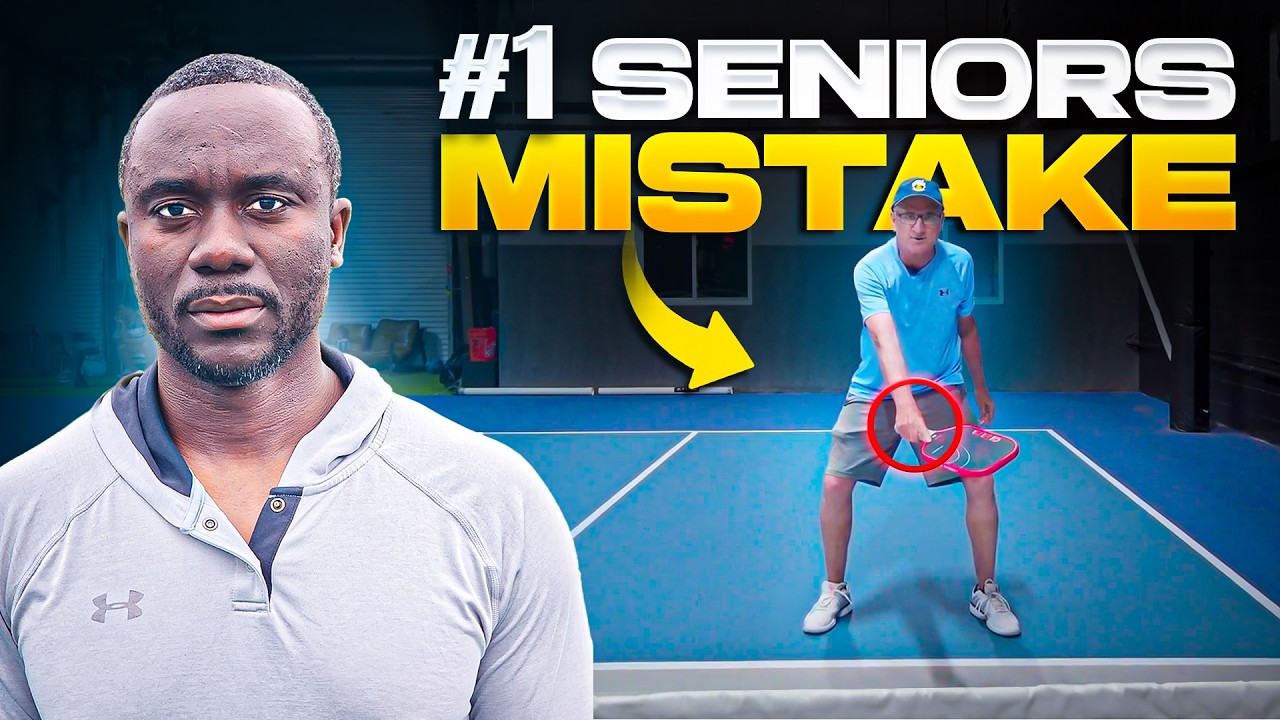
Many players rush their overheads due to mental pressure or fear of missing the shot entirely. This hurried approach leads to poor timing and inconsistent results.
Take your time with overhead setups. The ball travels in a predictable arc, giving you more time than you think. Use this time to position yourself properly, set your feet, and execute a controlled swing. Remember, a well-placed overhead at 70% power often works better than a rushed attempt at maximum force.
Practice Drills for Rapid Improvement
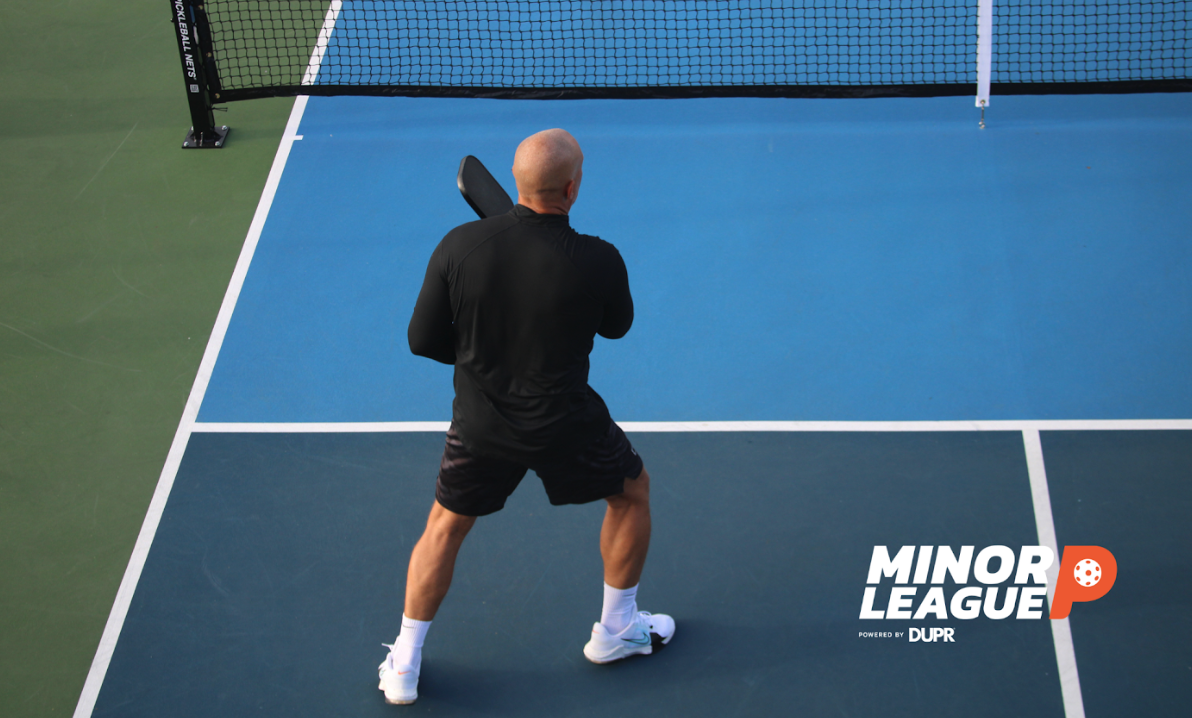
Jilly B recommends specific drills to address each flaw systematically. Start with stationary overhead practice, focusing solely on contact point and swing mechanics. Progress to movement drills where a partner feeds lobs to different areas, forcing you to work on positioning and footwork.
Shadow swings without a ball help ingrain proper mechanics, while wall practice allows you to work on timing and consistency. Dedicate 10-15 minutes of each practice session to overhead work, focusing on quality repetitions rather than quantity.
Integration Into Match Play
Once you've addressed these fundamental flaws, gradually introduce your improved overhead into competitive play. Start conservatively, focusing on placement over power until your confidence builds.
Remember that overheads in pickleball often work best as setup shots rather than outright winners. Use them to push opponents back and create opportunities for your next shot, rather than always going for the immediate kill.
Frequently Asked Questions
How long does it typically take to fix overhead problems?
Most players see noticeable improvement within 2-3 weeks of focused practice, addressing one flaw at a time rather than trying to fix everything simultaneously.
Should I use different overhead techniques for indoor versus outdoor play?
The basic mechanics remain the same, but outdoor conditions may require slight adjustments in timing and power due to wind and sun factors.
What's the biggest mistake recreational players make with overheads?
Rushing the shot due to panic or excitement. Taking time to set up properly almost always produces better results than hurried attempts.