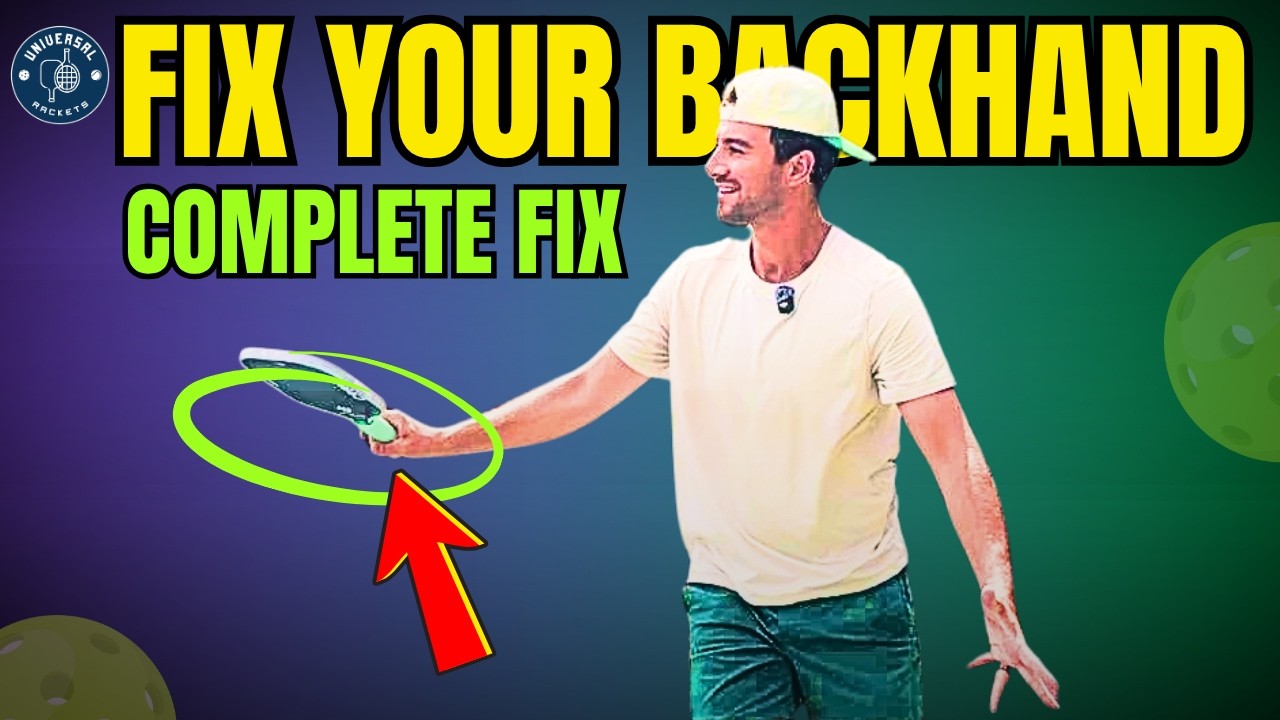
The Bunt Drop: Pickleball's Most Misunderstood Offensive Weapon
The bunt drop shot is arguably one of the most powerful offensive tools in pickleball, yet it's also the most commonly botched technique on courts worldwide. While players believe they're executing this shot correctly, most are unknowingly sabotaging their effectiveness with poor form and excessive movement.
Understanding the true mechanics of a proper bunt drop can transform your net game from defensive scrambling to offensive dominance. The key lies in subtlety, not aggression.
What Makes a True Bunt Drop Shot
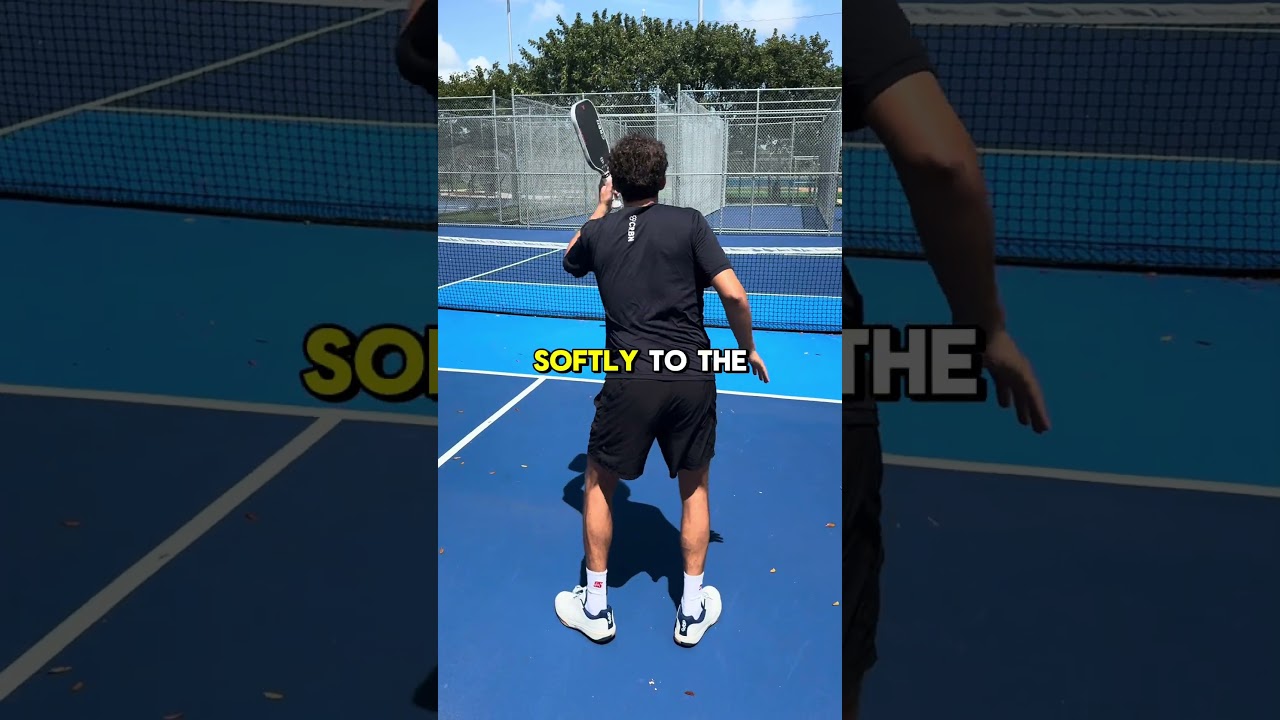
A genuine bunt drop isn't about chopping or slashing at the ball. Instead, it's a controlled, minimal-motion shot that redirects your opponent's pace while maintaining perfect placement. The shot should land softly in the kitchen, forcing your opponent to hit upward and giving you the tactical advantage.
The most critical element is paddle position and timing. Your paddle face should be slightly open, meeting the ball at the peak of its bounce with minimal backswing. Think of it as "catching and redirecting" rather than "hitting and driving."
Common Bunt Drop Mistakes That Kill Your Shot
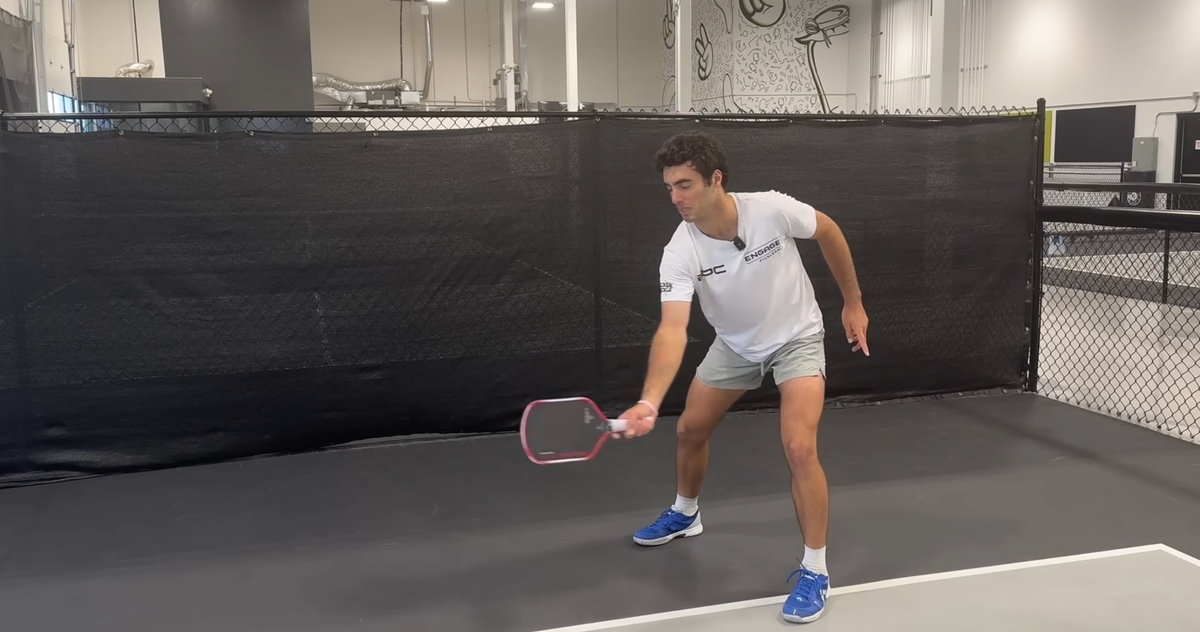
The biggest error players make is treating the bunt drop like a traditional groundstroke. They take excessive backswings, rotate their shoulders dramatically, and follow through with too much force. This approach creates unpredictable ball flight and often results in shots that sail long or net out.
Another frequent mistake is improper body positioning. Players often reach for the ball or hit it while moving backward, which compromises balance and control. The bunt drop requires stable footing and centered positioning to execute effectively.
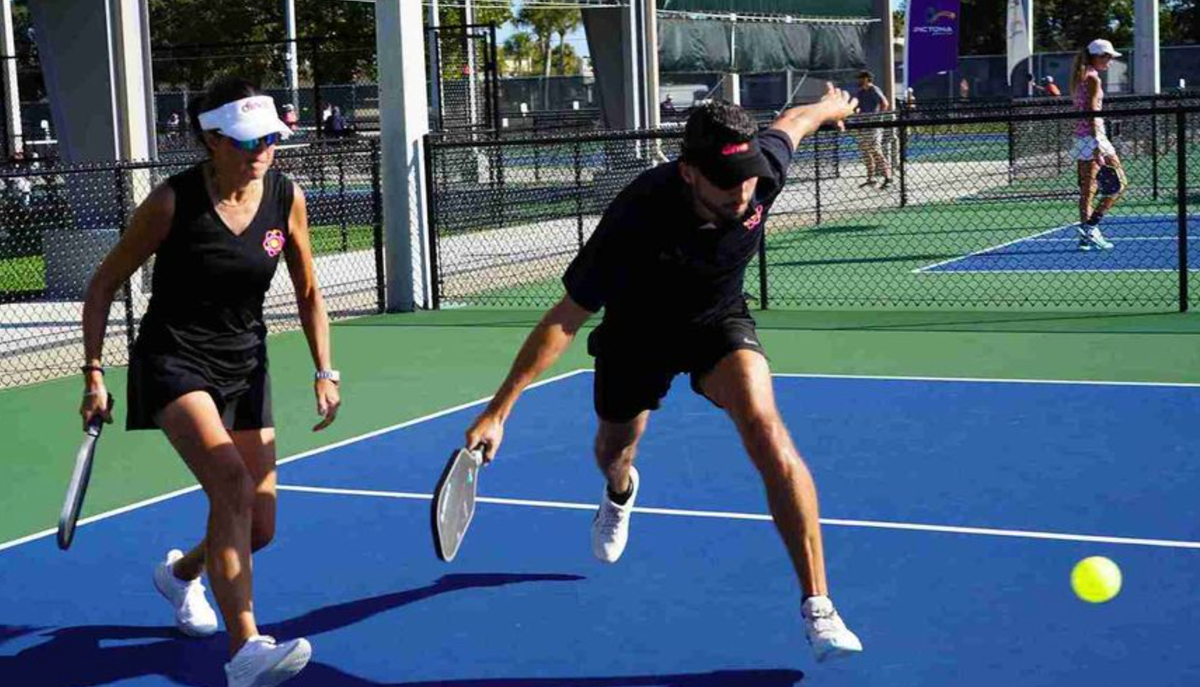
Timing represents the third major error. Many players attempt bunt drops on balls that are still rising or falling rapidly. The optimal contact point is when the ball reaches its apex, allowing for maximum control and placement precision.
Proper Bunt Drop Technique Step-by-Step
Start with your ready position: knees slightly bent, paddle held comfortably in front, and weight evenly distributed. As the ball approaches, position yourself so you can make contact directly in front of your body.
Keep your backswing minimal – no more than a few inches behind your body. Your paddle face should be slightly open, angled to create the desired trajectory into the kitchen.
At contact, focus on "absorbing" the ball's energy rather than adding power. Your wrist should remain firm but not rigid, and your follow-through should be short and controlled, finishing low toward your target area.
Strategic Applications of the Bunt Drop
The bunt drop shines brightest when you're positioned at the net facing an aggressive opponent. Use it to neutralize hard-driven balls, transforming your opponent's power into a liability. The shot works particularly well against players who like to drive balls from the baseline, as it forces them to approach the net and hit upward.
Timing your bunt drops strategically can also set up winning combinations. Follow a successful bunt drop with a volley or overhead smash as your opponent struggles to return the soft shot from a difficult position.
Practice Drills for Bunt Drop Mastery
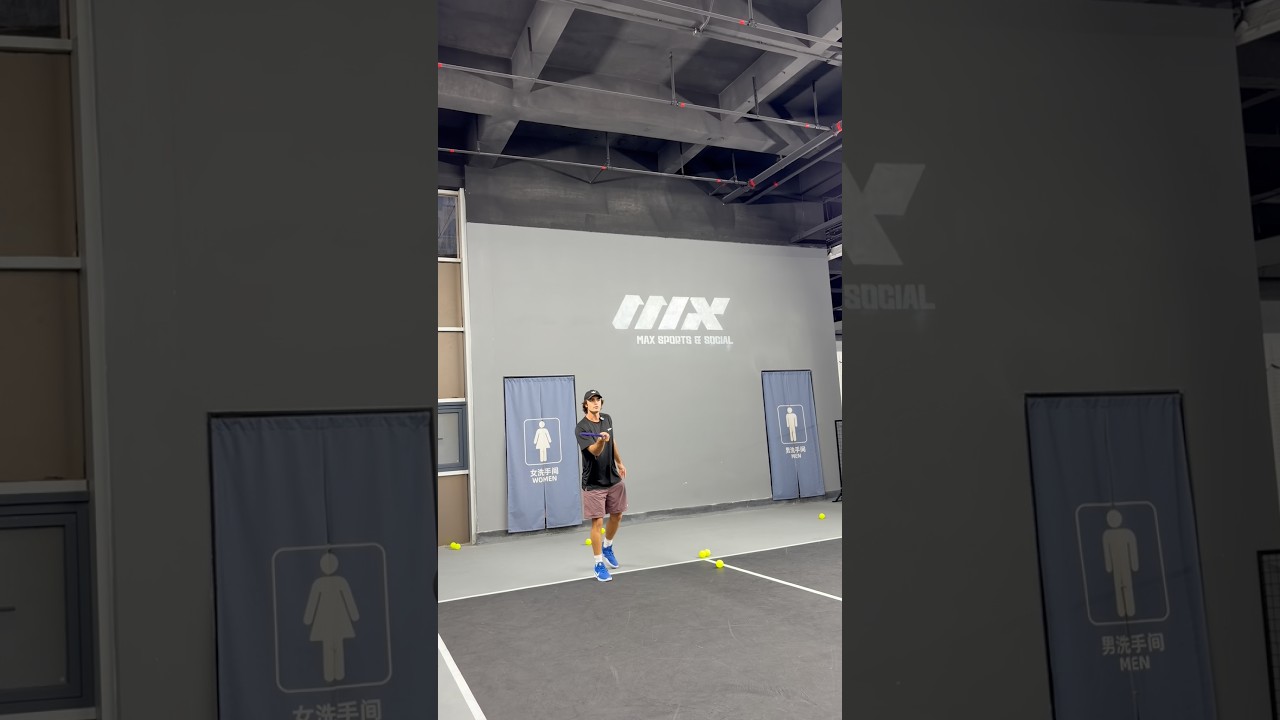
Start with wall practice to develop touch and consistency. Stand about six feet from a wall and practice gentle redirections, focusing on minimal motion and consistent contact point. Gradually increase the pace as your control improves.
Partner drills work excellently for bunt drop development. Have your partner feed balls at moderate pace while you focus on placement and technique. Start with stationary feeds and progress to moving balls as your skills develop.
Frequently Asked Questions
When should I use a bunt drop instead of a regular drop shot?
Use a bunt drop when you're at the net facing a hard-driven ball that you need to neutralize quickly. Regular drop shots work better from deeper court positions or when you have more time to set up. The bunt drop is specifically designed for close-range defensive situations that you want to turn offensive.
Why do my bunt drops keep going into the net?
Net errors usually result from a closed paddle face or contacting the ball too late in its trajectory. Ensure your paddle face is slightly open at contact and meet the ball at its peak height. Also check that you're not chopping downward – the motion should be forward and slightly upward.
How can I add more consistency to my bunt drop shots?
Consistency comes from repetition and proper fundamentals. Focus on maintaining the same minimal backswing and contact point for every shot. Practice your footwork to ensure you're always in proper position, and resist the urge to overhit when under pressure. Start slowly and gradually build up to game speed.