The center line in pickleball isn't your enemy—but most intermediate players treat it like an electric fence they can't touch. This rigid thinking is quietly destroying doubles strategies across courts everywhere.
If you're a 3.5 to 4.0 player stuck in the mindset that each partner owns exactly half the court, it's time for a reality check. Elite doubles teams know something you don't: the center line is meant to be crossed strategically.
Why Most Players Get Center Line Positioning Wrong
The root of this problem lies in oversimplified coaching. Beginning players learn that each partner covers their side, creating a mental barrier that's hard to break. But pickleball positioning is dynamic, not static.
Advanced players understand that court coverage is about responsibility zones, not rigid boundaries. Your positioning should adapt based on ball placement, your partner's location, and the opponents' likely returns.
This flexibility separates good teams from great ones. While you're worried about staying in your lane, better players are moving fluidly to create defensive advantages.
Two Critical Scenarios for Crossing the Center Line
Scenario 1: Your Partner is Pulled Wide
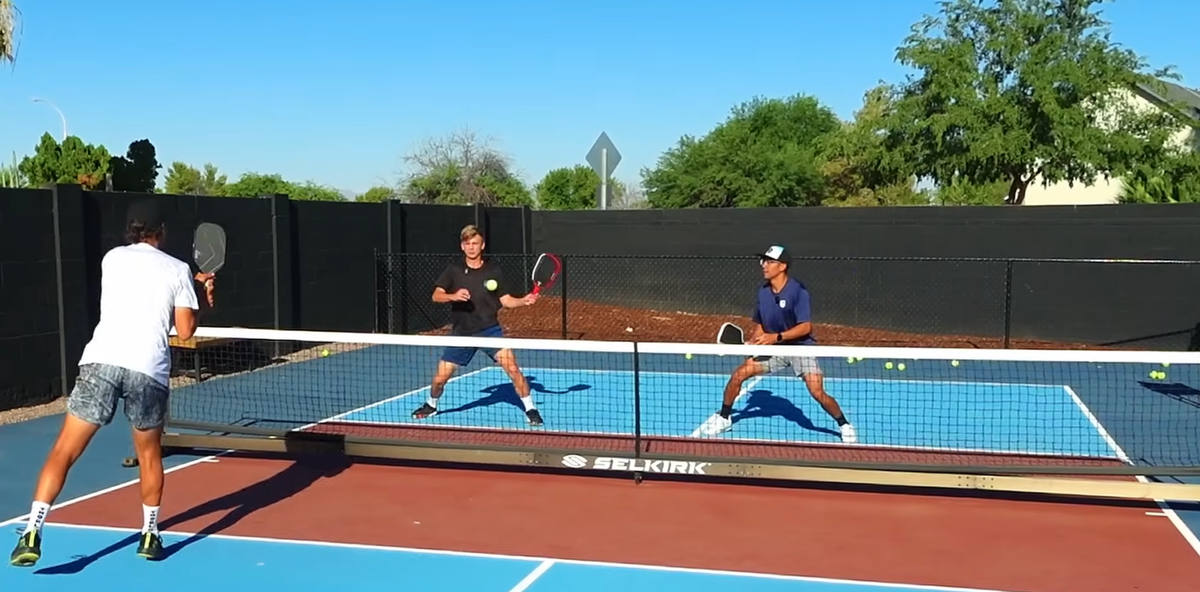
When your partner gets dragged to the sideline by a sharp angle shot, they've created a massive gap in court coverage. This is your cue to shift toward the center, sometimes crossing well into their normal territory.
The key indicators:
- Your partner is forced outside the doubles sideline
- They're stretched and unlikely to recover quickly
- The opponents have an obvious down-the-line opportunity
By sliding over, you're not abandoning your side—you're covering the highest probability return while your partner recovers.
Scenario 2: Protecting Against the Counter-Attack
The second situation occurs when your partner attempts an aggressive shot that leaves them vulnerable. If they're attacking from an awkward position, smart opponents will target the gap they've created.
Watch for these warning signs:
- Your partner is off-balance after a power shot
- They've committed to a forward movement
- The opponents are in position for a quick counter
Your job is to anticipate the counter-attack and position yourself to handle it, even if that means crossing into their court space.
How to Execute Center Line Crossovers Effectively
Crossing the center line isn't about abandoning your responsibilities—it's about smart court management. Here's how to do it right:
Communication is crucial. Quick verbal cues like "I got middle" or "switching" help your partner understand the coverage change. Silent adjustments lead to confusion and double-coverage mistakes.
Move with purpose, not panic. Your crossover should be a controlled slide, not a desperate lunge. Maintain your ready position and keep your paddle up.
Return to base quickly. Once the immediate threat is handled, slide back toward your normal position. Don't camp out in your partner's territory.
Reading Your Partner's Body Language
The best doubles players develop an almost telepathic understanding of when their partner needs help. This comes from watching their positioning, balance, and recovery speed.
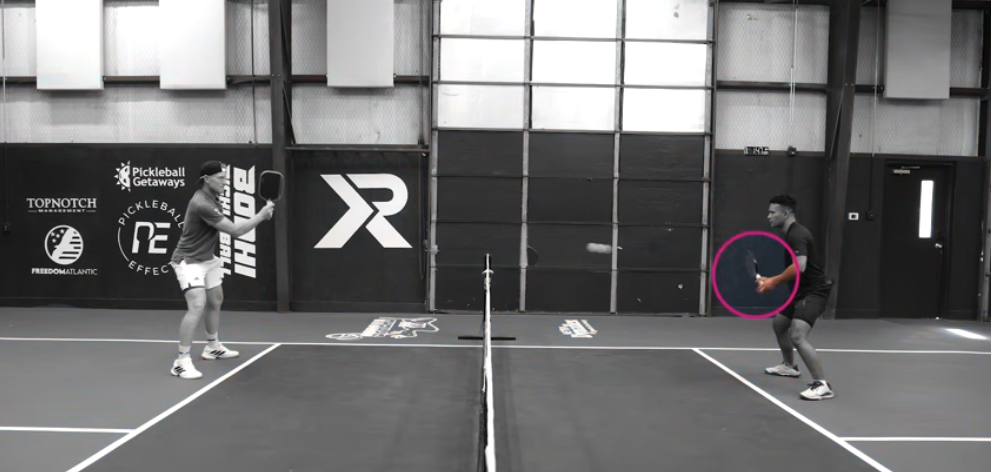
Look for subtle cues: a stumble after a shot, extended reach that leaves them off-balance, or hesitation that suggests they're out of position. These moments are your opportunities to provide backup coverage.
Remember, your opponents are looking for the same weaknesses. By covering for your partner proactively, you eliminate easy targets and force more difficult shots.
Practice Drills for Better Court Coverage
Start with simple movement patterns during warm-up. Have your partner hit wide shots while you practice sliding over to cover the gap. Focus on smooth transitions and quick recovery.
Progress to live ball drills where one player intentionally gets pulled out of position. The covering player practices reading the situation and adjusting accordingly.
The goal isn't to cross the center line constantly—it's to recognize when strategic positioning trumps rigid boundaries.
Frequently Asked Questions
How do I know when my partner wants me to cross over and help?
Watch their body position and recovery speed. If they're stretched wide or off-balance with opponents ready to attack the gap, that's your cue. Develop verbal signals during practice to improve coordination.
What if both players cross over at the same time?
This creates dangerous double-coverage that leaves court areas exposed. The general rule: whoever is closer to the ball maintains primary responsibility. The other player provides backup support but doesn't abandon their zone completely.
Should beginners worry about crossing the center line?
New players should first master basic positioning before attempting advanced coverage. Focus on consistent court positioning and communication. Add crossover strategies once you're comfortable with fundamental doubles movement.