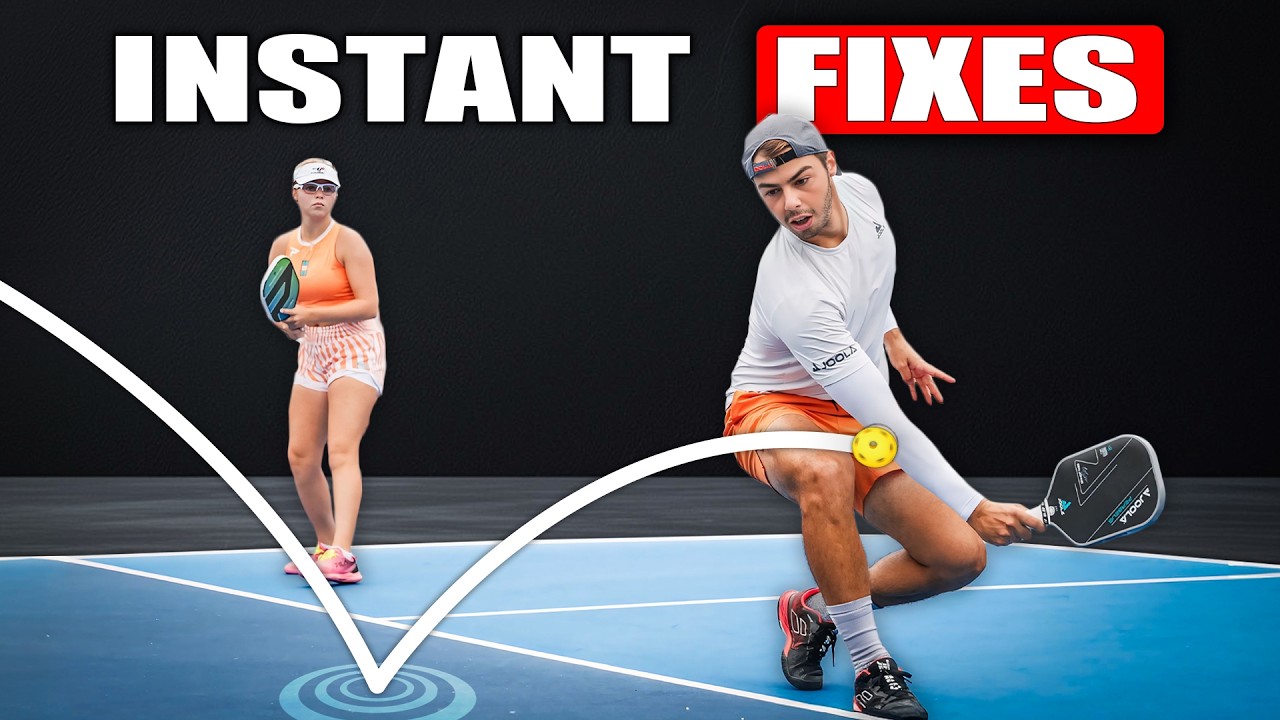
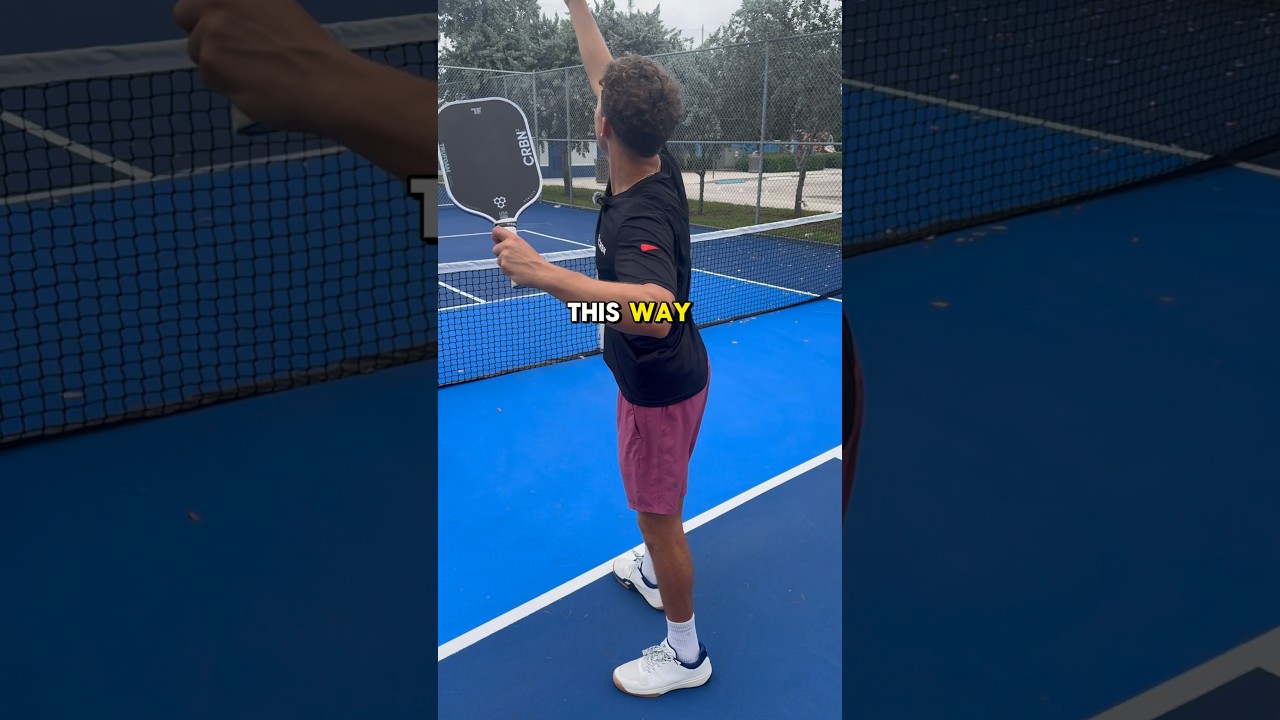
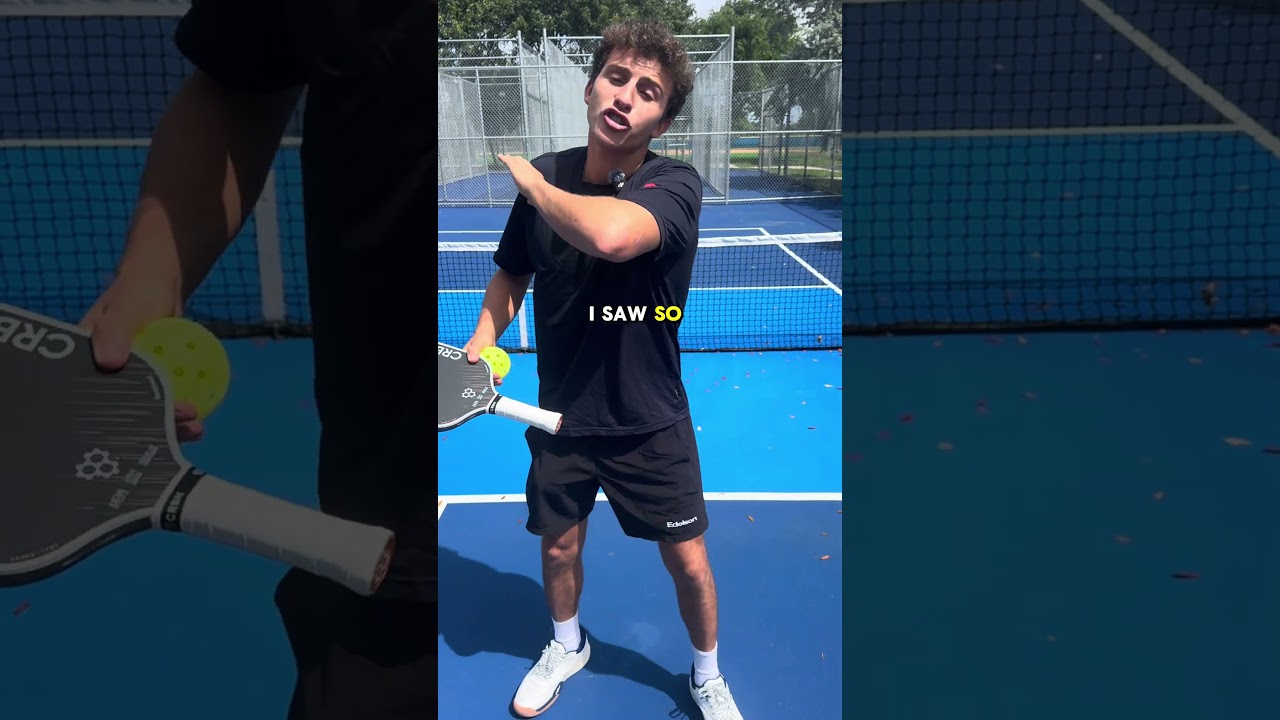
Every pickleball player dreams of playing like the pros, but there's one fundamental technique that most recreational players completely overlook. It's not a powerful serve or a perfect dink—it's something far more basic yet incredibly effective: paddle tracking.
This seemingly simple concept is the difference between scrambling to react to shots and confidently controlling the pace of play. While amateur players often let their paddles drift or point in random directions, professionals maintain laser focus on one crucial element throughout every rally.
What Exactly Is Paddle Tracking?
Paddle tracking means consistently keeping your paddle tip pointed directly at the ball throughout the entire rally. Whether the ball is on your side of the net, sailing through the air, or being struck by your opponent, your paddle should always be oriented toward its location.
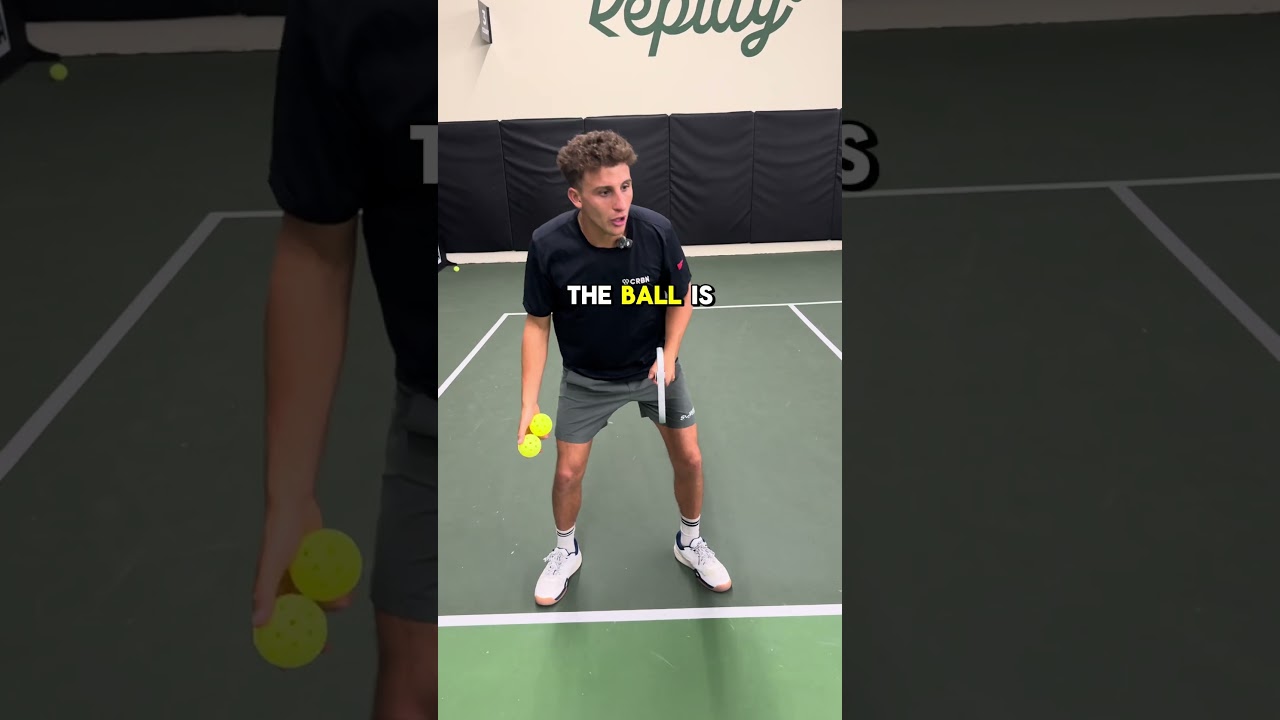
This technique might sound elementary, but it creates a foundation for everything else in your game. When your paddle naturally follows the ball's movement, your body positioning, timing, and shot preparation all improve simultaneously.
The Science Behind Superior Court Positioning
Professional players understand that pickleball is a game of milliseconds and inches. By maintaining proper paddle tracking, they gain crucial advantages that recreational players miss:
Enhanced Reaction Time
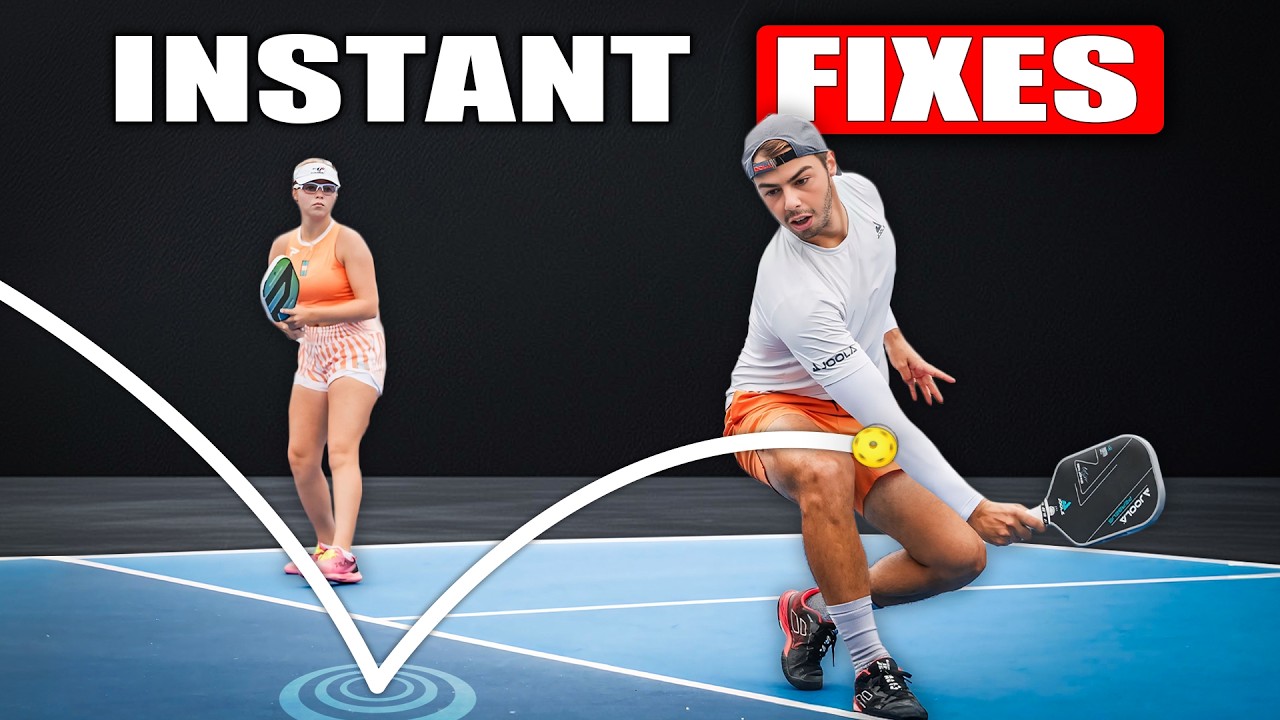
When your paddle is already oriented toward the ball, you eliminate the extra time needed to locate and align with incoming shots. This precious fraction of a second often determines whether you make a clean return or find yourself off-balance and scrambling.
Improved Shot Preparation
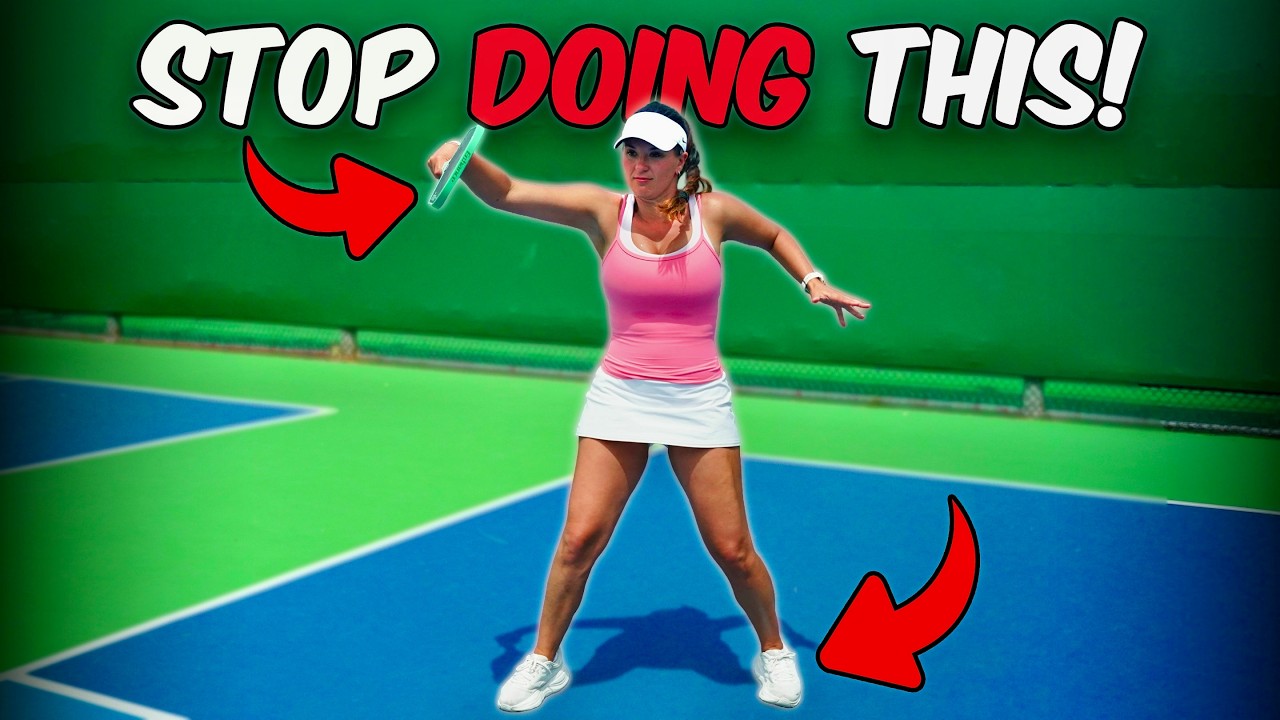
Paddle tracking naturally positions your body and racquet for optimal shot execution. Instead of making last-second adjustments, you're continuously preparing for the next shot, leading to more consistent and powerful returns.
Better Court Awareness
Following the ball with your paddle keeps your focus sharp and maintains awareness of the game's rhythm. You'll anticipate your opponent's shots more effectively and position yourself strategically rather than reactively.
Common Mistakes That Kill Your Tracking
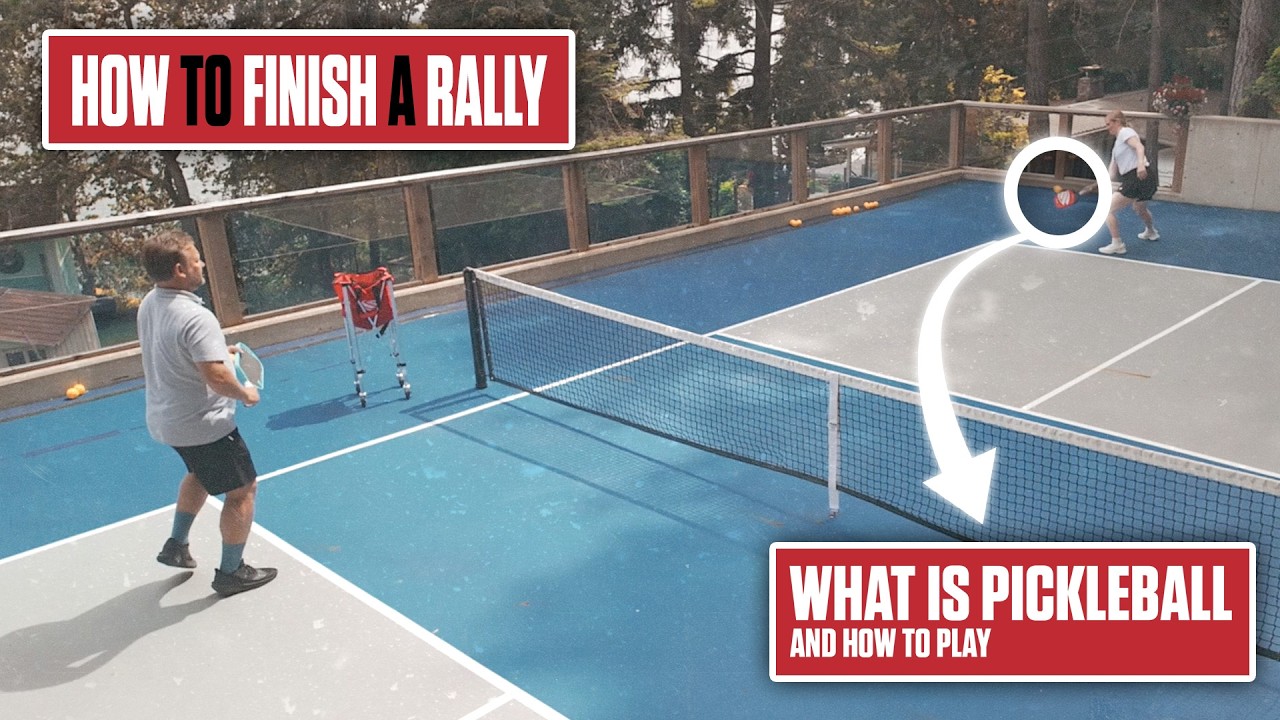
Most recreational players unknowingly sabotage their paddle tracking in several ways:
The Wandering Paddle: Letting your paddle drift toward where you think the ball might go instead of where it actually is right now.
The Premature Setup: Moving into position for your next shot before the current rally point is resolved, breaking your connection with the ball's current location.
The Distraction Drop: Allowing your attention to shift to court positioning, opponents' movements, or other factors while losing track of the ball itself.
Implementing Paddle Tracking in Your Game
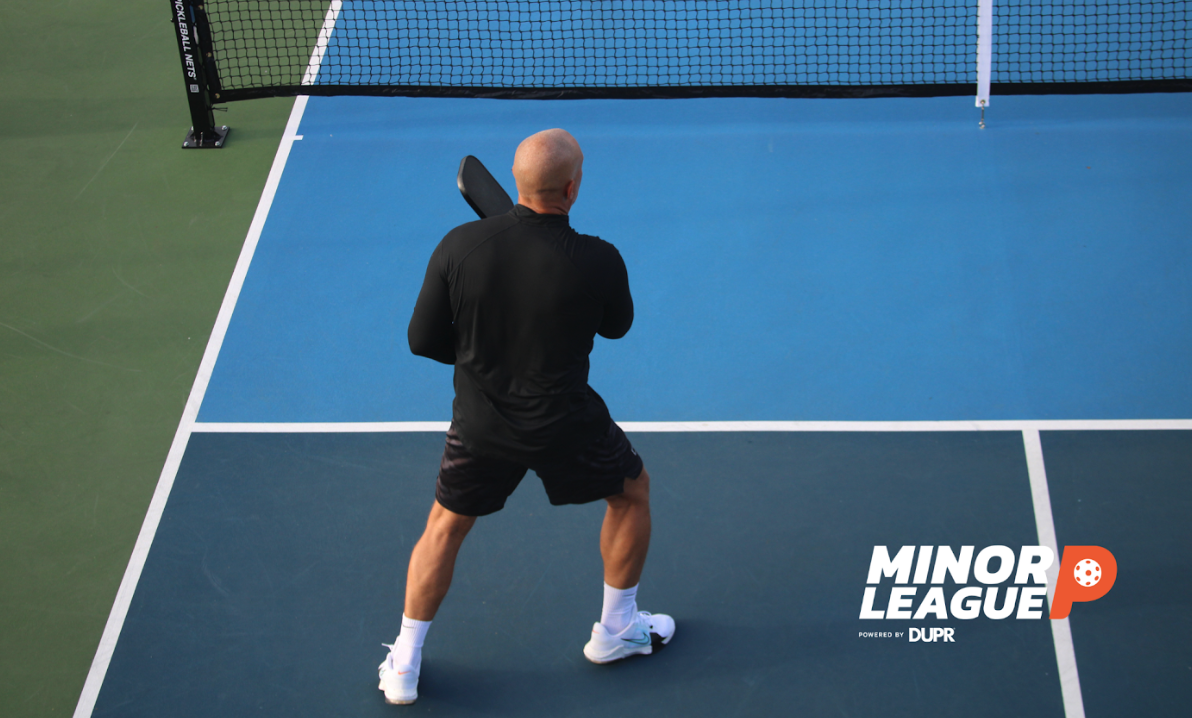
Developing consistent paddle tracking requires deliberate practice and conscious attention. Start by focusing solely on this technique during warm-up drills and practice sessions.
Begin with stationary ball tracking—simply point your paddle at a ball sitting still, then have a partner move it slowly while you maintain orientation. Graduate to tracking balls during gentle rallies, emphasizing tracking over shot power or placement.
Advanced Tracking Techniques
Once basic tracking becomes natural, professional players incorporate subtle variations. They use peripheral vision to maintain ball awareness while briefly scanning court positioning, then immediately return full focus to the ball.
Elite players also develop the ability to predict ball trajectory based on their opponent's paddle position and swing mechanics, allowing them to maintain tracking even during rapid exchanges.
The Mental Game of Ball Tracking
Paddle tracking isn't just a physical technique—it's a mental discipline that keeps players locked into the present moment. When you're truly focused on following the ball, there's no mental space for anxiety, frustration, or overthinking strategy.
This focused attention creates what sports psychologists call "flow state," where players perform at their highest level with minimal conscious effort. The simple act of tracking the ball with your paddle becomes a form of moving meditation that enhances overall performance.
Measuring Your Progress
Track your improvement by recording practice sessions and counting how often your paddle points away from the ball. Set goals for maintaining tracking throughout entire points, then entire games.
You'll know the technique is working when your shots feel more effortless, your court positioning improves naturally, and opponents comment on your improved consistency and reaction time.
Frequently Asked Questions
How long does it take to develop consistent paddle tracking?
Most players notice improvement within 2-3 weeks of focused practice, but developing automatic tracking typically requires 1-2 months of consistent attention during play.
Should I track the ball even when my partner is playing a shot?
Absolutely. Maintaining tracking during your partner's shots keeps you ready for quick exchanges and helps you support their play more effectively.
Does paddle tracking work for all shot types?
Yes, tracking applies to every situation—serves, returns, dinks, drives, and defensive shots all benefit from consistent paddle-to-ball orientation.