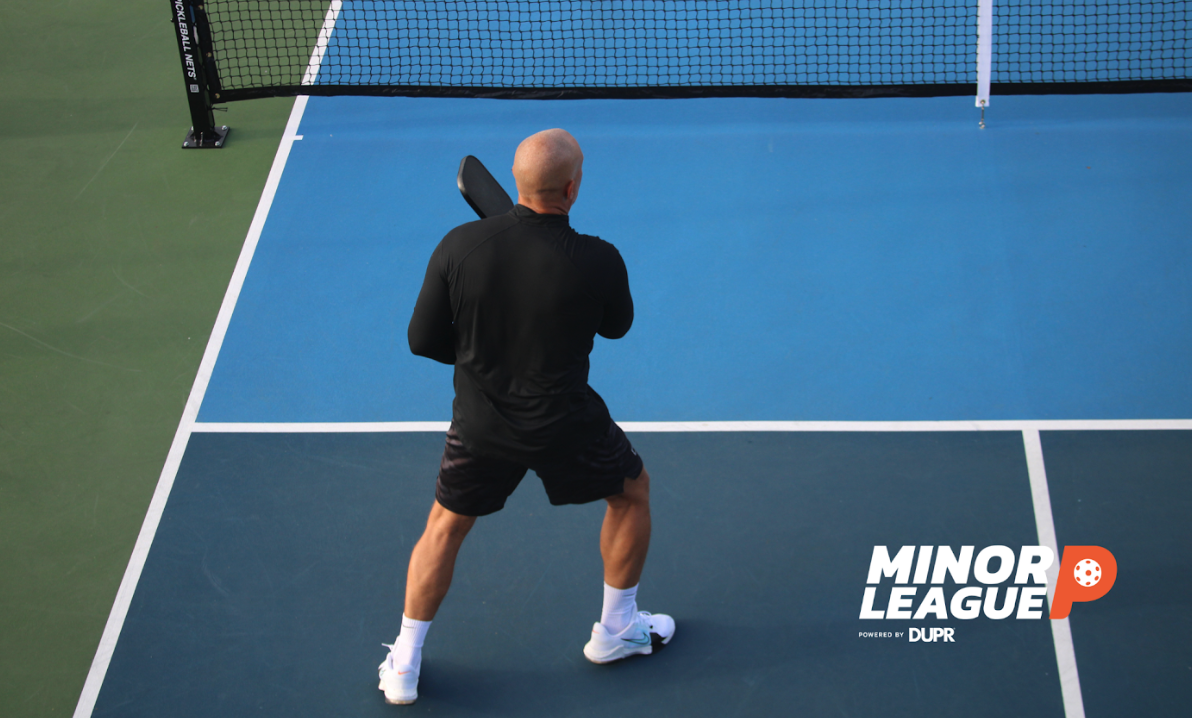
Want to improve every shot in your pickleball arsenal with one simple adjustment? The answer lies in something most players completely overlook: your paddle tip position.

This isn't another complicated technique that requires weeks of practice. It's a fundamental adjustment that can transform your game immediately, and it starts with learning to relax.
The Game-Changing Paddle Tip Technique
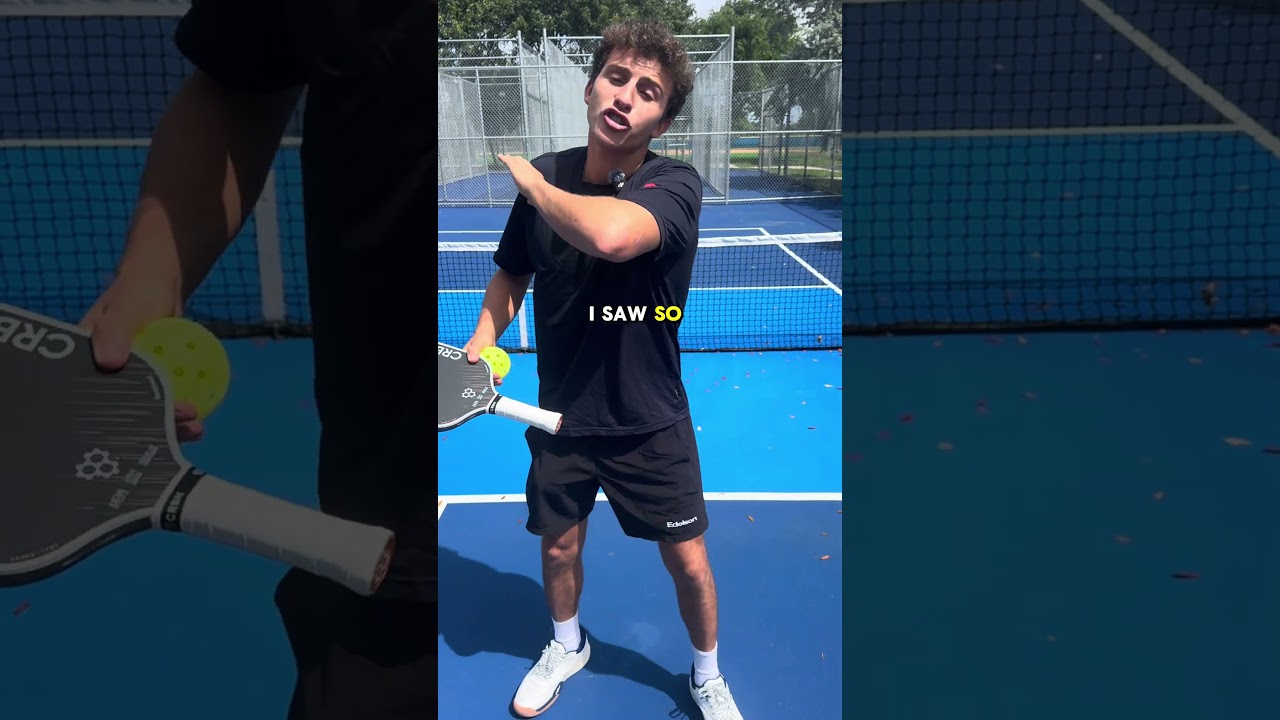
The concept is elegantly simple: lower your paddle tip by relaxing your grip and forearm muscles. This single adjustment affects your swing mechanics, ball contact, and shot consistency in ways that will surprise you.
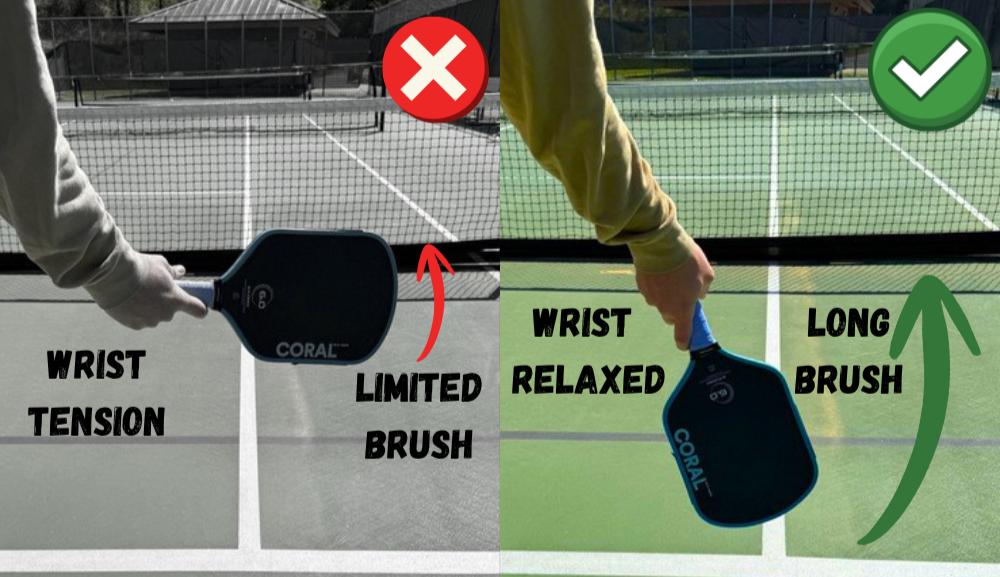
Most recreational players unconsciously hold their paddle with a tense grip, causing the tip to point upward or remain level. This creates a cascade of problems that limit shot potential and increase errors.
Why Paddle Tip Position Matters More Than You Think
When players hit balls into the net, the common response is swinging harder or aiming higher. However, the real culprit is often swing path geometry, which directly correlates to paddle tip positioning.
A raised or level paddle tip restricts your ability to create upward brush through the ball. This limitation forces you into a flatter swing plane, reducing topspin generation and making it harder to clear the net consistently.
The Physics Behind Better Ball Contact
Dropping your paddle tip creates several mechanical advantages:
- Enhanced swing path: A lower tip naturally promotes an upward swing trajectory
- Improved topspin: The angle allows for better ball brushing action
- Greater margin for error: Upward swing paths provide more net clearance
- Better ball control: Relaxed muscles respond more quickly to ball variations
Applying the Drop Tip to Every Shot
Groundstrokes and Returns
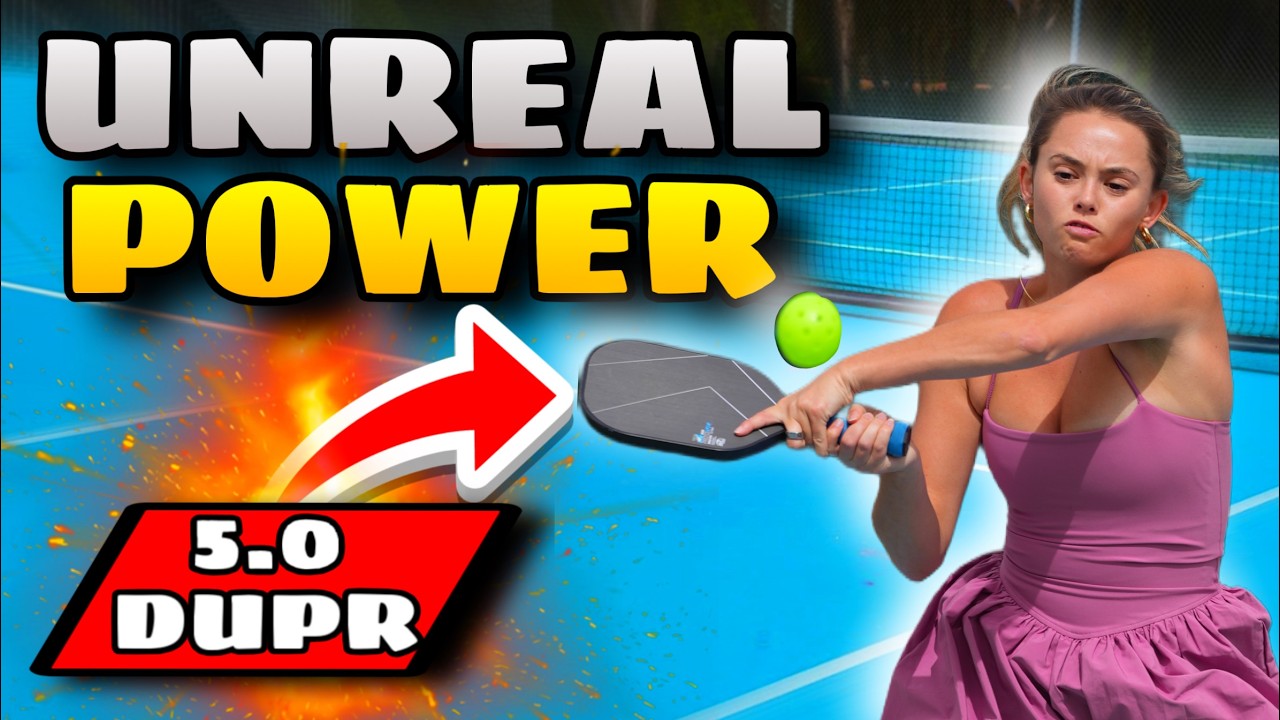
On groundstrokes, a dropped paddle tip allows you to swing low-to-high naturally. This creates the topspin needed to bring balls down after clearing the net, giving you a larger target area and more aggressive shot options.
Third Shot Drops
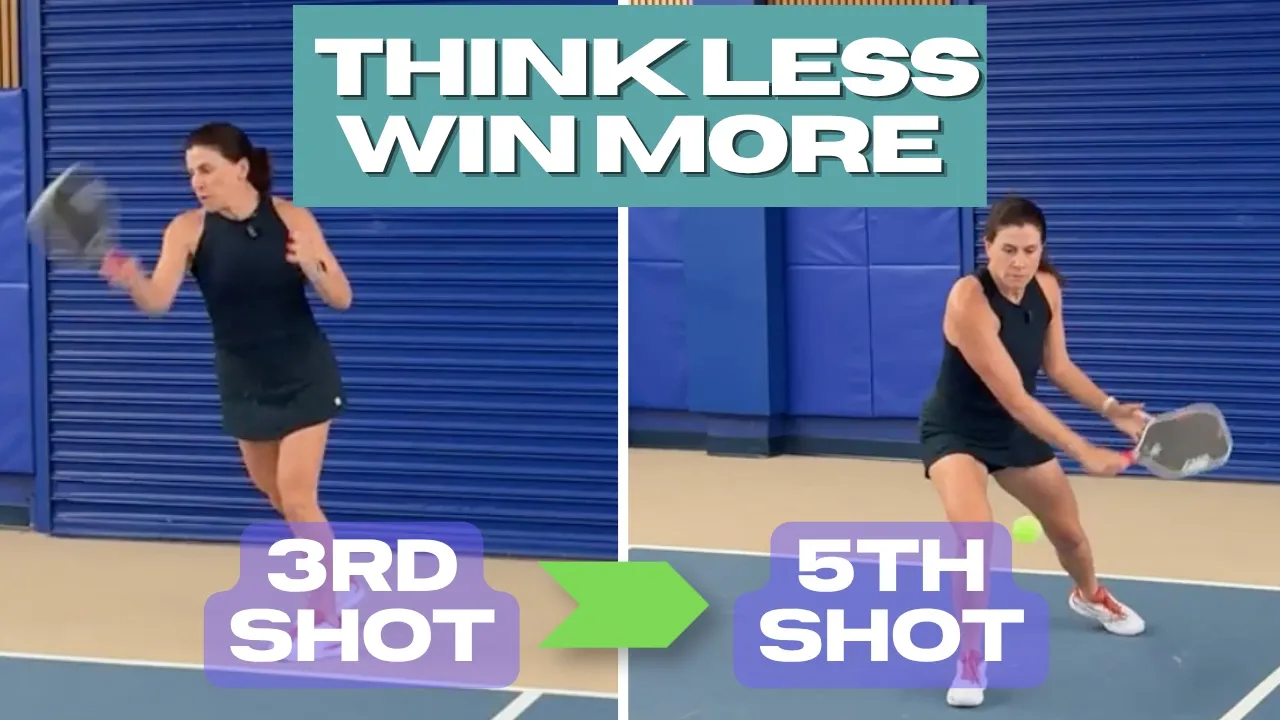
The drop shot becomes significantly more reliable when your paddle tip starts low. The upward swing path mirrors the ball's intended trajectory, making it easier to execute consistent drops that land softly in the non-volley zone.
Dinking and Soft Game
In close-range exchanges, a relaxed grip with lowered paddle tip provides better touch and feel. The softer muscle tension allows for more precise ball placement and reduces the likelihood of popping balls up for opponents.
Defensive Shots
When scrambling or hitting difficult balls, a dropped paddle tip gives you the best chance of lifting shots over the net. The natural upward swing path works with you instead of against you during pressure situations.
How to Implement the Drop Tip Technique
Start by examining your current grip tension. Most players grip their paddle like they're trying to prevent someone from taking it away. Instead, hold it firmly enough for control but loose enough that your wrist can move freely.
Next, consciously lower your paddle tip before each shot. This might feel awkward initially, especially if you've developed habits of holding the paddle level or tip-up.
Practice shadow swings focusing solely on paddle tip position. The muscle memory will develop quickly, and you'll soon find yourself naturally dropping the tip without conscious thought.
Common Mistakes to Avoid
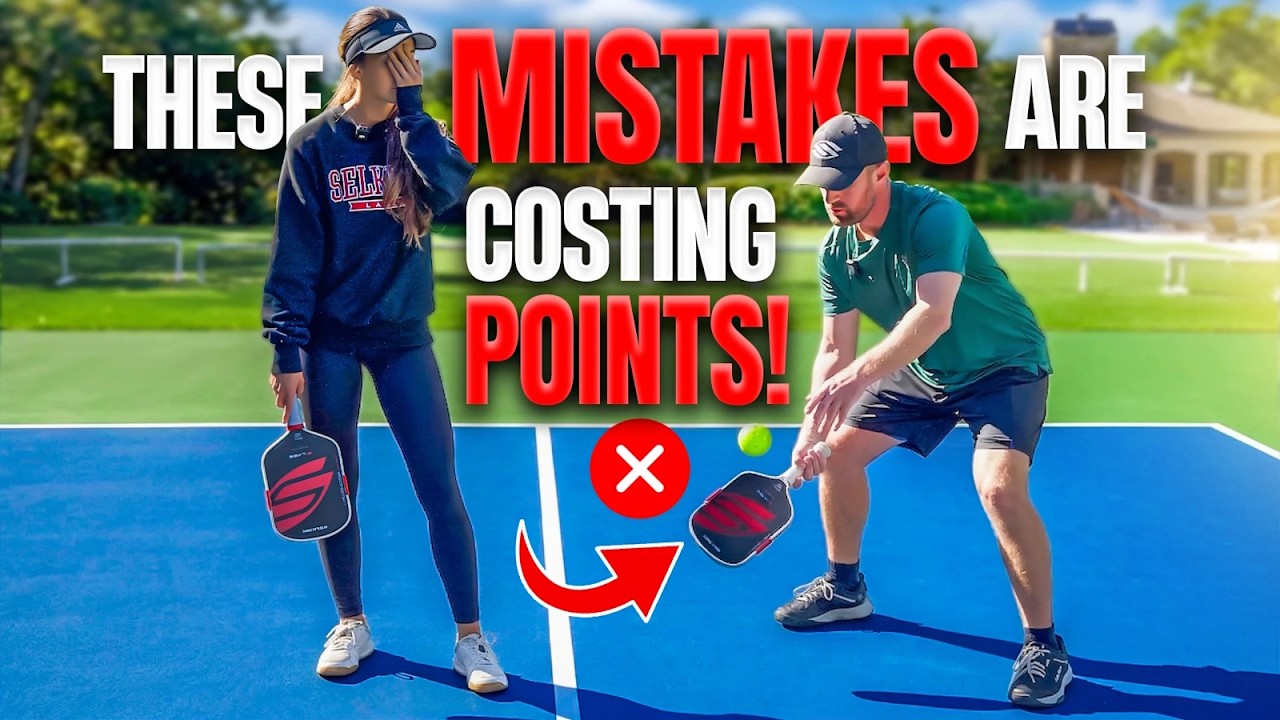
Don't confuse a dropped paddle tip with a weak or sloppy grip. You still need control and stability through contact. The key is selective relaxation – firm enough for control, relaxed enough for fluidity.
Avoid overdoing the tip drop. An extremely low paddle tip can create other problems, particularly on higher balls. Find the middle ground that allows upward swing path without compromising your ready position.
Frequently Asked Questions
How much should I drop my paddle tip?
Aim for a 15-30 degree downward angle from parallel. The exact amount depends on the shot and ball height, but any drop from a level position will help create better swing mechanics.
Will dropping my paddle tip slow down my reaction time?
Actually, the opposite is true. Relaxed muscles respond faster than tense ones. A relaxed grip and dropped paddle tip position typically improves reaction time and shot flexibility.
Does this technique work for both forehand and backhand shots?
Yes, the dropped paddle tip principle applies to both sides. The mechanical advantages of upward swing path and improved ball contact benefit all shots regardless of which side you're hitting from.