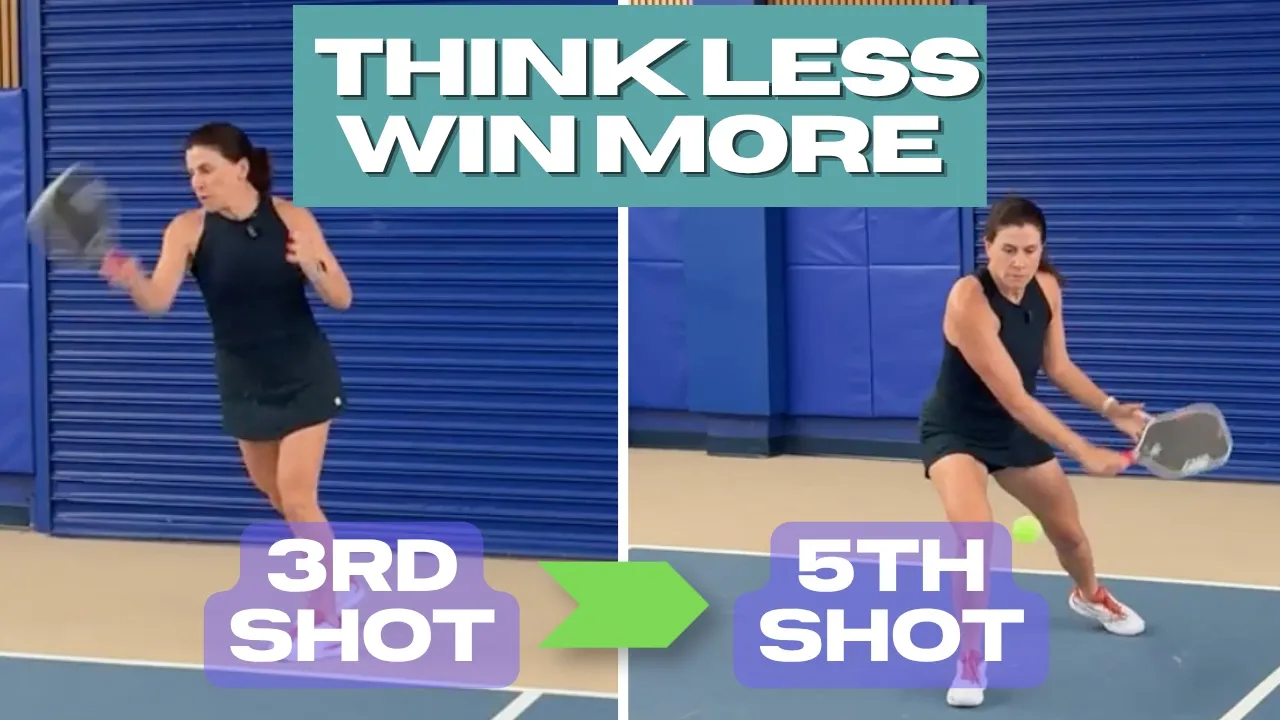
Your forehand speedup isn't working, and it's probably not for the reason you think. While most players obsess over footwork and paddle angle, the real culprit is hiding in plain sight: your wrist technique.
The Hidden Problem with Amateur Speedups
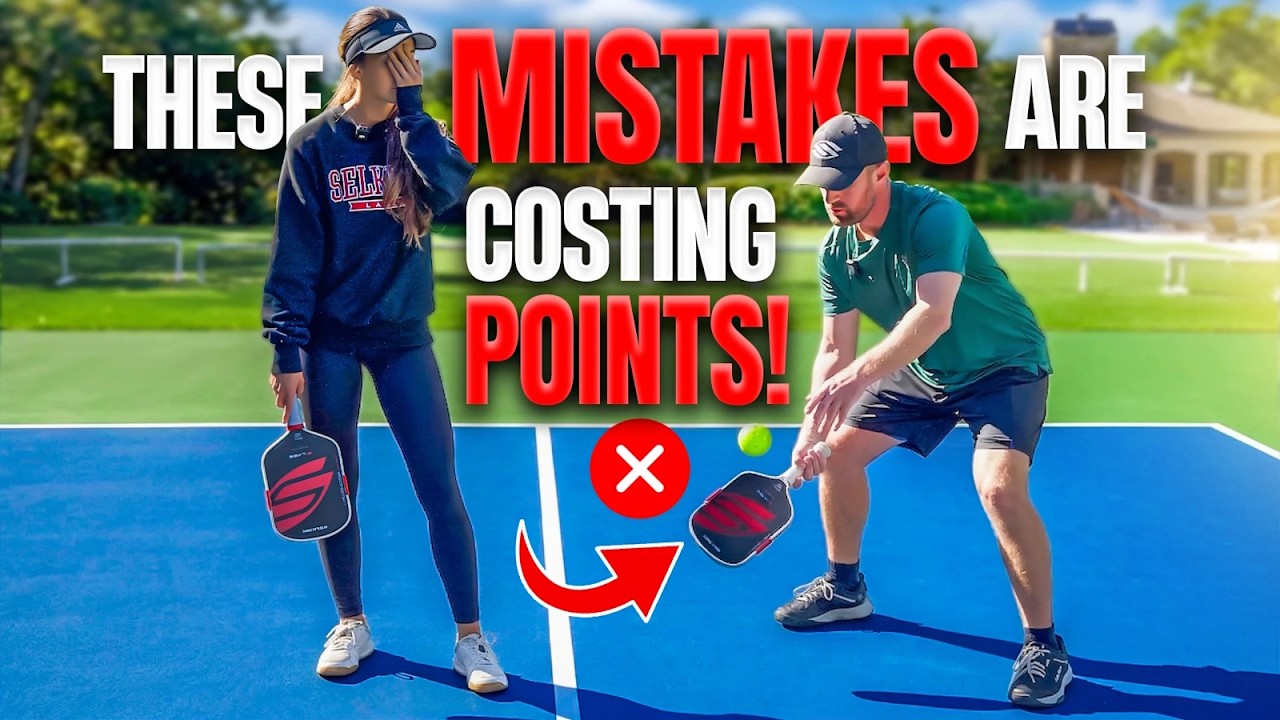
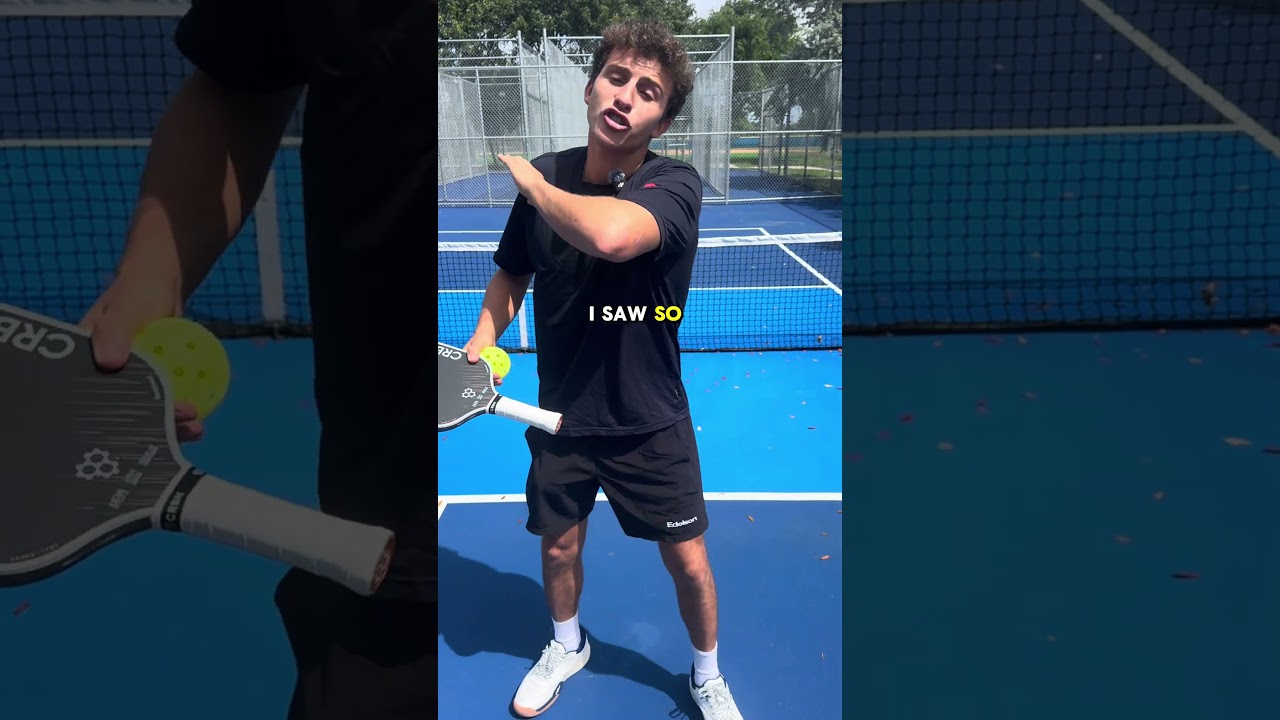
Professional coach Tanner Tomassi has identified a shocking trend after teaching clinics across Asia for 10 weeks. According to his observations, nearly 90% of recreational players make the identical wrist mistake when attempting their forehand speedup.
This isn't about power generation or paddle selection. It's about a fundamental misunderstanding of how the wrist should function during the most crucial shot in modern pickleball.
What Most Players Get Wrong
The typical amateur approach involves excessive wrist movement at the wrong time. Players tend to "break" their wrist too early in the swing sequence, causing several cascading problems:
- Loss of control: Premature wrist action creates inconsistent contact points
- Reduced power transfer: Energy dissipates through the loose wrist joint
- Poor ball trajectory: The paddle face becomes unpredictable at impact
The Timing Component
Most recreational players activate their wrist too early in the kinetic chain. This premature engagement disrupts the natural flow of energy from the legs, through the core, and into the paddle. The result? A weak, inconsistent speedup that opponents can easily handle.
The Professional Difference
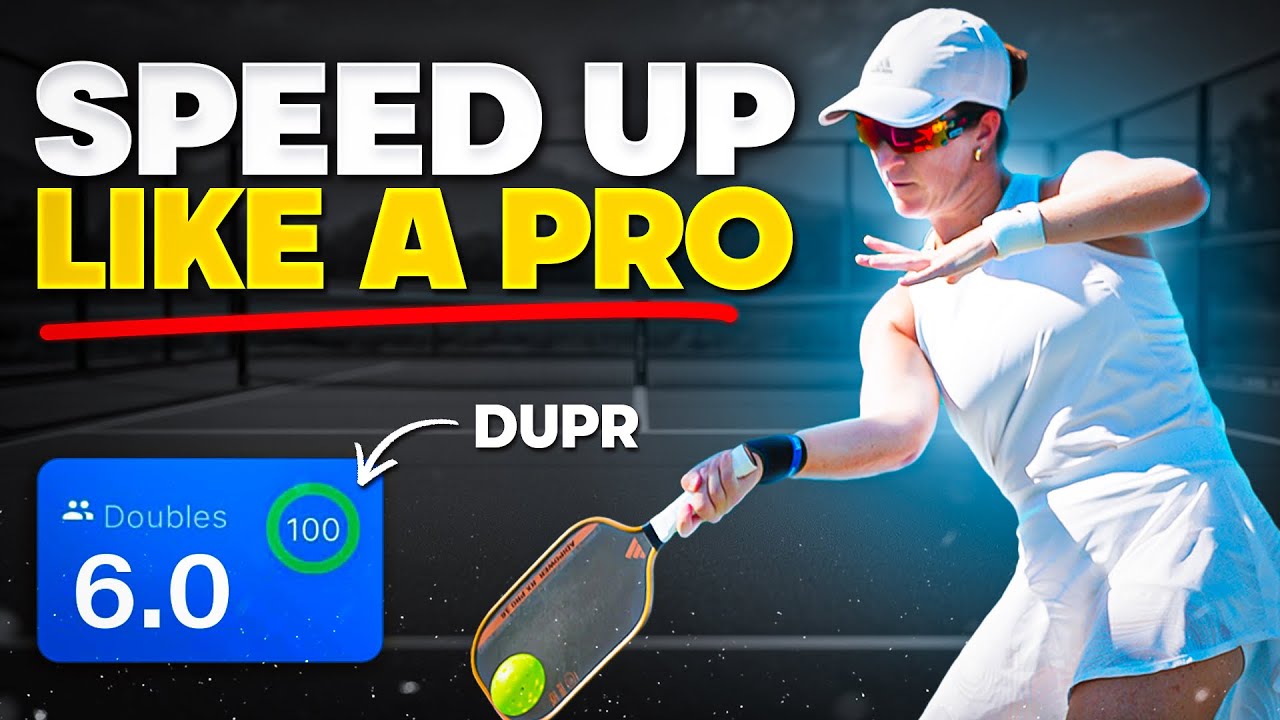
Elite players understand that the wrist serves as a whip, not a steering wheel. They maintain a firm wrist position through the initial phase of the swing, only allowing it to snap through at the precise moment of ball contact.
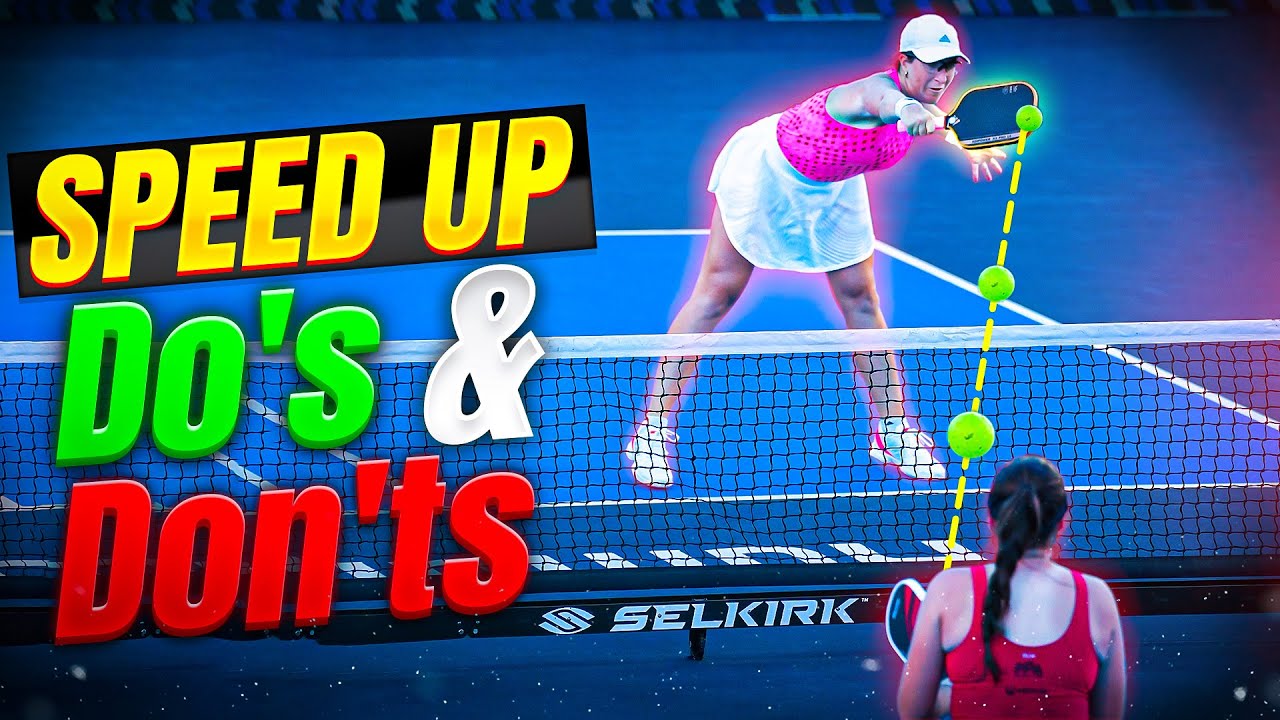
This technique creates what coaches call "late acceleration" - a sudden burst of paddle speed that generates maximum power with minimal effort. The ball comes off the paddle with significantly more pace and better control.
The Biomechanical Advantage
When executed correctly, the delayed wrist snap creates a compound effect. The larger muscle groups initiate the movement, building momentum that transfers into the smaller, faster-moving wrist joint at impact. This sequence maximizes both power and precision.
Fixing Your Wrist Technique
The correction involves three key adjustments to your current technique:
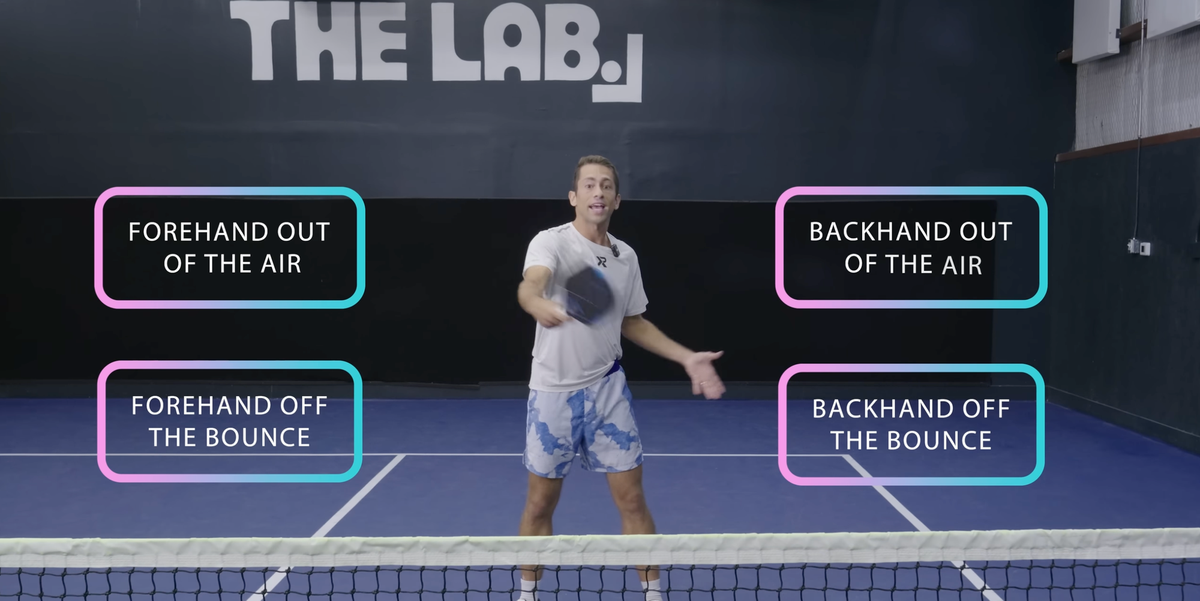
1. Establish Wrist Firmness
Begin your speedup with a locked wrist position. Think of your paddle as an extension of your forearm, creating one solid unit through the initial swing phase.
2. Delay the Release
Maintain this firm position until your paddle approaches the ball. Only in the final 6 inches of swing should you allow the wrist to snap forward.
3. Follow Through Completely
After contact, let your wrist continue its natural motion. This complete follow-through ensures maximum energy transfer and helps establish the correct timing pattern.
Practice Progression
Start with slow-motion swings, focusing entirely on the wrist timing. Gradually increase speed while maintaining the delayed snap pattern. Many players find it helpful to practice against a wall first, ensuring consistent contact before adding court movement.
The transformation won't happen overnight, but players who master this wrist technique report immediate improvements in both power and consistency. More importantly, they develop a reliable weapon that can change the momentum of any point.
Frequently Asked Questions
How long does it take to fix the wrist mistake on forehand speedups?
Most players see improvement within 2-3 practice sessions when focusing specifically on wrist timing. However, making it automatic under match pressure typically requires 4-6 weeks of consistent practice.
Should I use the same wrist technique for backhand speedups?
The principle is similar, but backhand speedups require slight modifications due to the different swing plane. The delayed wrist snap still applies, but the timing may feel slightly different than your forehand.
Can fixing my wrist technique help with other shots besides speedups?
Absolutely. Proper wrist control improves dinks, drives, and volleys. The firm-to-snap sequence creates better touch on soft shots and more power on aggressive shots throughout your game.