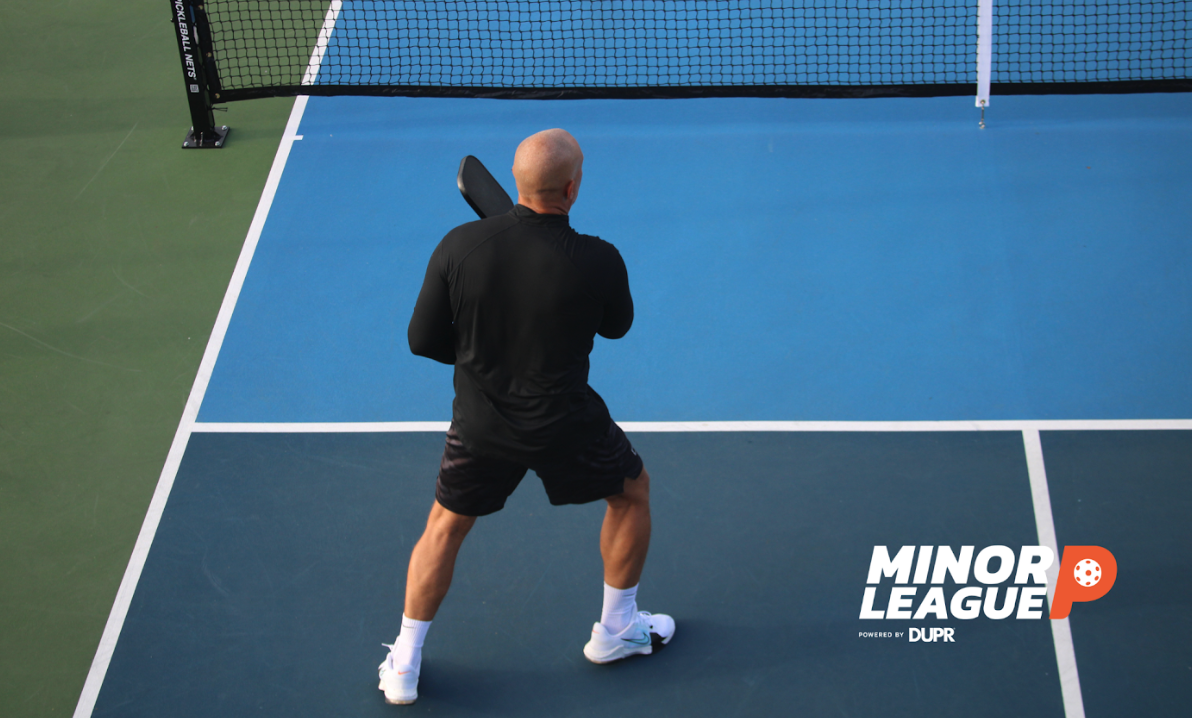
Every pickleball player faces a critical split-second decision during kitchen battles: should you let the ball rise to its peak for an apex dink, or attack it early with a short hop dink? This tactical choice separates recreational players from those who truly command the non-volley zone.
Understanding the Two Dinking Techniques
The apex dink involves waiting for the ball to reach its highest point before making contact, while the short hop dink requires taking the ball immediately after it bounces, when it's still low to the court. Each approach offers unique tactical advantages that can shift momentum in your favor.

When to Execute an Apex Dink
The apex dink shines when you need maximum control and precision. By waiting for the ball's peak, you gain several key advantages:
- Enhanced accuracy: The ball's momentary pause at its apex provides a larger hitting window
- Better placement options: Higher contact point allows for sharper cross-court angles
- Reduced unforced errors: More time to set up leads to cleaner execution
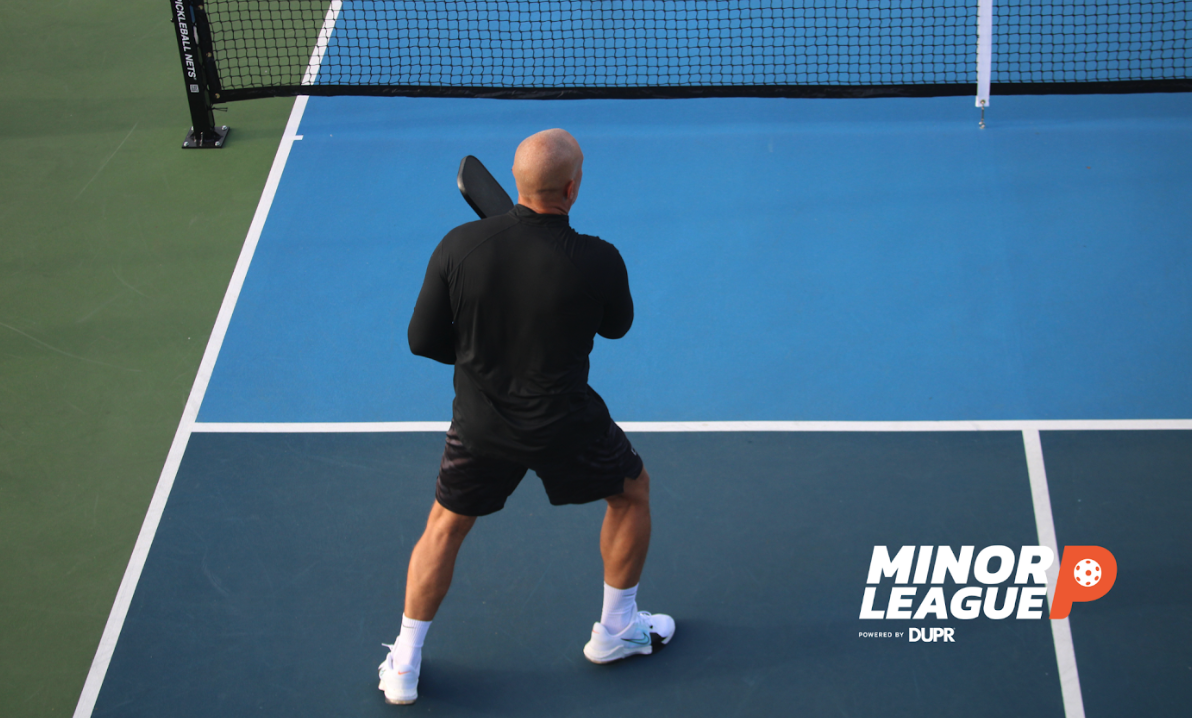
Use apex dinks when you're positioned well behind the kitchen line, facing a high-bouncing ball, or when you need to reset a fast-paced rally. This technique works exceptionally well for defensive positioning and when your opponent has pulled you wide.
Mastering the Short Hop Dink
The short hop dink transforms defense into offense by taking time away from your opponent. This aggressive approach offers distinct benefits:
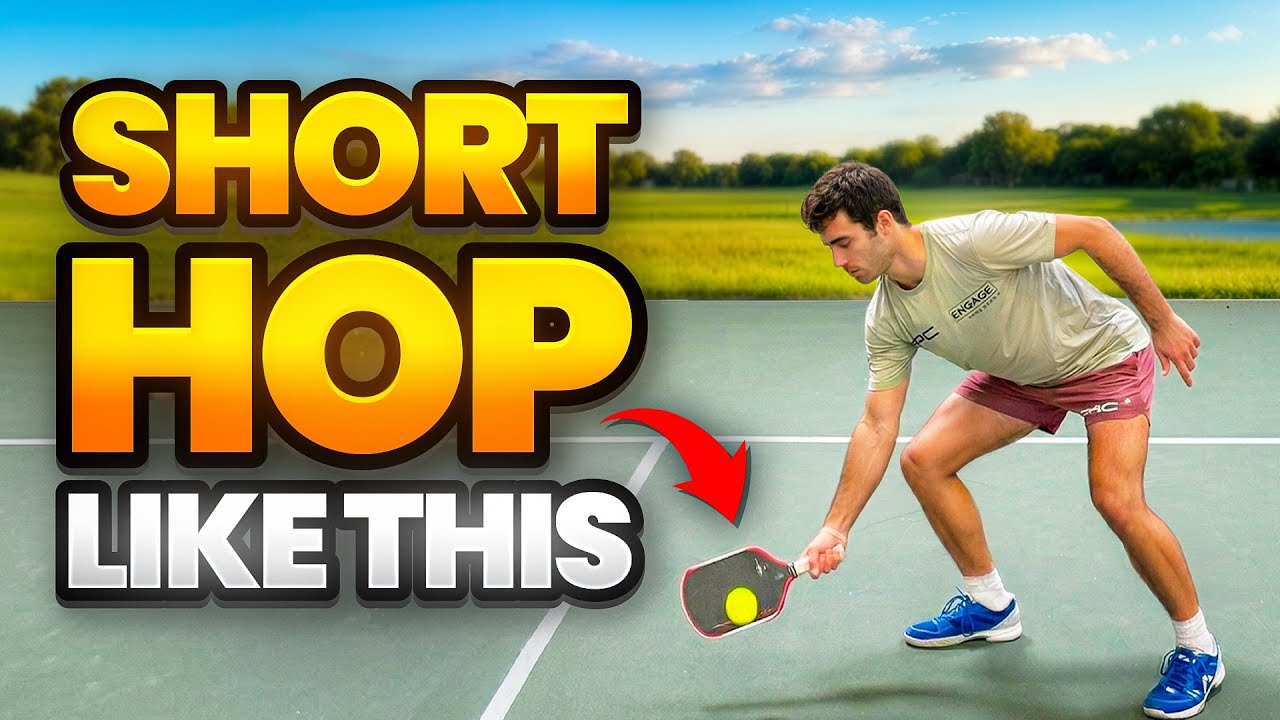
- Pressure creation: Forces opponents into rushed decisions
- Court position maintenance: Keeps you closer to the net for better angles
- Rhythm disruption: Breaks your opponent's timing and preparation
Deploy short hop dinks when you're positioned close to the kitchen line, facing consistent low balls, or when you want to increase rally pace to pressure opponents who prefer slower exchanges.
Strategic Decision-Making at the Kitchen
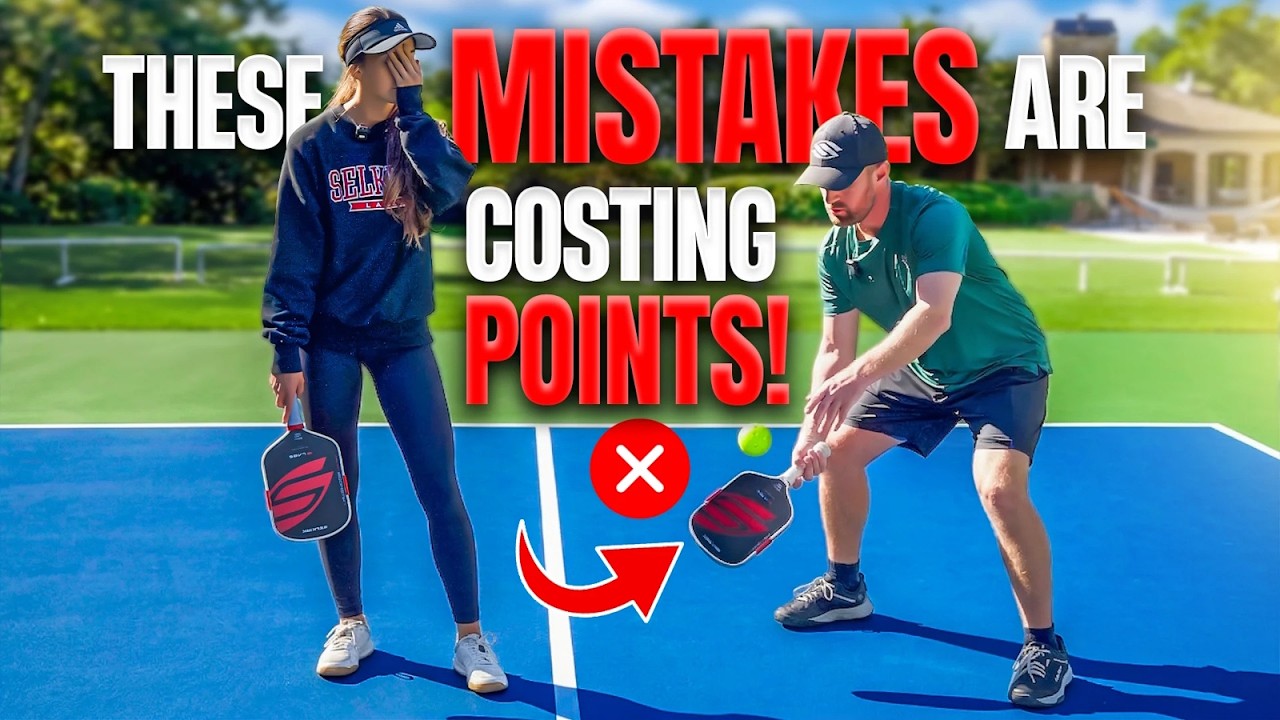
Professional players constantly evaluate multiple factors before choosing their dinking approach. Court position plays a crucial role – players positioned three feet behind the line naturally favor apex dinks, while those hugging the kitchen line can effectively utilize short hops.
Reading Your Opponent's Weaknesses
Opponent analysis should drive your technique selection. Players who struggle with quick reactions often crumble under short hop pressure, while those who thrive on pace may be neutralized by well-placed apex dinks that force patience.
Ball trajectory also influences your choice. Low, skimming shots practically demand short hop treatment, while high, looping balls present perfect apex dink opportunities.
Common Technical Mistakes to Avoid
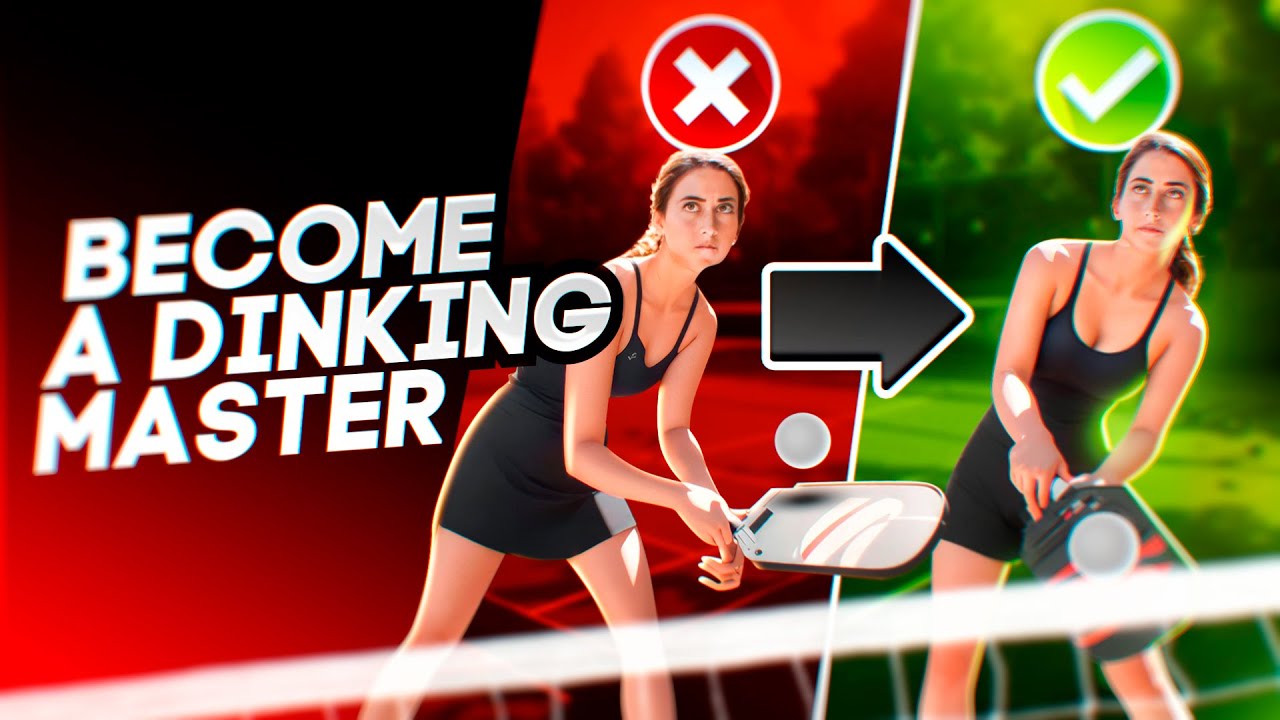
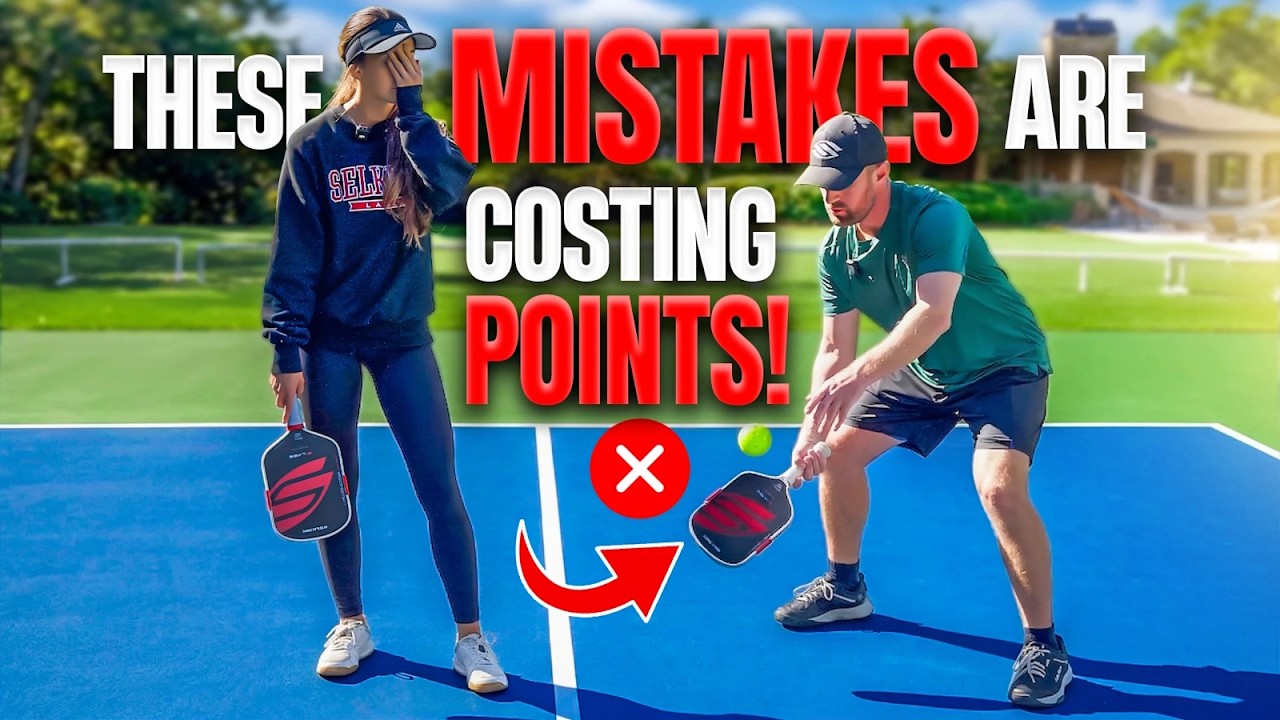
Many players default to one technique regardless of situation. This predictability allows opponents to anticipate and counter your shots effectively. Instead, develop proficiency in both techniques and switch between them based on tactical needs.
Another frequent error involves poor footwork preparation. Apex dinks require settling into position early, while short hops demand quick, decisive movement to the ball. Practice both movement patterns to execute each technique cleanly.
Developing Your Kitchen Arsenal
Elite players seamlessly blend both techniques within single rallies, keeping opponents guessing and maintaining tactical flexibility. Start by identifying your natural preference, then deliberately practice the opposite technique to build complete dinking proficiency.
Focus on situation-specific drilling. Practice apex dinks from various court positions and short hops against different ball speeds. This targeted approach builds the pattern recognition necessary for split-second tactical decisions during competitive play.
Frequently Asked Questions
Should beginners focus on one dinking technique first?
Yes, beginners should master apex dinks initially due to their forgiving timing window and lower error rate. Once comfortable with basic dinking mechanics, gradually incorporate short hop techniques for tactical variety.
How do I know which technique to use during fast rallies?
Let court position be your primary guide. If you're close to the kitchen line with good balance, favor short hops. When positioned deeper or off-balance, apex dinks provide better control and recovery time.
Can mixing both techniques really improve my win rate?
Absolutely. Tactical unpredictability forces opponents to prepare for multiple scenarios, often leading to hesitation and errors. Players who master both techniques typically control kitchen exchanges more effectively than those relying on single approaches.