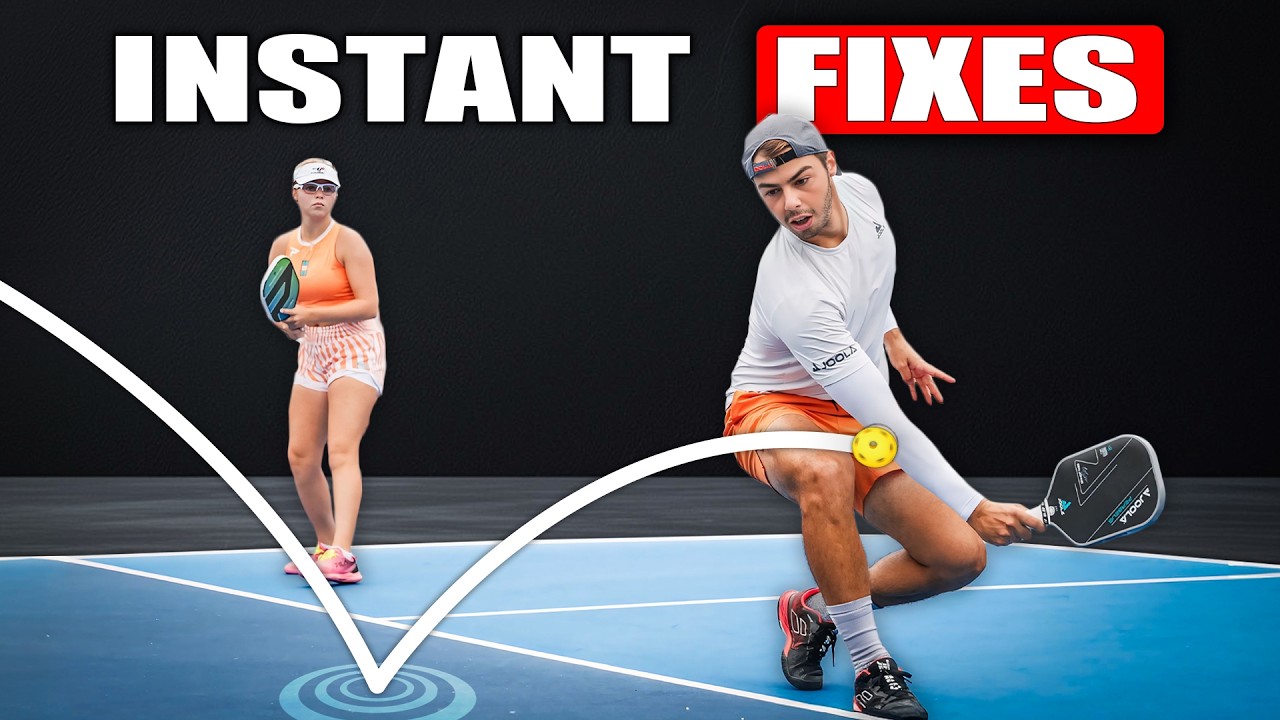
What separates elite pickleball players from weekend warriors isn't always raw talent. According to Anna Bright, the world's #2 ranked player, it's about being intentional with your improvement strategy.
In her latest breakdown, Bright reveals five fundamental principles that have driven her meteoric rise in professional pickleball. The best part? These strategies are accessible to any player committed to serious improvement.

The Mindset That Changes Everything
Bright emphasizes that the gap between casual and competitive play often comes down to approach rather than natural ability. Her philosophy centers on deliberate practice over mindless repetition.
"Most players practice harder, not smarter," Bright explains. "The difference is understanding what to focus on and why."
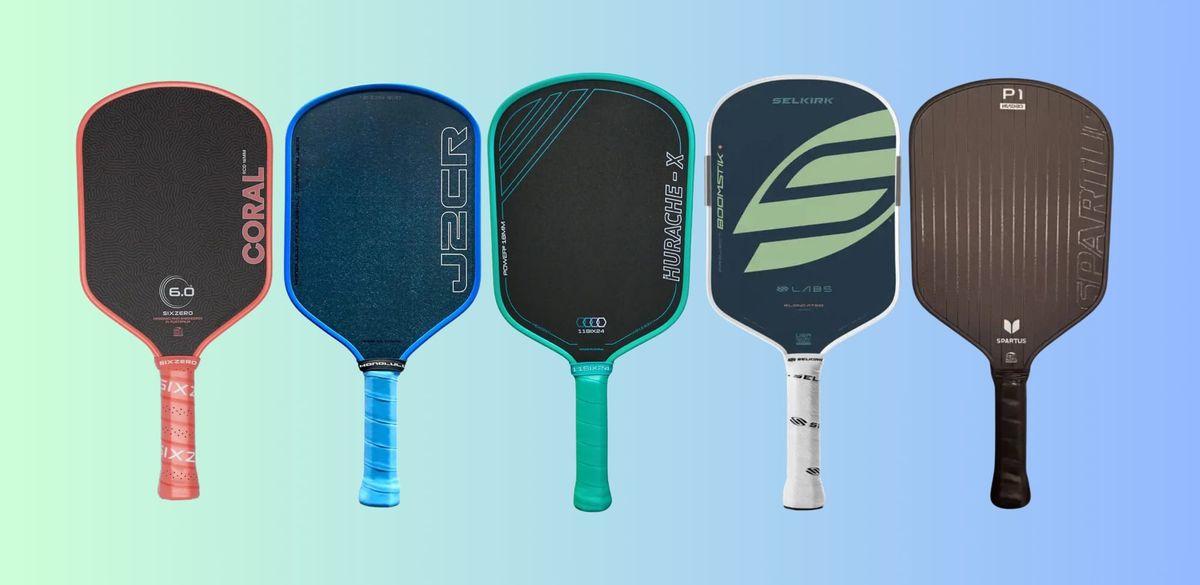
Anna Bright's 5 Core Improvement Strategies
1. Strategic Drilling Over Volume
Rather than hitting hundreds of balls randomly, Bright advocates for targeted drilling sessions. Each practice should address specific weaknesses with measurable goals.
Focus on quality repetitions that simulate match conditions. This means incorporating pressure, movement, and decision-making into every drill.
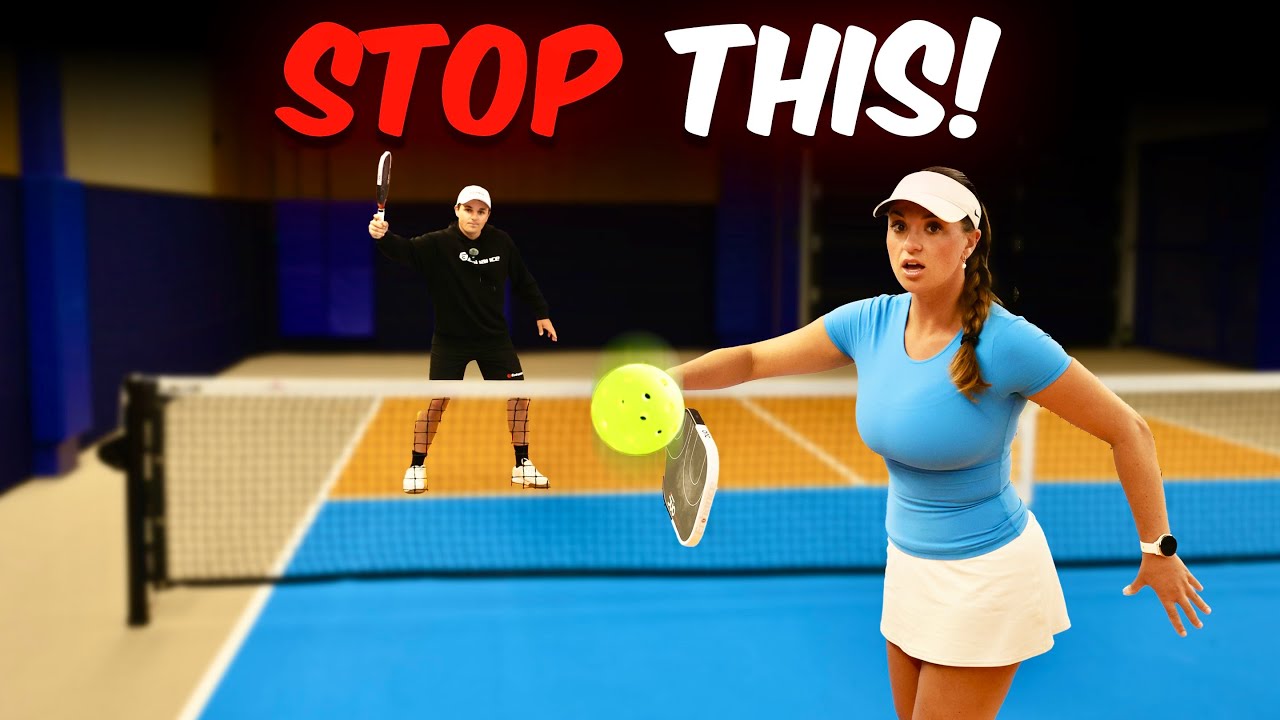
2. Mental Resilience Training
Professional pickleball is as much mental as physical. Bright dedicates significant time to developing emotional control and strategic thinking under pressure.
She recommends practicing visualization techniques and developing pre-point routines that maintain focus during crucial moments.
3. Technical Precision First
Before increasing power or speed, Bright prioritizes technical accuracy. Perfect form creates the foundation for advanced shot-making.
"You can't build consistency on poor fundamentals," she notes. "Master the basics before attempting advanced techniques."
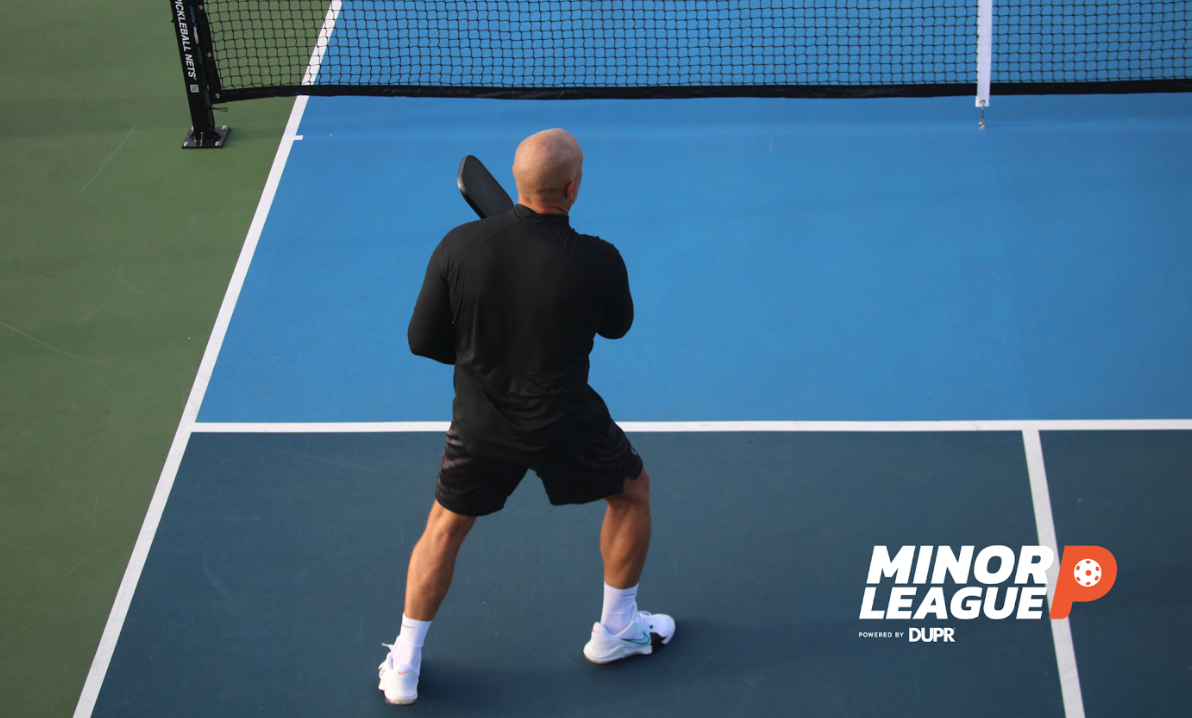
4. Game Situation Awareness
Understanding when to attack, defend, or reset separates good players from great ones. Bright studies match footage to recognize patterns and optimal shot selection.
She suggests players analyze their own games to identify recurring mistakes and missed opportunities.
5. Physical Preparation
Pickleball-specific fitness goes beyond general cardiology. Bright incorporates agility, reaction time, and core stability into her training regimen.
Recovery and injury prevention receive equal attention to performance enhancement.
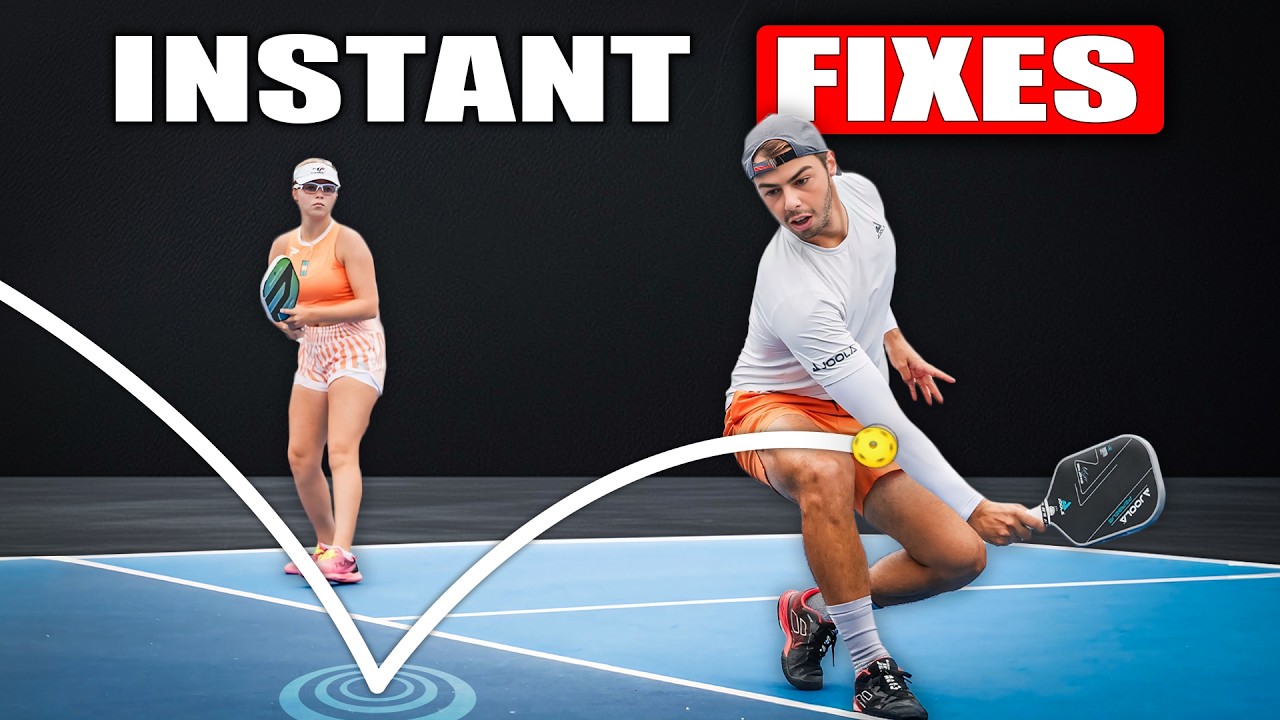
Implementing the Pro Approach
Bright's methodology proves that systematic improvement trumps natural talent. Her rise demonstrates how intentional practice accelerates development at any level.
The key is consistency in application. Small, deliberate improvements compound over time, creating significant skill gaps between players who embrace structure versus those who practice randomly.
For recreational players serious about improvement, adopting even one of Bright's principles can produce noticeable results within weeks.
Beyond the Basics
What makes Bright's advice particularly valuable is its scalability. Whether you're a 3.0 player or aspiring professional, these principles adapt to your current level.
The emphasis on intention over intensity makes improvement sustainable long-term. Rather than burning out from excessive practice, players develop efficient training habits that maximize results.
Bright's success story illustrates that with proper guidance and consistent application, significant improvement is achievable for dedicated players at any stage.
Frequently Asked Questions
How long does it take to see improvement using Anna Bright's methods?
Most players notice improvements within 2-4 weeks of implementing structured drilling and mental training. However, significant skill development typically requires 3-6 months of consistent practice using these principles.
Can recreational players really apply professional training methods?
Absolutely. Bright's strategies scale to any level because they focus on fundamentals and smart practice rather than advanced techniques. The key is adapting the intensity and complexity to match your current skill level.
What's the most important tip for intermediate players?
Bright emphasizes game situation awareness as crucial for intermediate players. Learning when to attack versus when to reset the point often provides the biggest improvement in match performance at this level.