Nothing silences a pickleball court faster than someone calling out "4-5-1" while half the players stare blankly, trying to decode what sounds like a secret mathematical formula. If you've ever felt lost when the score gets announced, you're not alone – pickleball scoring confuses beginners and seasoned players alike.
Understanding pickleball scoring doesn't have to be rocket science. This comprehensive guide will walk you through both traditional side-out scoring and the emerging rally scoring format, so you'll never again be the player asking "wait, what's the score?" mid-game.
Traditional Side-Out Scoring: The Foundation
Side-out scoring has been pickleball's standard since the sport's inception. In this system, only the serving team can score points, and games typically play to 11 points (win by 2).

The Three-Number System Explained
When players call the score, they announce three numbers in sequence:
- First number: Serving team's score
- Second number: Receiving team's score
- Third number: Server number (1 or 2)
For example, "6-4-2" means the serving team has 6 points, the receiving team has 4 points, and the second server is serving.
Server Rotation and Side-Outs
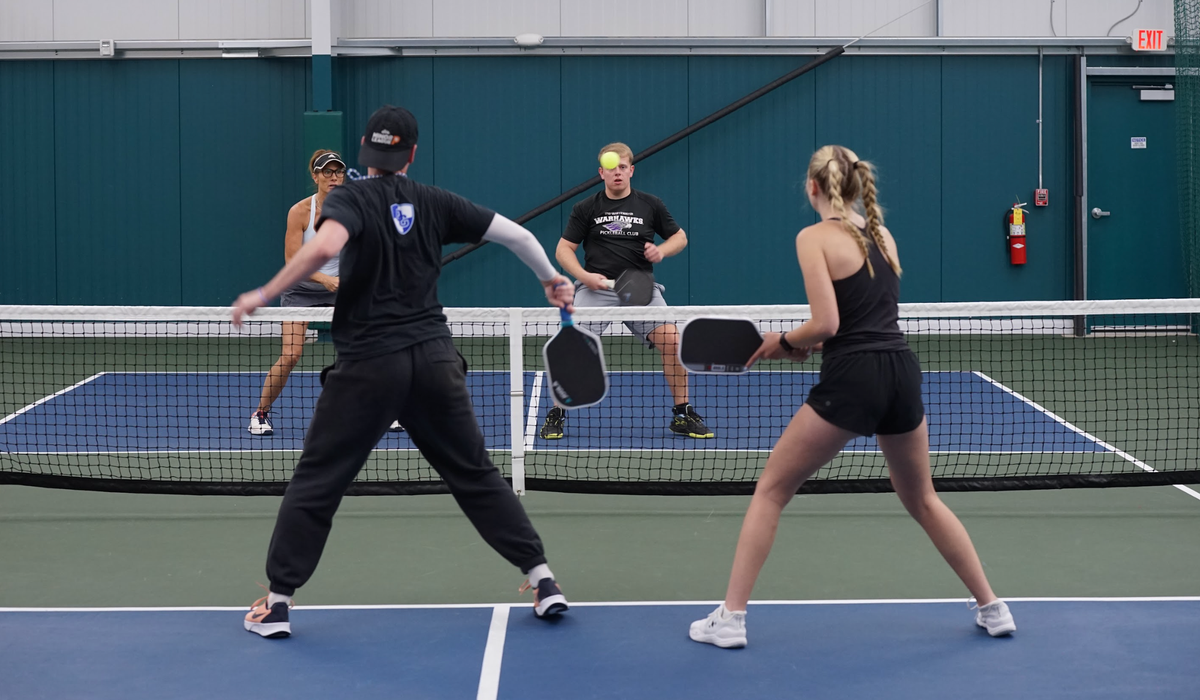
Each team gets two serves before losing the serve (called a side-out), with one crucial exception: at the game's start, the first serving team only gets one serve. This prevents an immediate advantage.
The server number indicates which teammate is serving. When the first server loses their serve, their partner becomes server #2. After the second server loses their serve, a side-out occurs, and the opposing team begins serving.

Rally Scoring: The Game-Changer
Rally scoring represents a significant departure from traditional pickleball. In this format, points can be scored on every rally, regardless of which team is serving. This system has gained traction in professional tournaments due to its faster pace and predictable game length.
How Rally Scoring Works
Under rally scoring rules:
- Either team can score on any rally
- Games typically play to 15, 21, or 25 points
- Matches often use a win-by-1 format
- Server rotation follows similar patterns to traditional scoring
The score announcement in rally scoring uses only two numbers: serving team's score followed by receiving team's score, plus the server number.
Key Differences Between Scoring Systems
| Aspect | Side-Out Scoring | Rally Scoring |
|---|---|---|
| Who Can Score | Only serving team | Either team |
| Game Length | Variable (10-30+ minutes) | Predictable (15-20 minutes) |
| Points to Win | Usually 11 | 15, 21, or 25 |
| Win Margin | Must win by 2 | Often win by 1 |
Professional Adoption and Future Trends
Major League Pickleball and several professional tournaments have embraced rally scoring to create more television-friendly matches with predictable time slots. This shift addresses broadcasting challenges while maintaining the sport's competitive integrity.
While recreational play predominantly uses traditional side-out scoring, expect rally scoring to gain popularity as players become more familiar with the format through professional exposure.
Mastering Score Calling
Proper score calling etiquette requires the server to announce the score loudly and clearly before each serve. Take a moment to ensure all players acknowledge the score – it prevents disputes and maintains game flow.
Remember: when in doubt, ask. Experienced players prefer clarifying the score over playing with confusion.
Frequently Asked Questions
Can the receiving team score points in traditional pickleball?
No, in traditional side-out scoring, only the serving team can score points. The receiving team must win the rally to earn the right to serve and then score on subsequent rallies.
Why is rally scoring becoming more popular in professional pickleball?
Rally scoring creates more predictable match lengths, making it easier for tournaments to schedule matches and broadcasters to plan programming. It also increases the pace of play and excitement since every rally matters for scoring.
What happens if I call the wrong score during a game?
Stop play immediately and clarify the correct score with all players. Most players are understanding about scoring mistakes, especially in recreational games. It's better to pause and get it right than continue with confusion.