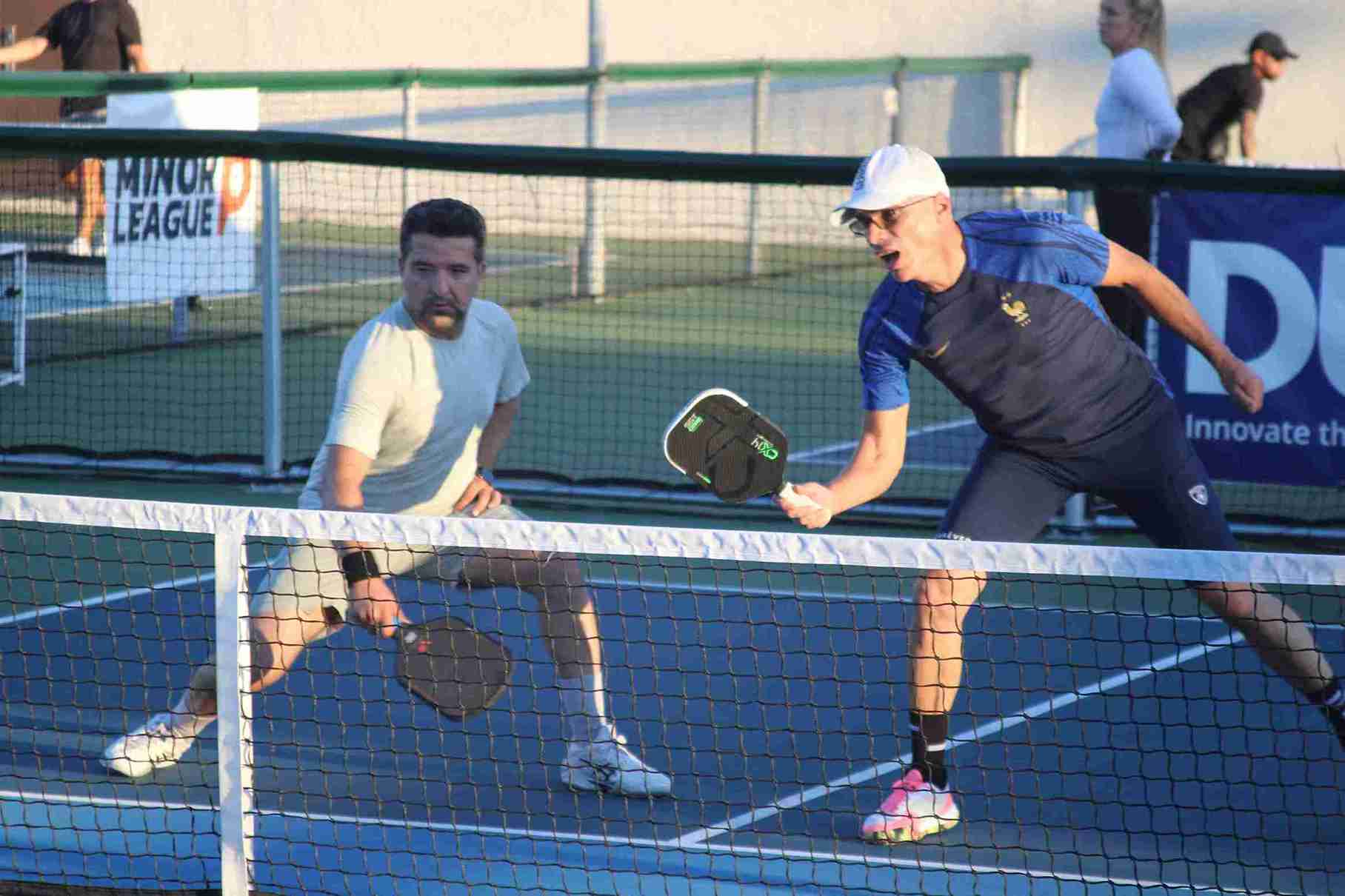
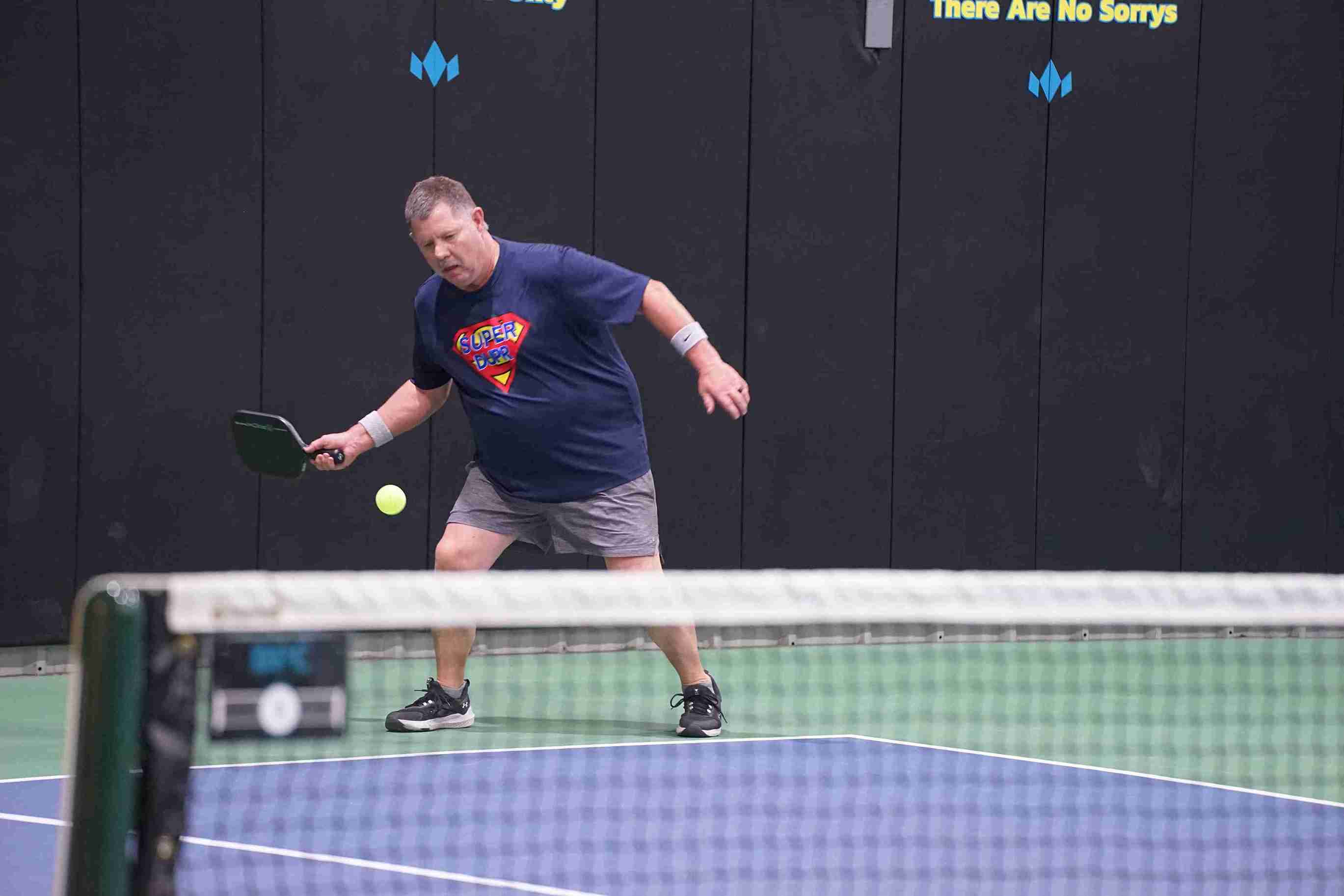
The block volley stands as one of pickleball's most underrated yet essential defensive techniques. While flashier shots grab attention, this fundamental skill separates players who thrive under pressure from those who crumble when facing aggressive attacks at the non-volley zone.
Understanding the Block Volley Fundamentals
Unlike traditional volleys that require active swing mechanics, the block volley operates on a completely different principle. Your paddle becomes a strategic wall, designed to absorb incoming pace rather than generate power. This defensive approach transforms aggressive speedups into controllable reset opportunities.
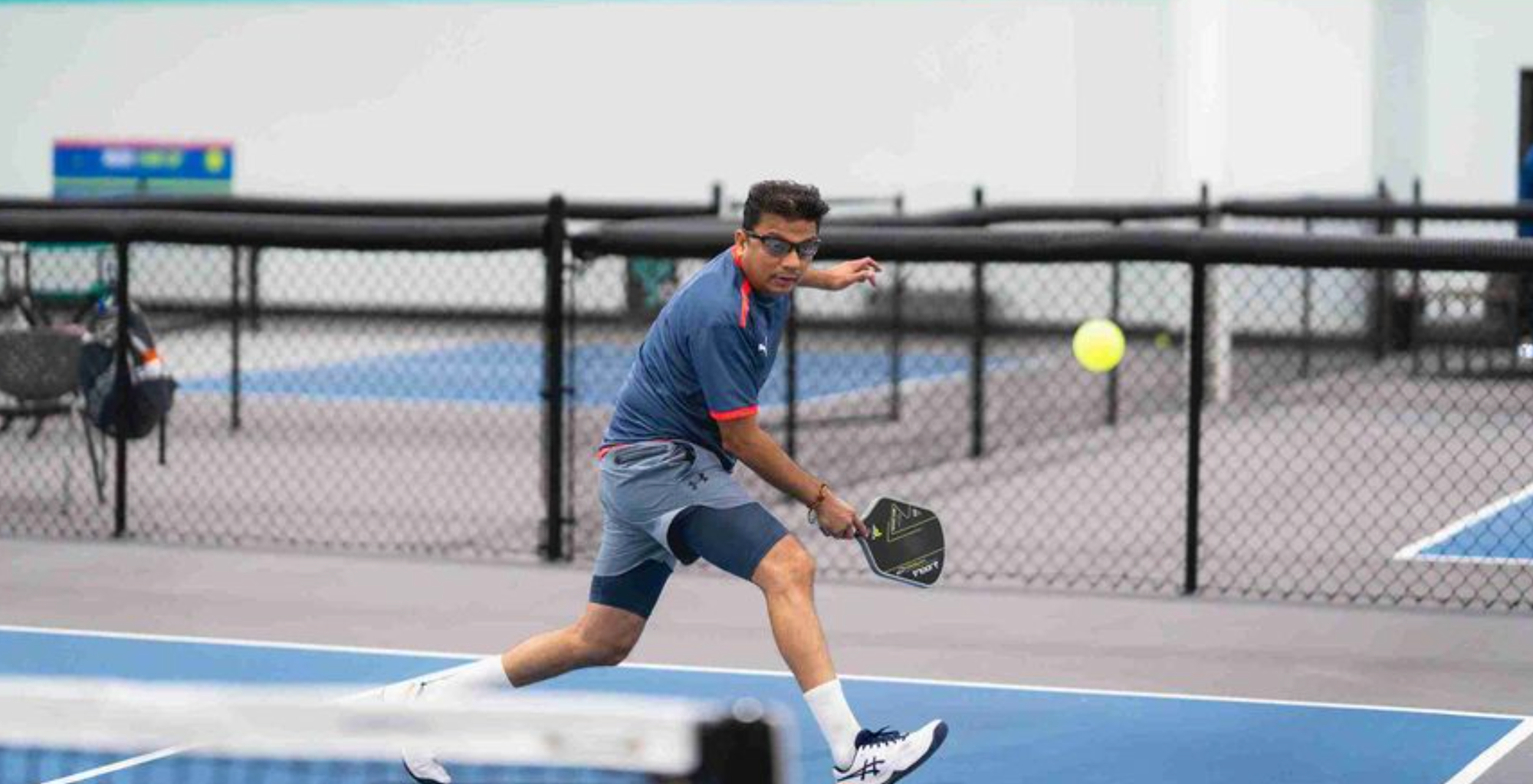
Most intermediate players make the critical error of trying to match their opponent's aggression shot-for-shot. This reactive approach often results in unforced errors, with balls sailing long or popping up for easy put-aways. The block volley eliminates this problem by using your opponent's power against them.
Essential Technique Elements
Grip and Paddle Position
Start with a continental grip, positioning your paddle face slightly open to the sky. This angle allows for natural ball deflection while maintaining control. Your paddle should remain firm but not rigid – think of it as a controlled absorption rather than a stone wall.
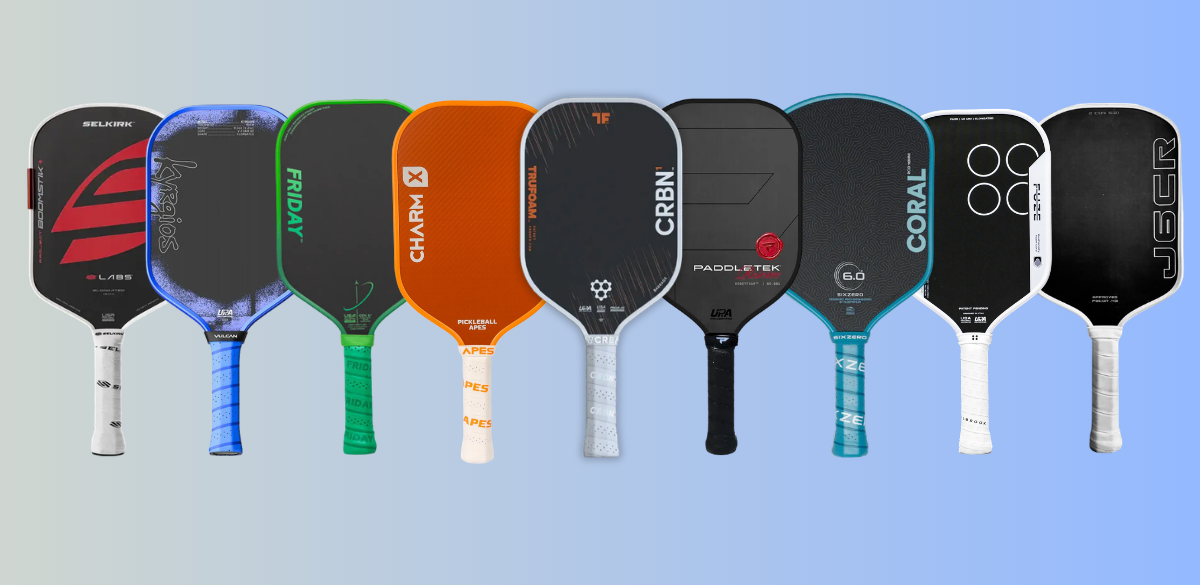
Keep your paddle positioned between your chest and shoulder height, creating a protective shield. This central positioning allows for quick adjustments to either forehand or backhand sides without major grip changes.
Body Mechanics and Footwork
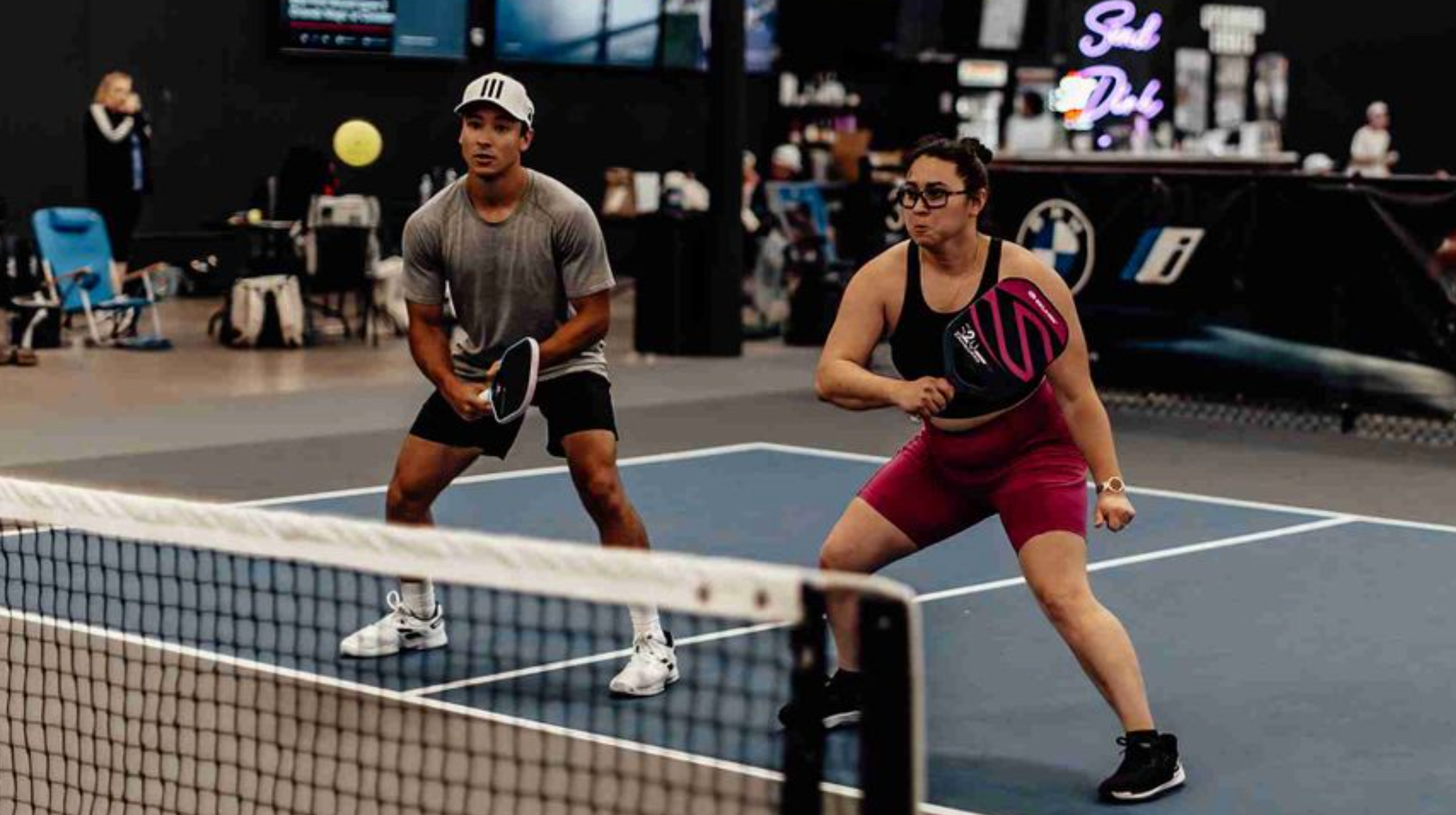
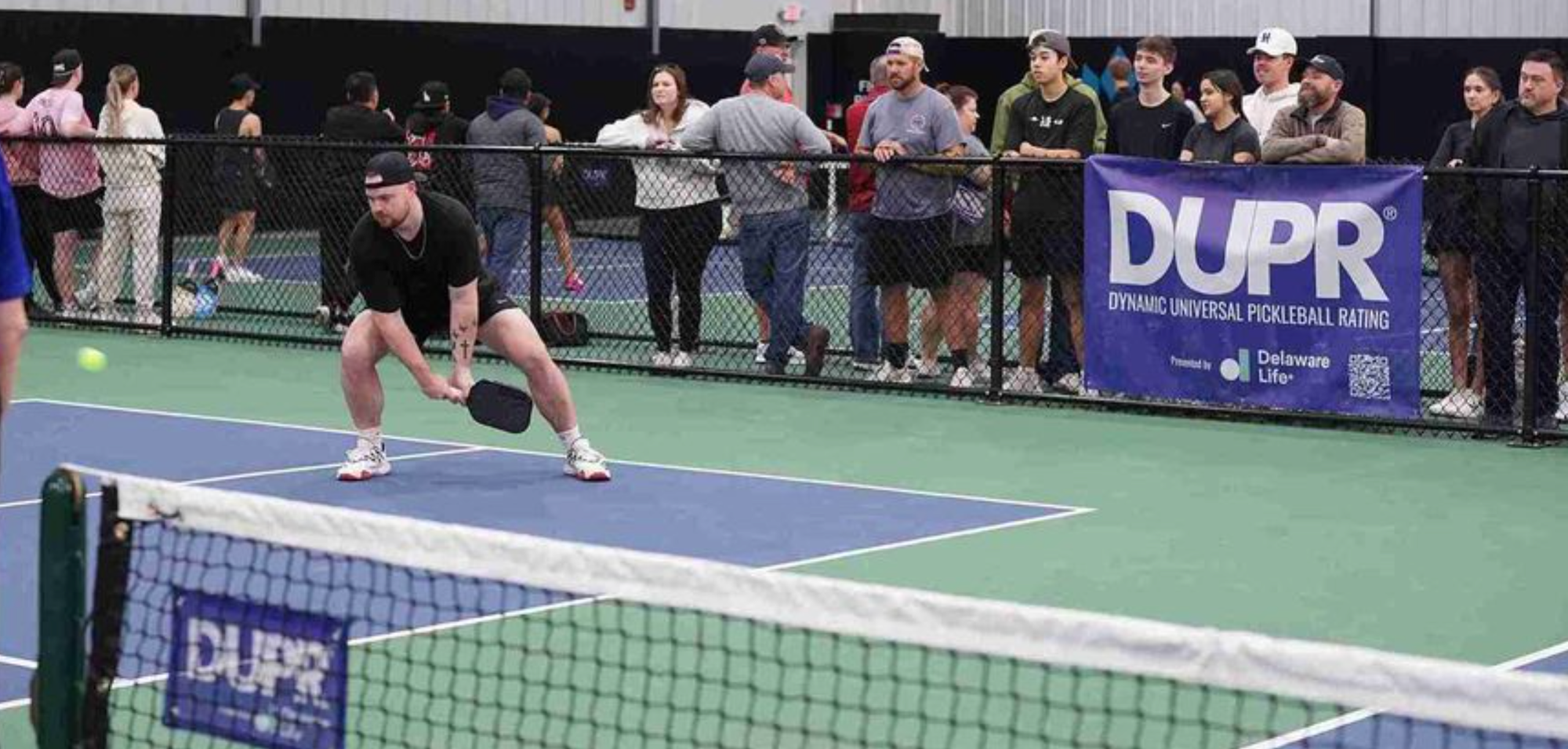
Your stance should be slightly wider than shoulder-width, with knees bent and weight balanced on the balls of your feet. This athletic position provides stability while allowing for subtle weight shifts that help absorb impact.
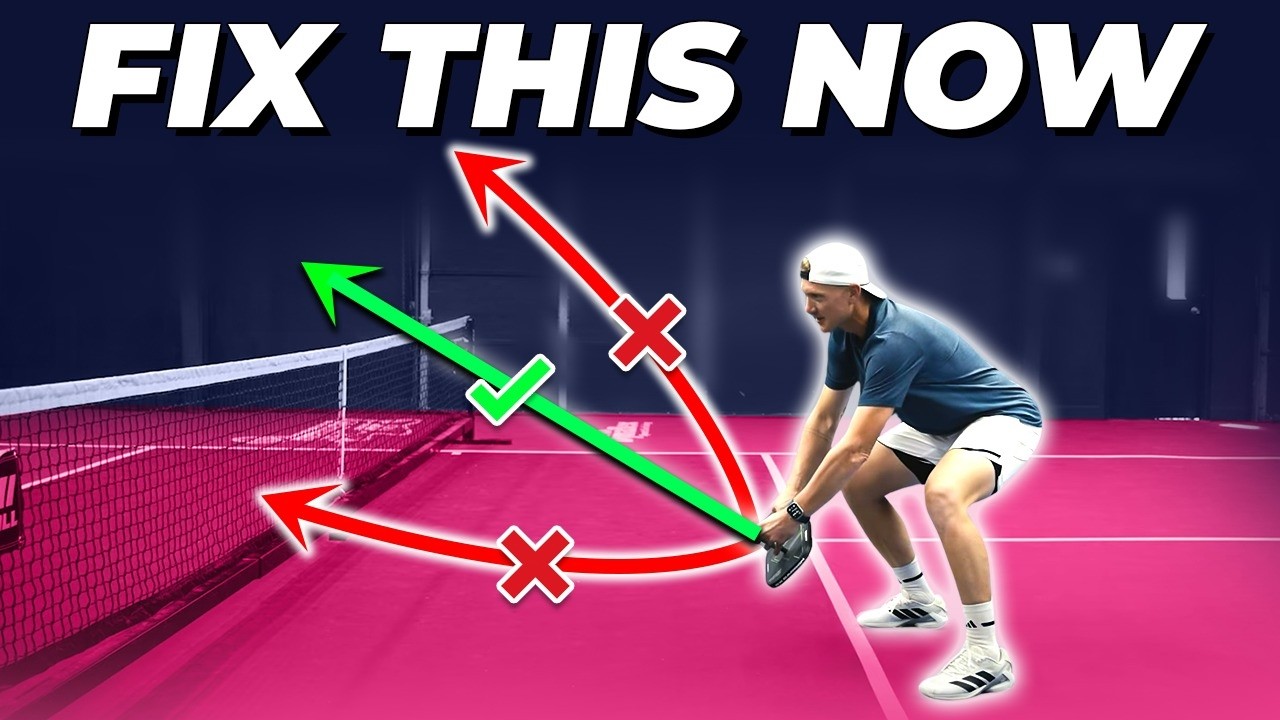
The key lies in minimal movement. Unlike aggressive volleys that require significant paddle movement, block volleys succeed through precise positioning and controlled contact. Let the ball come to you rather than reaching or lunging.
Advanced Block Volley Strategies
Reading Your Opponent
Successful block volleys begin before your opponent even strikes the ball. Watch their paddle preparation, body positioning, and target tendencies. Most players telegraph their speedup intentions through shoulder rotation and paddle cocking.
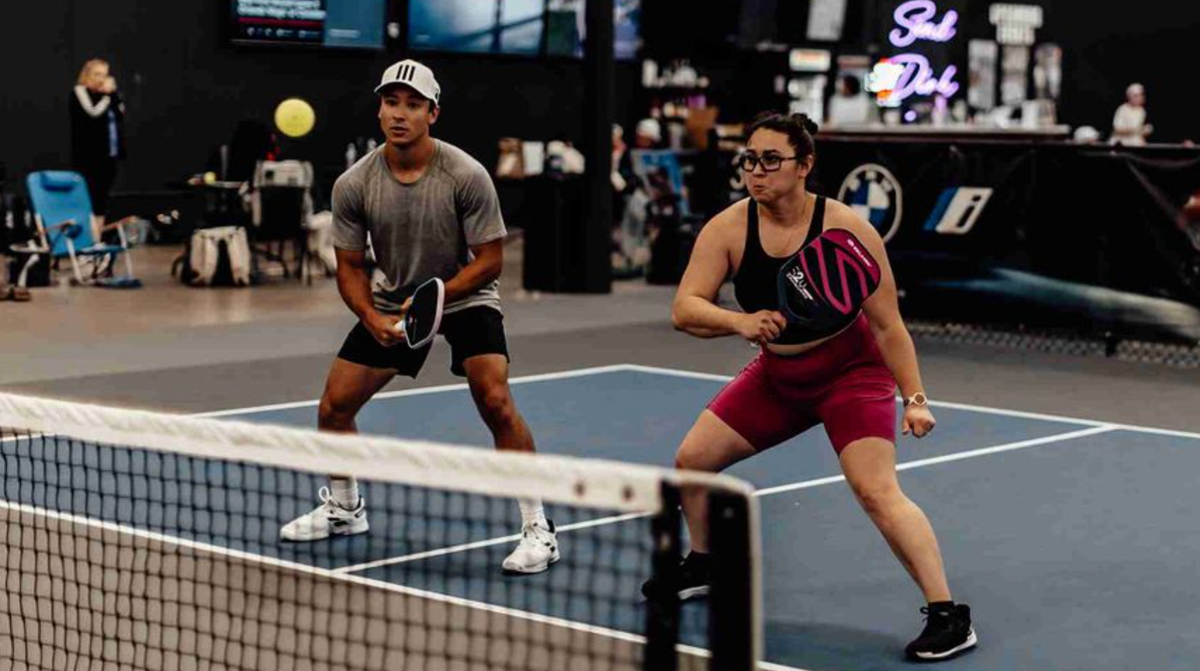
Position yourself strategically based on court geometry. If your opponent tends to target cross-court speedups, adjust your positioning slightly toward that angle while maintaining ability to defend straight-ahead attacks.
Contact Point and Follow-Through
Make contact slightly in front of your body, allowing the ball's natural pace to carry it back over the net. Your follow-through should be minimal – essentially a gentle push rather than a swing.
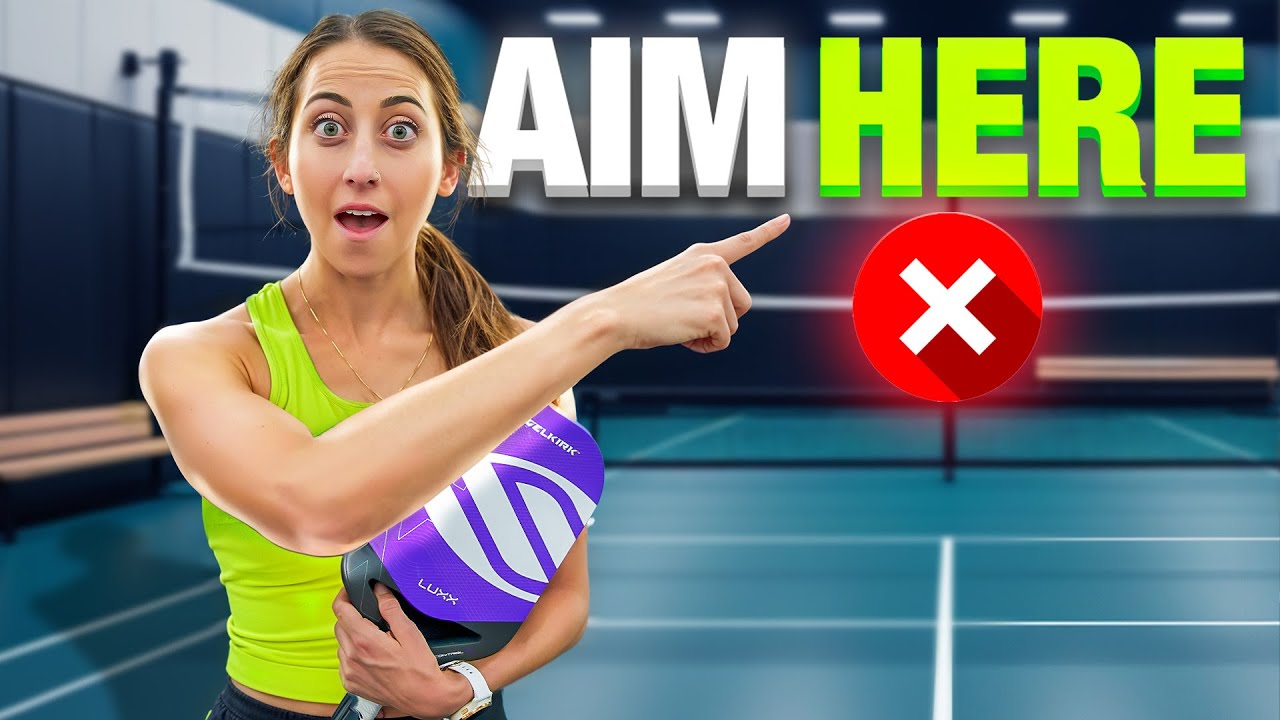
Focus on directing the ball deep into your opponent's court rather than attempting sharp angles. Deep block volleys force your opponents to reset from a disadvantageous position, often neutralizing their offensive advantage.
Practice Drills for Block Volley Mastery
Wall Practice Drill
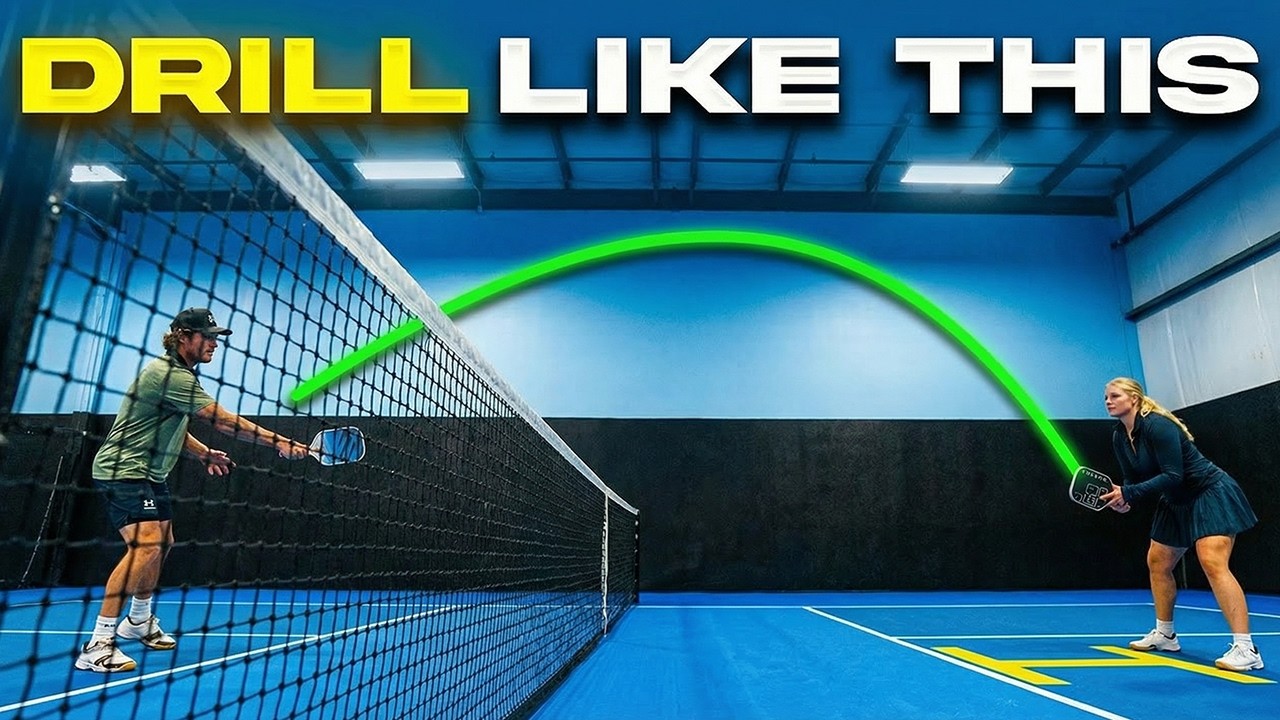
Stand three feet from a wall and have a partner feed balls at varying speeds. Practice absorbing pace while maintaining consistent depth. This drill develops the feel for proper paddle tension and contact timing.
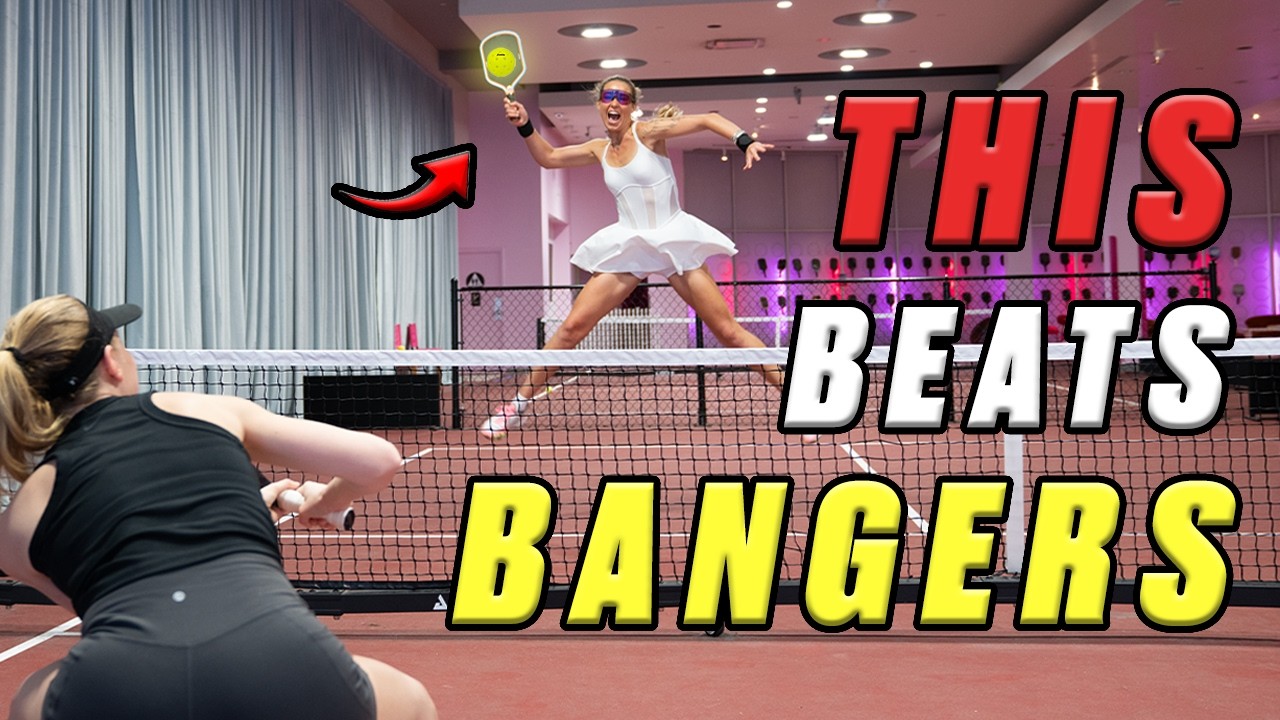
Progressive Speedup Drill
Begin with moderate-pace feeds and gradually increase intensity. This progressive approach builds confidence while developing muscle memory for different ball speeds. Focus on consistency over power.
Common Mistakes to Avoid
The biggest error involves trying to do too much with the block volley. Remember, this shot's purpose is neutralization, not aggression. Attempting to create winners from defensive positions typically backfires.
Another frequent mistake involves paddle tension. Gripping too tightly creates unpredictable bounces, while too loose a grip results in mishits. Find the middle ground that provides control without rigidity.
Integrating Block Volleys into Match Play
The block volley shines brightest during hand battles and transition moments. When opponents attempt to speed up the tempo, your well-executed blocks can immediately shift momentum back in your favor.
Use block volleys strategically to set up future attacks. A well-placed reset often draws weak returns that you can capitalize on with your next shot.
Frequently Asked Questions
How do I know when to use a block volley versus an attacking volley?
Use block volleys when the incoming ball has significant pace and you're positioned defensively. If you have time to set up and the ball lacks pace, consider more aggressive options. The key is recognizing your court position and the ball's characteristics.
What's the ideal paddle angle for block volleys?
Maintain a slightly open paddle face, roughly 15-20 degrees above parallel to the court. This angle promotes controlled depth while preventing balls from flying long or dropping into the net.
Can block volleys be effective from different court positions?
While most effective at the kitchen line, block volleys can work from mid-court positions. However, you'll need to adjust your technique slightly, using more active absorption to ensure the ball clears the net from the increased distance.