The third shot in pickleball often determines who controls the rally, yet countless players struggle with the fundamental question: should I drop or drive?
The mistake most players make isn't in their execution—it's in their decision-making process. They commit to one shot type before the point even begins, then wonder why their strategy fails against different opponents.
Why Shot Selection Matters More Than Shot Quality
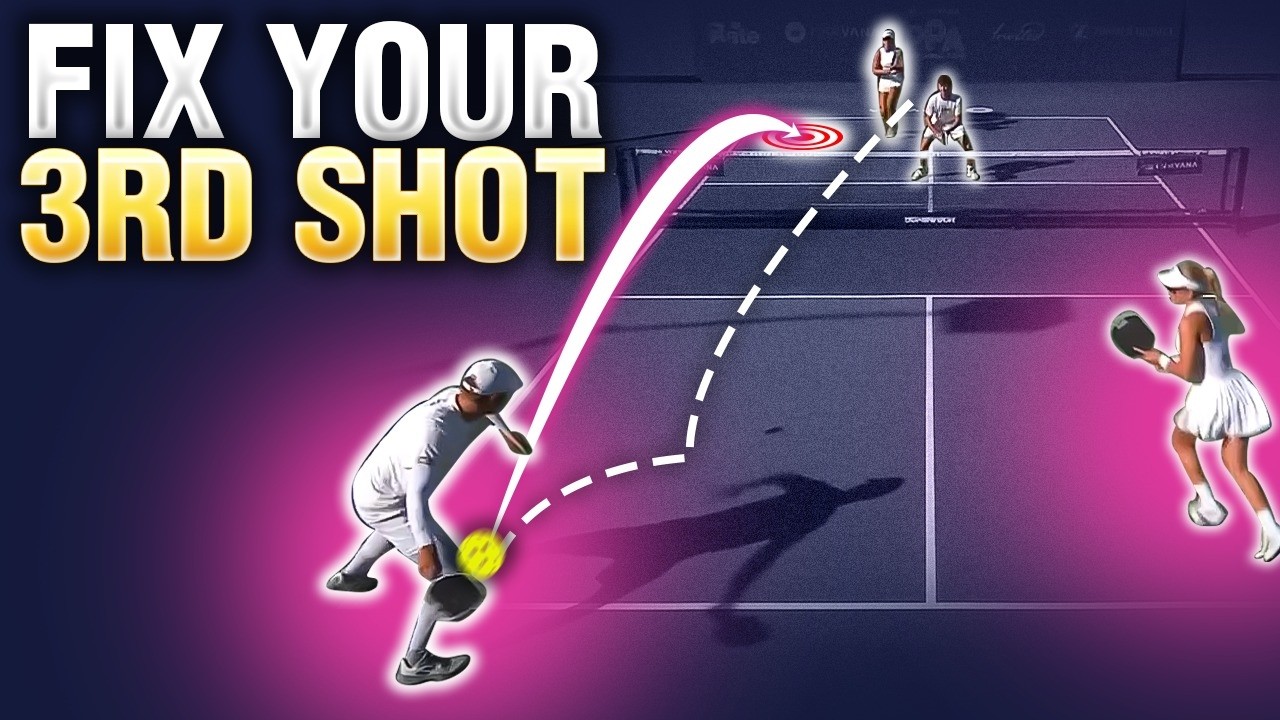
Your third shot serves one primary purpose: getting your team to the kitchen line safely. Whether you achieve this through a soft drop or aggressive drive depends entirely on what your opponents give you.
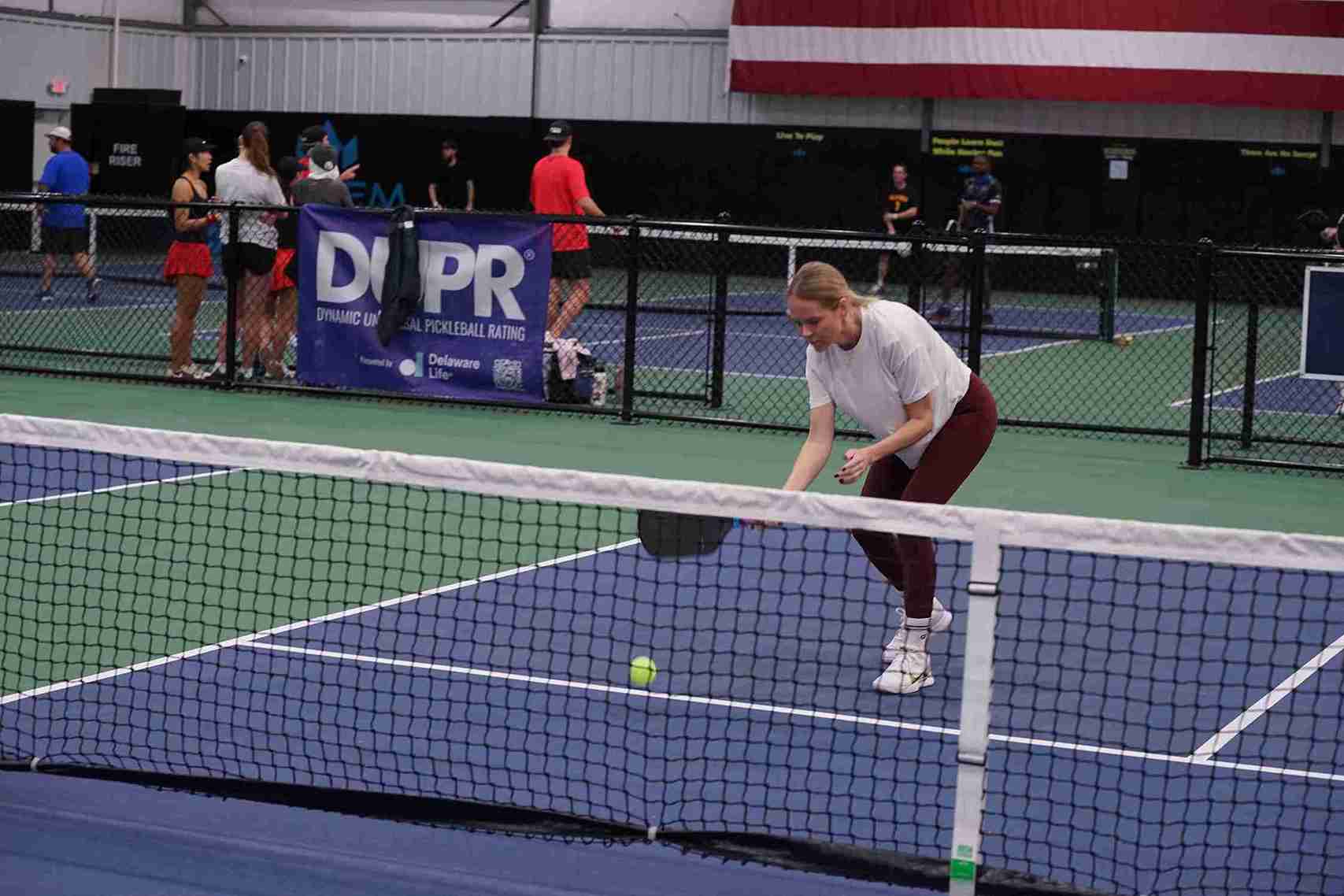
Players who automatically default to drops often find themselves hitting into the net when rushed. Meanwhile, drive-heavy players frequently hand easy put-aways to opponents who are ready and waiting.
The key is recognizing that both shots have their place in every match—you just need to know when to use each one.
When to Choose the Third Shot Drop
The drop shot works best when you have time and space to execute properly. Look for these specific situations:
Your Opponents Are at the Kitchen Line
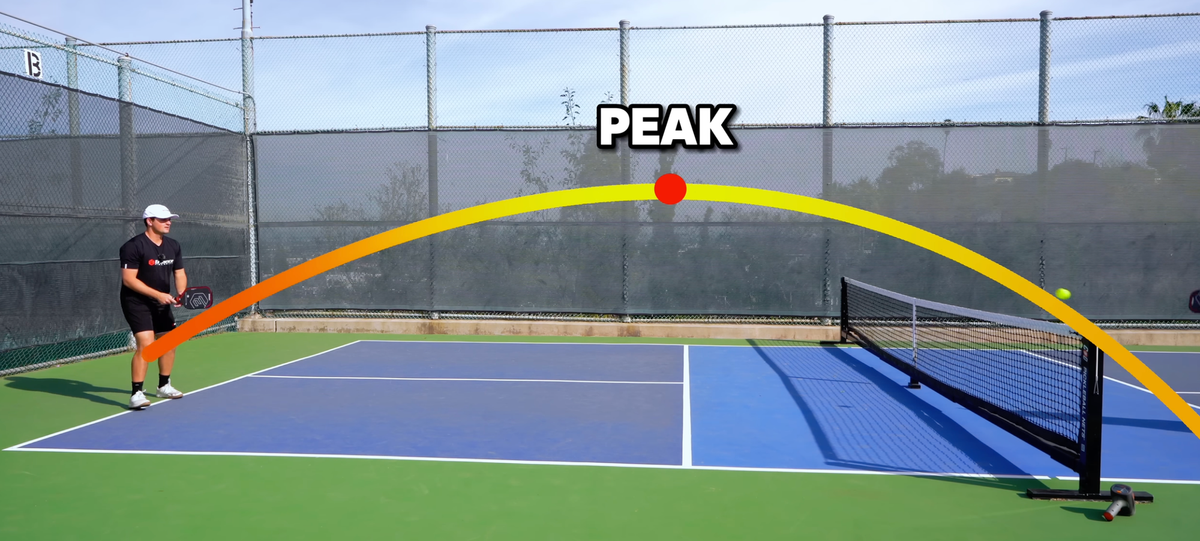
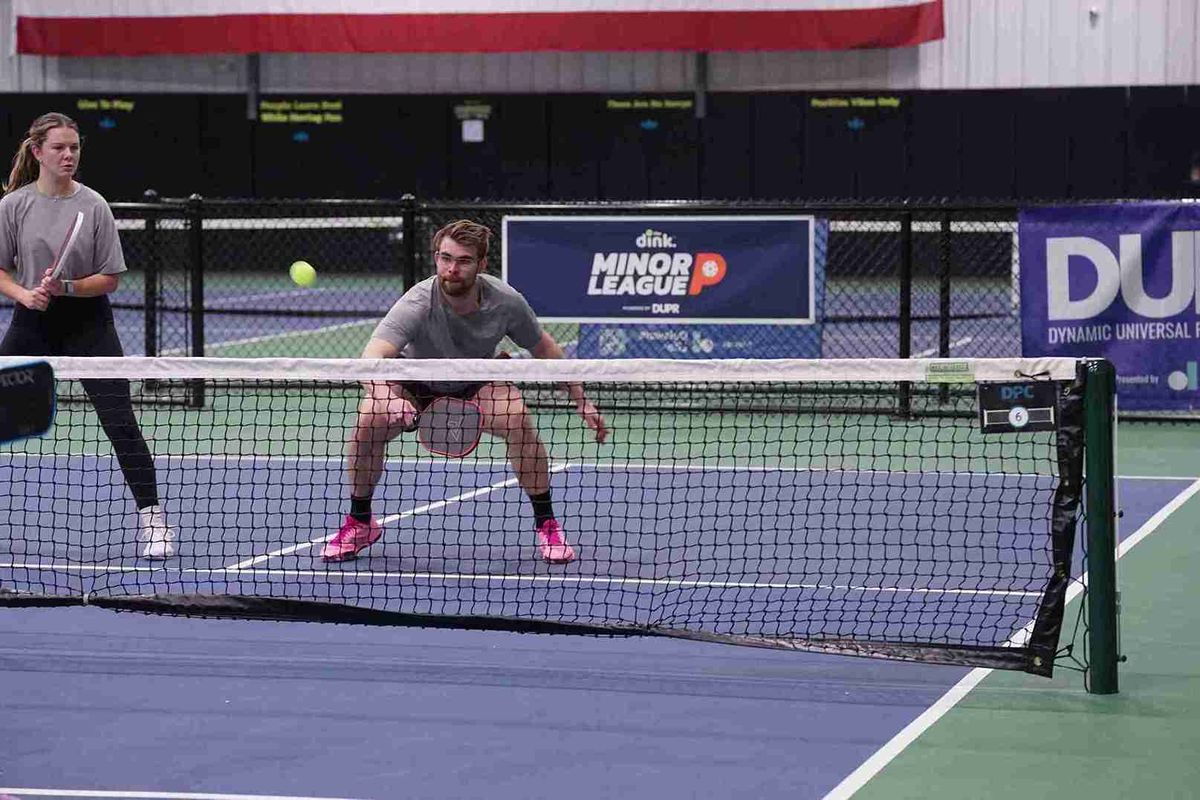
When both opponents have established position at the non-volley zone, a well-executed drop forces them to hit up, giving you the offensive advantage. The drop neutralizes their aggressive positioning and creates opportunities for weak returns.
You're in Good Court Position
If you can set up comfortably behind the baseline with your feet set, you have the stability needed for consistent drops. This shot requires proper footwork and balance—rushing leads to mishits.
The Return Sits Up
A return that bounces higher than the net gives you the perfect setup for a drop. You can contact the ball at a comfortable height and impart the necessary touch to clear the net softly.
When to Unleash the Third Shot Drive
The drive becomes your weapon when the situation calls for aggression or when drop conditions aren't ideal:
Opponents Haven't Reached the Kitchen
If you see your opponents still moving forward or positioned in mid-court, a firm drive can catch them off-guard. They won't have the stable platform needed to handle pace effectively.
You're Rushed or Off-Balance
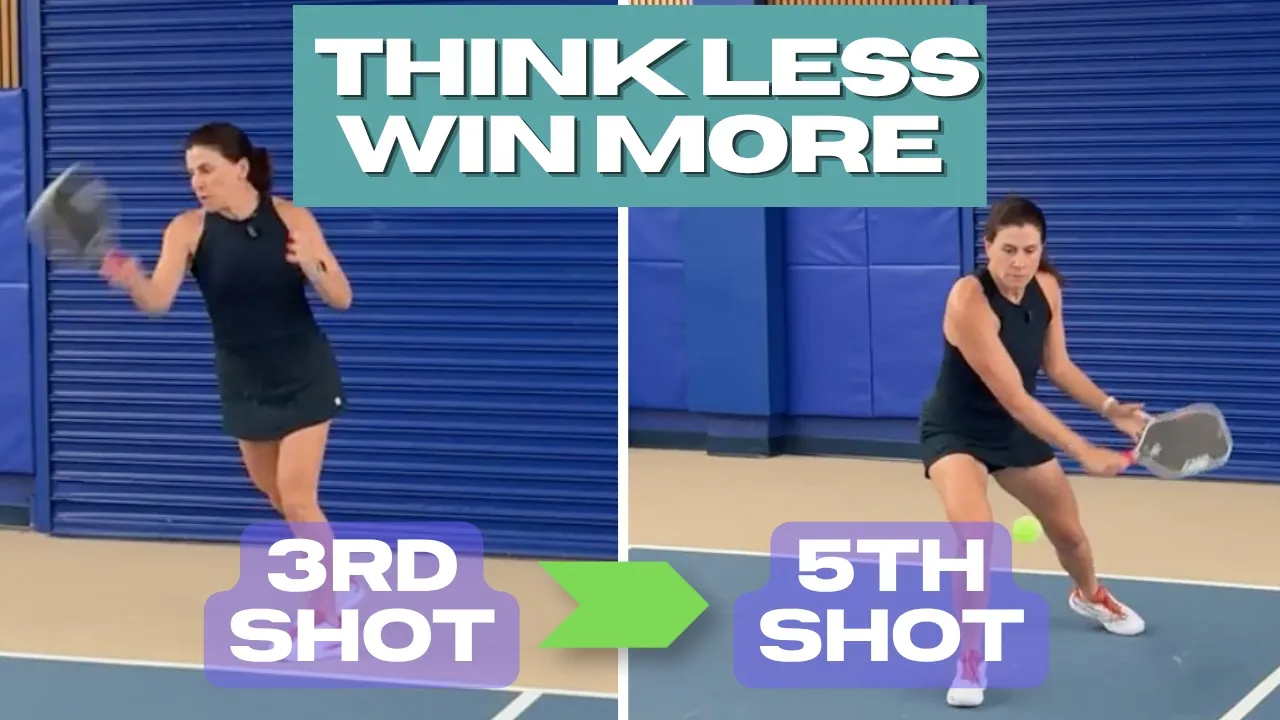
When the return forces you into an awkward position, attempting a delicate drop often results in net errors. A controlled drive gives you a better margin for error while keeping the ball in play.
Your Drops Aren't Working
Some opponents excel at handling soft shots. If they're consistently attacking your drops, switch to drives to disrupt their rhythm and force them to adjust their positioning.
Reading the Rally in Real Time
Successful third shot selection happens in the split second after the return leaves your opponent's paddle. Train yourself to quickly assess:
- Where are your opponents positioned?
- How much time do you have to set up?
- What's the height and pace of the incoming ball?
- What worked in previous rallies?
This rapid evaluation becomes automatic with practice, allowing you to make the optimal choice without hesitation.
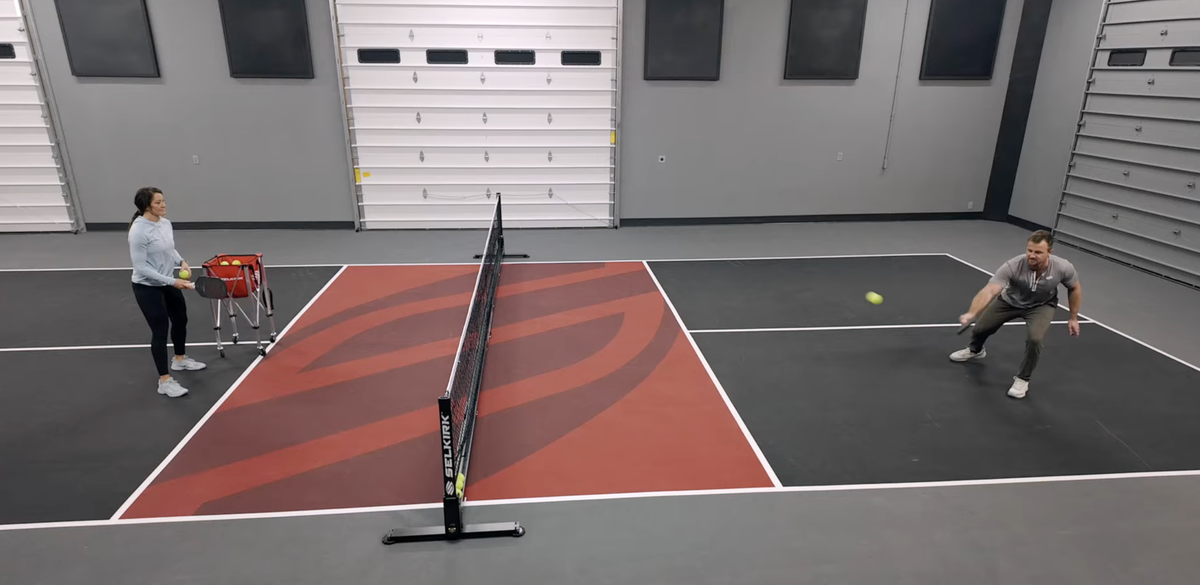
Building Your Third Shot Arsenal
The most dangerous players possess both weapons and use them unpredictably. Practice transitioning between drops and drives within the same match, even the same game.
This versatility keeps opponents guessing and prevents them from anticipating your strategy. When they creep forward expecting a drop, surprise them with a drive. When they hang back, drop it soft.
Remember that your third shot is just the beginning of the rally. Whether you drop or drive, be prepared to continue building the point until you reach the kitchen line.
Frequently Asked Questions
Should beginners focus on drops or drives first?
Beginners should master the third shot drop first, as it teaches patience and touch while reducing unforced errors. Once comfortable with drops, gradually add drives to create a complete game.
How do I know if my third shot strategy is working?
Track whether you're successfully reaching the kitchen line after your third shot. If you're consistently stuck in the transition zone or making errors, reassess your shot selection based on the specific situations you're facing.
Can weather conditions affect my third shot choice?
Absolutely. Wind makes drops more challenging while favoring drives. Cold weather reduces ball bounce, making drops harder to execute. Hot conditions can make balls play faster, affecting timing for both shots.