Every devastating drive, every perfect dink, every lightning-fast volley starts with one thing: how you hold your paddle. Your pickleball grip isn't just important—it's the invisible foundation that determines whether you'll dominate at the net or struggle with basic shots.
Most players obsess over paddle technology, court positioning, and strategy while completely overlooking the most fundamental element of their game. The result? Months of frustration, inconsistent shots, and the nagging feeling that their hands are working against them instead of with them.
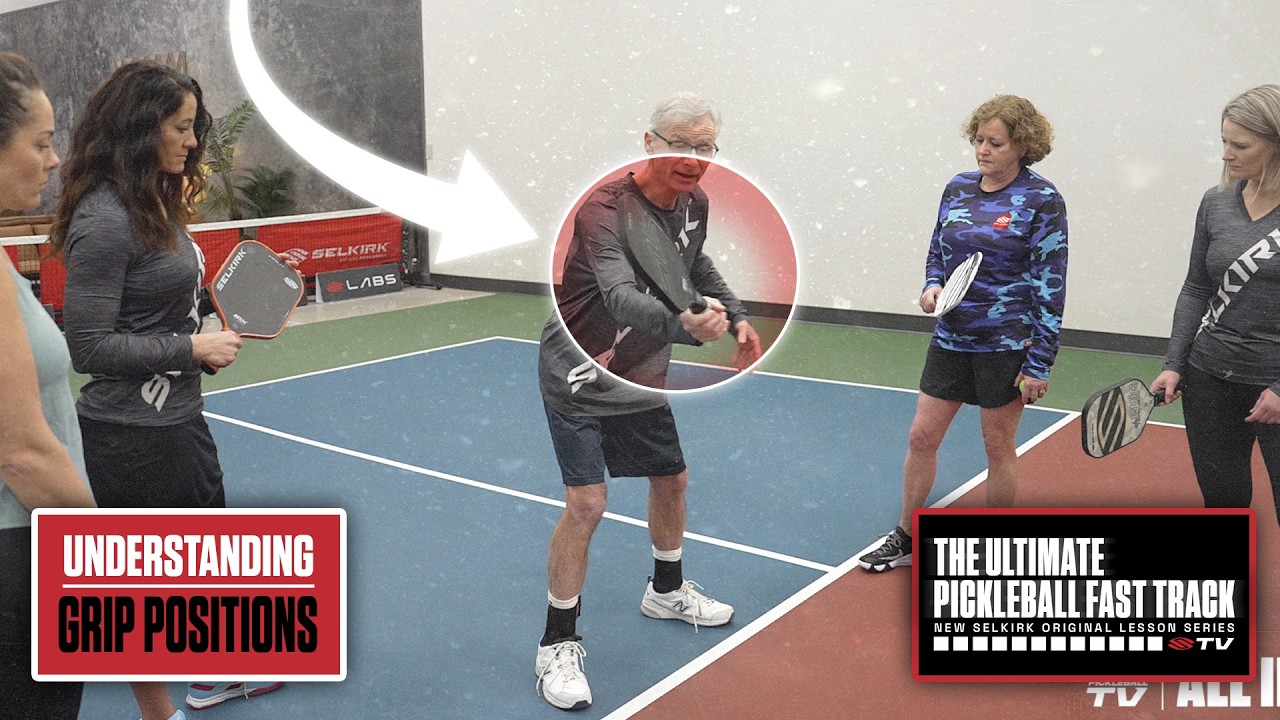
Why Your Grip Controls Everything
Think of your grip as the steering wheel of your pickleball game. A loose, improper grip creates a disconnect between your intentions and your shots. Your paddle becomes an unpredictable extension of your arm rather than a precise tool under your complete control.
When your grip is dialed in correctly, several magical things happen:
- Hand speed increases dramatically - Your paddle responds instantly to micro-adjustments
- Shot consistency skyrockets - The paddle face stays where you want it, shot after shot
- Power transfers efficiently - Energy flows from your body through your hands to the ball
- Touch shots become natural - Delicate dinks and drops happen effortlessly
The Continental Grip: Your Starting Point
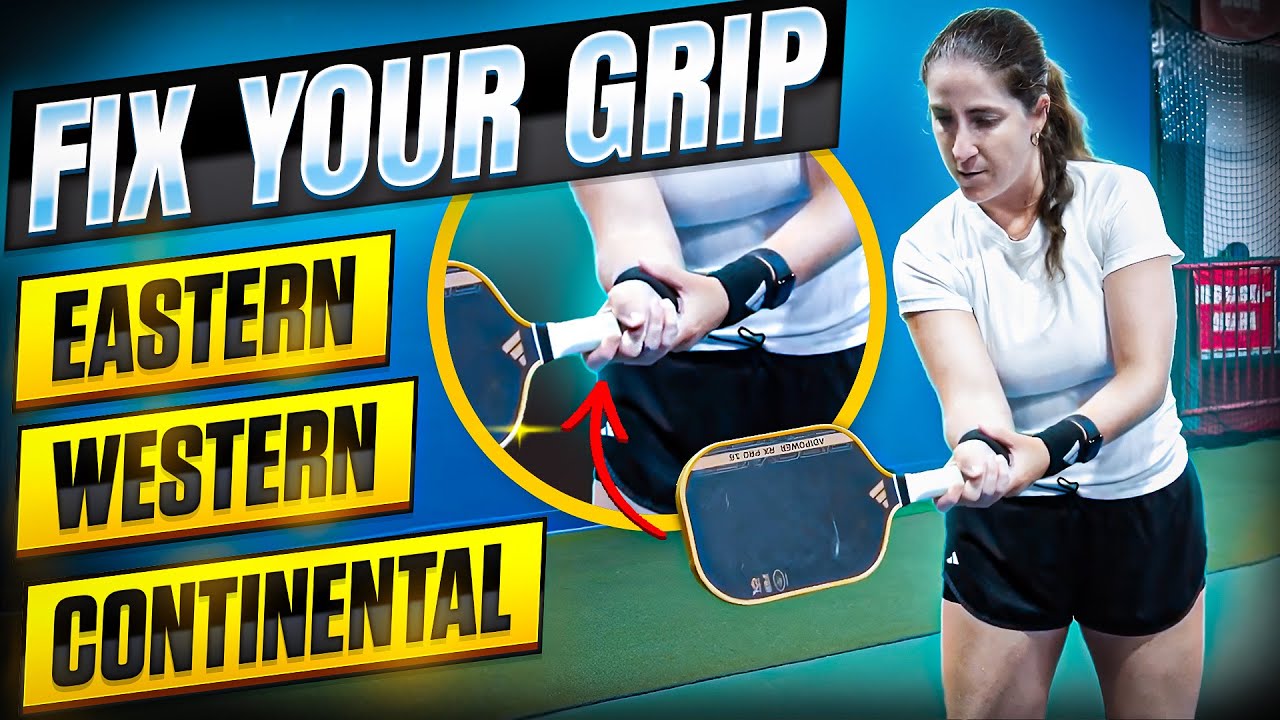
The continental grip serves as the foundation for most pickleball shots. To find it, imagine you're shaking hands with your paddle. Place your hand on the handle so that your knuckles align with the edge of the paddle face.
This grip position allows for seamless transitions between forehand and backhand shots without requiring grip changes. It's particularly effective for:
- Net play and volleys
- Defensive blocks
- Overhead smashes
- Quick exchanges at the kitchen line
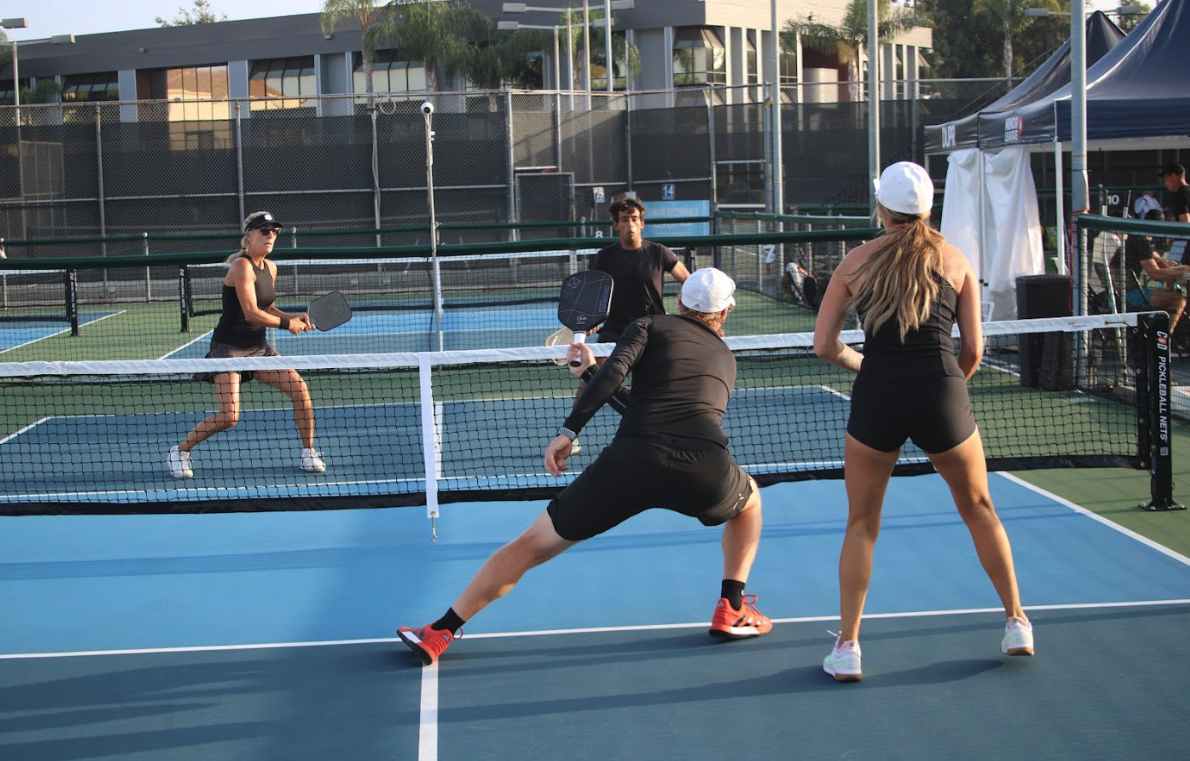
Grip Pressure: The Goldilocks Principle
Grip pressure might be even more critical than grip position. Too tight, and you'll create tension that slows your reactions and reduces feel. Too loose, and you'll lose control at impact.
The sweet spot feels like holding a small bird—firm enough that it won't fly away, but gentle enough that you won't hurt it. On a scale of 1-10, aim for a 4 or 5 during rallies, increasing slightly on power shots.

Advanced Grip Adjustments for Specific Shots
While the continental grip handles most situations, subtle adjustments can unlock additional power and precision for specific shots.
Eastern Forehand Grip
Rotate your hand slightly clockwise (for right-handers) from the continental position. This grip generates more topspin and power on aggressive forehand drives from the baseline.
Modified Continental for Backhand
A slight counterclockwise rotation opens up your backhand, particularly useful for cross-court angles and defensive slices.

Common Grip Mistakes That Kill Your Game
The Death Grip: Squeezing too tightly creates arm tension that radiates up to your shoulders, slowing your reactions and causing fatigue.
The Frying Pan: Holding the paddle like a frying pan (palm directly under the handle) eliminates wrist flexibility and makes backhand shots nearly impossible.
The Constant Adjuster: Continuously changing your grip mid-point disrupts timing and creates inconsistency.
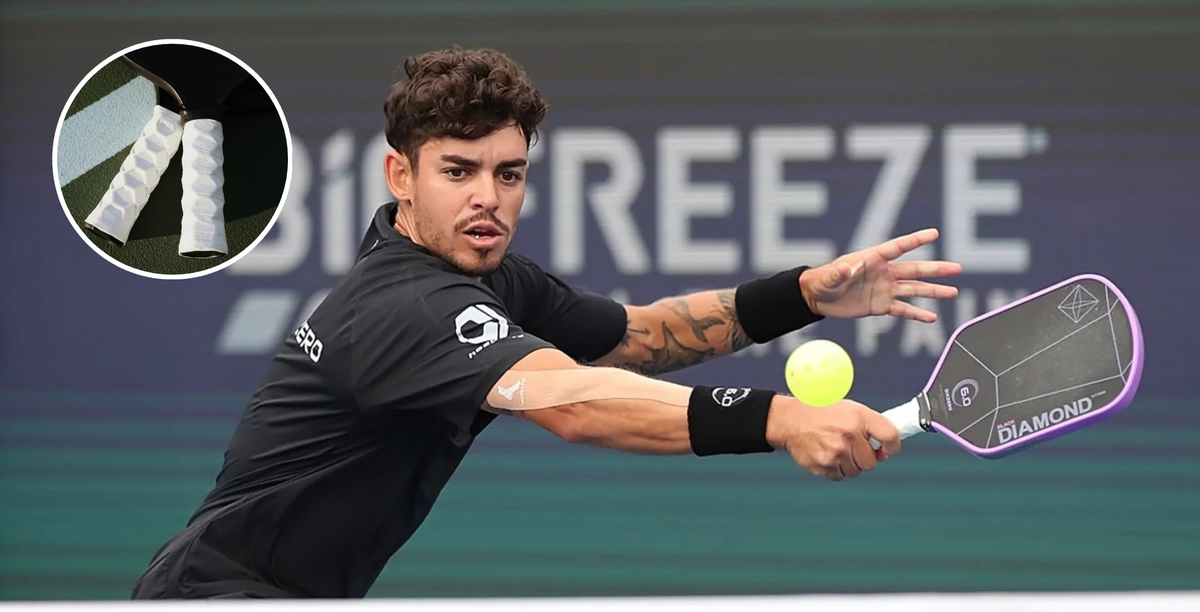
Building Grip Muscle Memory
Proper grip technique becomes automatic through deliberate practice. Spend 10 minutes daily simply holding your paddle in the correct position while watching TV or during breaks. Practice finding your grip with eyes closed until it becomes second nature.
During play, check your grip between points. Many players unconsciously shift their grip during intense rallies, gradually moving away from optimal positioning.
The Bottom Line
Your grip might seem like a small detail, but it's the difference between fighting your equipment and having it respond to your every intention. Master this foundation, and you'll be amazed how quickly every other aspect of your game improves.
Frequently Asked Questions
Should I use the same grip for all shots?
Start with the continental grip for all shots. As you advance, subtle grip adjustments can enhance specific shots, but avoid major changes that disrupt your timing during rallies.
How do I know if my grip pressure is correct?
Your grip should feel secure but not tense. If your forearm feels tight or your hand cramps during play, you're likely gripping too hard. Practice with lighter pressure until it feels natural.
How long does it take to develop proper grip muscle memory?
With consistent practice, most players develop reliable grip muscle memory within 2-3 weeks. The key is repetition and checking your grip regularly during the learning phase.