The dink shot separates recreational players from serious competitors in pickleball. While beginners focus on power and speed, advanced players understand that strategic dinking controls the game's tempo and creates winning opportunities.
Most players treat the dink as a single shot, but elite competitors utilize five distinct variations depending on court position, opponent placement, and tactical objectives. Understanding when and how to execute each type transforms your net game from defensive to dominant.
The Strategic Foundation of Modern Pickleball
Today's pickleball revolves around net play, where dink shot selection determines point outcomes more than raw athleticism. The difference between intermediate and advanced players lies not in their ability to hit harder, but in their capacity to choose the right dink for each situation.

Professional players spend 70% of their practice time perfecting various dink techniques because these soft shots at the net create the setups that win matches. Each dink type serves a specific purpose in your tactical arsenal.
The Five Essential Dink Variations
1. The Cross-Court Safety Dink
Your most reliable weapon when under pressure or out of position. This diagonal shot provides maximum margin for error while keeping you in the point. Deploy this dink when you're stretched wide, recovering from a difficult shot, or need time to reset your position.
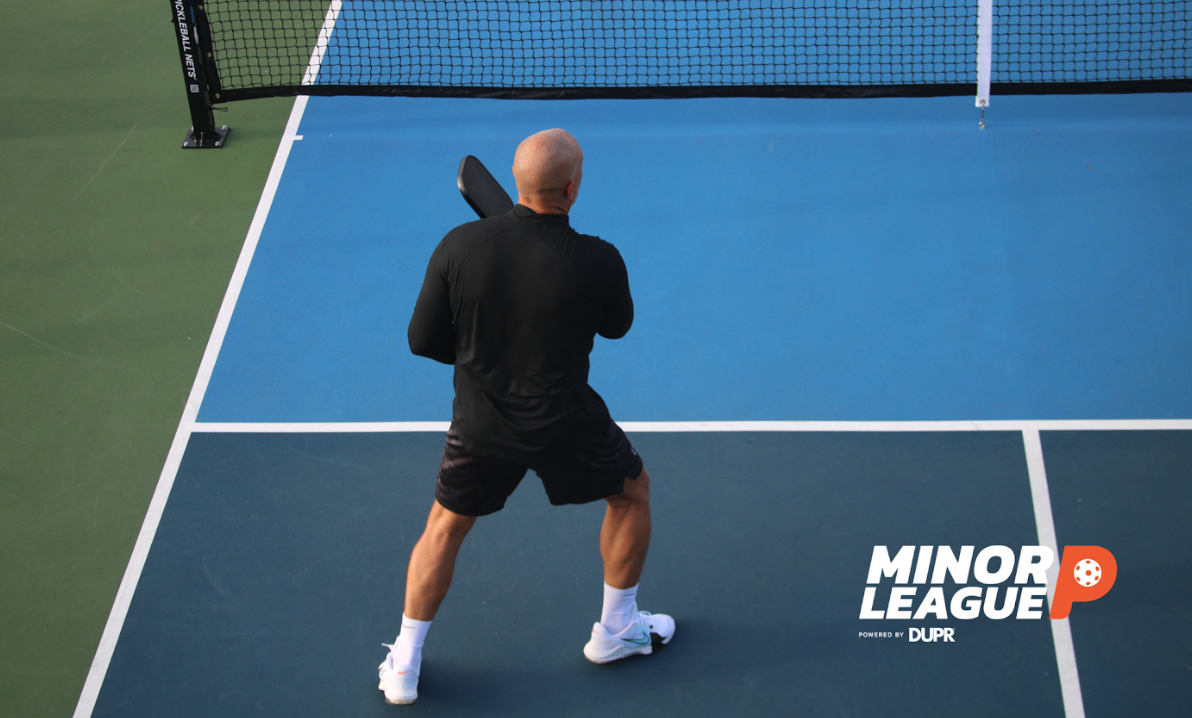
The cross-court angle naturally pulls your opponent away from the center, creating court space for your next move. Focus on consistent depth rather than placement precision with this foundational shot.
2. The Straight-Ahead Pressure Dink
A more aggressive option that maintains forward momentum in rallies. Use this when you're in good court position and want to keep your opponent honest. This dink works best against players who favor extreme cross-court angles.
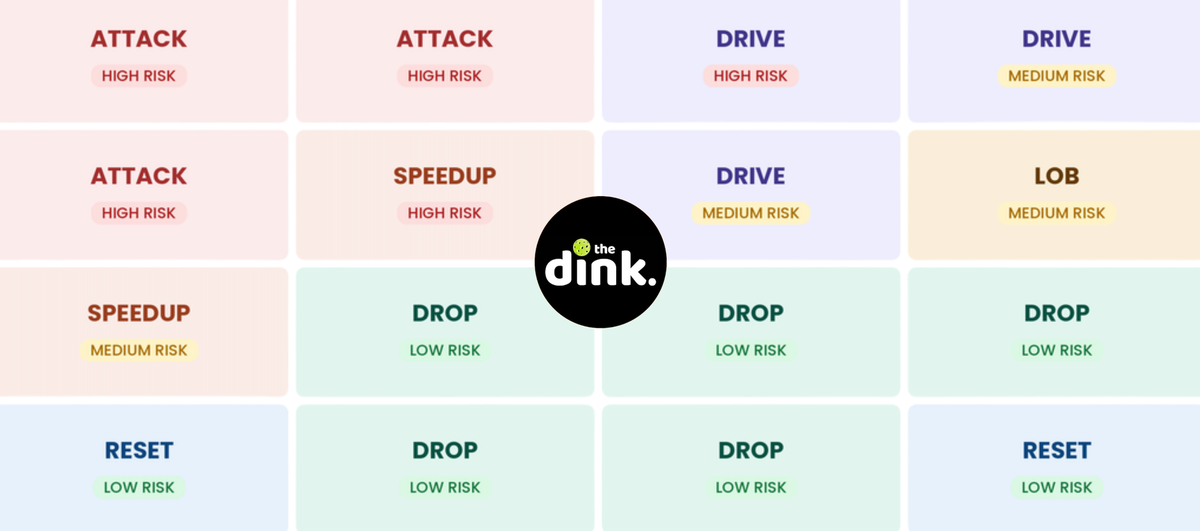
The straight dink requires more precision but offers faster point development. It prevents opponents from establishing rhythm in cross-court exchanges and opens up the court for follow-up attacks.
3. The Sharp Angle Drop
Your offensive weapon for creating impossible retrieval situations. When opponents drift toward the center or back from the net, this severe angle dink pulls them completely off the court.
Execute this shot only when you're positioned well inside the court with time to focus on placement. The risk-reward ratio demands careful timing, but the payoff includes immediate winners and weak returns.
4. The Deep Kitchen Dink
Designed to push aggressive opponents away from the net and disrupt their timing. This deeper dink lands closer to the no-volley zone baseline, forcing opponents to hit upward and preventing offensive opportunities.
Deploy the deep kitchen dink against players who crowd the net aggressively or consistently attack your shorter dinks. The additional depth creates defensive shots rather than neutral rallies.
5. The Speed-Change Dink
Your tactical surprise for breaking opponent rhythm and timing. This involves varying your dink pace within rallies—following soft touches with slightly firmer shots or vice versa.

The speed change dink works by disrupting opponent expectations and preparation. Use this variation sparingly for maximum effectiveness, typically after establishing a consistent rhythm with standard dinks.
Reading the Court: When to Use Each Dink
Shot selection depends on three critical factors: your court position, opponent positioning, and rally momentum. Advanced players automatically assess these elements before every dink.
When you're defensive or out of position, prioritize the cross-court safety dink. From strong court position with time and space, consider the sharp angle or speed-change variations. Against net-rushers, deploy the deep kitchen dink to push them back.
Practice Progression for Mastery
Develop each dink type individually before combining them in match situations. Start with cross-court consistency, achieving 20 consecutive successful shots before progressing to straight-ahead dinks.
Once you've mastered the basic techniques, practice situational deployment through targeted drills that simulate match scenarios. Mental preparation is equally important—visualize court situations where each dink type provides the optimal solution.
Frequently Asked Questions
How do I know which dink to use in fast-paced rallies?
Start with court position assessment. If you're balanced and centered, consider offensive options like angle or speed-change dinks. When stretched or defensive, default to cross-court safety dinks until you regain optimal positioning.
Should I practice all five dink types equally?
Focus 60% of your practice time on cross-court and straight dinks for consistency, then dedicate 40% to the three advanced variations. Master the fundamentals before adding complexity to your game.
What's the biggest mistake players make with dink selection?
Attempting aggressive angle dinks from poor court position. Advanced shots require optimal setup—forcing difficult dinks from defensive positions typically results in errors or weak shots that opponents can attack.