The difference between intermediate and advanced pickleball players often comes down to one crucial skill: mastering the third shot sequence. While beginners focus on individual shots, elite players understand that pickleball is a game of connected movements and strategic sequences.
Coach Jess from Athena Pickleball has identified five essential third shot sequence patterns that can revolutionize your approach to reaching the non-volley zone. These aren't just shot techniques—they're strategic blueprints that anticipate your opponent's response and position you for success.
Why the Third Shot Sequence Matters
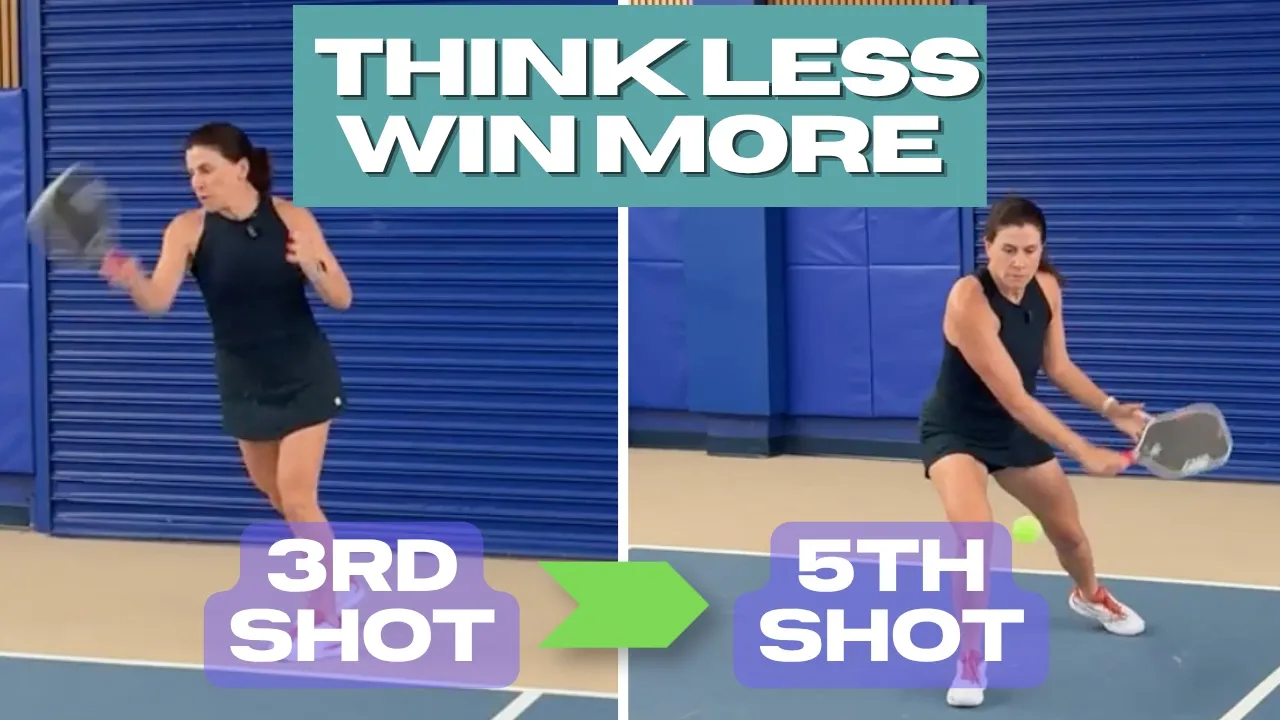
Most recreational players treat the third shot as an isolated event. They hit it, cross their fingers, and react to whatever happens next. This reactive approach leaves you constantly scrambling and rarely in control of the point.
Advanced players think differently. They view the third shot as the opening move in a calculated sequence designed to neutralize their opponents' advantage and establish their own position at the net.
The Five Essential Third Shot Sequence Patterns
Pattern 1: The Drop and Rush
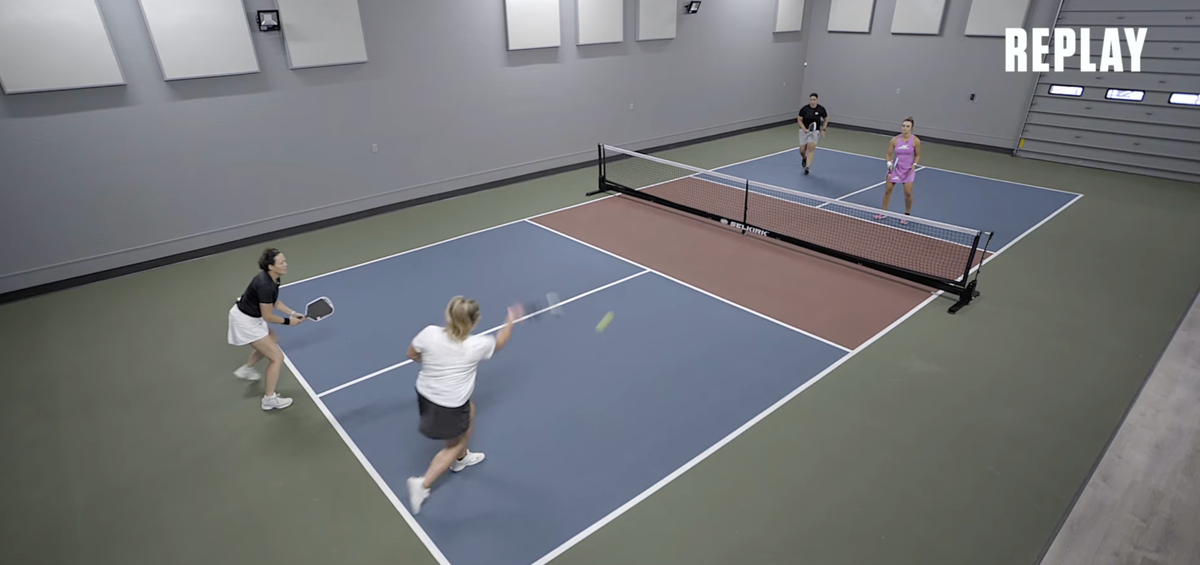
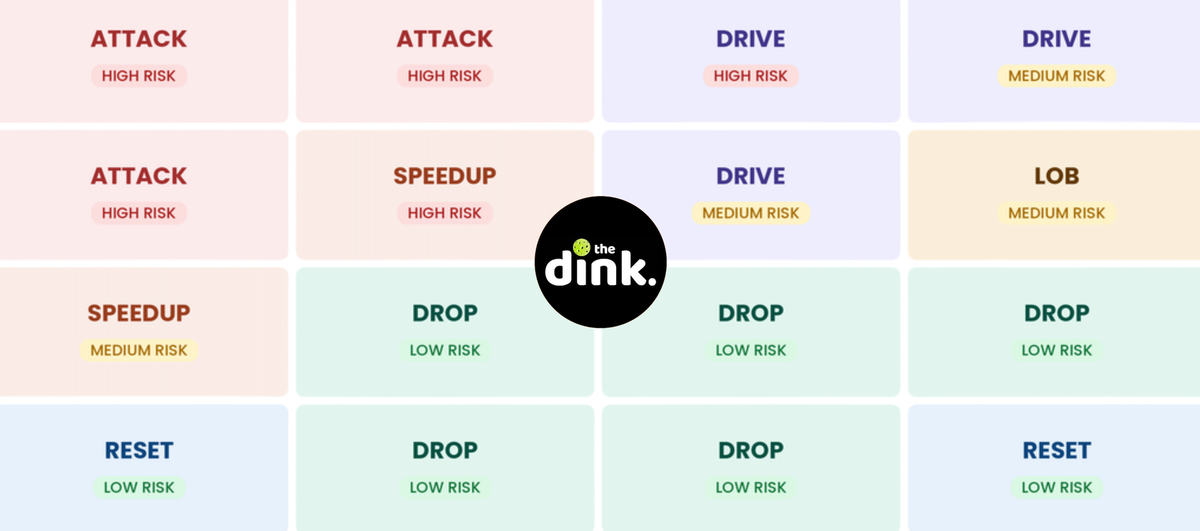
This classic sequence begins with a soft third shot drop aimed deep into the kitchen. The key isn't perfection on the drop—it's the coordinated forward movement that follows. As soon as the ball leaves your paddle, you're moving forward, ready to handle the anticipated return with a controlled fourth shot.
The beauty of this pattern lies in its predictability for you and unpredictability for your opponents. You know exactly where you're going and what shot comes next, while your opponents must react to your aggressive advance.
Pattern 2: The Drive and Transition
Sometimes the soft game isn't the answer. The drive and transition pattern uses a powerful third shot drive to create chaos, followed by a strategic pause to read your opponents' response. This sequence works exceptionally well when opponents are camping at the net or when you need to change the pace of play.
The critical element is the transition phase—that split second where you assess whether to continue forward or reset your position based on how effectively your opponents handle the drive.
Pattern 3: The Lob and Recover
The third shot lob isn't about hitting a winner—it's about buying time and repositioning. This sequence involves a well-placed lob that forces your opponents back from the net, followed by your own advance to claim the kitchen line while they're retreating.
Timing is everything in this pattern. You must commit to moving forward immediately after the lob, trusting that even if they return it well, you'll be in a better position to continue the point.
Pattern 4: The Cross-Court Reset
This sophisticated pattern uses angles to create opportunities. By hitting your third shot cross-court with controlled pace, you force your opponents to move while setting up your partner for an advantageous fourth shot position.
The sequence continues with both players moving forward in a coordinated fashion, using the cross-court angle to create space and timing advantages for the next exchange.
Pattern 5: The Speed-Up Sequence
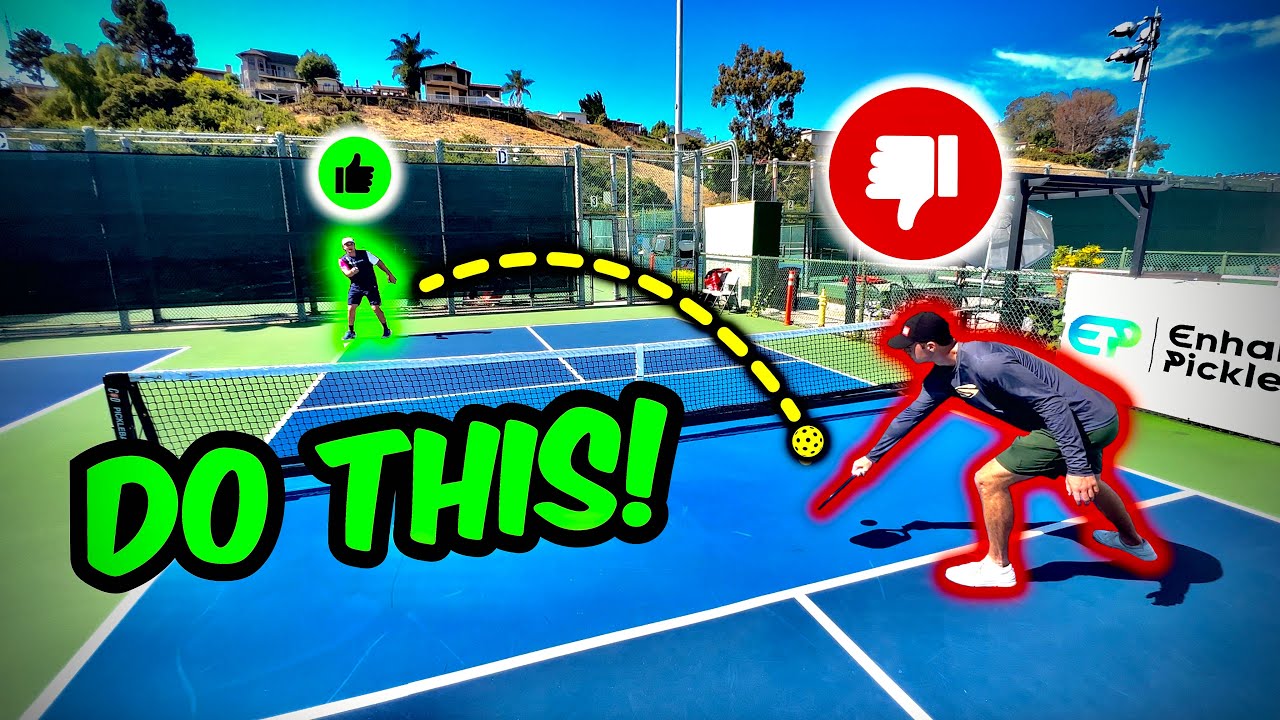
The most aggressive pattern involves a third shot speed-up directly at your opponents, followed by rapid net advancement. This high-risk, high-reward sequence works best against players who struggle with reaction time or when you need to seize momentum quickly.
Success depends on your ability to handle whatever comes back while maintaining forward momentum toward the kitchen.
Implementing These Patterns in Your Game
The key to mastering these sequences isn't perfection on day one—it's consistent practice and gradual implementation. Start by identifying which pattern best suits your playing style and the specific game situation you're facing.
Practice each sequence repeatedly, focusing on the transition between shots rather than just the individual techniques. Remember, your opponents are also trying to execute their own sequences, so adaptability remains crucial.
Most importantly, these patterns should become instinctual. When you're in a match, you shouldn't be consciously thinking through each step—your body should naturally flow from one movement to the next based on thousands of practice repetitions.
FAQ
How do I know which third shot sequence pattern to use?
The choice depends on your opponents' positioning, their strengths and weaknesses, the score situation, and your own comfort level with each pattern. Aggressive patterns work well when you need to seize momentum, while conservative sequences are better for high-pressure points.
What's the most common mistake players make with third shot sequences?
The biggest error is stopping your forward movement too early. Most players hit their third shot and then wait to see what happens instead of committing to the sequence. Trust the pattern and keep moving forward according to your plan.
How long does it take to master these sequence patterns?
With consistent practice, most players can begin implementing basic versions of these patterns within 2-4 weeks. However, mastering the timing, transitions, and situational awareness to use them effectively typically takes several months of regular play and focused practice.