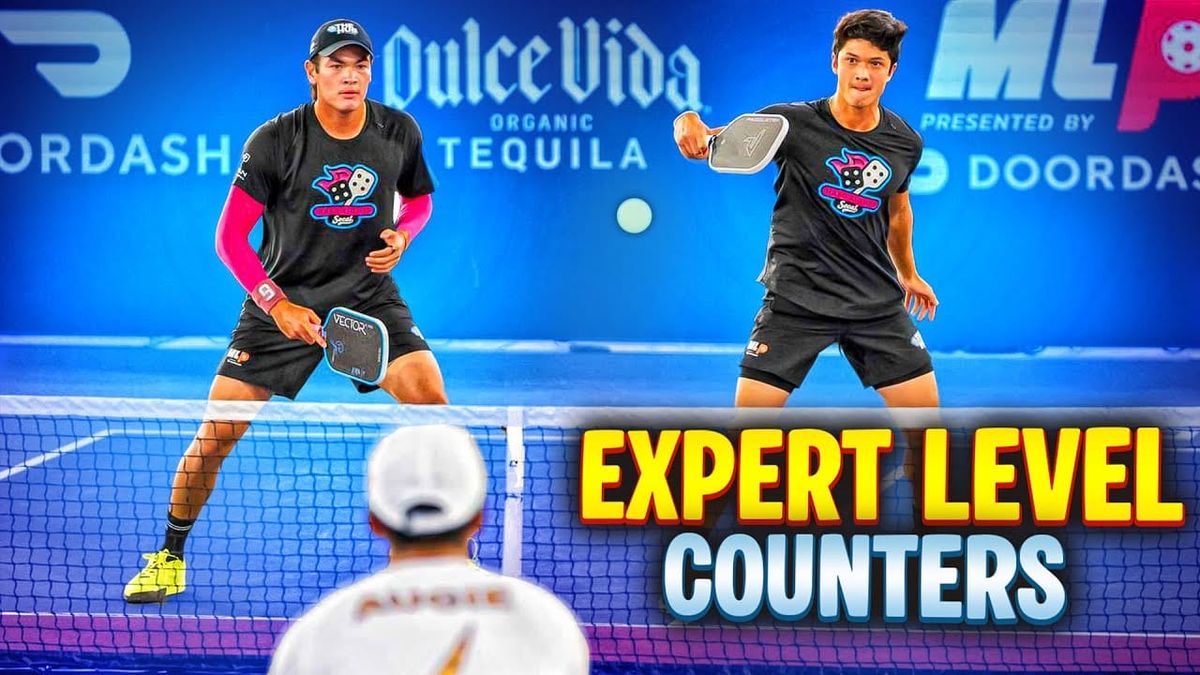
When facing aggressive attacks at the kitchen line, most recreational pickleball players resort to defensive resets or attempt risky offensive shots. However, there's a third option that separates advanced players from beginners: the two-handed backhand counter.
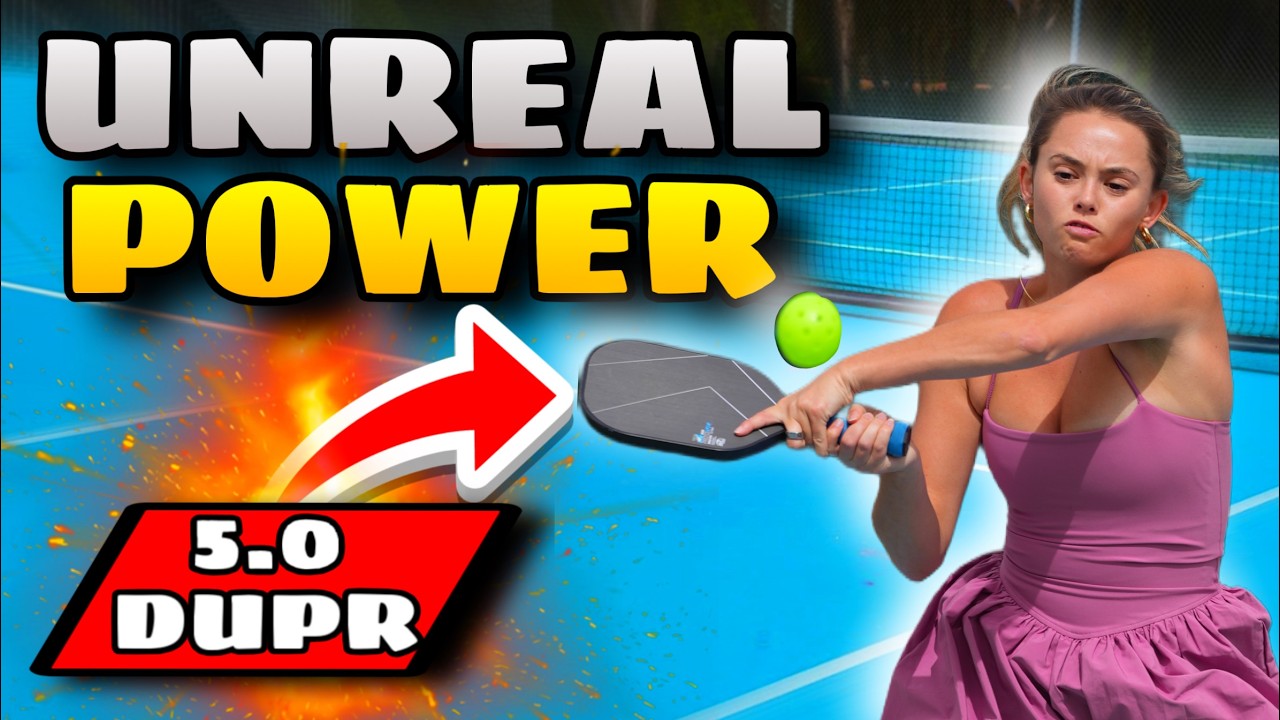
This technique allows you to maintain offensive pressure while under attack, transforming defensive situations into winning opportunities. Professional PPA Tour player Ava Ignatowich has mastered this shot and shares the essential mechanics needed to add this weapon to your arsenal.
Why the Two-Handed Backhand Counter Works
The two-handed backhand counter excels because it uses your opponent's pace against them while maintaining exceptional control. Unlike one-handed backhands that can feel rushed under pressure, the two-handed variation provides:
- Enhanced stability through dual-grip control
- Better absorption of incoming pace
- Improved accuracy during fast exchanges
- Greater power potential for offensive counters
Essential Grip Fundamentals
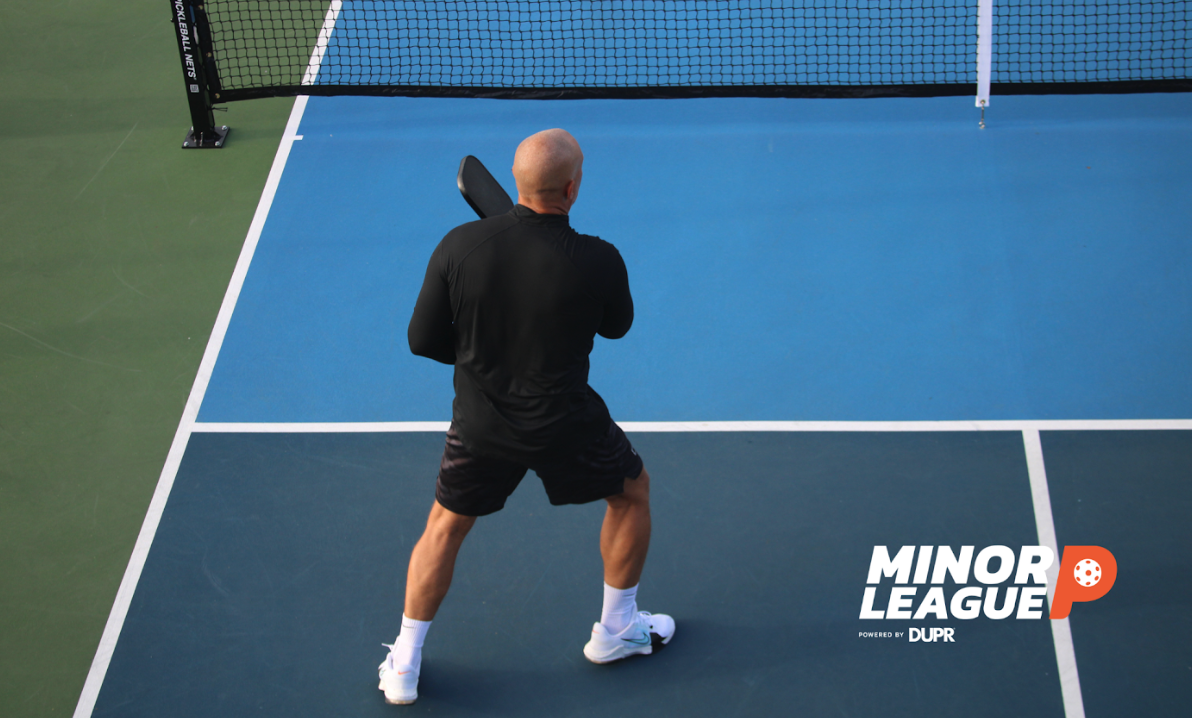
According to Ignatowich, proper grip setup forms the foundation of effective countering. The dominant hand maintains a continental or slight eastern backhand grip, while the non-dominant hand adopts a semi-western forehand grip position.
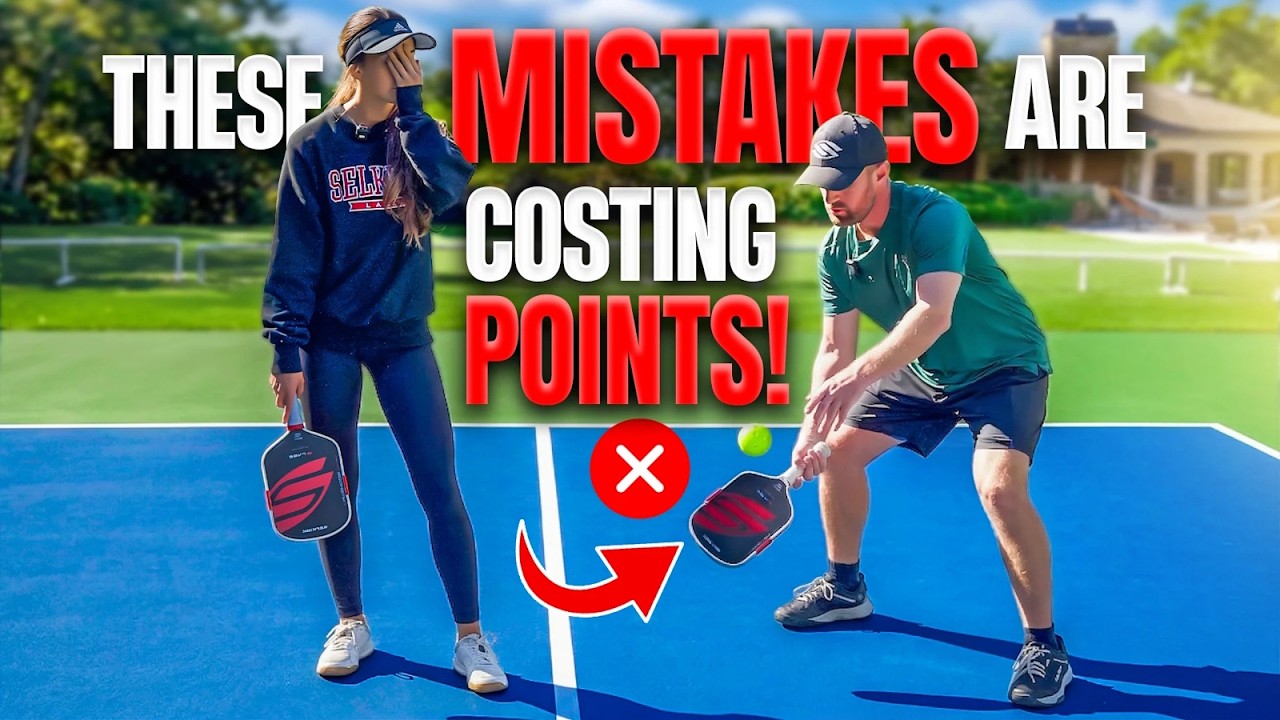
This grip combination creates the ideal blend of control and power. The dominant hand provides stability and direction, while the non-dominant hand adds strength and helps generate topspin rotation.
Hand Positioning Details
Keep both hands close together on the handle, with the non-dominant hand positioned slightly above the dominant hand. This arrangement ensures both hands work together rather than fighting each other during the stroke.
Footwork and Body Position
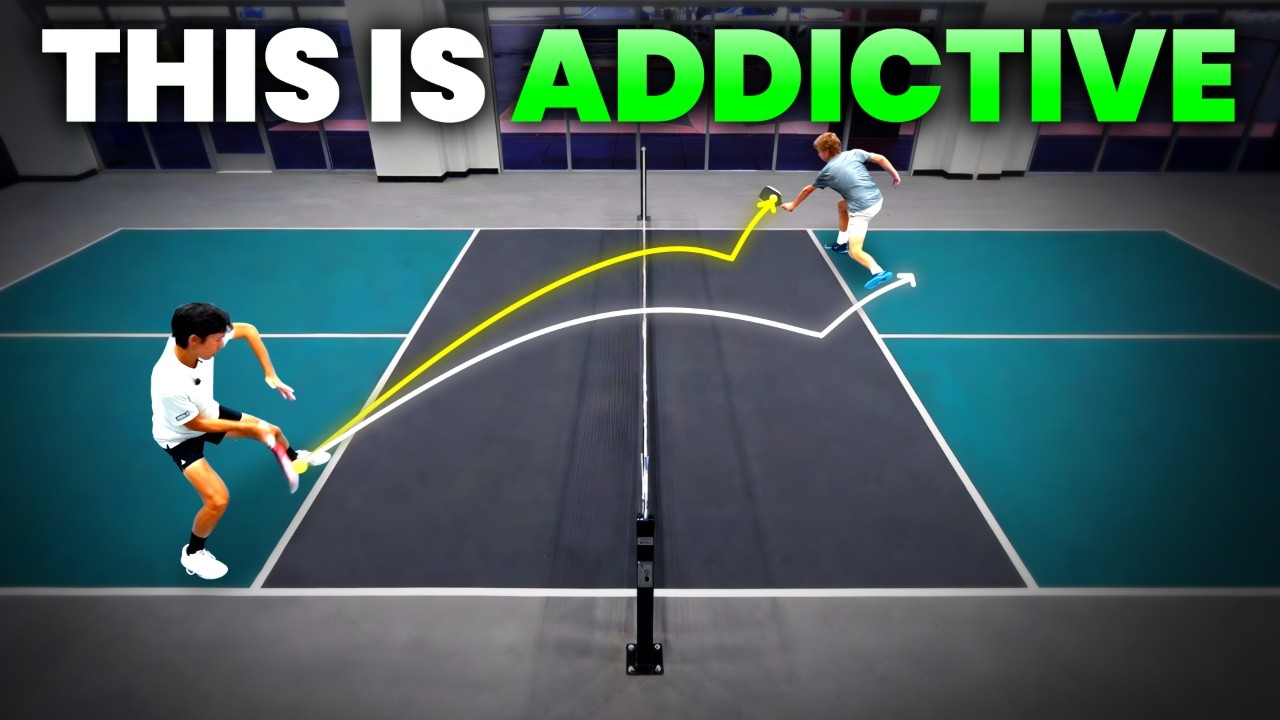
Effective countering begins with proper setup. Position yourself with feet shoulder-width apart and weight slightly forward on the balls of your feet. This athletic stance enables quick reactions to incoming shots.
When the attack comes to your backhand side, take a small step with your right foot (for right-handed players) to create space and proper positioning. Avoid large movements that slow your reaction time during fast exchanges.
Stroke Mechanics Breakdown
The counter motion starts with a compact backswing – no more than shoulder height. Ignatowich emphasizes keeping the paddle head above your hands throughout the stroke to maintain control under pressure.
The Contact Point
Contact the ball slightly in front of your body with both hands driving through the shot. The key is maintaining firm wrists while allowing slight give to absorb pace, then redirecting that energy back toward your target.
Follow-Through Technique
Complete the stroke with a controlled follow-through toward your target. Avoid excessive follow-through that leaves you off-balance for the next shot. The goal is immediate recovery for continued aggressive play.
Practice Drills for Development
Start practicing this technique with moderate-pace feeds from a partner positioned at the opposite kitchen line. Focus on clean contact and consistent placement before increasing ball speed.
Progress to live drilling where partners alternate between attacking and countering. This develops the timing and recognition skills necessary for match situations.
Common Mistakes to Avoid
Many players struggle with overswinging when attempting counters. Remember that your opponent's pace provides much of the power – your job is redirecting that energy accurately.
Another frequent error involves improper grip pressure. Maintain firm but relaxed hands that can adjust to incoming pace variations without becoming rigid.
Integrating Into Your Game
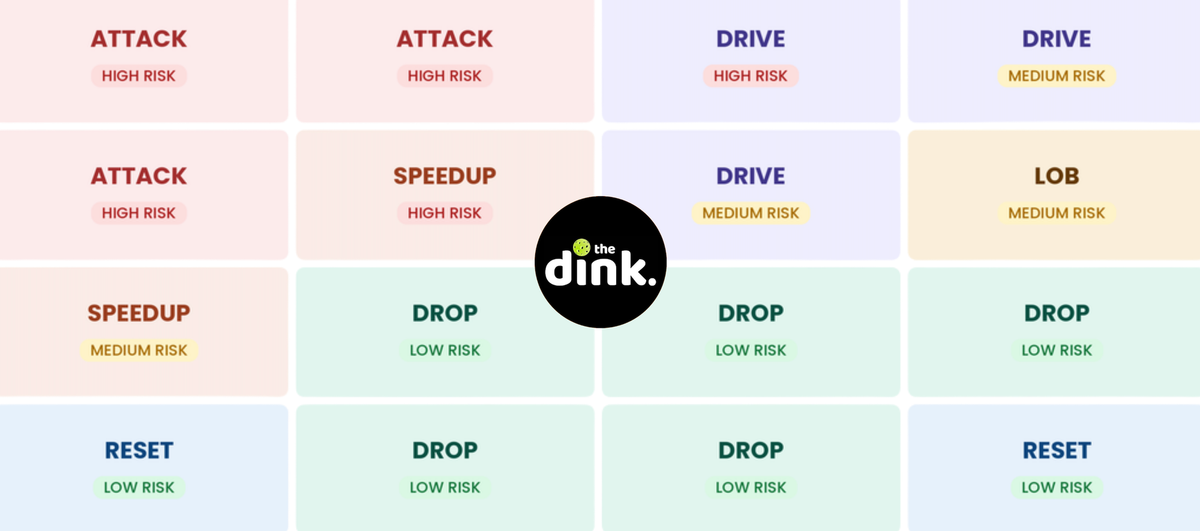
The two-handed backhand counter works best when opponents expect defensive play. Use it strategically rather than attempting every counter, mixing resets and attacks to keep opponents guessing.
Practice recognizing situations where countering makes sense versus when resetting provides better positioning for the next shot.
FAQ
Should beginners learn the two-handed backhand counter immediately?
Focus first on solid fundamentals including basic backhands and kitchen line positioning. Add the counter technique once you're comfortable with standard shots and can consistently reach the kitchen line.
How do I know when to counter versus reset during kitchen line battles?
Counter when you're in good position and the incoming shot has manageable pace. Reset when you're stretched, off-balance, or facing extremely hard-hit balls that require more time to set up properly.
Can this technique work against professional-level pace?
Yes, with sufficient practice and proper mechanics. However, it requires extensive drilling to develop the hand speed and reaction time necessary for elite-level exchanges.